Recap: Highlights from the US Army’s 2025 conference in Washington
The Army continues to transform, with efforts focused on next-gen weaponry, long-range artillery, unmanned systems and much more.

Unmanned
Pentagon stages first ‘Top Drone’ school for operators to hone skills
Industry and military drone operators flew tethered and untethered first-person drones through a course designed to test endurance and maneuverability.
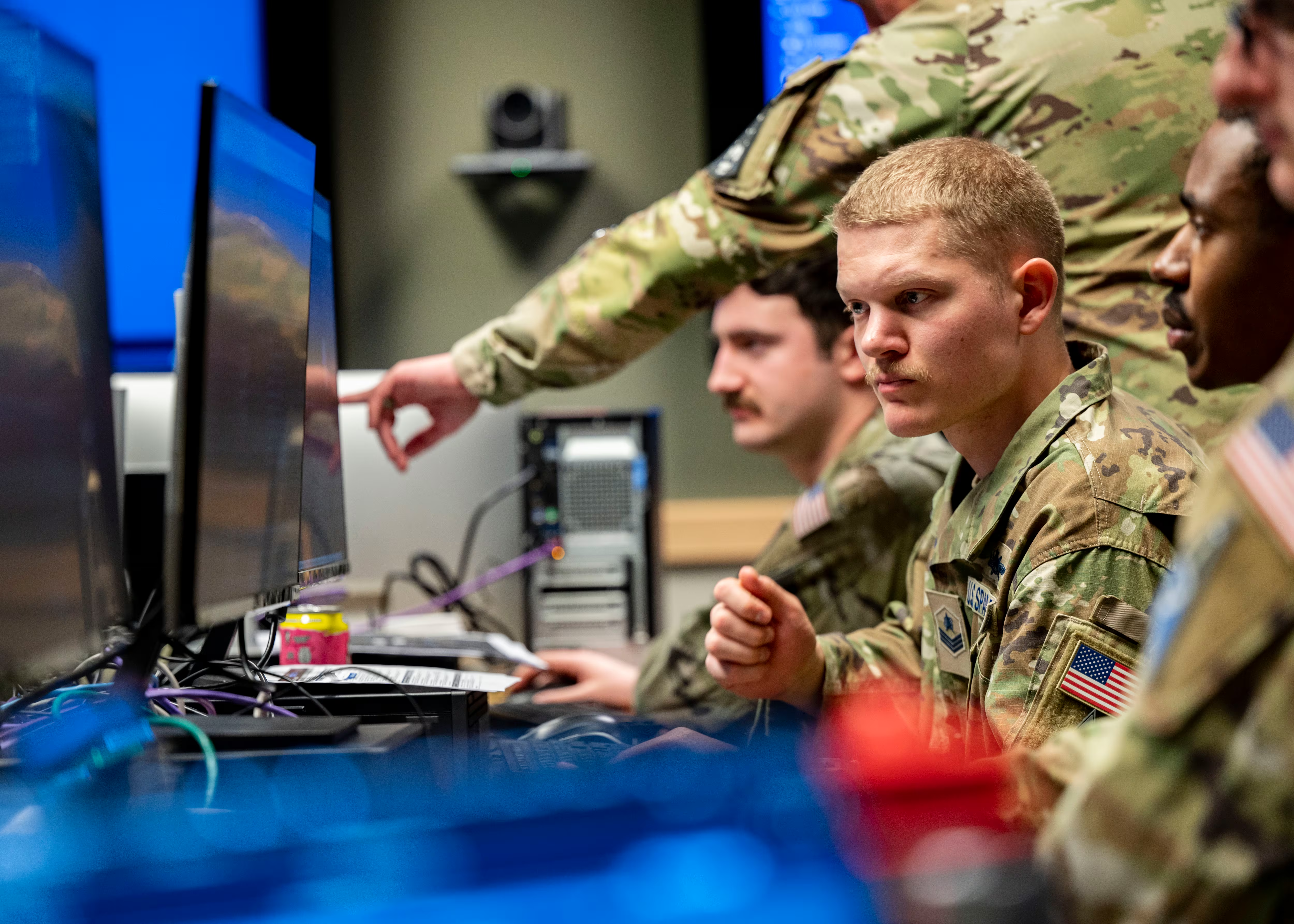
Space Force racing to meet training, testing demands
The Space Force is taking a hybrid approach to improving its training systems, stitching together legacy capabilities with commercial tech.

Space Force plans to award 20 contracts for commercial reserve by 2026
The contracts will detail the level of commercial capability the service needs in peacetime and provide a means to access more capacity during conflict.
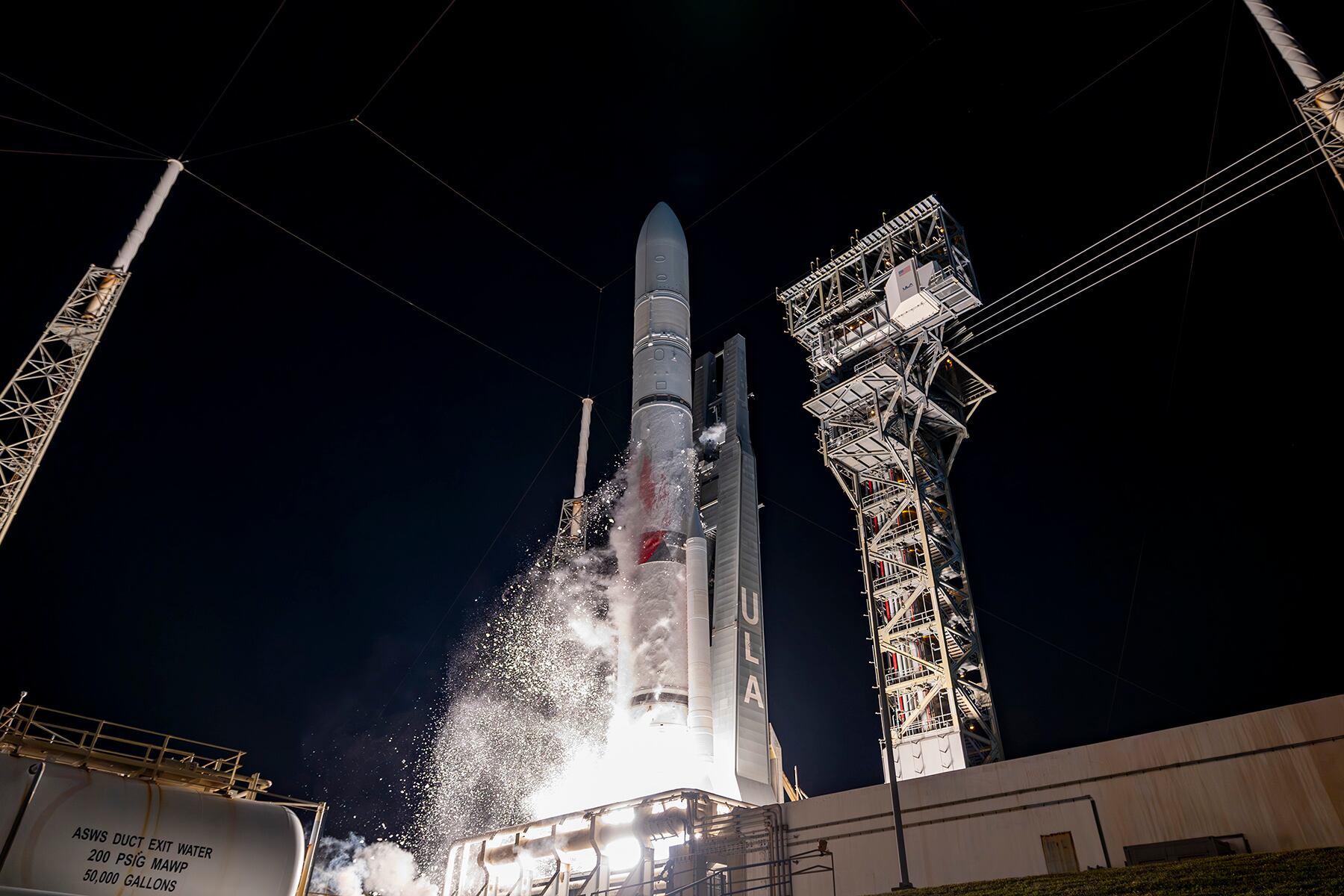
ULA’s new rocket won’t fly its first Space Force missions until 2025
Even if ULA's Vulcan rocket is certified in the coming weeks, time is running out to fly the missions before the end of the year, an official said.

Pentagon picks programmers to connect its Replicator drone swarms
The announcement comes a week after the Pentagon revealed several of the drones it plans to buy through Replicator.

Pentagon announces hypersonic testing pact with UK, Australia
The agreement, which falls under AUKUS Pillar II, aims to leverage the three nations’ combined hypersonics funding, facilities and experience.
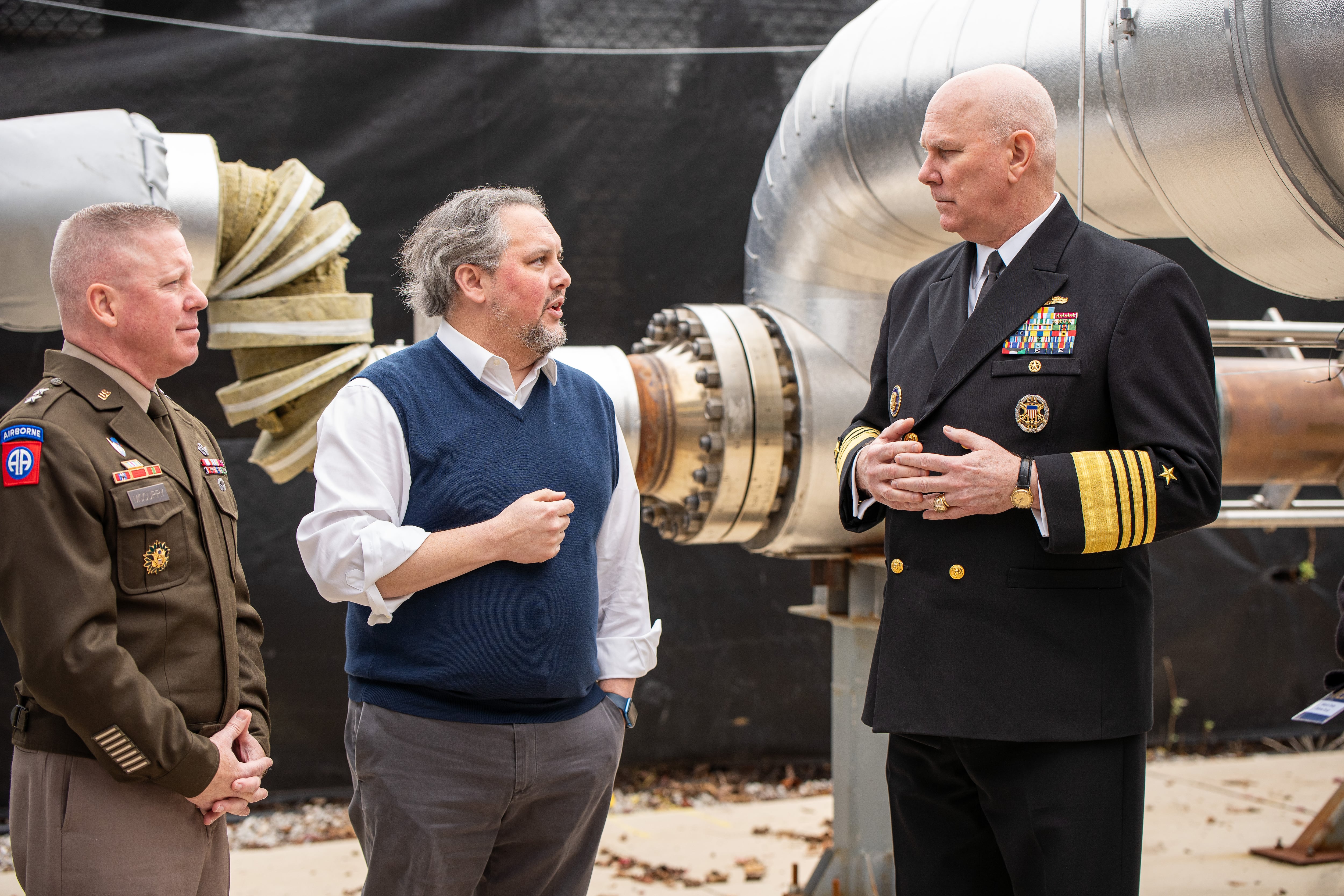
Notre Dame unveils first-ever hypersonic Mach 10 wind tunnel
A first-of-its-kind test facility unveiled earlier this month at the University of Notre Dame could improve the Pentagon’s hypersonic research.

Space Force targeting more affordable GPS satellites
The program comes amid growing concern from Pentagon and other government leaders about GPS vulnerability.

Space Force expands Commercial Integration Cell partnerships
The cell provides a venue for real-time technology exchange between U.S. Space Command and commercial space firms.

US Space Force moves to make its systems battle-ready by 2026
The service has set a goal to ensure that four high-priority, classified systems are fully integrated into its C2 architecture.