BERLIN — The German government has set up a €100 million (US $112.5 million) Euro fund to help support partner countries in Africa and the Middle East in their efforts to stabilize their security situation.
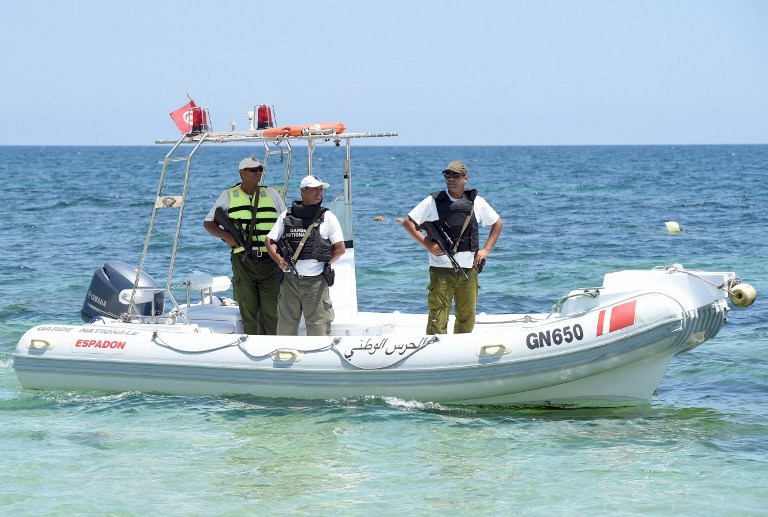
The new fund, which is planned for fiscal 2016, will be tapped for measures such as the assistance for Tunisian border protection, Katrin Suder, state secretary of the German Ministry of Defense, said in her speech during a conference this week in Berlin.
According to Suder, the aim of the new initiative is to help partner countries prevent in preventing crises and stabilize their overall security environment. The money will be used to procure equipment and services for tasks like border protection, small arms controls or the clearing of minefields. Tunisia, Mali, Nigeria, Jordan and Iraq have been identified as potential partners for the next year.
Suder stated that a secondary purpose of the fund is to support the German defense industry, as the money will be used primarily to buy gear — including weapons — and services in Germany.
The German MoD and the Ministry of Foreign Affairs have agreed to manage the fund jointly. The earmarked €100 million will come out of the federal budget and be provided to the two ministries for this special purpose. on top of the ministries´ respective resources. Final approval of the draft by parliament as part of next year`s budget is expected within the coming weeks.
Wolfgang Hellmich, chairman of the defense committee of the German Bundestag, Wolfgang Hellmich, said he assumes the fund might be increased after 2016. As a first step, he expects delivery of German surveillance UAVs to Tunisia. These could be employed to monitor for the monitoring of the newly built rampart at the border with Libya.
Hellmich also urged cooperation between the German and Tunisian governments to support democracy in the North African country.
Email: lhoffman@defensenews.com