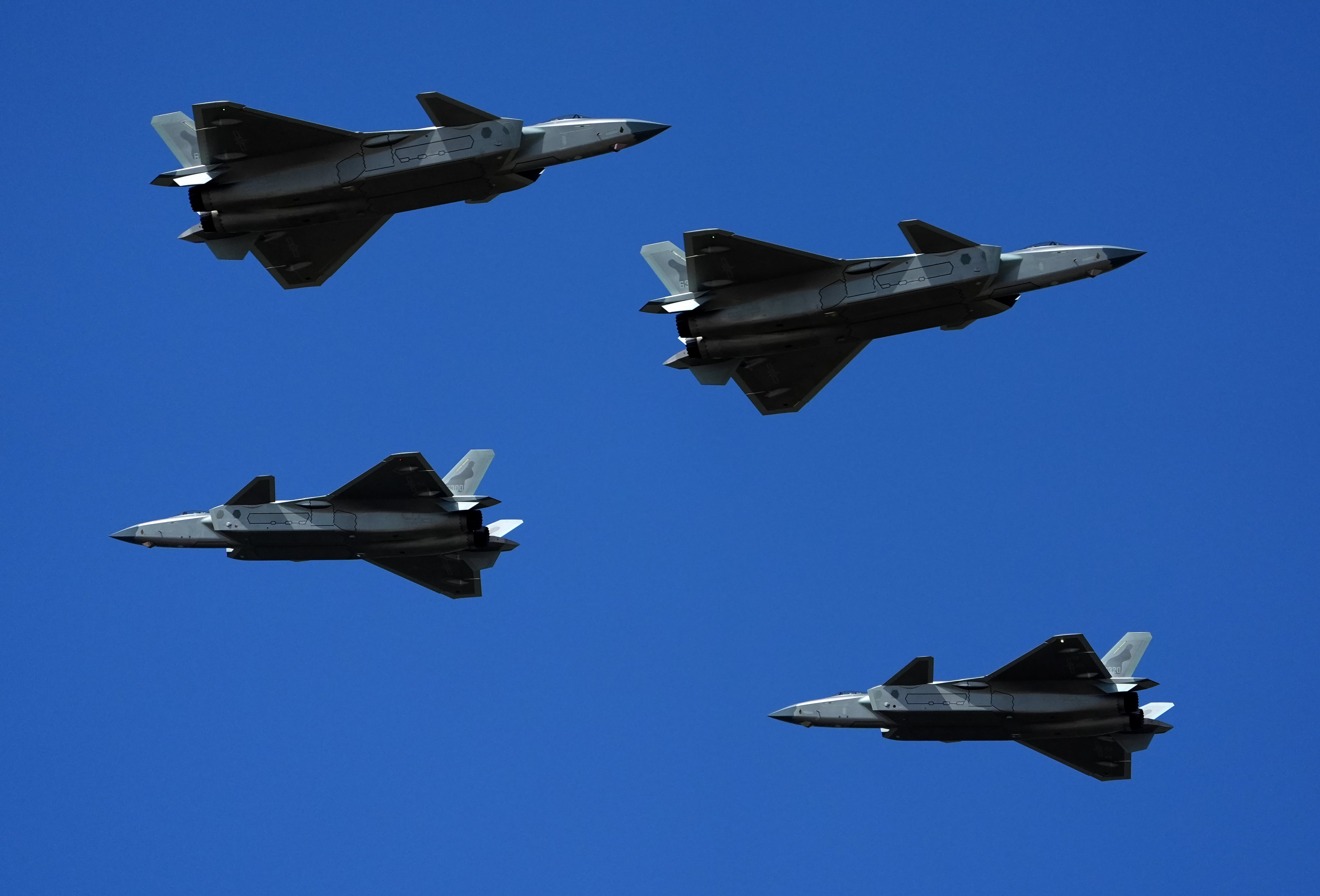
The PL-16’s specs would let it chase large, slower-moving aircraft, one analyst said, though its effectiveness against smaller, faster planes is unclear.
The Space Force has ramped up the amount of money flowing through the Space Enterprise Consortium as it tries to bring more nontraditional vendors into the fold.
Researchers at the Pentagon have launched a program that aims to extract rare earth minerals critical for military technologies from domestic sources ― using microscopic bugs.
The services say in-house coders allow them to be more flexible during missions, rather than relying solely on contractor support to build cyber tools.
In one example, Lockheed Martin wants to integrate new hardware into a toaster-sized satellite and then plug the cubesat into an orbiting GPS satellite.
A Government Accountability Office report finds that the military has failed to fully utilize the Mobile User Objective System, and delayed network transitions have resulted in an overreliance on existing systems.
The force is also looking for ways to incorporate advanced technology like artificial intelligence and robotics to more quickly make decisions across multiple domains of operations.
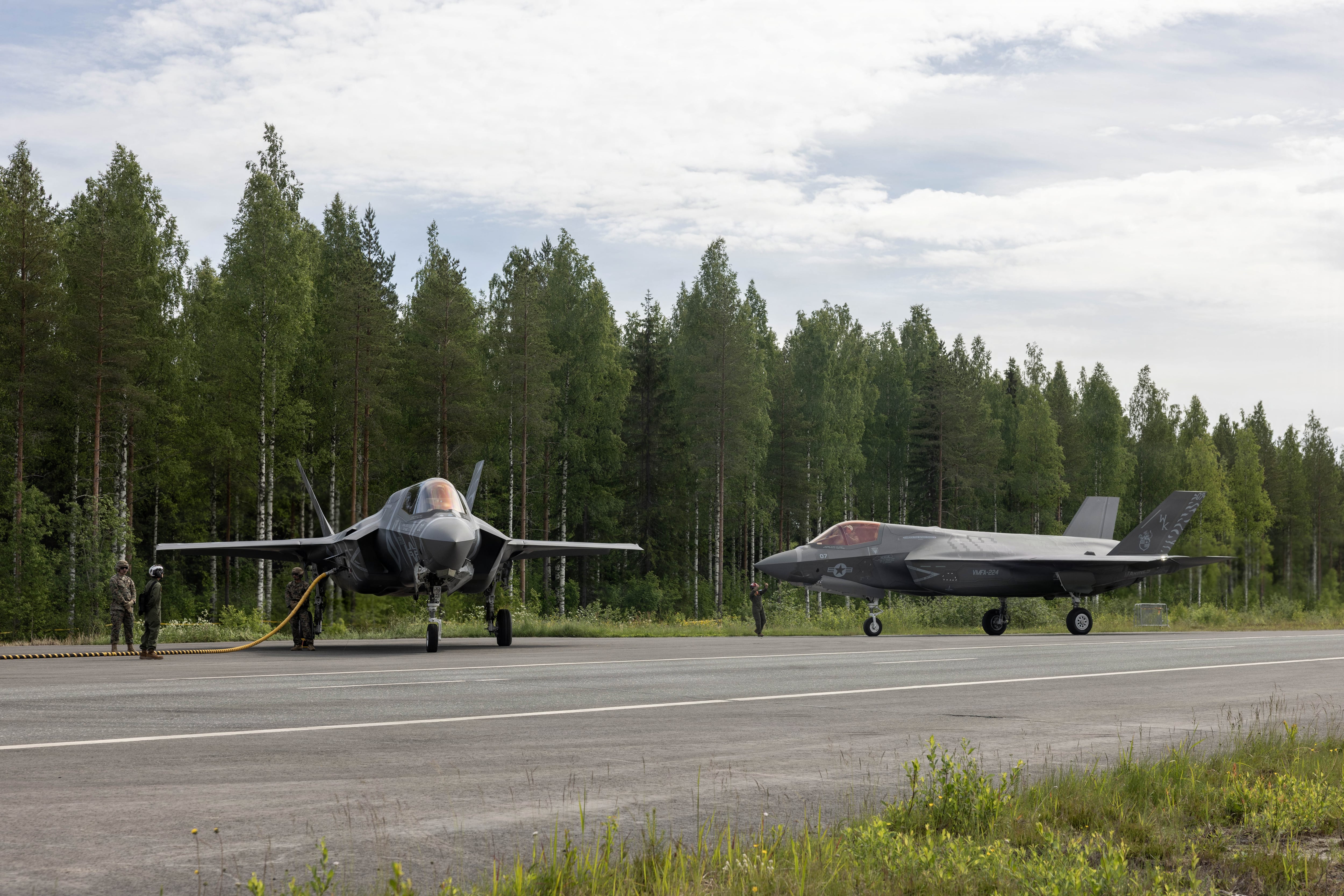
A new tactical aircraft study underway could make certain what has until now been a suspicion: The U.S. Air Force is unlikely to purchase all of the 1,763 F-35A jets in its program of record.
Gen. Mark Kelly talked about the service's sixth-generation fighter and plans to replace the E-3 airborne warning and control plane, better known as the AWACS.