TEL AVIV – Israel’s operational authority for cyber defense will debut at least a year later than planned due to election-driven budgetary limbo and lingering disputes over roles and missions, experts here say.
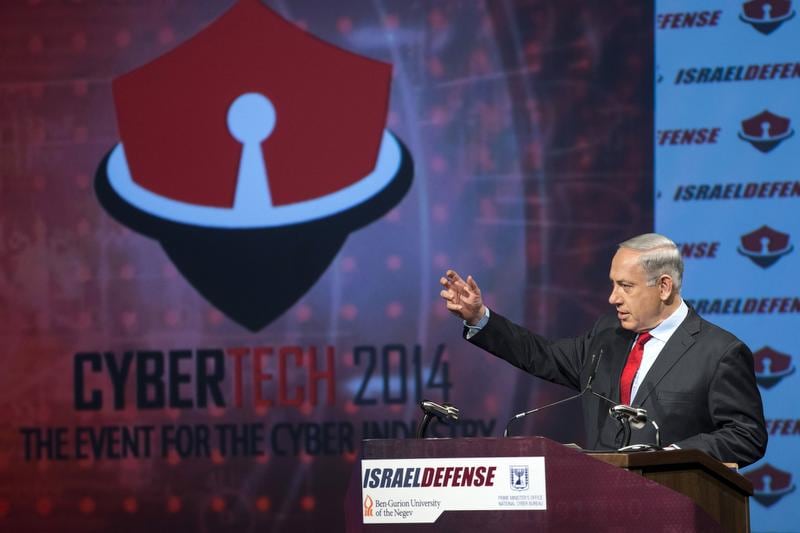
Described by Israeli Prime Minister Benjamin Netanyahu as "a new air force to deal with new threats," the Operative cyber Defense Authority (OCDA) aims to bridge security and civilian sectors and protect national "space" from cyber attacks.
Netanyahu decided in September to establish the new operational authority as part of the National cyber Bureau (NCB), an organization he created in 2011 to coordinate and administer cyber policy and standards.
His decision ostensibly ended protracted turf battles between NCB and Shin Bet, the domestic security service responsible for protecting critical civilian infrastructure for more than a decade.
The new authority, Netanyahu asserted in a widely publicized Sept. 21 announcement, "would see to defending the entire State of Israel on the cyber issue. That is, defending not only important facilities and security organizations, but how to defend Israeli citizens against these attacks."
NCB Director Eviatar Matania was given 60 days to submit "a multiyear plan in cooperation with other relevant agencies" for Security Cabinet approval.
But security sources and experts here said Matania's plan is far from finished and he hasn't yet found a figure with the requisite gravitas and expertise to lead the new organization.
Retired Air Force Maj. Gen. Isaac Ben-Israel chaired the task force that pushed to create the NCB and personally recommended Matania — a former subordinate — to head the bureau. He also was a principal influence behind Netanyahu's decision to establish the new OCDA and transfer authority long held by Shin Bet.
In a Dec. 10 interview, Ben-Israel acknowledged that "things are stuck in government."
He attributed delays to Netanyahu's Dec. 6 decision to oust key ministers in his coalition government followed by this month's vote to dissolve the Knesset and set new elections.
"Staff work is ongoing, but now everybody's busy with elections. When we're in the middle of elections, there's no budget, so everything is put on hold," Ben-Israel said.
But several officers and retired security officials said impediments to interagency cooperation predate the coalition crisis that sparked early elections, now set for March 17. Unresolved issues of roles and missions are equally or even more to blame for delays in standing up the new operational authority, they say.
In interviews, military intelligence sources responsible for cyber collection and operations as well as officers in the military's C4I directorate responsible for cyber defense insisted they would not be subordinate to the planned OCDA.
"We'll work very closely with them and provide services, if and when asked. But the Israel Defense Forces will not be subordinated by this new organization," one colonel said.
A recently retired security official still involved in the planning process insisted Shin Bet's Re'em information security will retain its mission of safeguarding national power grids, water reservoirs, transportation and other critical infrastructure.
The planned OCDA, he said, "will be responsible for the national cyber picture and for giving guidelines and feedback to the private sector."
Danny Cohen, a cybersecurity researcher at Tel Aviv University's Institute for National Security Studies, also said critical infrastructure will remain with Shin Bet, just as the Defense Ministry will continue to manage cyber-related military operations and defense of its military industries.
Cohen said Netanyahu's decision to create a new organization follows years of debate and will take time to plan and implement properly.
"It was a big decision. There's a real need for this new body that will deal with cyber defense at the national level," he said.
Cohen said OCDA would support cyber defense operations of major players at the top of the civilian sector — such as banks, insurance companies, pharmaceutical firms and pension funds — all the way down to individual Internet-based transactions.
"To my understanding, it will deal with everything that doesn't pertain to national infrastructure," he said.
Requests for on-record clarification from Matania or other relevant officials have been repeatedly denied by the Prime Minister's Office, which is directly responsible for NCB and Shin Bet.
"It's still not feasible at this time," David Baker, senior foreign press coordinator at the Prime Minister's Office, told Defense News on Dec. 7.
Ben-Israel estimated it would take "at least a year; some say two years" to stand up the new organization. Until then, operations will continue according to existing areas of responsibility, he said.
"We won't destroy something that already exists until we have a new organization up and ready to support future needs," he said. ■
Email: bopallrome@defensenews.com.