-
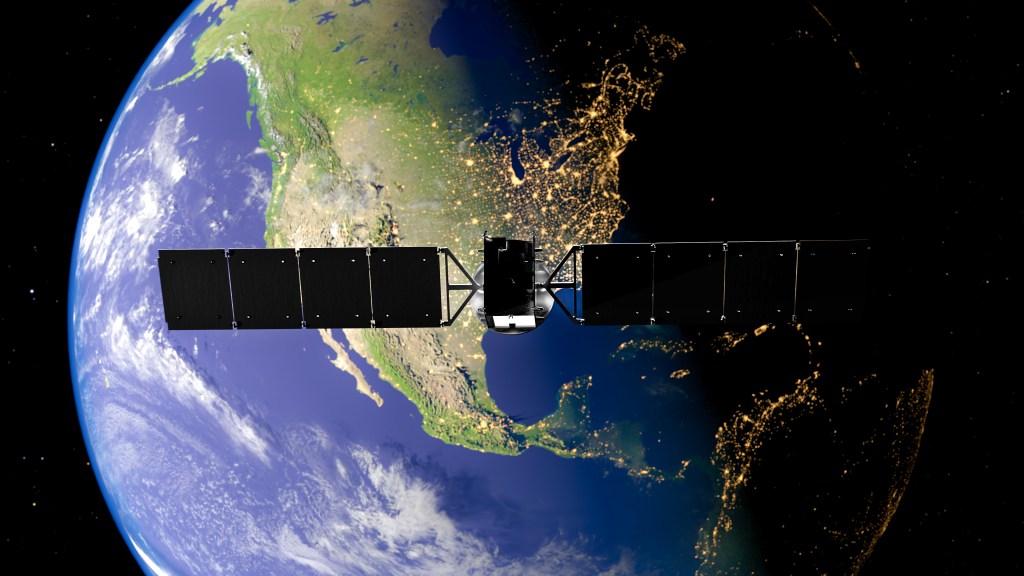
Preventing China’s DeepSeek in Space
The government should ensure that U.S. tech firms eying national security contracts can keep American technology secrets from China and Russia.
-

Why the US Navy wants to build a fully autonomous satellite
The system, called Autosat, can task, calibrate its signals and send and receive information on its own without the need for a human operator.
-
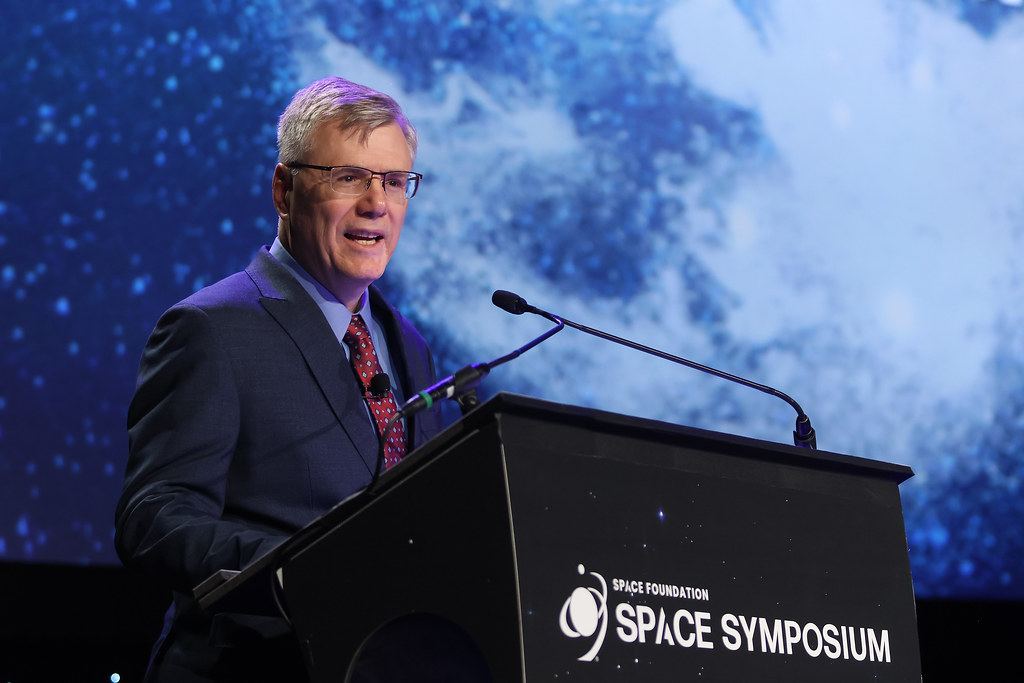
How Trump’s Air Force pick could elevate space priorities
Troy Meink’s specialization in space could upend the priorities of a service typically dominated by Air Force interests.
-

Trump picks intel community official as next Air Force secretary
If confirmed, Troy Meink would inherit key decisions about the Air Force’s fighter force and how to right-size the Space Force as it takes on new missions.
-
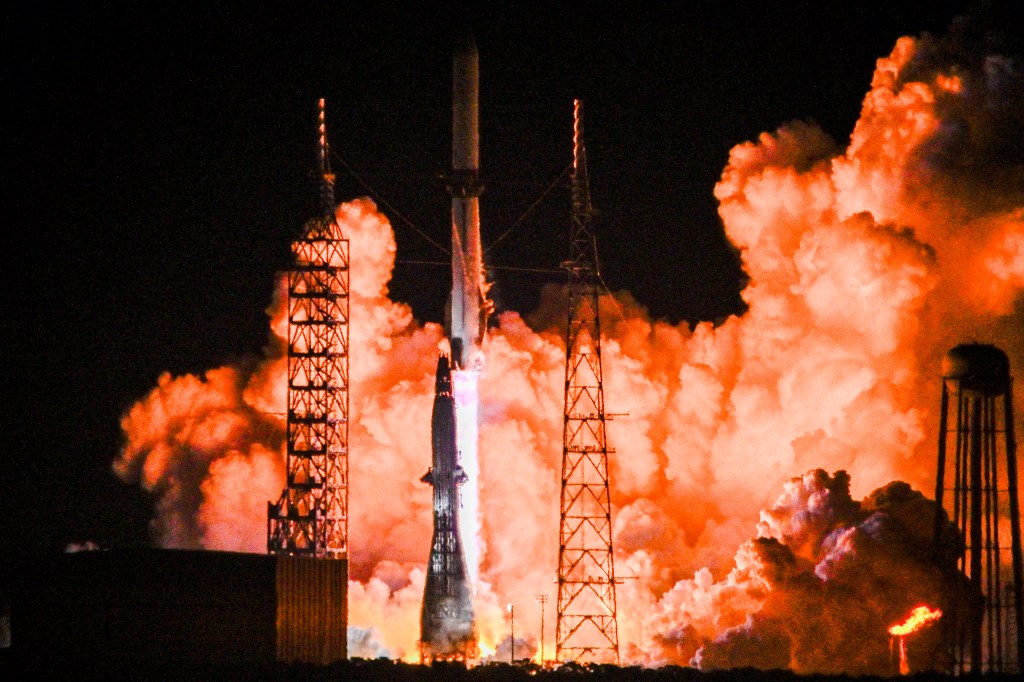
Blue Origin’s New Glenn rocket debuts
New Glenn lifted off from Cape Canaveral Space Force Station in Florida just after 2 a.m., carrying a payload for the Pentagon’s Defense Innovation Unit.
-
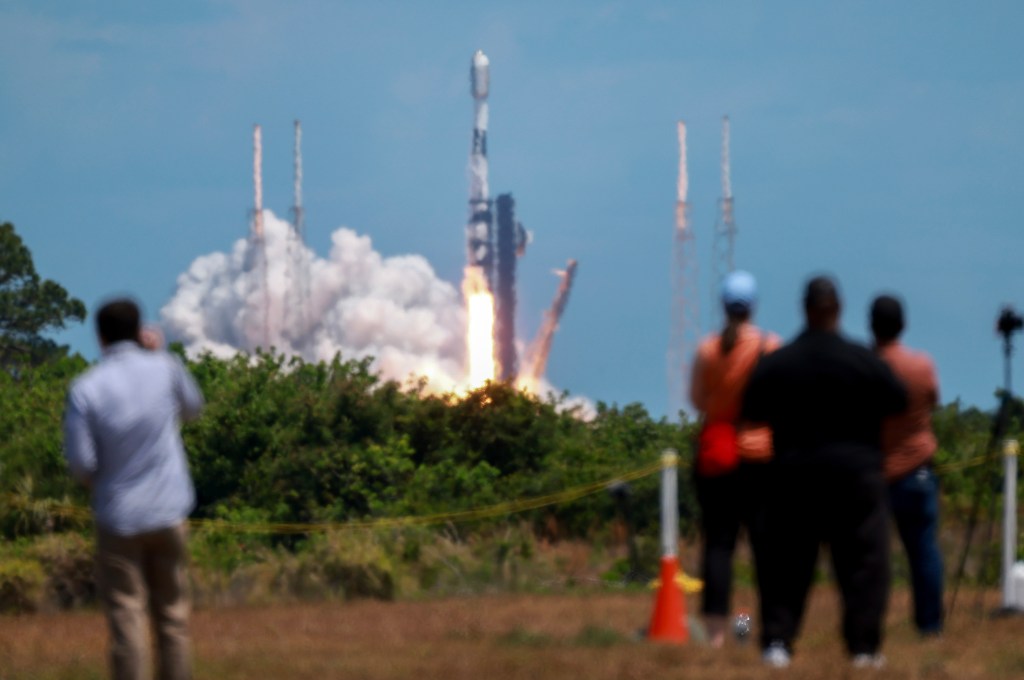
Italy eyes Musk’s Starlink for secret government communications
Handing control of Italy’s military satellite communications to the U.S. tech tycoon has prompted sharp criticism in Italy from opposition politicians.
-
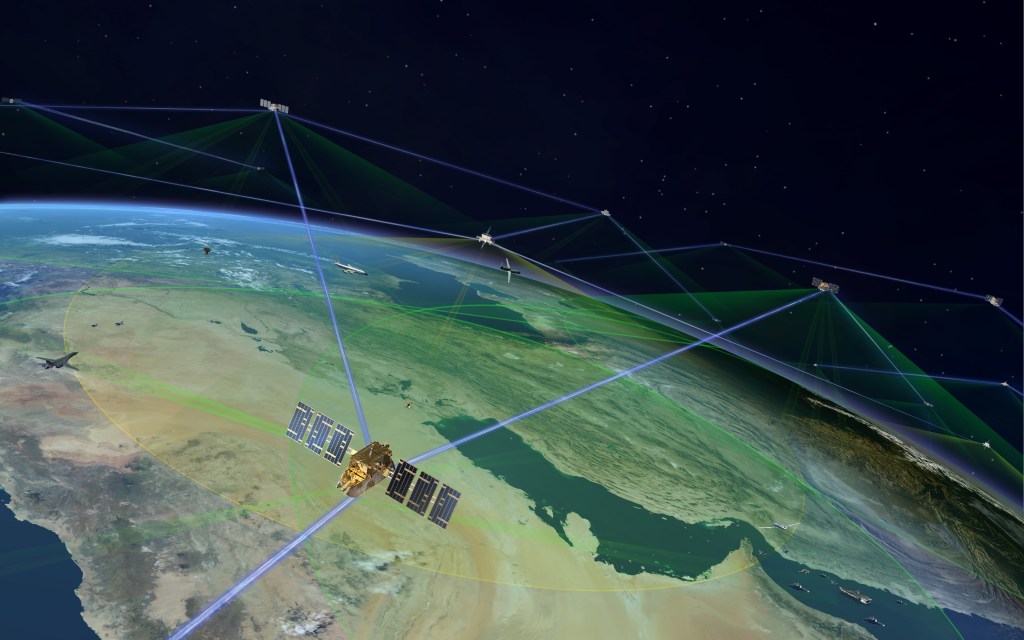
Space Development Agency validates high-speed satellite comm links
During a demo, York Space Systems and SpaceX connected two of their satellites via a laser communication link, proving a key technology for SDA.
-

Money, Musk and mission creep: How Trump could shape DOD’s space drift
The path to a larger Space Force budget isn’t clear — even as Trump, who oversaw the creation of the service, prepares to take office in the coming weeks.
-
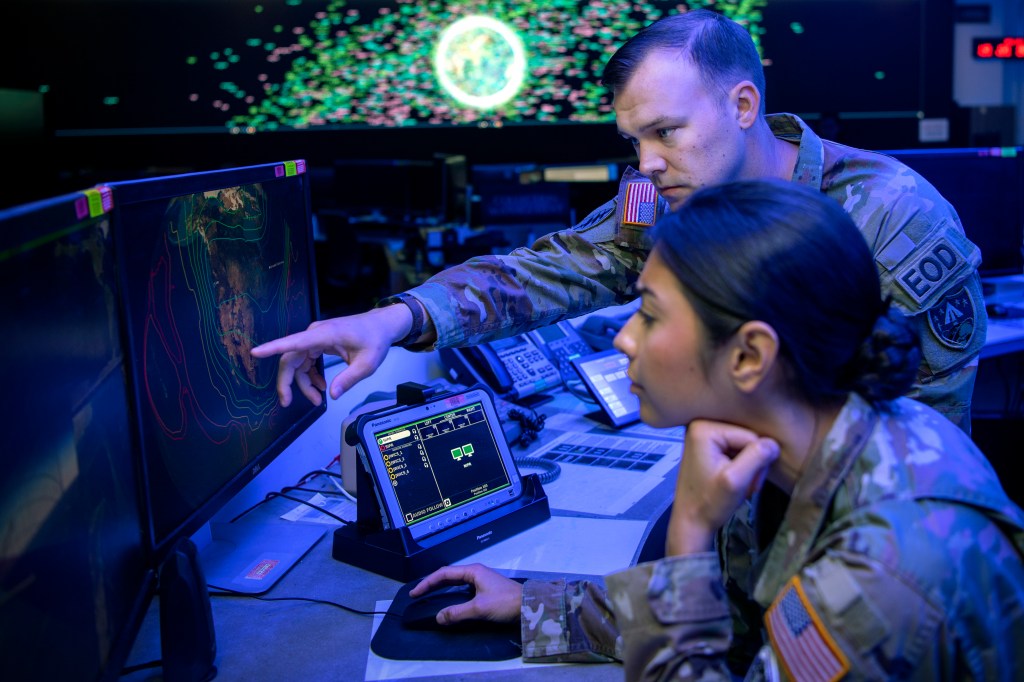
Space Operations Command preps for new shared domain awareness tool
The remaining ATLAS software is slated for delivery in the first quarter of 2025.
-

New US Space Force jammers aim to disrupt China’s SATCOM signals
The Remote Modular Terminals, which disrupt adversary satellites by “yelling in their ear,” as one official put it, are cleared for initial fielding,
-
Preventing China’s DeepSeek in Space
The government should ensure that U.S. tech firms eying national security contracts can keep American technology secrets from China and Russia.
-
Why the US Navy wants to build a fully autonomous satellite
The system, called Autosat, can task, calibrate its signals and send and receive information on its own without the need for a human operator.
-
How Trump’s Air Force pick could elevate space priorities
Troy Meink’s specialization in space could upend the priorities of a service typically dominated by Air Force interests.
-
Trump picks intel community official as next Air Force secretary
If confirmed, Troy Meink would inherit key decisions about the Air Force’s fighter force and how to right-size the Space Force as it takes on new missions.
-
Blue Origin’s New Glenn rocket debuts
New Glenn lifted off from Cape Canaveral Space Force Station in Florida just after 2 a.m., carrying a payload for the Pentagon’s Defense Innovation Unit.
-
Italy eyes Musk’s Starlink for secret government communications
Handing control of Italy’s military satellite communications to the U.S. tech tycoon has prompted sharp criticism in Italy from opposition politicians.
-
Space Development Agency validates high-speed satellite comm links
During a demo, York Space Systems and SpaceX connected two of their satellites via a laser communication link, proving a key technology for SDA.
-
Money, Musk and mission creep: How Trump could shape DOD’s space drift
The path to a larger Space Force budget isn’t clear — even as Trump, who oversaw the creation of the service, prepares to take office in the coming weeks.
-
Space Operations Command preps for new shared domain awareness tool
The remaining ATLAS software is slated for delivery in the first quarter of 2025.
-
New US Space Force jammers aim to disrupt China’s SATCOM signals
The Remote Modular Terminals, which disrupt adversary satellites by “yelling in their ear,” as one official put it, are cleared for initial fielding,