-
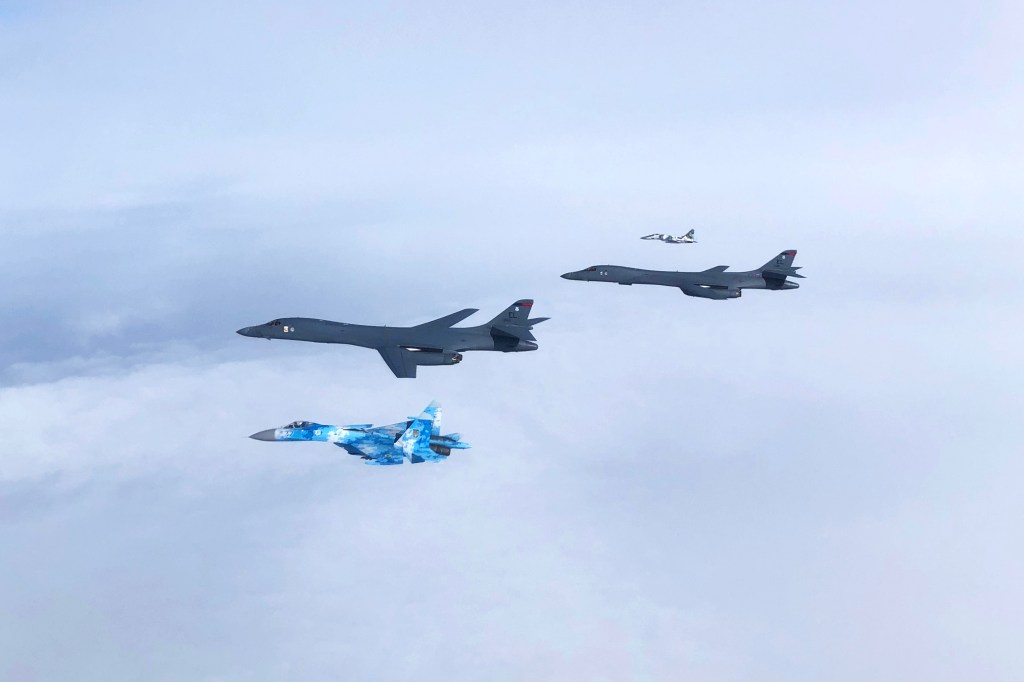
Ukraine should look to US for air defenses, improved air force, says former defense adviser
Experts in both Kyiv and Washington are wondering if the Biden administration is willing to share with Ukraine’s military.
-
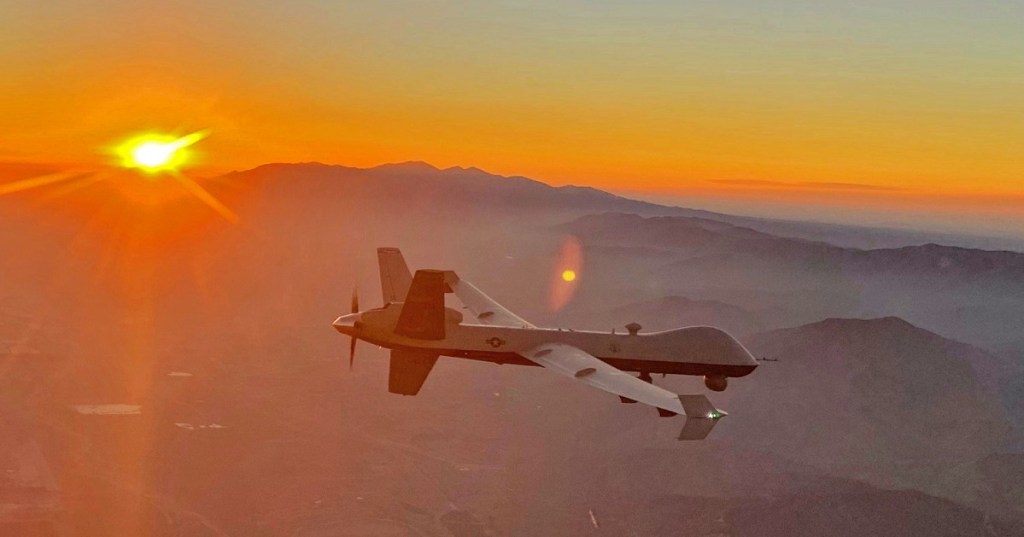
Senators show support for increasing US Southern Command intelligence assets
SOUTHCOM wants more ISR, but does it have to come from physical platforms?
-
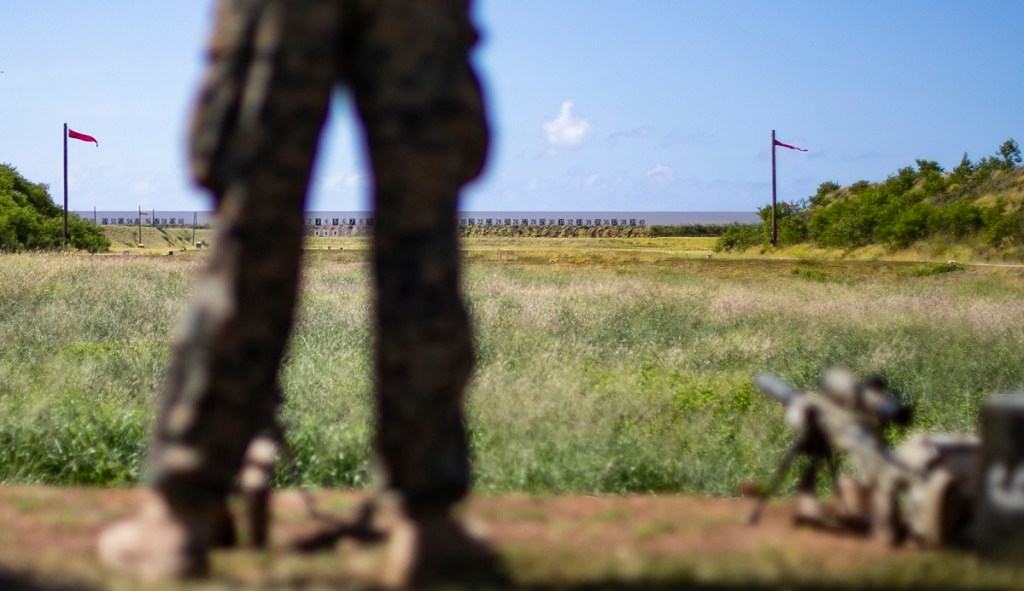
Marine Corps looks to stabilize shore at sinking Hawaii range
The Hawaii range is just one Marine property forced to consider construction projects in the wake of rising sea levels.
-

America needs new mechanisms to compete with China in space
At the strategic level, China is blending civil, defense and commercial segments to advance its access to and capabilities in space. While other countries, including the U.S., talk about blurring these lines, China is already doing so, enabled in part by its command economy.
-
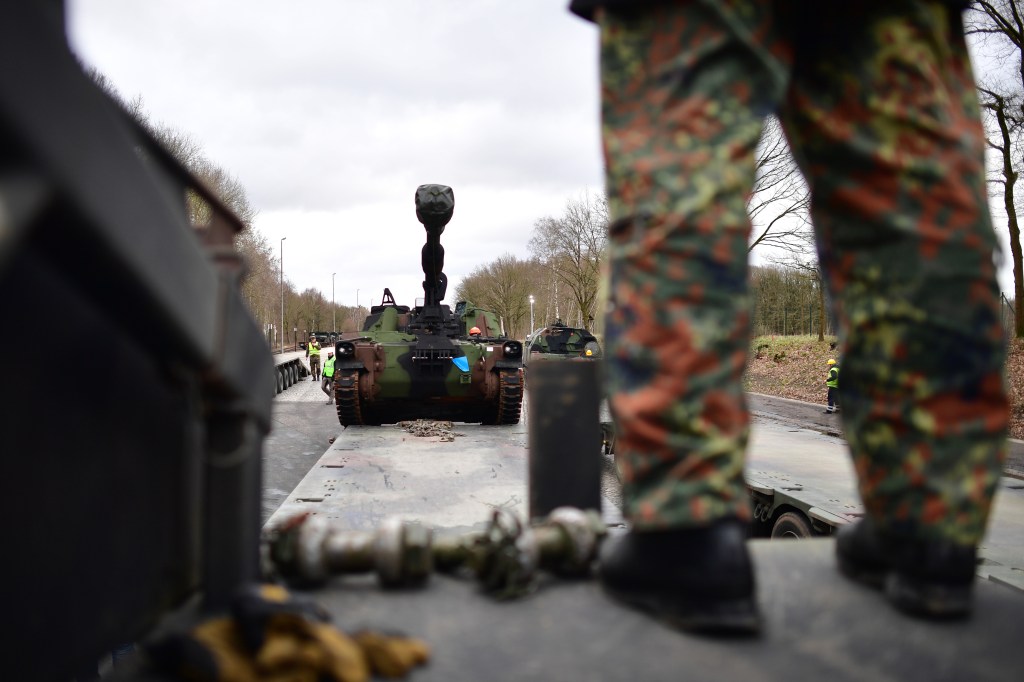
US-EU cooperation pitch on military mobility gets positive response
The United States could get a foot in the door of the European Union’s PESCO defense cooperation scheme.
-
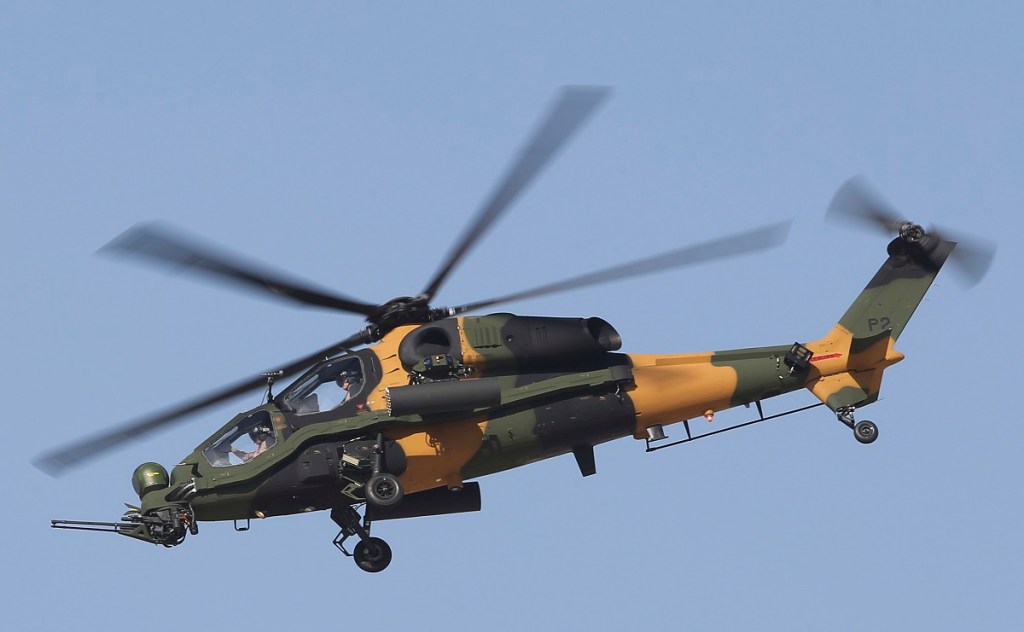
Pakistan extends delayed T129 helo deal with Turkey — again
A diplomatic row between the United States and Turkey is continuing to jeopardize a planned procurement by Pakistan.
-
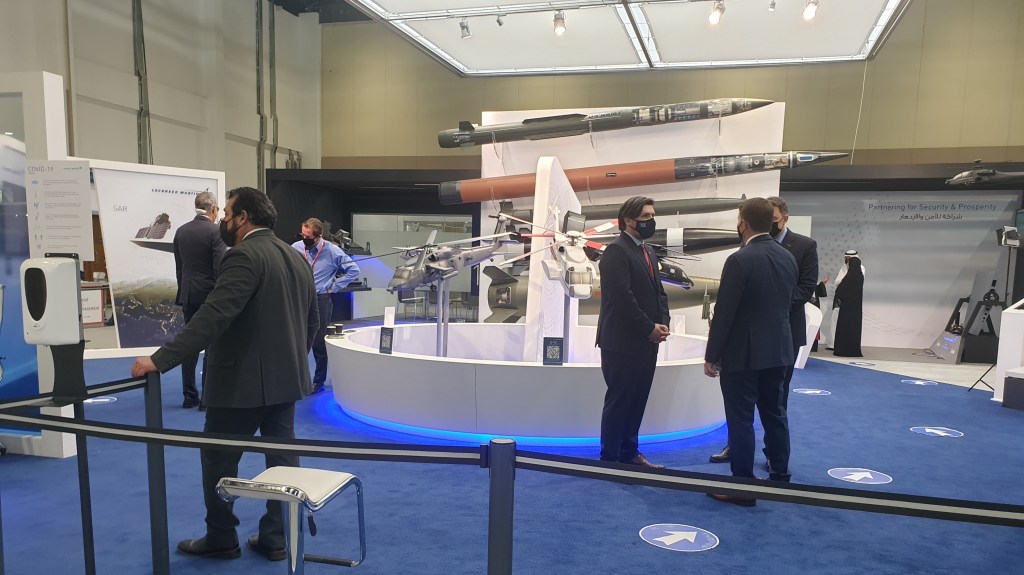
US increases dominance of global arms exports
America now accounts for 37 percent of global arms exports, almost double that of its closest competitor Russia, according to new information from SIPRI.
-
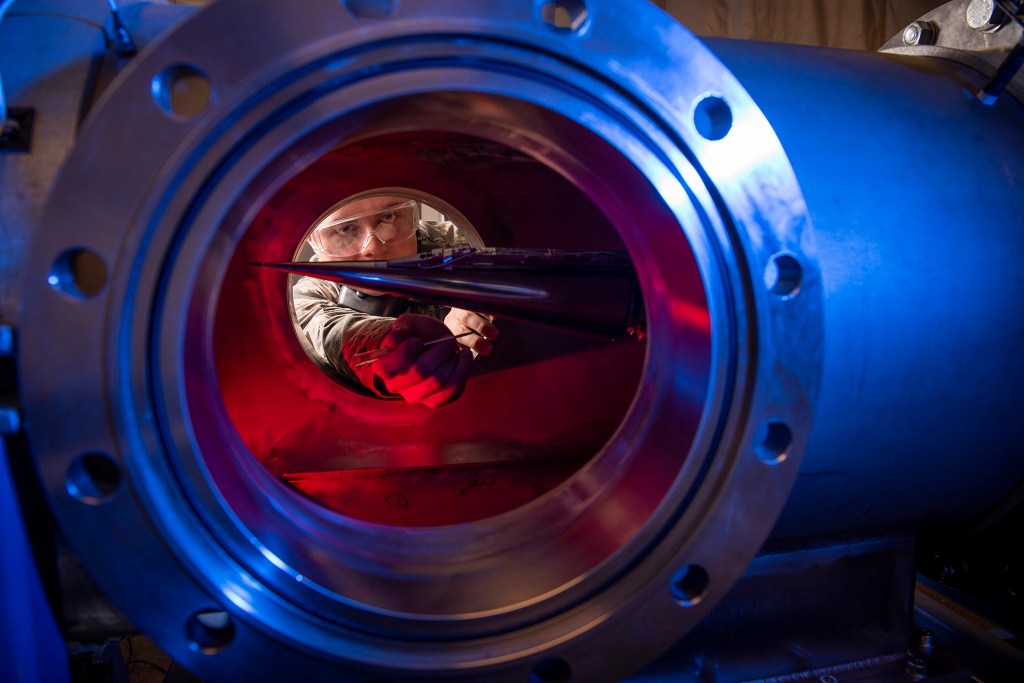
Where does NATO fit into the global hypersonic contest?
Alliance leaders are considering a coordinated role to stitch together the development efforts in the 30 member nations.
-
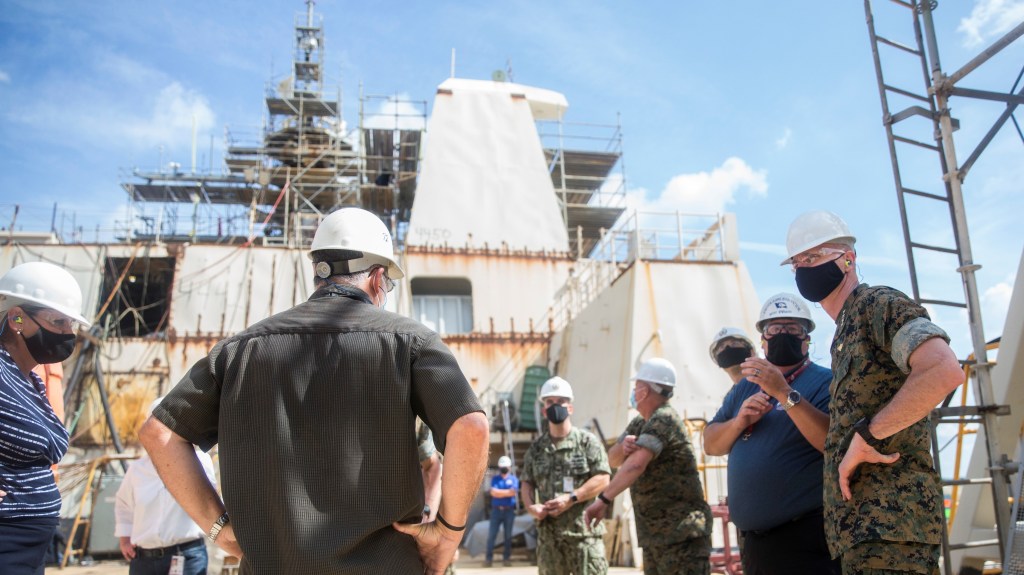
Chaos, cash and COVID-19: How the defense industry survived — and thrived — during the pandemic
A year into the pandemic, Defense News has measured its toll on the defense industry. The full scope of damage is complex and still coming into focus, but a broad outline is becoming clear.
-

Artificial intelligence leads NATO’s new strategy for emerging and disruptive tech
NATO and its member nations have formally agreed upon how the alliance should target and coordinate investments in emerging and disruptive technology.
-
Ukraine should look to US for air defenses, improved air force, says former defense adviser
Experts in both Kyiv and Washington are wondering if the Biden administration is willing to share with Ukraine’s military.
-
Senators show support for increasing US Southern Command intelligence assets
SOUTHCOM wants more ISR, but does it have to come from physical platforms?
-
Marine Corps looks to stabilize shore at sinking Hawaii range
The Hawaii range is just one Marine property forced to consider construction projects in the wake of rising sea levels.
-
America needs new mechanisms to compete with China in space
At the strategic level, China is blending civil, defense and commercial segments to advance its access to and capabilities in space. While other countries, including the U.S., talk about blurring these lines, China is already doing so, enabled in part by its command economy.
-
US-EU cooperation pitch on military mobility gets positive response
The United States could get a foot in the door of the European Union’s PESCO defense cooperation scheme.
-
Pakistan extends delayed T129 helo deal with Turkey — again
A diplomatic row between the United States and Turkey is continuing to jeopardize a planned procurement by Pakistan.
-
US increases dominance of global arms exports
America now accounts for 37 percent of global arms exports, almost double that of its closest competitor Russia, according to new information from SIPRI.
-
Where does NATO fit into the global hypersonic contest?
Alliance leaders are considering a coordinated role to stitch together the development efforts in the 30 member nations.
-
Chaos, cash and COVID-19: How the defense industry survived — and thrived — during the pandemic
A year into the pandemic, Defense News has measured its toll on the defense industry. The full scope of damage is complex and still coming into focus, but a broad outline is becoming clear.
-
Artificial intelligence leads NATO’s new strategy for emerging and disruptive tech
NATO and its member nations have formally agreed upon how the alliance should target and coordinate investments in emerging and disruptive technology.