-

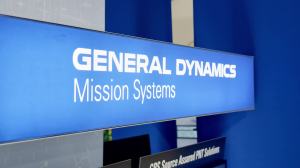
Artificial intelligence leads NATO’s new strategy for emerging and disruptive tech
NATO and its member nations have formally agreed upon how the alliance should target and coordinate investments in emerging and disruptive technology.
-

Air Force ‘doomsday’ planes moved to Lincoln airport during Offutt runway replacement
The E-4B Nighwatch aircraft serve as aerial command centers for top military officials in case of a catastrophic national emergency, such as a nuclear attack.
-
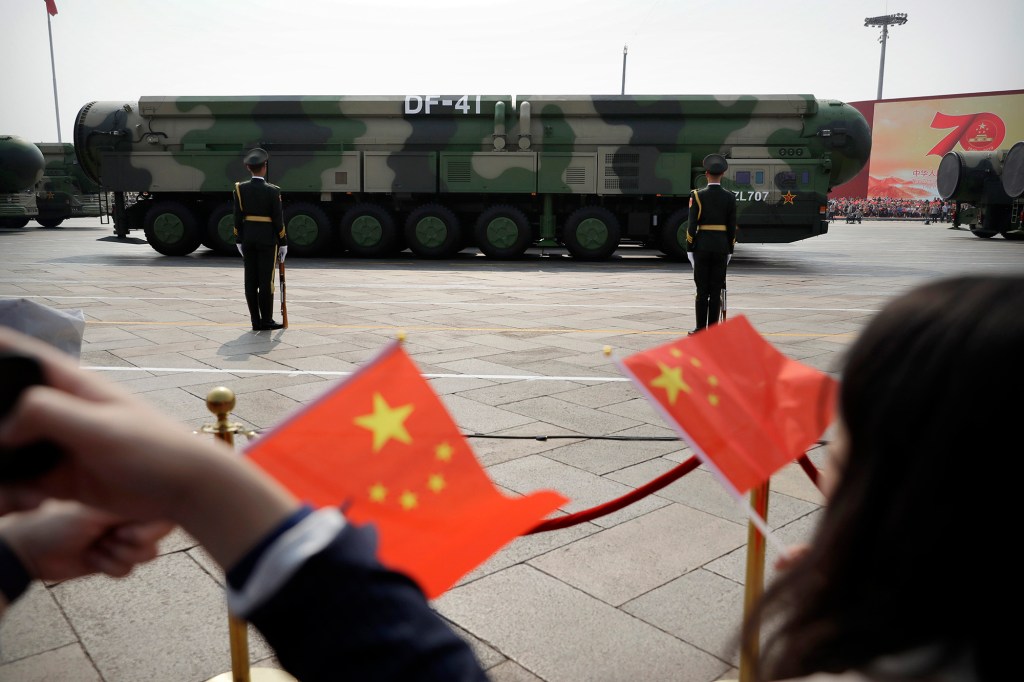
When it comes to China’s nuclear weapons, numbers aren’t everything
Nuclear risks between the United States and China manifest differently than those of the past U.S.-Soviet nuclear competition, or that of the United States and Russia today.
-

The rare earths crisis requires more than free markets
Relying on the free market to solve the rare earth supply chain issue is an approach we’ve tried before that failed miserably. Suggesting we do it again doesn’t acknowledge the critical national security risks involved with such a strategy.
-
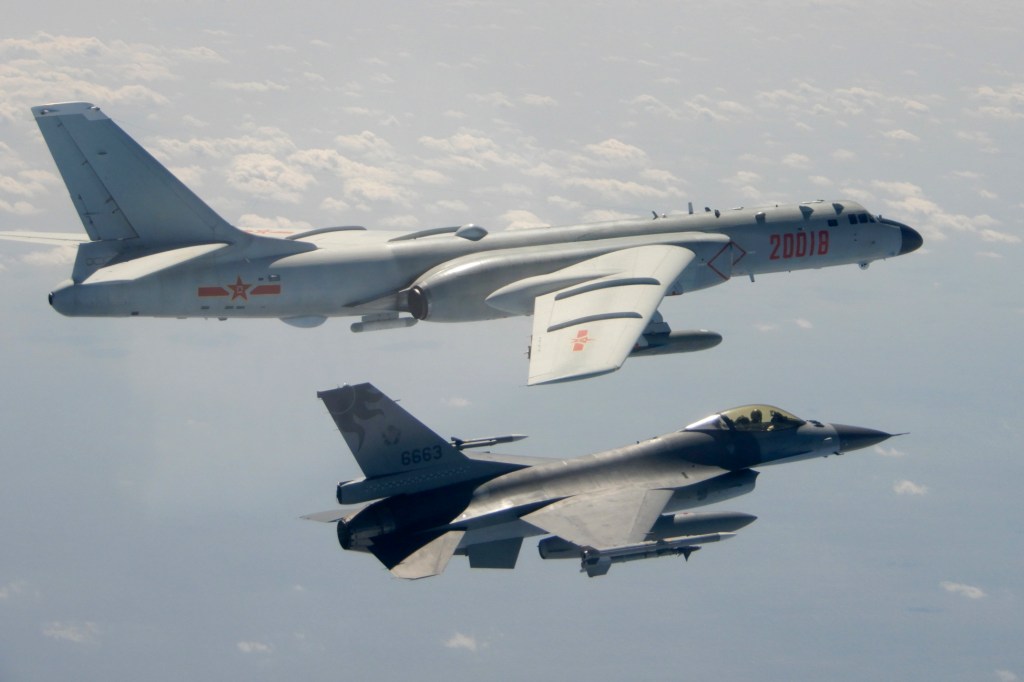
Give Taiwan ‘consistent’ arms sales, says US regional commander
“In and around Taiwan over the last several months we’ve seen an uptick in air activity,” said Adm. Phillip Davidson.
-
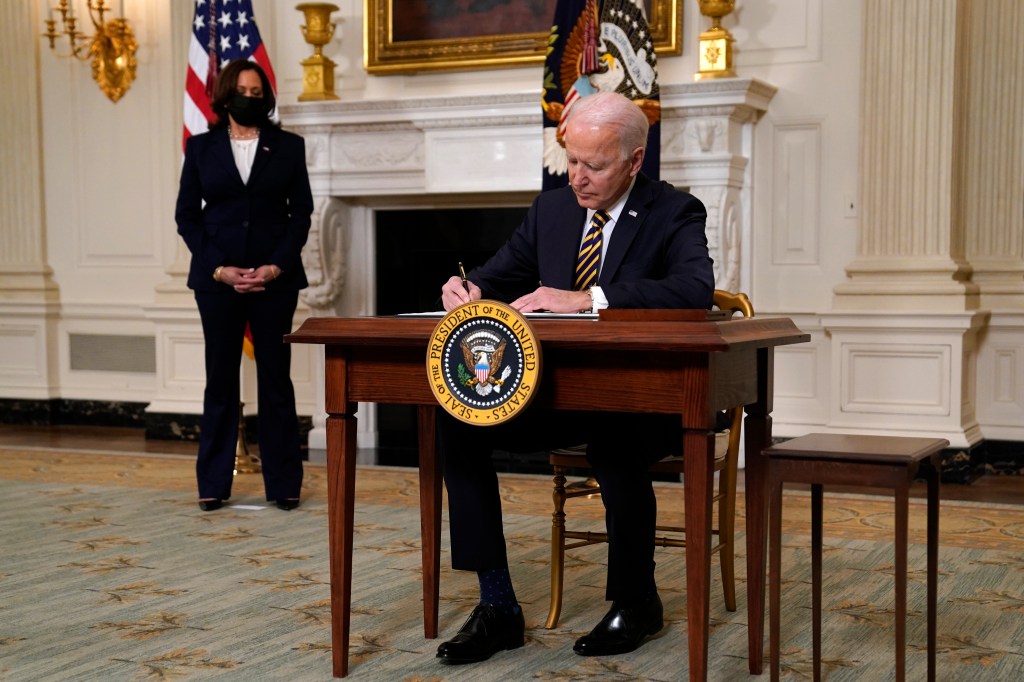
Biden signals support to replace war power authority
The Biden administration announced its position after a bipartisan bill was introduced that would repeal the 1991 and 2002 authorizations for the wars in Iraq.
-

It’s time to rethink foreign military sales
As American companies pursue their efforts to arm much of the world, a record volume of defense exports has led to increasing humanitarian and strategic costs for the United States.
-

Tech policy is a matter of national security
Until the United States can access all of the best commercial products, it will continue to lose its advantage in areas where it should be increasing it.
-

Biden’s first budget should reduce nuclear excess
Current U.S. nuclear weapons policies exceed what is necessary for a credible nuclear deterrent and their financial costs are taking a growing toll.
-

Lawmakers propose check on Biden’s war powers
A bipartisan group of lawmakers have introduced legislation to repeal the 1991 and 2002 authorizations for the use of military force in the Middle East amid escalating tension between the U.S. and Iran.
-
Artificial intelligence leads NATO’s new strategy for emerging and disruptive tech
NATO and its member nations have formally agreed upon how the alliance should target and coordinate investments in emerging and disruptive technology.
-
Air Force ‘doomsday’ planes moved to Lincoln airport during Offutt runway replacement
The E-4B Nighwatch aircraft serve as aerial command centers for top military officials in case of a catastrophic national emergency, such as a nuclear attack.
-
When it comes to China’s nuclear weapons, numbers aren’t everything
Nuclear risks between the United States and China manifest differently than those of the past U.S.-Soviet nuclear competition, or that of the United States and Russia today.
-
The rare earths crisis requires more than free markets
Relying on the free market to solve the rare earth supply chain issue is an approach we’ve tried before that failed miserably. Suggesting we do it again doesn’t acknowledge the critical national security risks involved with such a strategy.
-
Give Taiwan ‘consistent’ arms sales, says US regional commander
“In and around Taiwan over the last several months we’ve seen an uptick in air activity,” said Adm. Phillip Davidson.
-
Biden signals support to replace war power authority
The Biden administration announced its position after a bipartisan bill was introduced that would repeal the 1991 and 2002 authorizations for the wars in Iraq.
-
It’s time to rethink foreign military sales
As American companies pursue their efforts to arm much of the world, a record volume of defense exports has led to increasing humanitarian and strategic costs for the United States.
-
Tech policy is a matter of national security
Until the United States can access all of the best commercial products, it will continue to lose its advantage in areas where it should be increasing it.
-
Biden’s first budget should reduce nuclear excess
Current U.S. nuclear weapons policies exceed what is necessary for a credible nuclear deterrent and their financial costs are taking a growing toll.
-
Lawmakers propose check on Biden’s war powers
A bipartisan group of lawmakers have introduced legislation to repeal the 1991 and 2002 authorizations for the use of military force in the Middle East amid escalating tension between the U.S. and Iran.