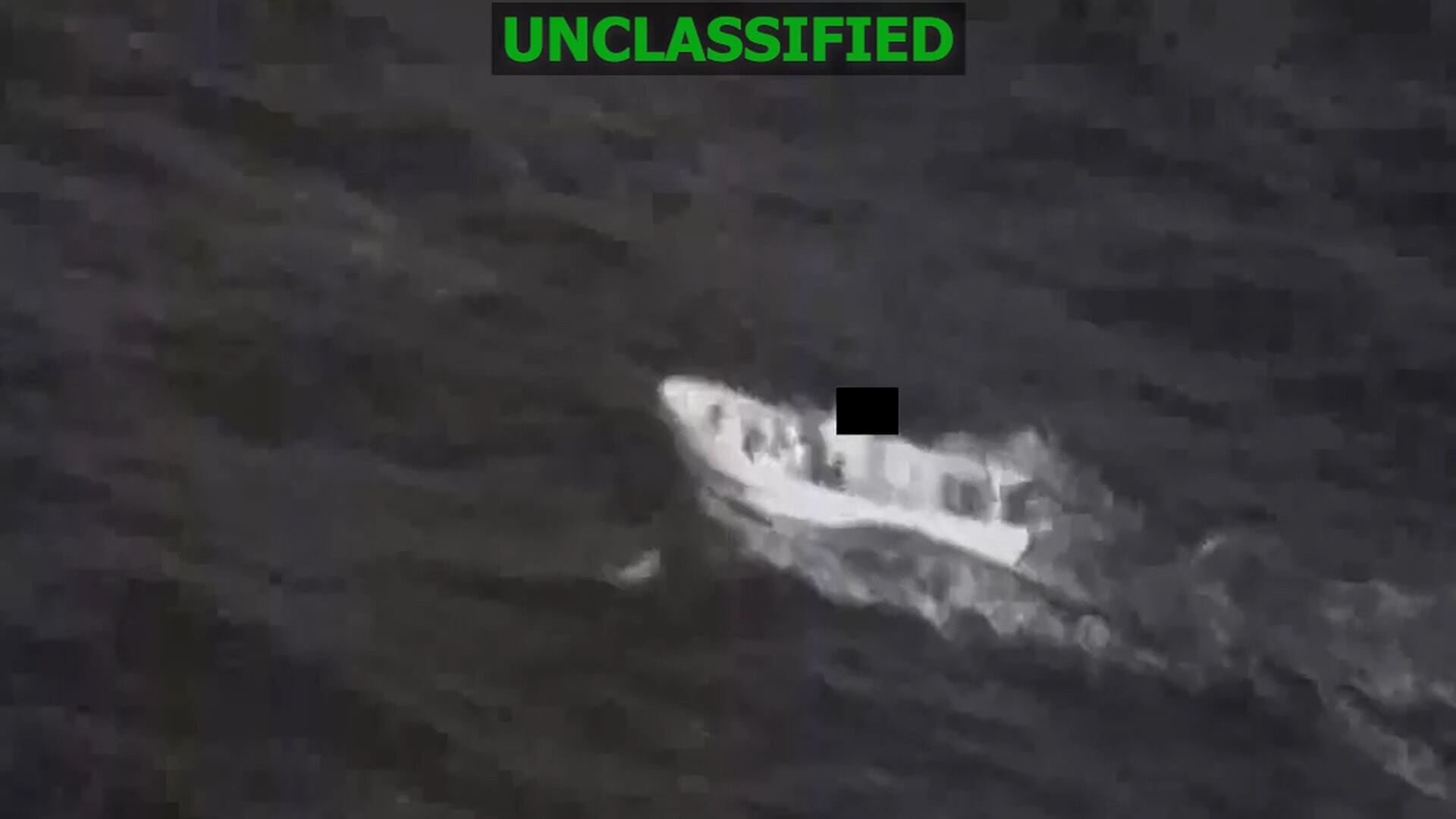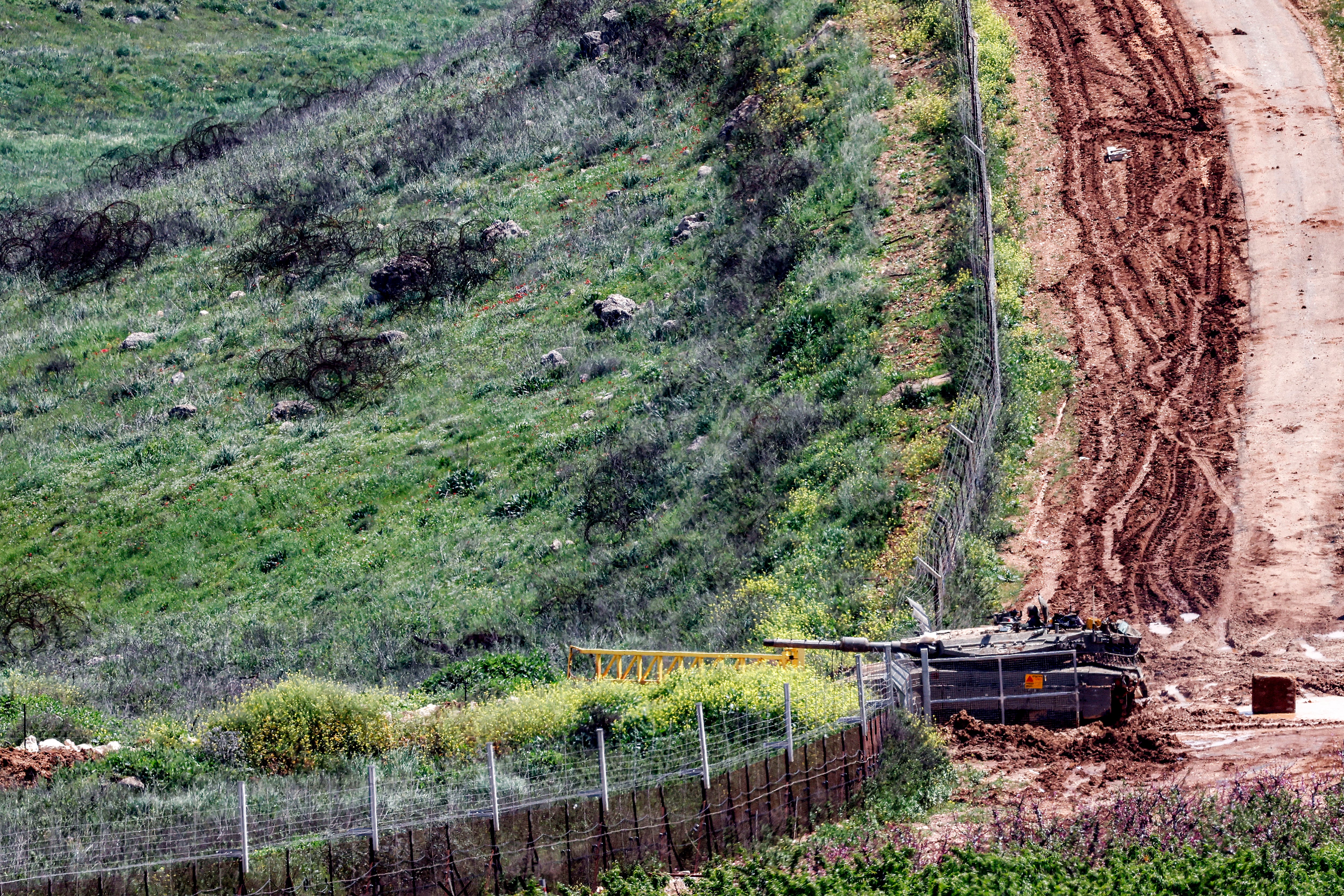
BEIRUT, Lebanon — Ukraine-style warfare came to Lebanon this week as Hezbollah started posting video taken from its suicide drones colliding with Israeli tanks rolling into the south of the country.
Israeli Defense Minister Israel Katz, for his part, promised to bring Israel’s Gaza modus operandi to Lebanon, as his country’s military, named the Israel Defense Forces, tries to carve out a “security zone” in the south.
The Israeli military will follow “the model of Rafah and Beit Hanoun,” he said, referring to two Gaza cities the IDF mostly destroyed.
The announcements promised a new type of warfare on an old battlefield: South Lebanon is now being invaded by Israel for the fifth time since 1978, this time in response to Hezbollah firing rockets into Israel on March 2 to protest the assassination of Iran’s supreme leader.
Katz has ordered the IDF to establish a “security zone” south of Lebanon’s Litani river — about 20 miles from the Israeli border — to stop Hezbollah firing rockets and missiles into northern Israel.
RELATED
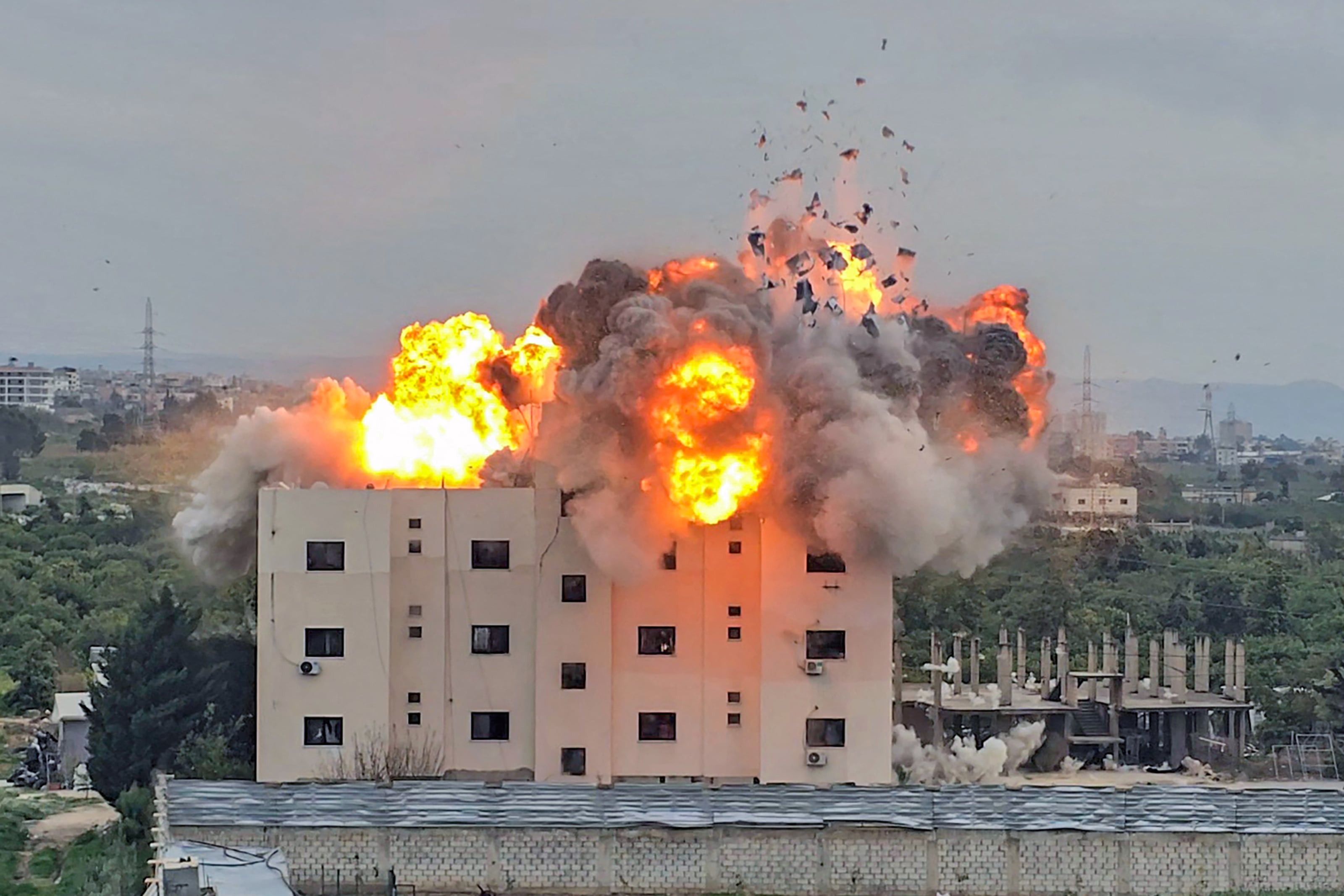
Meanwhile, Israel has pushed on with air strikes it says target Hezbollah officials and infrastructure and has ordered the zone evacuated, displacing 1.2 million people who have sought refuge further north.
The Iran-backed Hezbollah has meanwhile surprised Israel with the depth of its missile and rocket stocks as it continues to rain salvoes on northern Israel.
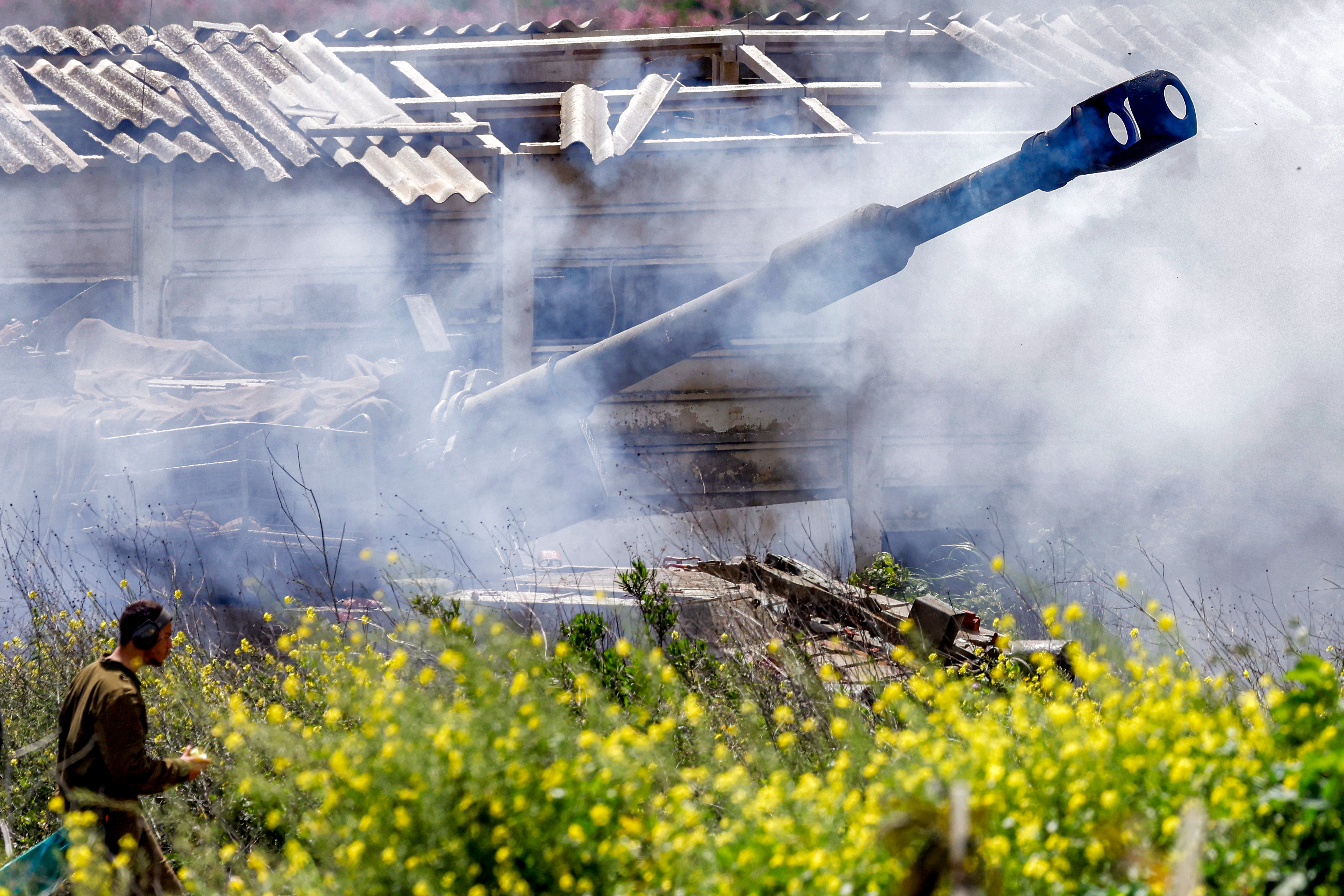
The IDF last entered Lebanon in 2024 after Hezbollah fired rockets to back Hamas in Gaza. Israel also killed Hezbollah leader Hassan Nasrallah in an airstrike and set off explosives it had smuggled into Hezbollah’s pagers, injuring 3,000.
Despite a ceasefire, Israel continued to bomb south Lebanon, targeting Hezbollah, yet on March 2, the Shia group appeared rearmed and ready to fight, prompting reports Iranian commanders had taken over training after Nasrallah’s death.
As Israeli tanks entered South Lebanon, the group adopted new guerilla tactics, operating in small cells which attacked Merkava tanks with Russian Kornet and Iranian Almas anti-tank weapons - the latter a reverse engineered version of the Israeli Spike.
Rather than trying to hold a defensive line, Hezbollah fighters have moved in to strike, then melted away in the hilly terrain they know well, hoping to claim Israeli casualties.
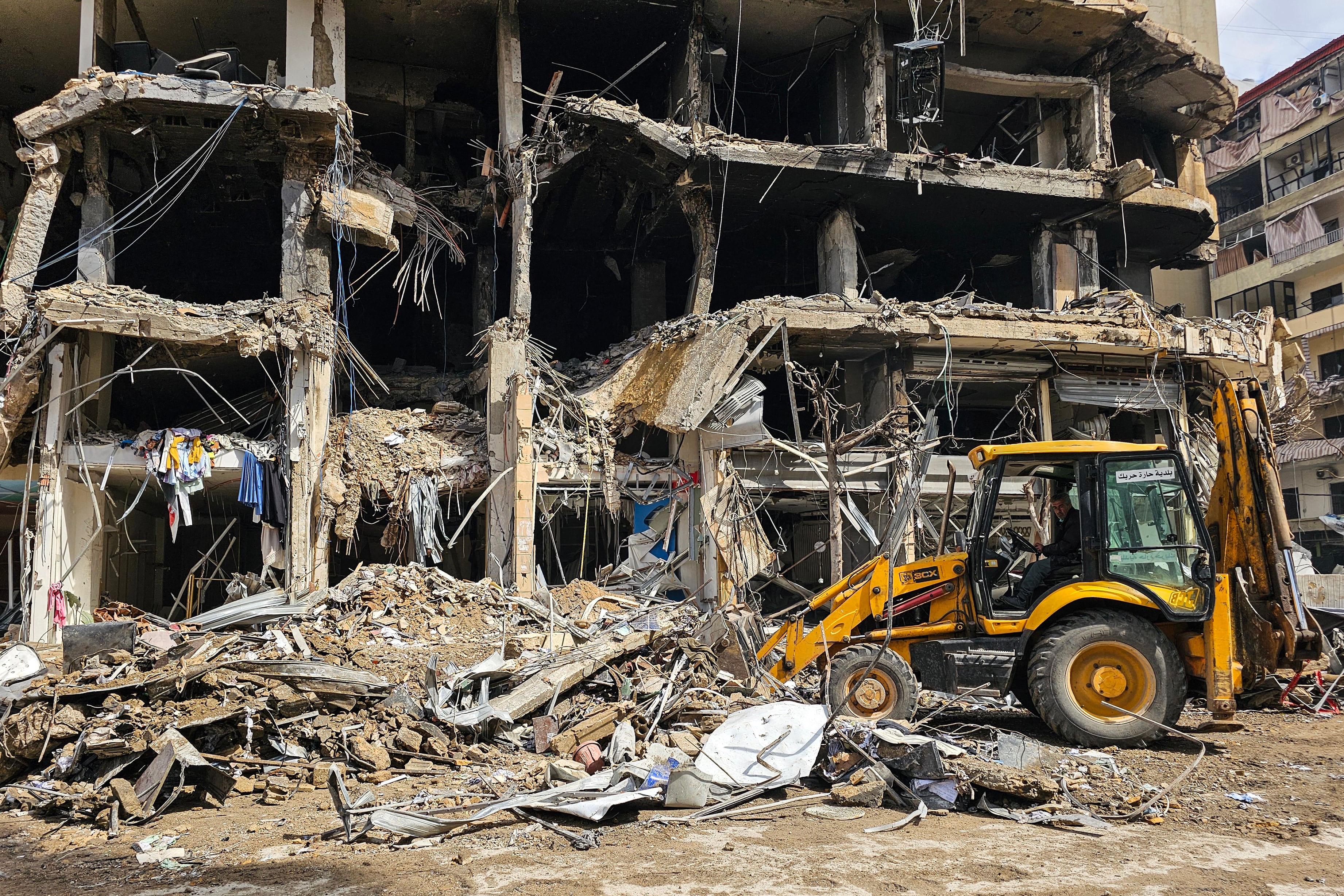
On Thursday Hezbollah said it had destroyed or disabled 20 tanks.
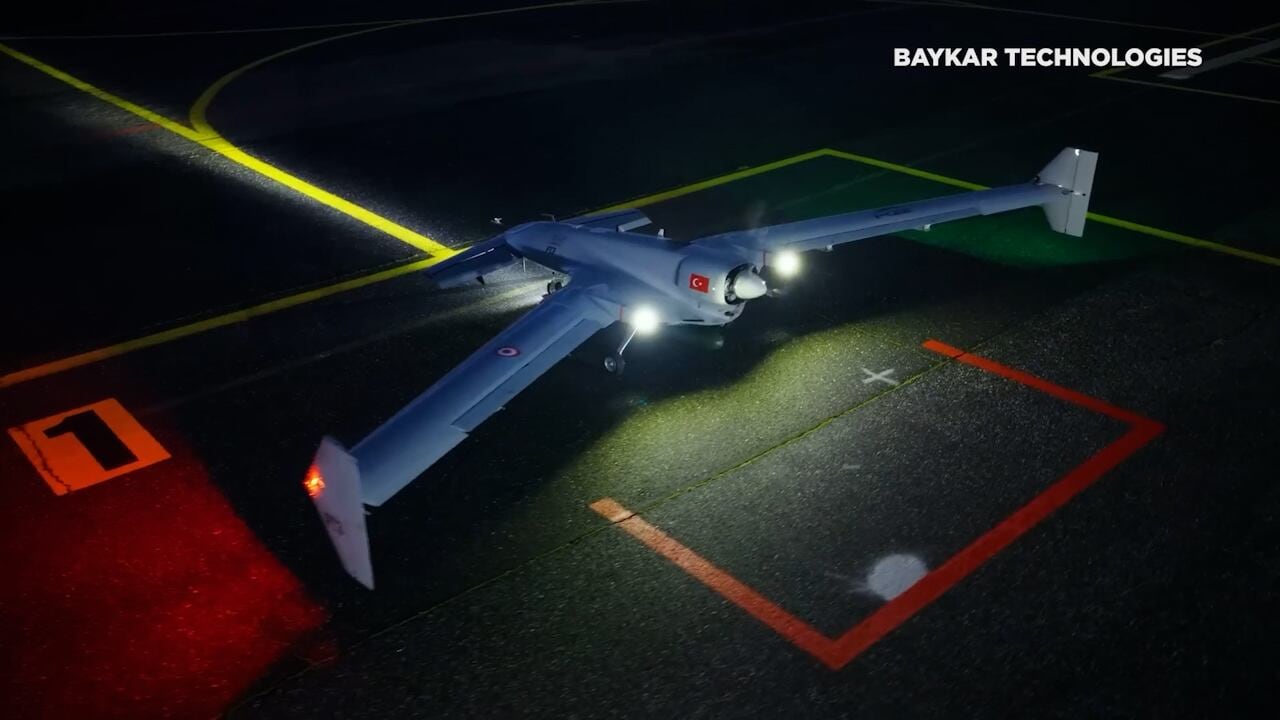
This week the group posted video taken from suicide drones hitting Merkavas, a technique copied from the Ukrainian military which appears designed to score a PR victory.
This week the IDF said Hezbollah had launched 600 rockets, missiles and drones in a 24-hour period, up from its previous daily average of 100 - with strikes against Israeli military in Lebanon as well as civilian targets in northern Israel.
The IDF advance nevertheless appeared underway on Friday, with reports of new villages taken, ever closer to the Litani.
Israel has reportedly launched over 7,000 drone, missile and air strikes into Lebanon since March 2, and has said it has killed 700 Hezbollah fighters in that time.
Not all missile damage has been in southern Lebanon. On Tuesday, missile fragments fell in the Jounieh area north of Beirut, far from the fighting.
In a statement, the Lebanese army said the fragments came from a “guided ballistic missile of the ‘Qadr-110′ type, of Iranian manufacture, approximately 16 meters long with a range of about 2,000 km, and it carried several small sub-munitions.”
The incident sparked concern since Lebanon has been spared Iranian missile attacks, unlike Gulf states, possibly because its regional ally Hezbollah is active in Lebanon.
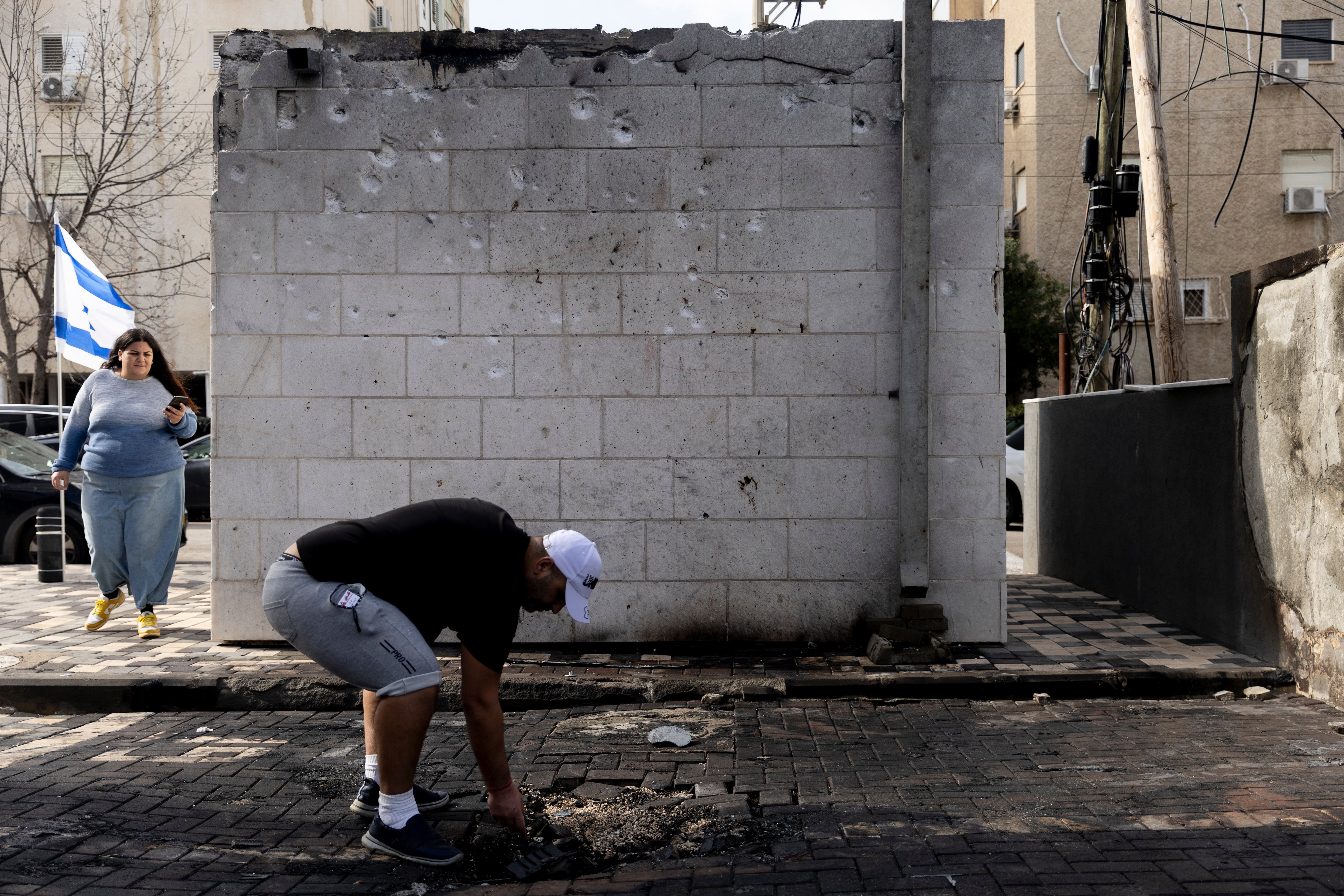
But the army said the Iranian missile was not aimed at Lebanon.
“The missile exploded at a high altitude, which suggests that its intended target was outside Lebanese territory. As for the cause of the explosion, it may have been due to a technical malfunction or the result of an intercepting missile.”
That led to speculation the missile was headed to Cyprus, and was downed by a navy vessel, possibly American, in the Mediterranean.
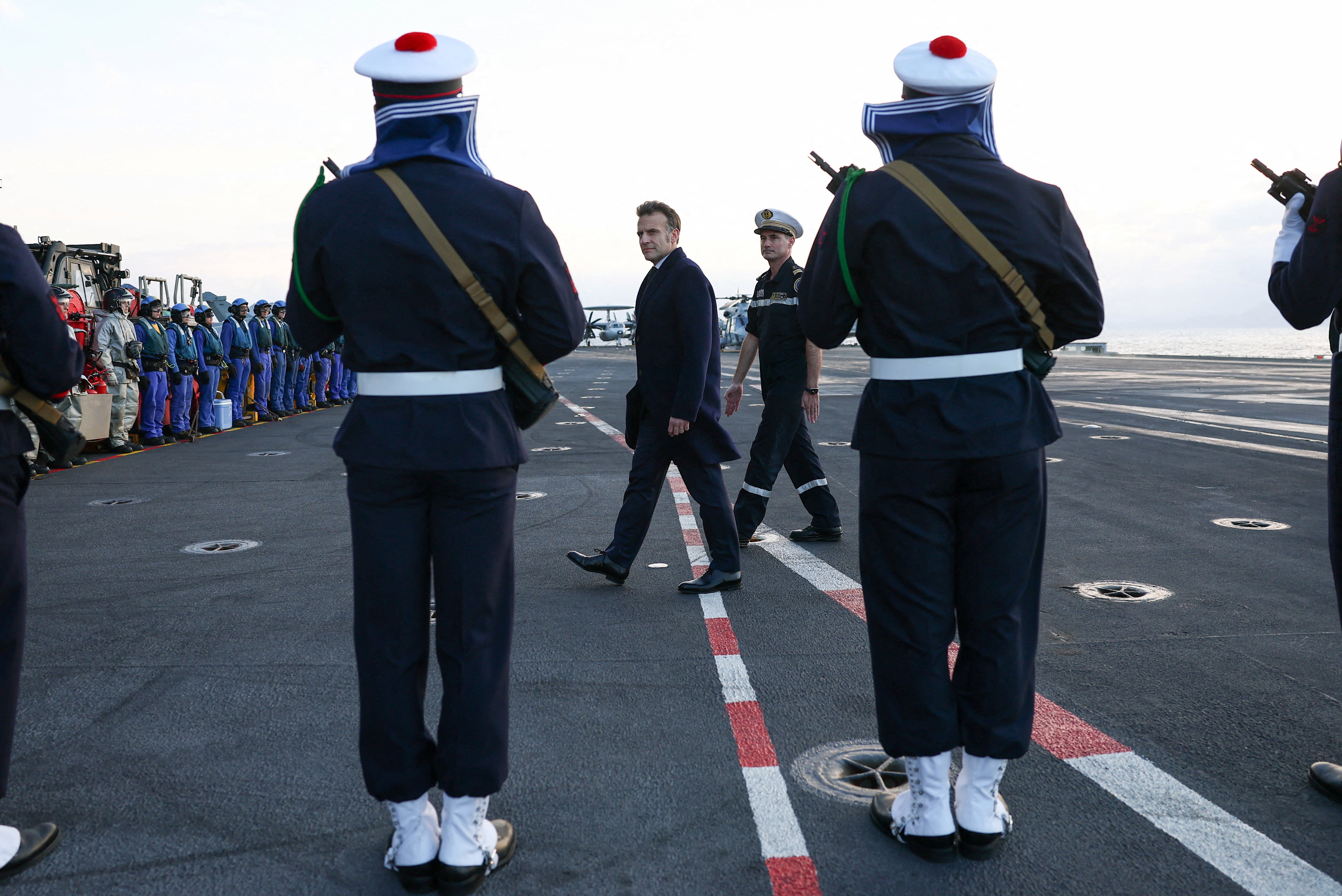
When an Iranian drone struck the U.K. RAF Akrotiri air base in Cyprus on March 2, France, the U.K. and Italy all sent naval vessels to protect the island, which is part of the European Union.
RELATED
Khaled Hamadi, a retired Lebanese army general, said he believed the missile had instead been aimed at the U.S. embassy in Lebanon, which is close to Jounieh. He noted that it was fired shortly after Lebanon announced it was expelling the Iranian ambassador to Lebanon, who is accused of liaising with Hezbollah.
“It could have been a response by Iran to the expelling of its ambassador,” Hamadi said.
He added that the altitude of the missile when it broke up did not necessarily mean it was heading out of Lebanon. “Ballistic missiles fall vertically to their targets, so the target could easily have been in Lebanon,” he said.
Tom Kington is the Italy correspondent for Defense News.