-

US expected to send medium-range rocket systems to Ukraine
The Biden administration is expected to announce it will send Ukraine a small number of high-tech, medium range rocket systems, U.S. officials said Tuesday.
-

Time is now to reconsider autonomous weapons rules, Horowitz says
Michael Horowitz regards directive 3000.09 as “the world’s first policy statement on autonomous weapon systems,” a “remarkable document in many ways.”
-

With food crisis looming, Milley says using military to end Russian blockade would be ‘high risk’
Amid mounting calls to break Russia’s blockade of Ukraine’s Black Sea ports for grain exports, America’s top military officer said that to do so militarily would amount to a “high risk military operation.”
-
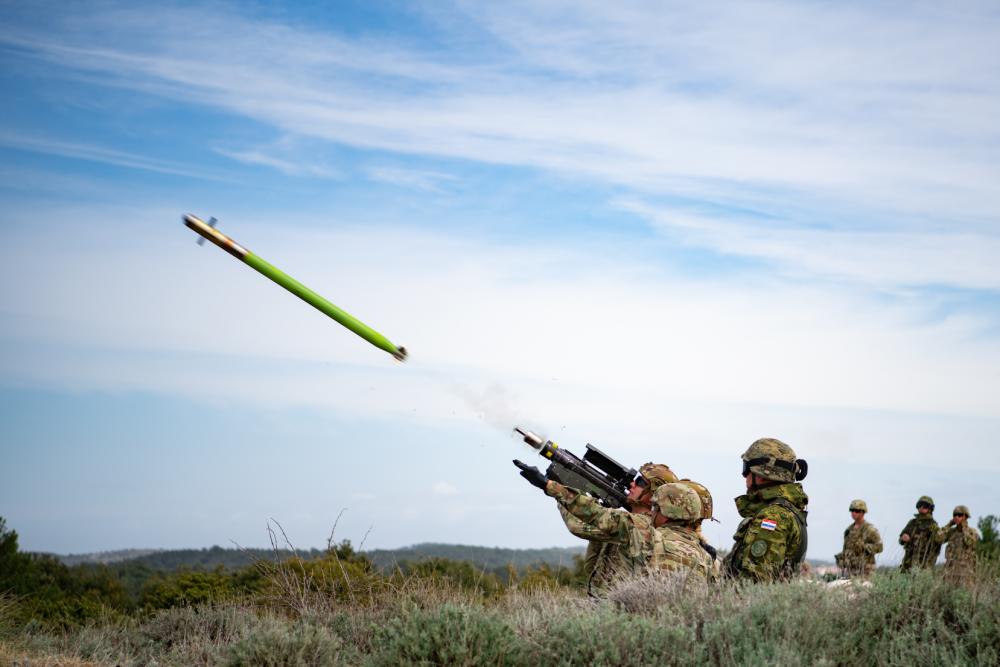
US Army signs deal to backfill Stingers sent to Ukraine
Raytheon has netted a contract to build Stinger anti-aircraft missiles to replace those the U.S. military sent to Ukraine.
-

AI less about ‘killer robots,’ more about Pentagon transformation, Groen says
“Implementation in the department, of course, is always a challenge,” the director said, “as new technology meets legacy processes, legacy organizations and legacy technology.”
-

Key senator eyes clean energy provisions in defense authorization bill
A key senator on the Armed Services Committee is introducing legislation to strengthen emissions reduction targets at the world’s largest institutional consumer of fossil fuels: the Defense Department.
-

Ukraine to get Harpoon anti-ship missiles from Denmark amid Russian Black Sea blockade
Denmark will arm Ukraine with with modern Harpoon anti-ship missiles to protect its coasts, Defense Secretary Lloyd Austin said Monday after concluding the latest U.S.-led meeting of international defense chiefs to coordinate military aid for Ukraine.
-
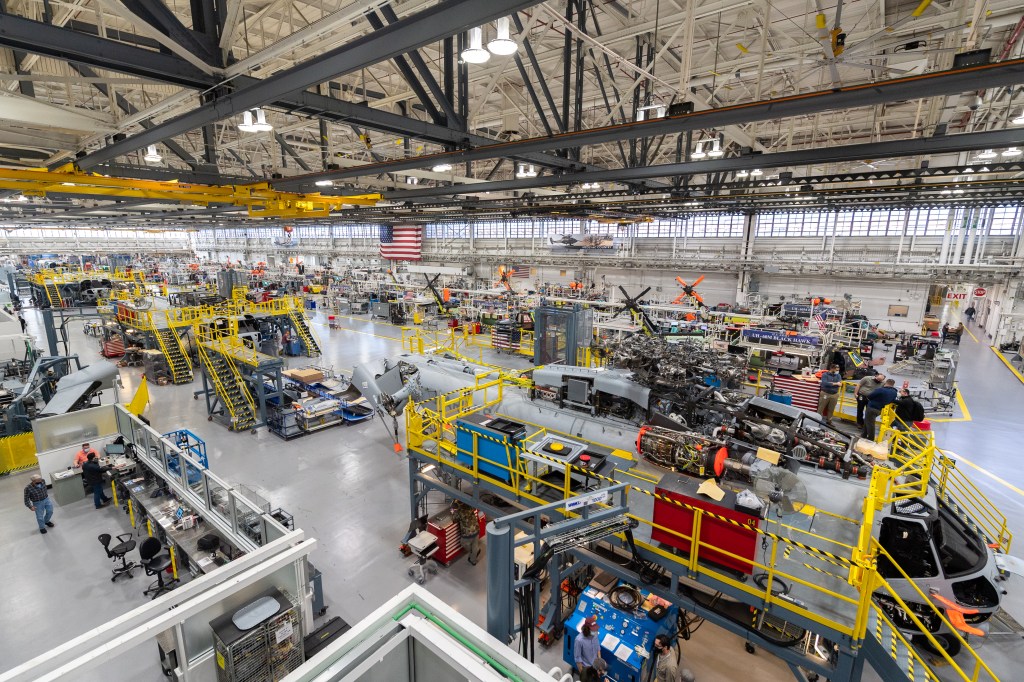
Congress and Pentagon seek to shore up strategic mineral stockpile dominated by China
Congress has repeatedly authorized multi-million-dollar sell-offs of the U.S. strategic minerals stockpile over the past several decades, but Washington’s increased anxiety over Chinese domination of resources critical to the defense industrial base has prompted lawmakers to reverse course and shore up the reserve.
-

More nations expected to sign up for Pentagon’s Ukraine aid group
A group of international defense chiefs convened by U.S. Defense Secretary Lloyd Austin to coordinate military aid for Ukraine is likely to be larger when it meets for the second time on Monday.
-

Pentagon making progress on cybersecurity amid challenges, watchdog says
“Safeguarding federal computer systems has been a longstanding concern,” the GAO wrote in a May 19 memo to congressional committees, noting cybersecurity has been “on our high-risk list since 1997.”
-
US expected to send medium-range rocket systems to Ukraine
The Biden administration is expected to announce it will send Ukraine a small number of high-tech, medium range rocket systems, U.S. officials said Tuesday.
-
Time is now to reconsider autonomous weapons rules, Horowitz says
Michael Horowitz regards directive 3000.09 as “the world’s first policy statement on autonomous weapon systems,” a “remarkable document in many ways.”
-
With food crisis looming, Milley says using military to end Russian blockade would be ‘high risk’
Amid mounting calls to break Russia’s blockade of Ukraine’s Black Sea ports for grain exports, America’s top military officer said that to do so militarily would amount to a “high risk military operation.”
-
US Army signs deal to backfill Stingers sent to Ukraine
Raytheon has netted a contract to build Stinger anti-aircraft missiles to replace those the U.S. military sent to Ukraine.
-
AI less about ‘killer robots,’ more about Pentagon transformation, Groen says
“Implementation in the department, of course, is always a challenge,” the director said, “as new technology meets legacy processes, legacy organizations and legacy technology.”
-
Key senator eyes clean energy provisions in defense authorization bill
A key senator on the Armed Services Committee is introducing legislation to strengthen emissions reduction targets at the world’s largest institutional consumer of fossil fuels: the Defense Department.
-
Ukraine to get Harpoon anti-ship missiles from Denmark amid Russian Black Sea blockade
Denmark will arm Ukraine with with modern Harpoon anti-ship missiles to protect its coasts, Defense Secretary Lloyd Austin said Monday after concluding the latest U.S.-led meeting of international defense chiefs to coordinate military aid for Ukraine.
-
Congress and Pentagon seek to shore up strategic mineral stockpile dominated by China
Congress has repeatedly authorized multi-million-dollar sell-offs of the U.S. strategic minerals stockpile over the past several decades, but Washington’s increased anxiety over Chinese domination of resources critical to the defense industrial base has prompted lawmakers to reverse course and shore up the reserve.
-
More nations expected to sign up for Pentagon’s Ukraine aid group
A group of international defense chiefs convened by U.S. Defense Secretary Lloyd Austin to coordinate military aid for Ukraine is likely to be larger when it meets for the second time on Monday.
-
Pentagon making progress on cybersecurity amid challenges, watchdog says
“Safeguarding federal computer systems has been a longstanding concern,” the GAO wrote in a May 19 memo to congressional committees, noting cybersecurity has been “on our high-risk list since 1997.”