-

Pacific force’s wish list seeks $11 billion more than defense proposal
Indo-Pacific Command says it faces an $11 billion funding gap for regional military construction, space programs, munitions and Guam missile defenses.
-
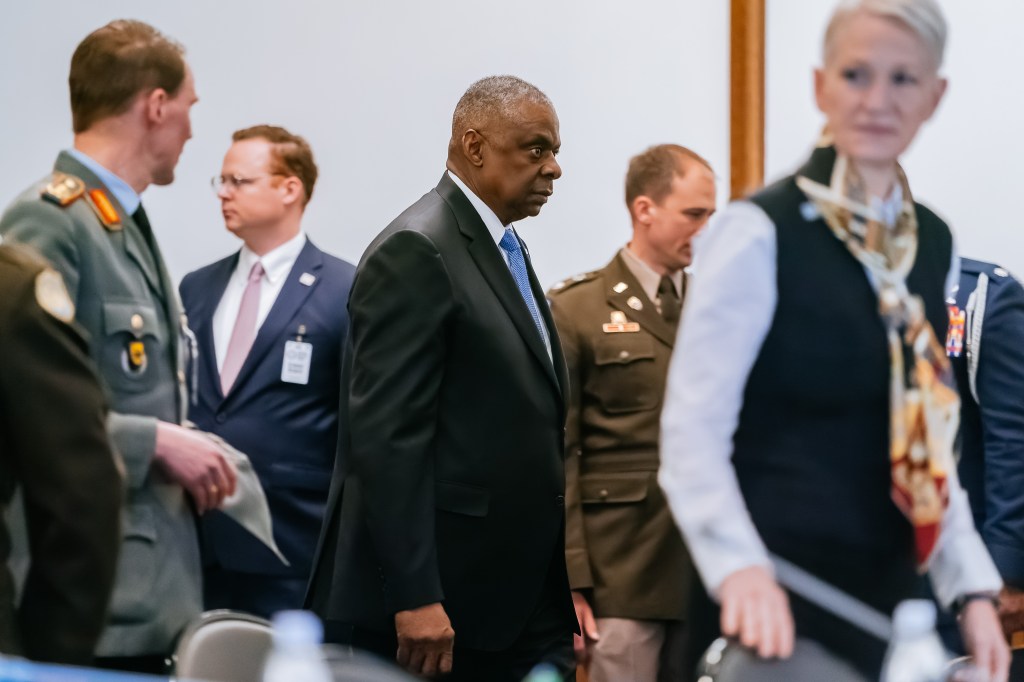
With pause in US aid, Ukraine’s allies rally to ponder what’s next
America helped bring together more than 50 countries in support of Ukraine two years ago. But the group faces headwinds.

Featured:
Pentagon
Defense News offers premier news and analysis of Pentagon policy affecting defense programs to keep military and industry decision-makers informed.
-
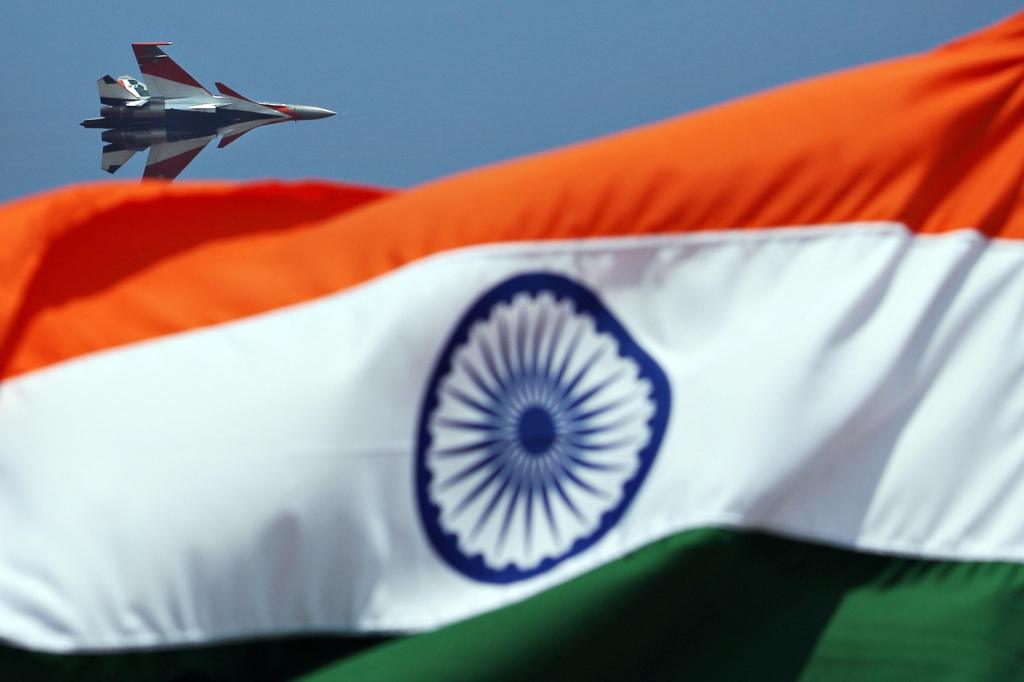
Russia Allows Companies to Work With India to Supply Weapon Spares
Russia has agreed to allow its defense companies to forge direct ties with Indian defense companies to supply, service and jointly manufacture spares for use by Indian defense forces.
-
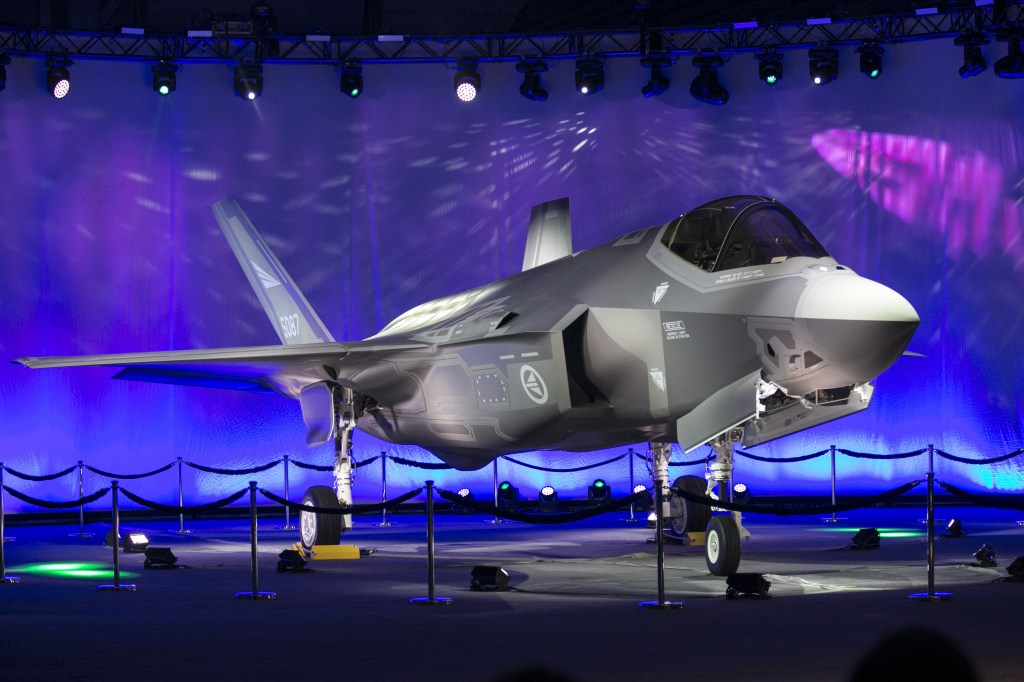
Norwegian Defense Companies Hope to Benefit From F-35 Program Deals
Norway’s two largest defense companies, Kongsberg and Nammo, are hoping to realize subcontracting gains from Norway’s F-35 acquisition program and use this platform to raise their manufacturing profiles and bolster sales globally.
-

Sweden Backs Industry for Export Growth in Asia
Saab is refocusing resources in a determined push to sell more big-ticket defense systems, including fighter and surveillance aircraft, to Asian militaries. Aiding the company is the Swedish government’s revitalized policy of connecting interstate trade and defense agreements with defense exports.
-
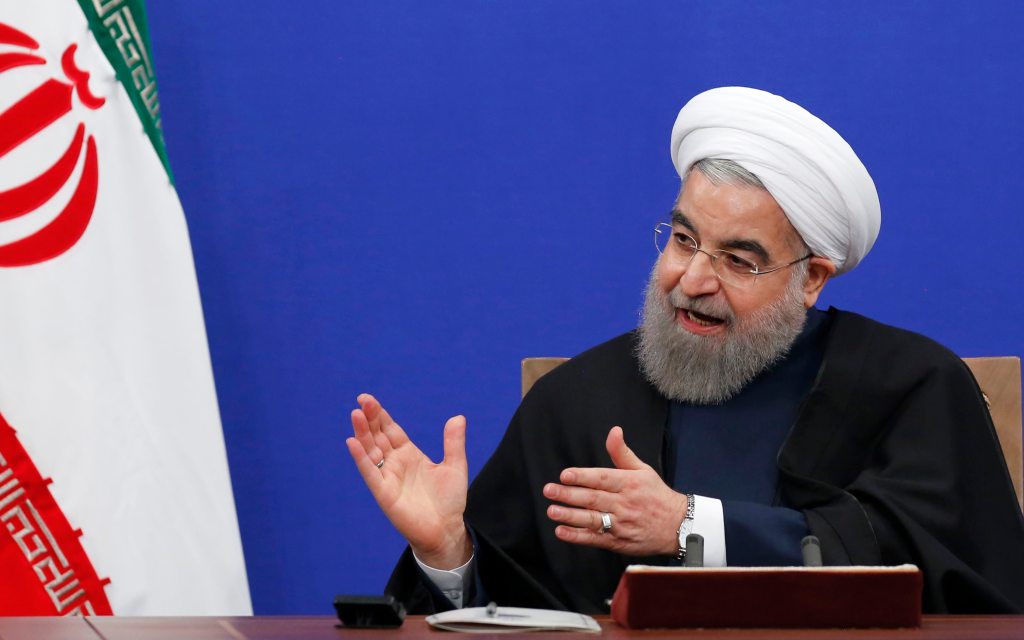
Experts Wary As World Praises Iran for Honoring Terms of Nuclear Deal
Nonproliferation experts are warning that world praise conferred on Iran for abiding by terms of a landmark nuclear deal are premature.
-
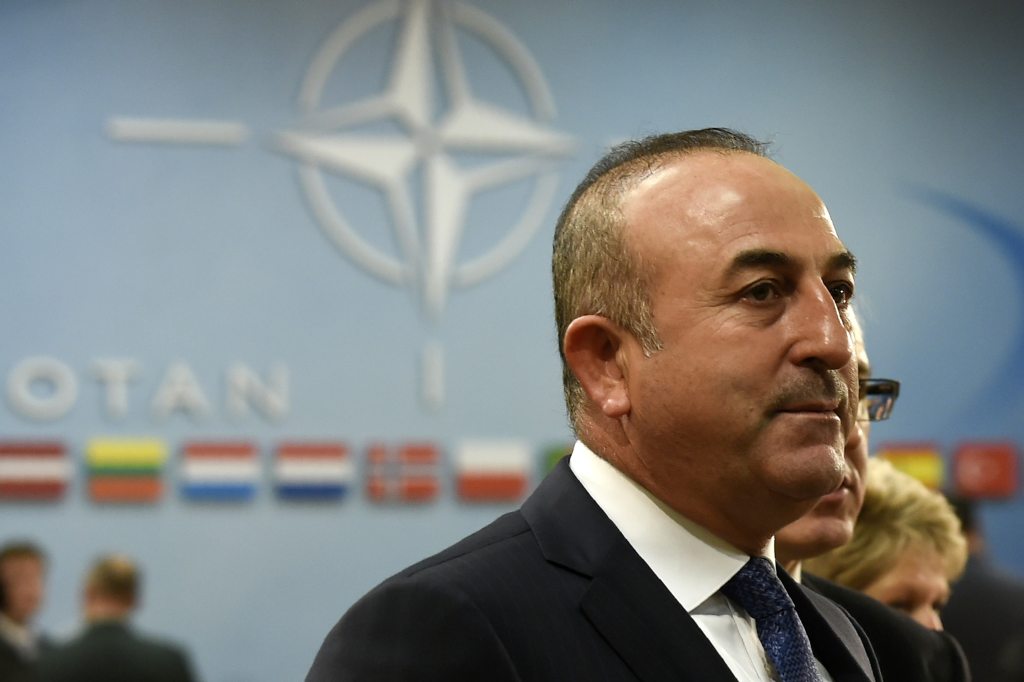
Turkey Launches ‘Aggressive’ Defense Export Campaign
The Turkish government has pressed the launch button for an “aggressive” campaign to give a boost to local industry’s exports to existing and new markets.
-

Syria: The Bottom Line of Political Accommodation
Marginalizing a regime whose private interests have brought Syria to ruin is the inescapable prerequisite for political accommodation in Syria.
-

Indian Military Is Said to Revise Its War Doctrine
India is likely to revisit the Cold Start doctrine, which foresees short, intense and quick wars with neighboring Pakistan and China against the backdrop of terrorism and nuclear threats.
-
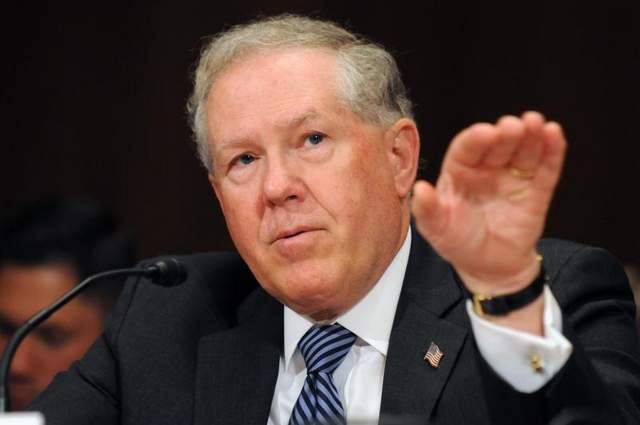
Outgoing Weapons Chief Pleads His Case for Incremental Change to Acquisition Process
In his final speech, the Pentagon’s outgoing acquisition chief slammed Congress for recent efforts to improve the weapons buying process, saying that changes to policy would likely only create more bureaucracy.
-

John McCain Has A Big-League Defense Buildup, Too
President-elect Donald Trump says he wants a military buildup, and Senate Armed Services Chairman John McCain has a plan to do it — and it would cost $430 billion more than current plans over five years.
-

Bob Work Confirms He’s Staying, at Least for the Short Term
The deputy secretary of defense will remain in the job during the transition.