-

What’s next for the Bonhomme Richard warship?
Now that the secretary of the Navy has concluded the fire damage from the four-day fire is so extensive that the amphibious assault ship Bonhomme Richard cannot be repaired, what is next?
-

NATO needs a strategy for emerging and disruptive technologies
As U.S. and European leaders set their collective agenda at the next NATO summit, a top priority should be establishing a NATO framework for emerging and disruptive technologies.
-

Counterterrorism setback: ‘Armed Overwatch’ is stalled again
U.S. forces need Congress and the Pentagon to work together to aggressively acquire an effective and affordable approach to counterterrorism.
-

How to maintain Israel’s qualitative military edge in a changing Middle East
An updated and balanced bilateral policy can enable Israel’s new peace partners to benefit from the diplomatic process they have entered, while minimizing erosion of Israel’s QME.
-

There should be no doubt about Michele Flournoy for defense secretary
The primary criterion for assessing any nomination for secretary of defense is whether the nominee has the experience, competence and steadfastness to oversee the most powerful military and the wide-ranging defense establishment that supports it.
-

Why the Pentagon must think harder about inadvertent escalation
The conventional capabilities that have enabled the U.S. to reduce its reliance on nuclear weapons have also increased the risk of misperception that could spark a nuclear war.
-

Cross-agency plans for space cybersecurity will strengthen the US in all domains
Just as cybersecurity has become an integrated element of terrestrial goods and services, the same level of resiliency and safeguards must apply in space.
-
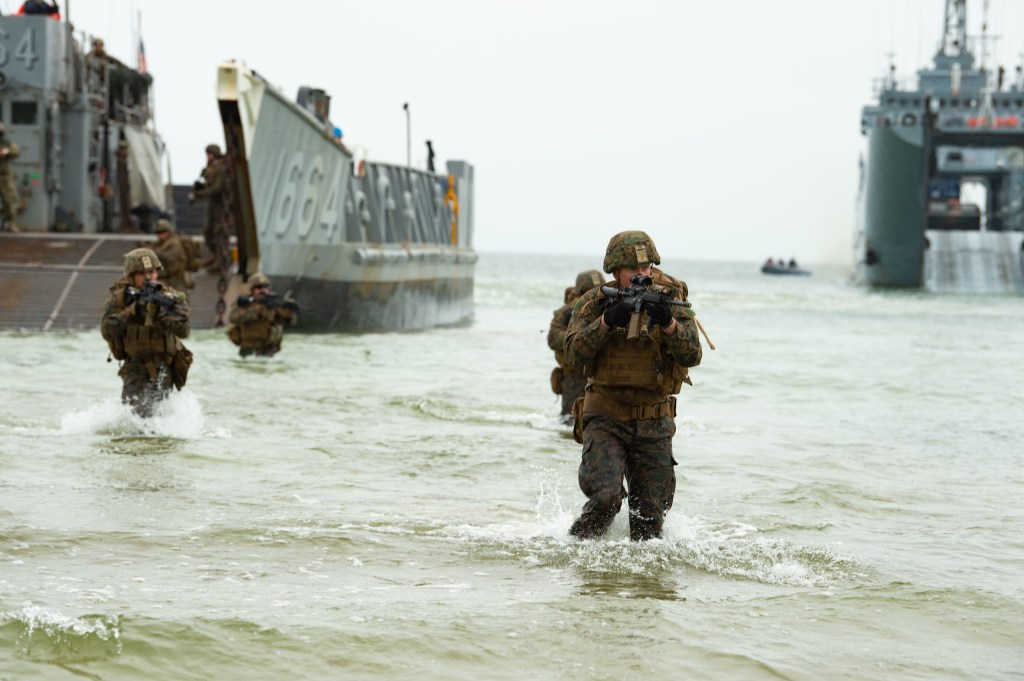
Addressing the ‘data gap’ in amphibious warfare C2
A data gap is often created in the period from the embarkation of the amphibious component and the formation of a command post ashore that has the necessary communications infrastructure to enable effective C2.
-

Protecting America’s military prowess requires an embrace of lead-free electronics
The U.S. defense community’s continuing reliance on lead-based electronics puts the nation’s technological superiority and military readiness at risk.
-
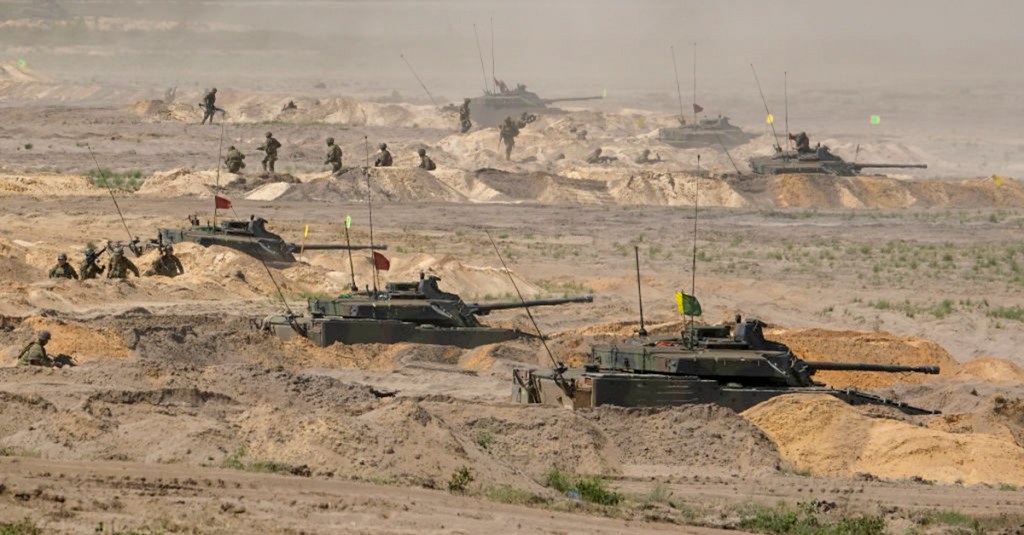
More autonomous allies are better allies
While one can certainly disagree with Trump’s methods, he was right to reprimand Europe for not taking its defense responsibilities seriously enough.
-
What’s next for the Bonhomme Richard warship?
Now that the secretary of the Navy has concluded the fire damage from the four-day fire is so extensive that the amphibious assault ship Bonhomme Richard cannot be repaired, what is next?
-
NATO needs a strategy for emerging and disruptive technologies
As U.S. and European leaders set their collective agenda at the next NATO summit, a top priority should be establishing a NATO framework for emerging and disruptive technologies.
-
Counterterrorism setback: ‘Armed Overwatch’ is stalled again
U.S. forces need Congress and the Pentagon to work together to aggressively acquire an effective and affordable approach to counterterrorism.
-
How to maintain Israel’s qualitative military edge in a changing Middle East
An updated and balanced bilateral policy can enable Israel’s new peace partners to benefit from the diplomatic process they have entered, while minimizing erosion of Israel’s QME.
-
There should be no doubt about Michele Flournoy for defense secretary
The primary criterion for assessing any nomination for secretary of defense is whether the nominee has the experience, competence and steadfastness to oversee the most powerful military and the wide-ranging defense establishment that supports it.
-
Why the Pentagon must think harder about inadvertent escalation
The conventional capabilities that have enabled the U.S. to reduce its reliance on nuclear weapons have also increased the risk of misperception that could spark a nuclear war.
-
Cross-agency plans for space cybersecurity will strengthen the US in all domains
Just as cybersecurity has become an integrated element of terrestrial goods and services, the same level of resiliency and safeguards must apply in space.
-
Addressing the ‘data gap’ in amphibious warfare C2
A data gap is often created in the period from the embarkation of the amphibious component and the formation of a command post ashore that has the necessary communications infrastructure to enable effective C2.
-
Protecting America’s military prowess requires an embrace of lead-free electronics
The U.S. defense community’s continuing reliance on lead-based electronics puts the nation’s technological superiority and military readiness at risk.
-
More autonomous allies are better allies
While one can certainly disagree with Trump’s methods, he was right to reprimand Europe for not taking its defense responsibilities seriously enough.