-

The importance of advancing loyal wingman technology
Ensuring secure communications, improved human-machine interfaces, and building more trust between humans and their AI agent partners are at the top of the list of persistent technological focus areas.
-
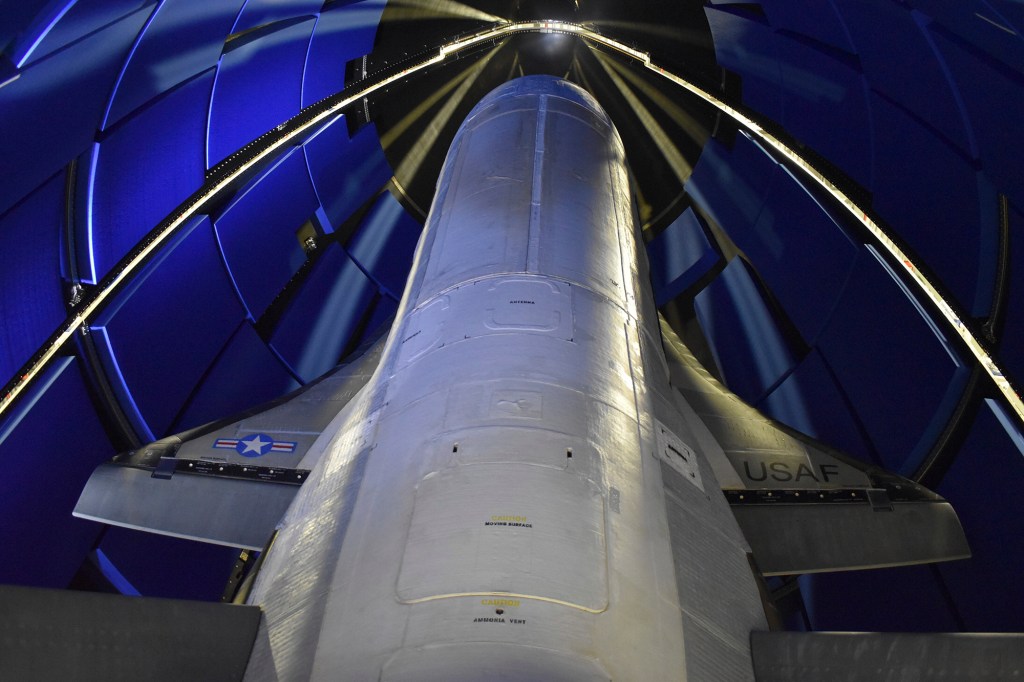
Spend funds on space dominance, not moving Space Command’s headquarters
Since the Gulf War, unfriendly regimes have pursued counter-space capabilities to neutralize America’s advantages. It’s imperative we prevent this from happening, a congressman argues in this commentary.
-

There’s no time to waste: The UK must protect its assets in contested space
As our dependence on space grows, dominance in the sector and the protection of the U.K.’s assets in space becomes equally vital.
-

What Gen. Austin should be asked in his confirmation hearing
“How would Austin manage the largest organization in the federal government?” That’s just one of many questions this commentary recommends lawmakers ask.
-
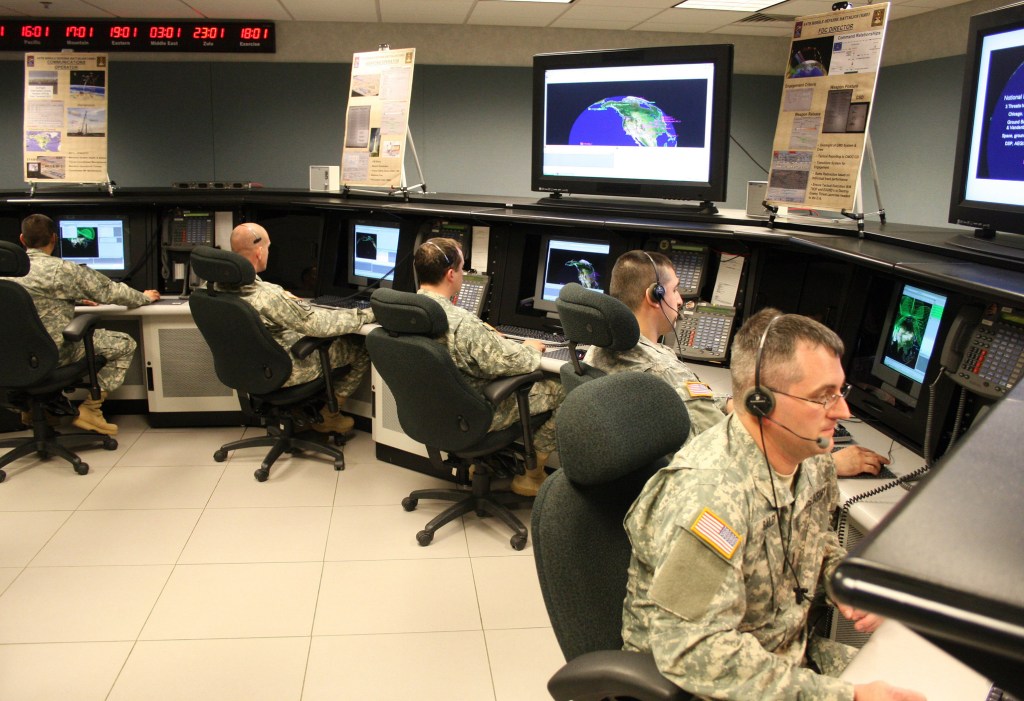
Don’t rely on fantasy for national security
Will America continue to rebuild its defenses, or return again to the fantasy that we don’t need all that expensive security “stuff” anymore?
-
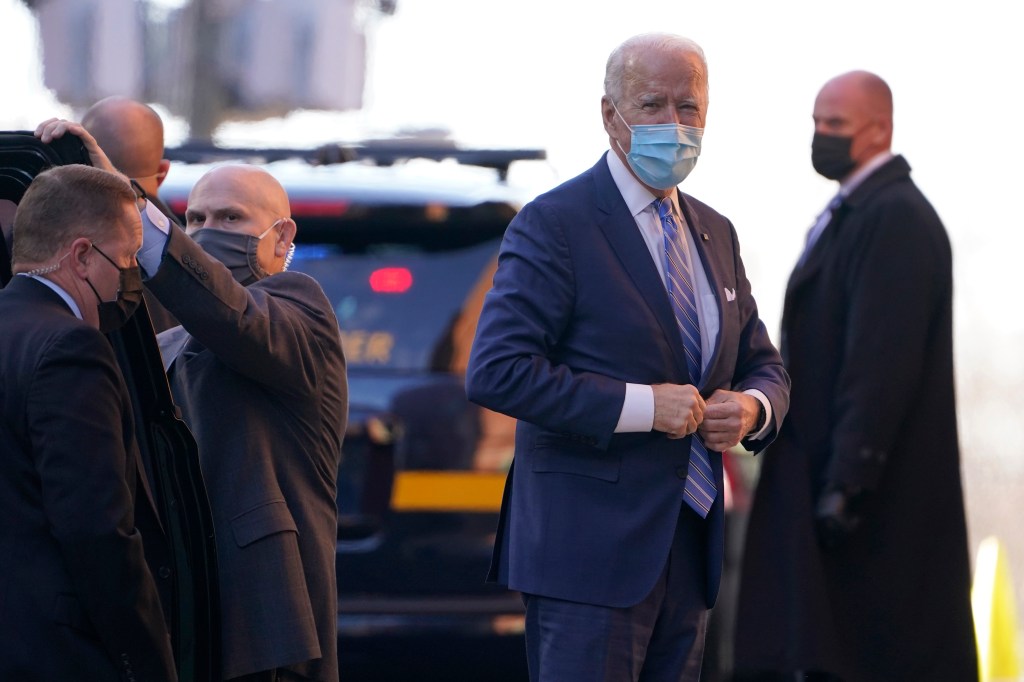
How President-elect Biden can reinvigorate defense innovation
President-elect Biden and his team must do what President Trump promised and failed to do: Disrupt national defense.
-

The F-35′s interoperability tech strengthens US alliances
In addition to survivability and lethality, more countries are seeking interoperability with friends and allies, and the F-35 delivers in this crucially important area.
-

Multinational cooperation could accelerate US defense capabilities in the polar regions
It’s better to have friends when it’s cold outside, writes Chris Bassler of the Center for Strategic and Budgetary Assessments.
-

How agencies can better manage their zero-trust architecture
Zero trust is a journey. To make it more manageable, agencies should first focus on consolidating identity solutions.
-

Milley is right — the US should reevaluate its military commitments
Daniel R. DePetris argues the Defense Department should be tasked with downsizing and reformulating where the U.S. military deploys its soldiers.
-
The importance of advancing loyal wingman technology
Ensuring secure communications, improved human-machine interfaces, and building more trust between humans and their AI agent partners are at the top of the list of persistent technological focus areas.
-
Spend funds on space dominance, not moving Space Command’s headquarters
Since the Gulf War, unfriendly regimes have pursued counter-space capabilities to neutralize America’s advantages. It’s imperative we prevent this from happening, a congressman argues in this commentary.
-
There’s no time to waste: The UK must protect its assets in contested space
As our dependence on space grows, dominance in the sector and the protection of the U.K.’s assets in space becomes equally vital.
-
What Gen. Austin should be asked in his confirmation hearing
“How would Austin manage the largest organization in the federal government?” That’s just one of many questions this commentary recommends lawmakers ask.
-
Don’t rely on fantasy for national security
Will America continue to rebuild its defenses, or return again to the fantasy that we don’t need all that expensive security “stuff” anymore?
-
How President-elect Biden can reinvigorate defense innovation
President-elect Biden and his team must do what President Trump promised and failed to do: Disrupt national defense.
-
The F-35′s interoperability tech strengthens US alliances
In addition to survivability and lethality, more countries are seeking interoperability with friends and allies, and the F-35 delivers in this crucially important area.
-
Multinational cooperation could accelerate US defense capabilities in the polar regions
It’s better to have friends when it’s cold outside, writes Chris Bassler of the Center for Strategic and Budgetary Assessments.
-
How agencies can better manage their zero-trust architecture
Zero trust is a journey. To make it more manageable, agencies should first focus on consolidating identity solutions.
-
Milley is right — the US should reevaluate its military commitments
Daniel R. DePetris argues the Defense Department should be tasked with downsizing and reformulating where the U.S. military deploys its soldiers.