-

Politics should not determine location for US Space Command
A former U.S. senator says Air Force leaders have chosen command locations without the mission, war fighter and taxpayer in mind.
-
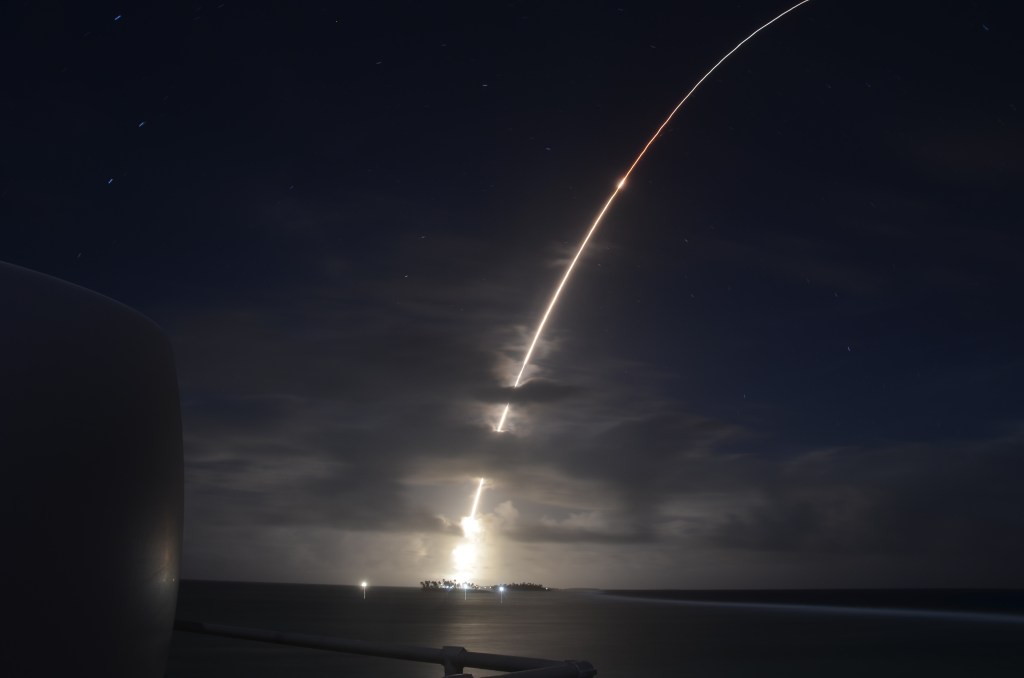
New approach to Ground-based Midcourse Defense confronts our other enemy
Change can be unsettling and risky, but competition improves innovation.
-
Cyber denial of service is cyber attack
When cyber events deny service or make systems inoperable, many are reluctant to call these events attacks. That hesitation is unhelpful, an expert argues.
-
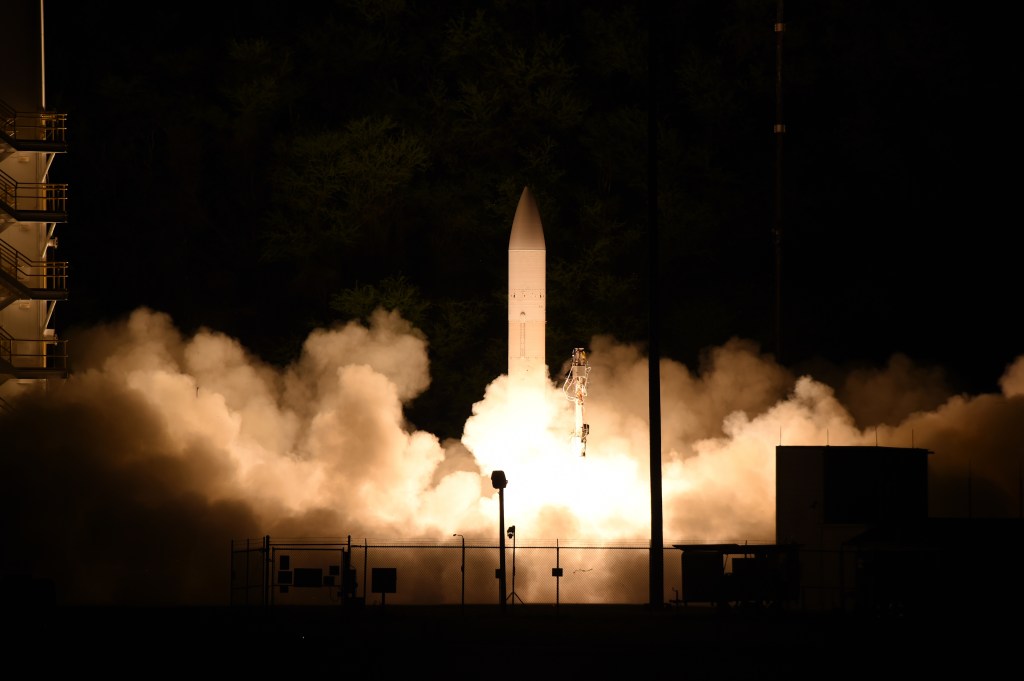
In support of US hypersonic system development
Both China and Russia have already fielded hypersonic weapons with initial capabilities. It is therefore essential that the U.S. responds through development of effective defensive measures.
-

As mission-capable rates languish, Pentagon should embrace digital engineering
Today’s sustainment practices too closely resemble those of 30 years ago, not what they should be 30 years from now.
-
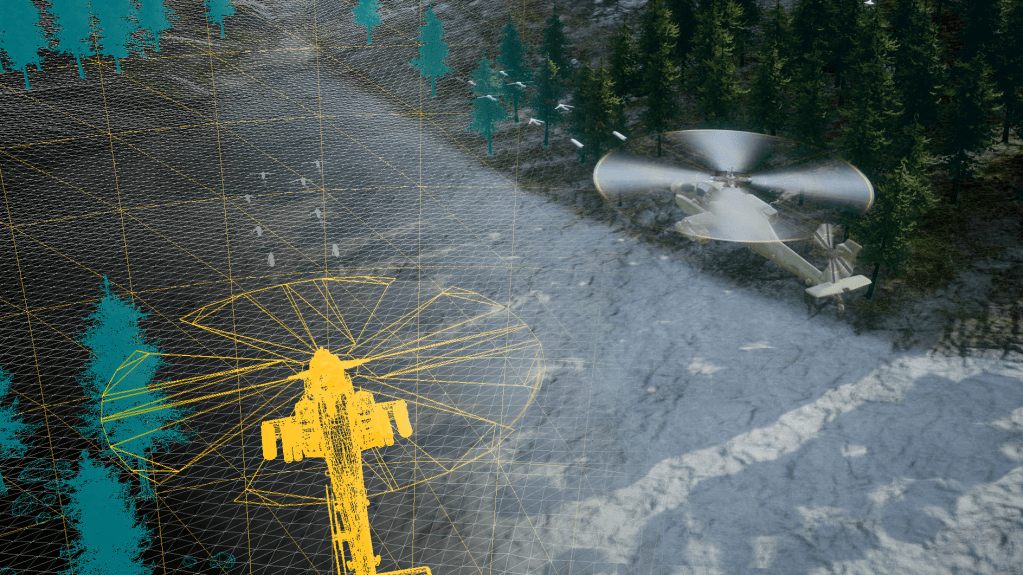
Closing the gap to win the AI marathon
Fortunately for the U.S., the race for AI superiority with China is not a sprint. An industry expert shares ideas for how Washington can come out ahead in the long run.
-

Cyber espionage is not cyber attack
A expert explains how a recent giant hack is a classic case of espionage that differs from a true cyberspace attack.
-

These five items should top Biden’s defense priorities
The Biden administration has the opportunity to institute reforms in several crucial areas at the Pentagon.
-

Solorigate attack — the challenge to cyber deterrence
Why is cyber deterrence given so much attention? Maybe because we want it to exist, the author argues.
-
Politics should not determine location for US Space Command
A former U.S. senator says Air Force leaders have chosen command locations without the mission, war fighter and taxpayer in mind.
-
New approach to Ground-based Midcourse Defense confronts our other enemy
Change can be unsettling and risky, but competition improves innovation.
-
Cyber denial of service is cyber attack
When cyber events deny service or make systems inoperable, many are reluctant to call these events attacks. That hesitation is unhelpful, an expert argues.
-
In support of US hypersonic system development
Both China and Russia have already fielded hypersonic weapons with initial capabilities. It is therefore essential that the U.S. responds through development of effective defensive measures.
-
As mission-capable rates languish, Pentagon should embrace digital engineering
Today’s sustainment practices too closely resemble those of 30 years ago, not what they should be 30 years from now.
-
Closing the gap to win the AI marathon
Fortunately for the U.S., the race for AI superiority with China is not a sprint. An industry expert shares ideas for how Washington can come out ahead in the long run.
-
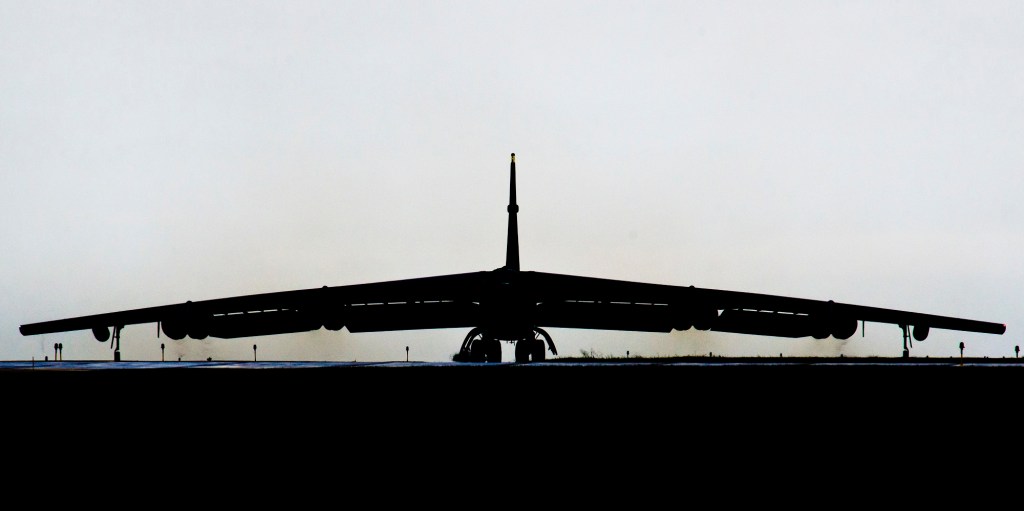
The nuclear triad is not sacred
The triad as currently configured makes us less safe.
-
Cyber espionage is not cyber attack
A expert explains how a recent giant hack is a classic case of espionage that differs from a true cyberspace attack.
-
These five items should top Biden’s defense priorities
The Biden administration has the opportunity to institute reforms in several crucial areas at the Pentagon.
-
Solorigate attack — the challenge to cyber deterrence
Why is cyber deterrence given so much attention? Maybe because we want it to exist, the author argues.
-
Politics should not determine location for US Space Command
A former U.S. senator says Air Force leaders have chosen command locations without the mission, war fighter and taxpayer in mind.
-
New approach to Ground-based Midcourse Defense confronts our other enemy
Change can be unsettling and risky, but competition improves innovation.
-
Cyber denial of service is cyber attack
When cyber events deny service or make systems inoperable, many are reluctant to call these events attacks. That hesitation is unhelpful, an expert argues.
-
In support of US hypersonic system development
Both China and Russia have already fielded hypersonic weapons with initial capabilities. It is therefore essential that the U.S. responds through development of effective defensive measures.
-
As mission-capable rates languish, Pentagon should embrace digital engineering
Today’s sustainment practices too closely resemble those of 30 years ago, not what they should be 30 years from now.
-
Closing the gap to win the AI marathon
Fortunately for the U.S., the race for AI superiority with China is not a sprint. An industry expert shares ideas for how Washington can come out ahead in the long run.
-
The nuclear triad is not sacred
The triad as currently configured makes us less safe.
-
Cyber espionage is not cyber attack
A expert explains how a recent giant hack is a classic case of espionage that differs from a true cyberspace attack.
-
These five items should top Biden’s defense priorities
The Biden administration has the opportunity to institute reforms in several crucial areas at the Pentagon.
-
Solorigate attack — the challenge to cyber deterrence
Why is cyber deterrence given so much attention? Maybe because we want it to exist, the author argues.