-

Can the UAE emerge as a leading global defense supplier?
Despite the UAE’s ongoing dependencies on defense imports, the country’s investment in research and development is expected to accelerate its transformation as a formidable defense supplier.
-

Eroding America from within: Marketing data threatens military cohesion
The algorithmic social media ecosystem and targeted advertising economy represent a national security threat, cyber researchers argue.
-

Nuclear weapon cuts damage arms control
America’s unilateral restraint does not appear to induce reciprocal restraint on the part of Russia or China.
-

Taking a closer look at Israel’s weapons wish list
Israel’s Cabinet has approved an Israeli Air Force request to use U.S. foreign military financing and loans to fund approximately $9 billion worth of U.S. military aircraft and weapons.
-

How the Biden administration can avoid another SolarWinds attack
We need better cybersecurity requirements in general for all government contractors and suppliers.
-

Protecting people from disinformation requires a cognitive security proving ground
Developing techniques to protect humans — and national security — from malicious influence requires public-private collaboration in a neutral environment, a researcher argues.
-

Urgently needed: Tech-savvy defense leaders
We need a radical shift in how the Department of Defense does business.
-
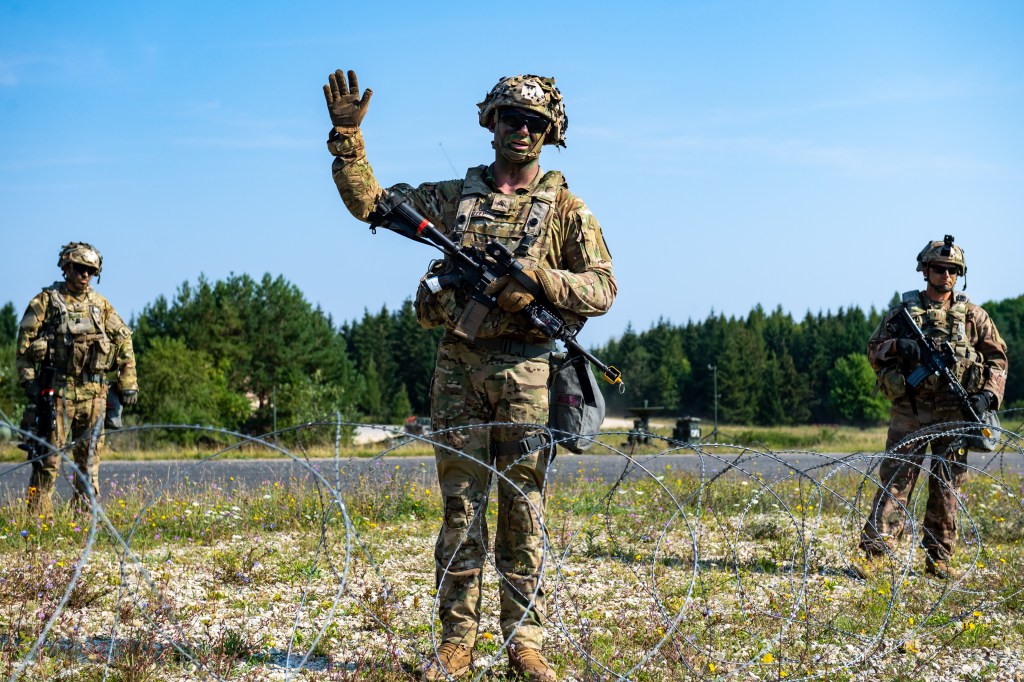
‘The system worked as designed’ is bad news
Let’s take a look at timeline of the Army’s response to the COVID-19 pandemic. It’s not pretty.
-

Russia-Iran cooperation poses challenges for US cyber strategy, global norms
If Moscow and Tehran share intelligence about U.S. cyber operations, that would bring new challenges for U.S. Cyber Command and the DOD, experts explain.
-

Examining international security at the nuclear nexus
Nuclear policy has largely developed independently of other defense policy communities. This has to change.
-
Can the UAE emerge as a leading global defense supplier?
Despite the UAE’s ongoing dependencies on defense imports, the country’s investment in research and development is expected to accelerate its transformation as a formidable defense supplier.
-
Eroding America from within: Marketing data threatens military cohesion
The algorithmic social media ecosystem and targeted advertising economy represent a national security threat, cyber researchers argue.
-
Nuclear weapon cuts damage arms control
America’s unilateral restraint does not appear to induce reciprocal restraint on the part of Russia or China.
-
Taking a closer look at Israel’s weapons wish list
Israel’s Cabinet has approved an Israeli Air Force request to use U.S. foreign military financing and loans to fund approximately $9 billion worth of U.S. military aircraft and weapons.
-
How the Biden administration can avoid another SolarWinds attack
We need better cybersecurity requirements in general for all government contractors and suppliers.
-
Protecting people from disinformation requires a cognitive security proving ground
Developing techniques to protect humans — and national security — from malicious influence requires public-private collaboration in a neutral environment, a researcher argues.
-
Urgently needed: Tech-savvy defense leaders
We need a radical shift in how the Department of Defense does business.
-
‘The system worked as designed’ is bad news
Let’s take a look at timeline of the Army’s response to the COVID-19 pandemic. It’s not pretty.
-
Russia-Iran cooperation poses challenges for US cyber strategy, global norms
If Moscow and Tehran share intelligence about U.S. cyber operations, that would bring new challenges for U.S. Cyber Command and the DOD, experts explain.
-
Examining international security at the nuclear nexus
Nuclear policy has largely developed independently of other defense policy communities. This has to change.