-
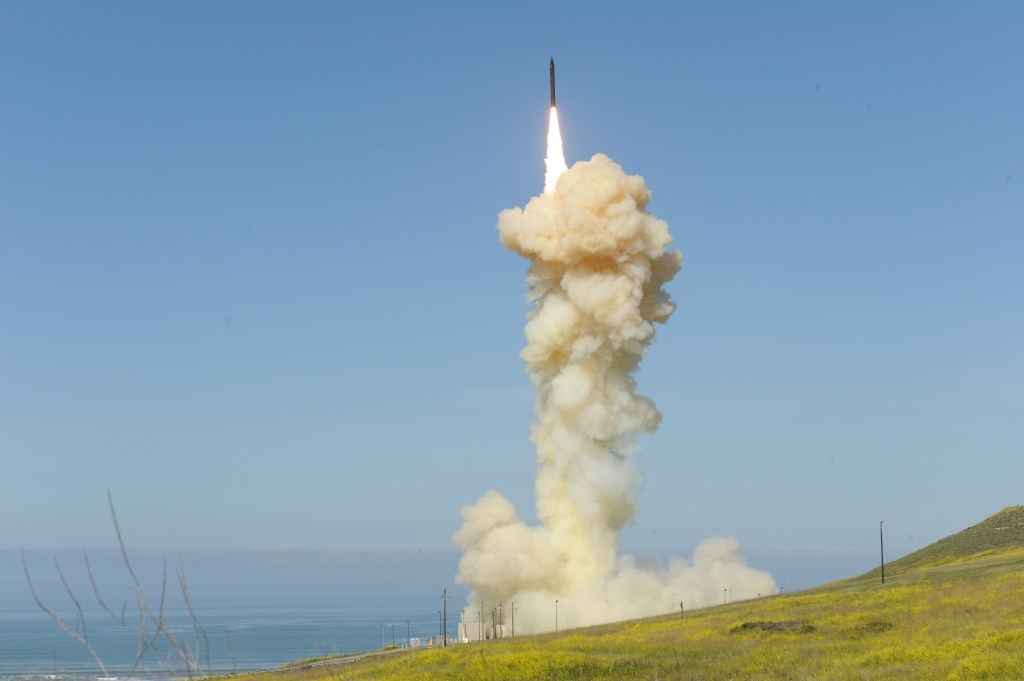
Defense Department shakeup must not derail homeland missile defense priorities
News broke last week that as part of a reorganization within the Department of Defense, the position of deputy assistant secretary of defense for nuclear and missile defense policy was eliminated. The timing of the move is curious.
-

Congress should accelerate the Navy’s unmanned revolution
The U.S. Navy’s welcome surge in experimentation during the past year is at risk of running aground due to a lack of focus and equipment.
-

America needs a permanent military presence in the Baltics, and here’s why
The seemingly rushed, chaotic U.S. withdrawal from Afghanistan has caused some American allies in Europe to question Washington’s commitment to NATO.
-

Presentation is key: Why the Pentagon’s budget data needs a makeover
Data is dispersed across PDFs and Excel files, making it difficult to accurately and comprehensively cover the financial tracks of an entire program.
-

How the Afghan withdrawal impacts US-China competition
The U.S. departure from Afghanistan creates a large opening for Beijing to execute on its geostrategic aims.
-

Congress should authorize and fund supply chain improvements in FY22 legislation
It’s imperative Congress strengthen the Pentagon’s supply chain risk management. Here’s why.
-

The Missile Defense Agency must be free to move quickly and with limited restrictions
We have made important progress with homeland missile defense, but today we risk falling further behind the threat.
-

The peace dividend should go to country, not contractors
The defense industry and its allies in Congress and the Pentagon are inflating the threat of China.
-

Redefining disruption: A plan to upgrade defense innovation
The U.S. military suffers because of antiquated rules and cultural norms for how government works with industry in developing new technologies. This can’t continue.
-

The future of war demands a DoD networked force built on integrated, open architecture
Retrofitting legacy platforms is not enough for our future war fighters, an industry executive says. The DoD must take a networked approach to improve the future of warfare.
-
Defense Department shakeup must not derail homeland missile defense priorities
News broke last week that as part of a reorganization within the Department of Defense, the position of deputy assistant secretary of defense for nuclear and missile defense policy was eliminated. The timing of the move is curious.
-
Congress should accelerate the Navy’s unmanned revolution
The U.S. Navy’s welcome surge in experimentation during the past year is at risk of running aground due to a lack of focus and equipment.
-
America needs a permanent military presence in the Baltics, and here’s why
The seemingly rushed, chaotic U.S. withdrawal from Afghanistan has caused some American allies in Europe to question Washington’s commitment to NATO.
-
Presentation is key: Why the Pentagon’s budget data needs a makeover
Data is dispersed across PDFs and Excel files, making it difficult to accurately and comprehensively cover the financial tracks of an entire program.
-
How the Afghan withdrawal impacts US-China competition
The U.S. departure from Afghanistan creates a large opening for Beijing to execute on its geostrategic aims.
-
Congress should authorize and fund supply chain improvements in FY22 legislation
It’s imperative Congress strengthen the Pentagon’s supply chain risk management. Here’s why.
-
The Missile Defense Agency must be free to move quickly and with limited restrictions
We have made important progress with homeland missile defense, but today we risk falling further behind the threat.
-
The peace dividend should go to country, not contractors
The defense industry and its allies in Congress and the Pentagon are inflating the threat of China.
-
Redefining disruption: A plan to upgrade defense innovation
The U.S. military suffers because of antiquated rules and cultural norms for how government works with industry in developing new technologies. This can’t continue.
-
The future of war demands a DoD networked force built on integrated, open architecture
Retrofitting legacy platforms is not enough for our future war fighters, an industry executive says. The DoD must take a networked approach to improve the future of warfare.