-

The Pentagon has to include climate risk in all of its plans and budgets
The Defense Department now recognizes climate change is a threat multiplier and must be incorporated into all aspects of defense strategy, planning and force posture.
-

The US must reject a ‘sole purpose’ nuclear policy
No one wants to see the use of nuclear weapons ever again. However, endorsing a sole purpose doctrine and surrendering our nuclear capabilities before the rest of the world agrees to do so will only destabilize the international system.
-
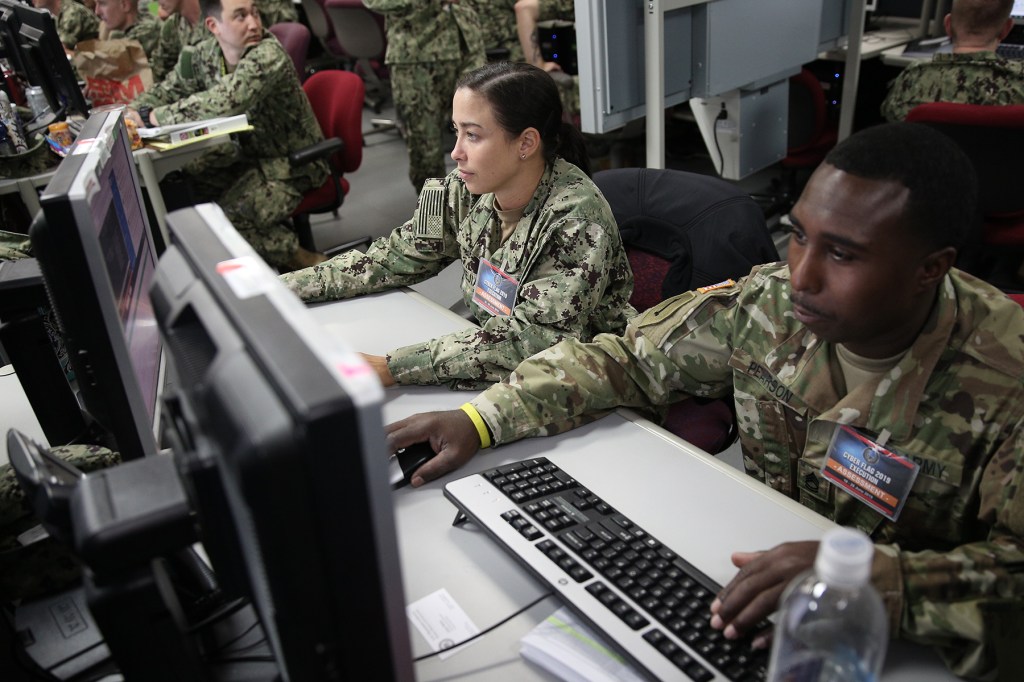
Are adversaries using US critical infrastructure as a training range?
Critical infrastructure is a significant attack vector to track and defend. Still, cyberattacks on U.S. critical infrastructure create reactions that might not be wholly predictable — creating risk for the adversary. For the U.S., the risk is that we try too hard to find strategic intent where there is none.
-

The U.S. is wholly unequipped to resupply forces in a great-power conflict
The current American consumer goods crisis presages the effects of a militarized Sino-American confrontation.
-
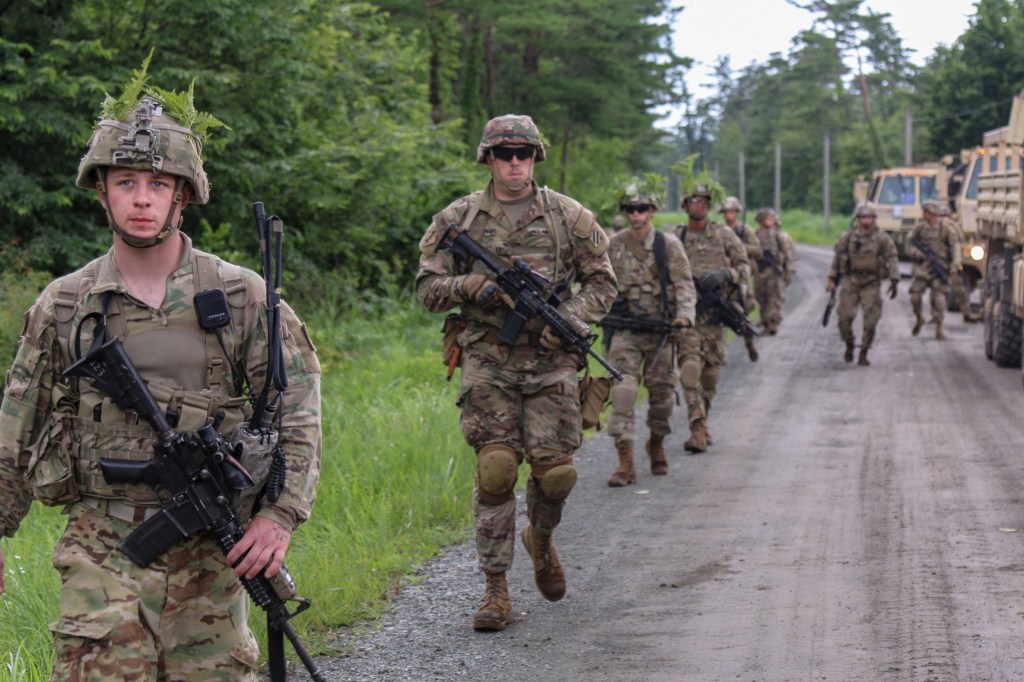
The Army is getting great power competition all wrong
The U.S. Army does not need to go abroad in search of missions to make itself appear relevant. What it very much needs to do is focus on its core warfighting skills and hone its ability to fight and win battles that might crop up involving major opponents — in the defense of our country,…
-
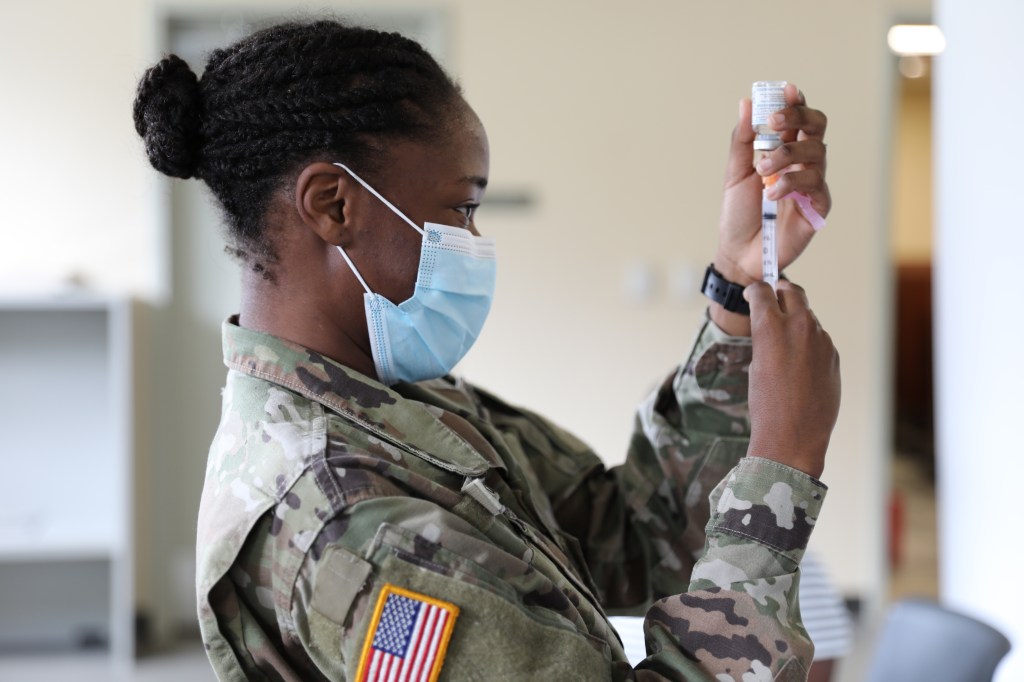
The US must separate nuclear deterrence from biological weapons
Though much work remains to be done, the technologies and capabilities now being deployed for pandemic responses are giving rise to an historical opportunity for the nation: It is time to end the U.S. policy of using nuclear weapons to deter biological weapon threats.
-

Needed: A trans-Atlantic agreement on European strategic autonomy
The place to begin transatlantic discussions might be the upcoming meeting between Presidents Biden and Macron in late October.
-

We’re launching Defense Views, a weekly newsletter of diverse viewpoints, engaging ideas
Sign up for a free weekly slate of POVs from all across the world of defense—the leaders in thought leadership.
-
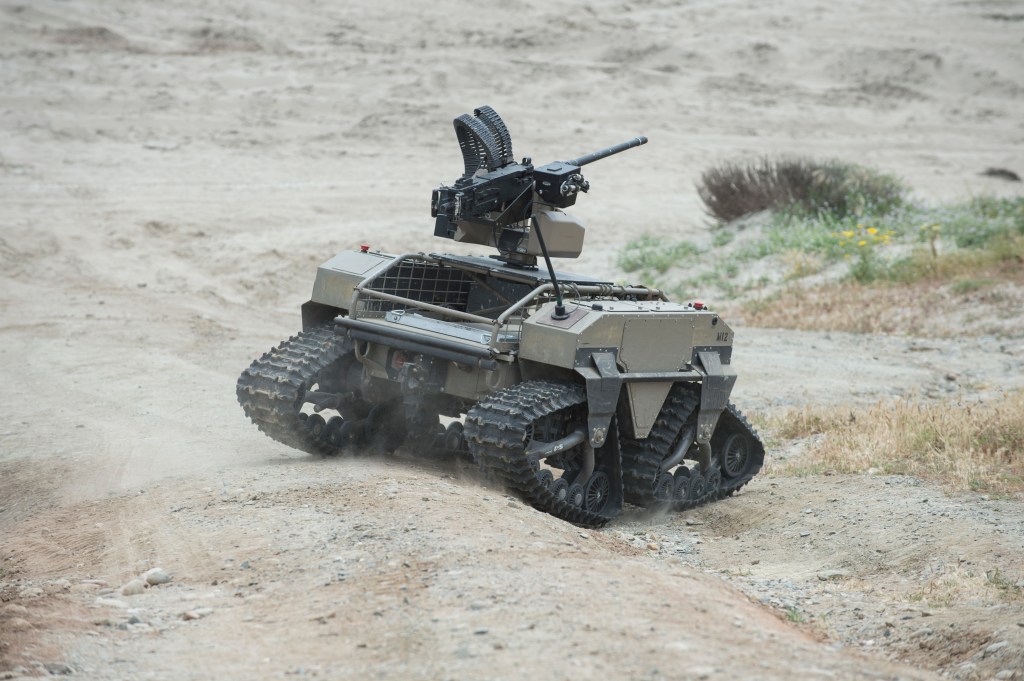
An autonomous robot may have already killed people — here’s how the weapons could be more destabilizing than nukes
Autonomous weapon systems are robots with lethal weapons that can operate independently, selecting and attacking targets without a human weighing in on those decisions.
-
The Pentagon has to include climate risk in all of its plans and budgets
The Defense Department now recognizes climate change is a threat multiplier and must be incorporated into all aspects of defense strategy, planning and force posture.
-
The US must reject a ‘sole purpose’ nuclear policy
No one wants to see the use of nuclear weapons ever again. However, endorsing a sole purpose doctrine and surrendering our nuclear capabilities before the rest of the world agrees to do so will only destabilize the international system.
-
Are adversaries using US critical infrastructure as a training range?
Critical infrastructure is a significant attack vector to track and defend. Still, cyberattacks on U.S. critical infrastructure create reactions that might not be wholly predictable — creating risk for the adversary. For the U.S., the risk is that we try too hard to find strategic intent where there is none.
-
The U.S. is wholly unequipped to resupply forces in a great-power conflict
The current American consumer goods crisis presages the effects of a militarized Sino-American confrontation.
-
The Army is getting great power competition all wrong
The U.S. Army does not need to go abroad in search of missions to make itself appear relevant. What it very much needs to do is focus on its core warfighting skills and hone its ability to fight and win battles that might crop up involving major opponents — in the defense of our country,…
-

A Central American missile crisis?
El Salvador has the potential to be the Soviet Union’s Cuba.
-
The US must separate nuclear deterrence from biological weapons
Though much work remains to be done, the technologies and capabilities now being deployed for pandemic responses are giving rise to an historical opportunity for the nation: It is time to end the U.S. policy of using nuclear weapons to deter biological weapon threats.
-
Needed: A trans-Atlantic agreement on European strategic autonomy
The place to begin transatlantic discussions might be the upcoming meeting between Presidents Biden and Macron in late October.
-
We’re launching Defense Views, a weekly newsletter of diverse viewpoints, engaging ideas
Sign up for a free weekly slate of POVs from all across the world of defense—the leaders in thought leadership.
-
An autonomous robot may have already killed people — here’s how the weapons could be more destabilizing than nukes
Autonomous weapon systems are robots with lethal weapons that can operate independently, selecting and attacking targets without a human weighing in on those decisions.
-
The Pentagon has to include climate risk in all of its plans and budgets
The Defense Department now recognizes climate change is a threat multiplier and must be incorporated into all aspects of defense strategy, planning and force posture.
-
The US must reject a ‘sole purpose’ nuclear policy
No one wants to see the use of nuclear weapons ever again. However, endorsing a sole purpose doctrine and surrendering our nuclear capabilities before the rest of the world agrees to do so will only destabilize the international system.
-
Are adversaries using US critical infrastructure as a training range?
Critical infrastructure is a significant attack vector to track and defend. Still, cyberattacks on U.S. critical infrastructure create reactions that might not be wholly predictable — creating risk for the adversary. For the U.S., the risk is that we try too hard to find strategic intent where there is none.
-
The U.S. is wholly unequipped to resupply forces in a great-power conflict
The current American consumer goods crisis presages the effects of a militarized Sino-American confrontation.
-
The Army is getting great power competition all wrong
The U.S. Army does not need to go abroad in search of missions to make itself appear relevant. What it very much needs to do is focus on its core warfighting skills and hone its ability to fight and win battles that might crop up involving major opponents — in the defense of our country,…
-
A Central American missile crisis?
El Salvador has the potential to be the Soviet Union’s Cuba.
-
The US must separate nuclear deterrence from biological weapons
Though much work remains to be done, the technologies and capabilities now being deployed for pandemic responses are giving rise to an historical opportunity for the nation: It is time to end the U.S. policy of using nuclear weapons to deter biological weapon threats.
-
Needed: A trans-Atlantic agreement on European strategic autonomy
The place to begin transatlantic discussions might be the upcoming meeting between Presidents Biden and Macron in late October.
-
We’re launching Defense Views, a weekly newsletter of diverse viewpoints, engaging ideas
Sign up for a free weekly slate of POVs from all across the world of defense—the leaders in thought leadership.
-
An autonomous robot may have already killed people — here’s how the weapons could be more destabilizing than nukes
Autonomous weapon systems are robots with lethal weapons that can operate independently, selecting and attacking targets without a human weighing in on those decisions.