-

How America can outproduce and outlast adversaries
“An economy that can build and innovate deters would-be adversaries from believing they can test us,” argue Kathleen Hicks and Mac Thornberry.
-
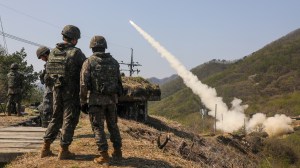
South Korea’s nuclear debate is no longer taboo
The surest path to long-term security is not a South Korean bomb — it’s a stronger U.S.-South Korea alliance backed by credible conventional deterrence.
-
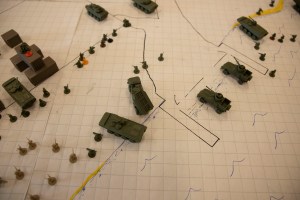
How wargaming can help us prepare for modern crises
We might not be able to predict the future perfectly given the speed of change. But we can test the options for potential futures.
-
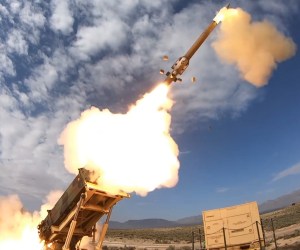
Army air defense modernization must meet today’s threats
The Army must leverage its existing contracts and challenge industry partners to develop, procure and deploy an upgraded IBCS as quickly as possible.
-

Why a Gulf–Israel rapid response force still makes sense
A Middle East rapid-response force would not only deter aggression — it would symbolize a new era of partnership and self-reliance.
-

NATO needs a new Harmel Report
Given Putin’s aggression in continuing the war in Ukraine and also testing NATO’s air and sea space, it is time for the alliance to react decisively.
-

How Ahmed al-Sharaa ended up being welcomed to the White House
The question remains of what Trump and al-Sharaa want from each other.
-

NATO’s spending pledge is no invitation for creative accounting
Nobody knows exactly what counts toward a 1.5% target, and the first progress check slated in the summit declaration is only set for 2029.
-
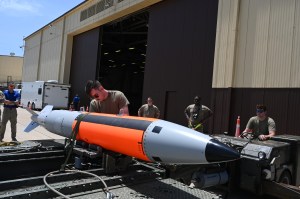
Why NATO needs a new nuclear strategy
A modern NATO nuclear strategy does not require reinventing the wheel, writes German defense analyst Karl-Heinz Kamp.
-
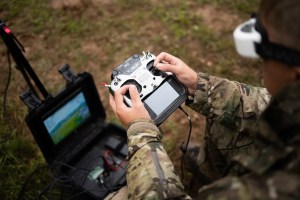
In Europe, the problem is deterrence, not drones
Instead of focusing on defending against drones from the east, Europe should invest in its ability to strike back at Russia, this op-ed’s author argues.
-
How America can outproduce and outlast adversaries
“An economy that can build and innovate deters would-be adversaries from believing they can test us,” argue Kathleen Hicks and Mac Thornberry.
-
South Korea’s nuclear debate is no longer taboo
The surest path to long-term security is not a South Korean bomb — it’s a stronger U.S.-South Korea alliance backed by credible conventional deterrence.
-
How wargaming can help us prepare for modern crises
We might not be able to predict the future perfectly given the speed of change. But we can test the options for potential futures.
-
Army air defense modernization must meet today’s threats
The Army must leverage its existing contracts and challenge industry partners to develop, procure and deploy an upgraded IBCS as quickly as possible.
-
Why a Gulf–Israel rapid response force still makes sense
A Middle East rapid-response force would not only deter aggression — it would symbolize a new era of partnership and self-reliance.
-
NATO needs a new Harmel Report
Given Putin’s aggression in continuing the war in Ukraine and also testing NATO’s air and sea space, it is time for the alliance to react decisively.
-
How Ahmed al-Sharaa ended up being welcomed to the White House
The question remains of what Trump and al-Sharaa want from each other.
-
NATO’s spending pledge is no invitation for creative accounting
Nobody knows exactly what counts toward a 1.5% target, and the first progress check slated in the summit declaration is only set for 2029.
-
Why NATO needs a new nuclear strategy
A modern NATO nuclear strategy does not require reinventing the wheel, writes German defense analyst Karl-Heinz Kamp.
-
In Europe, the problem is deterrence, not drones
Instead of focusing on defending against drones from the east, Europe should invest in its ability to strike back at Russia, this op-ed’s author argues.
-

How America can outproduce and outlast adversaries
“An economy that can build and innovate deters would-be adversaries from believing they can test us,” argue Kathleen Hicks and Mac Thornberry.
-
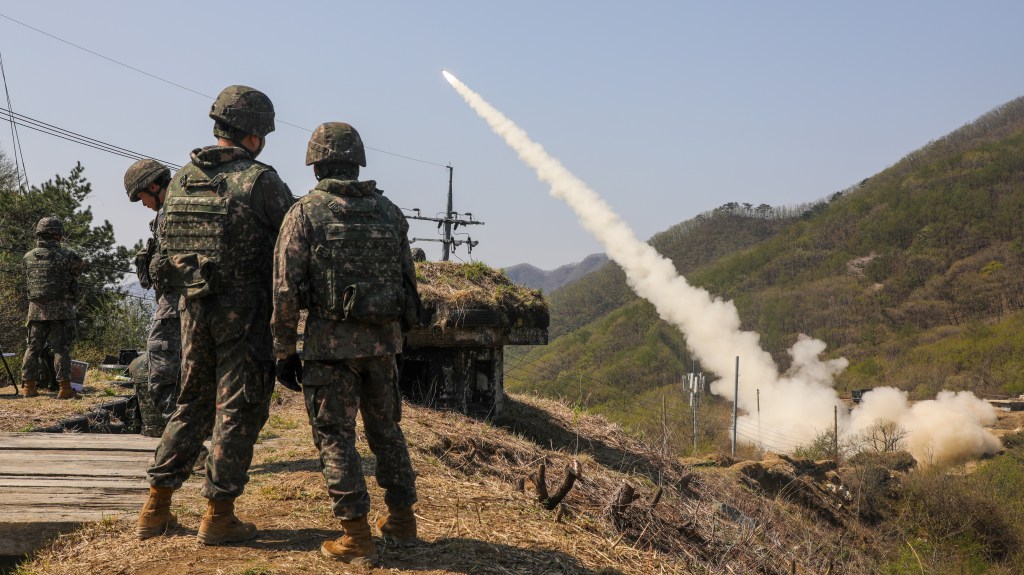
South Korea’s nuclear debate is no longer taboo
The surest path to long-term security is not a South Korean bomb — it’s a stronger U.S.-South Korea alliance backed by credible conventional deterrence.
-
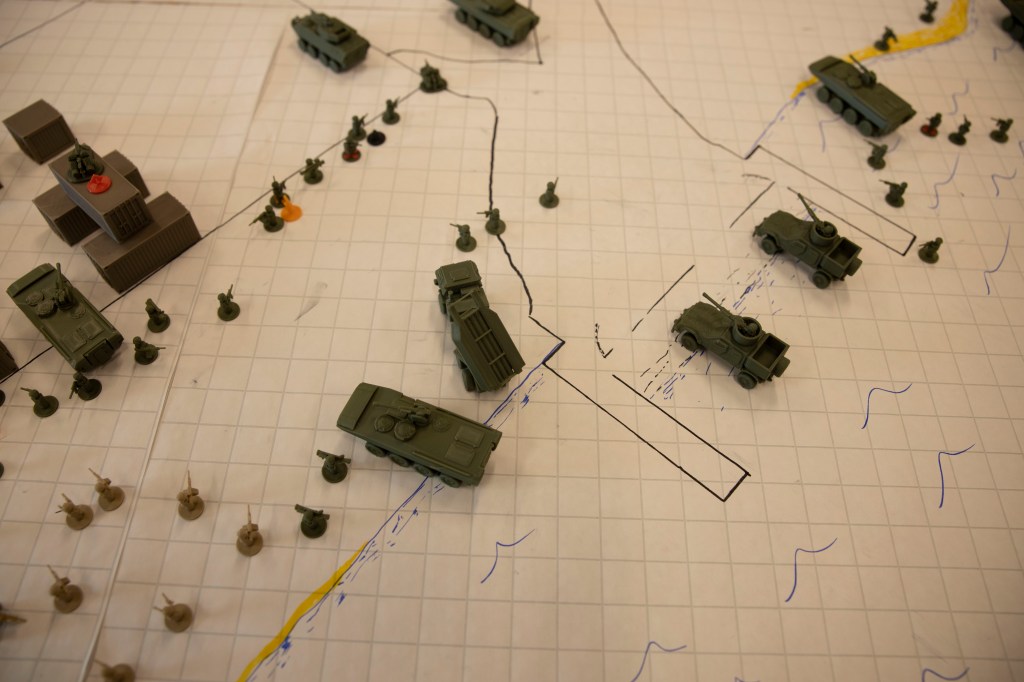
How wargaming can help us prepare for modern crises
We might not be able to predict the future perfectly given the speed of change. But we can test the options for potential futures.
-
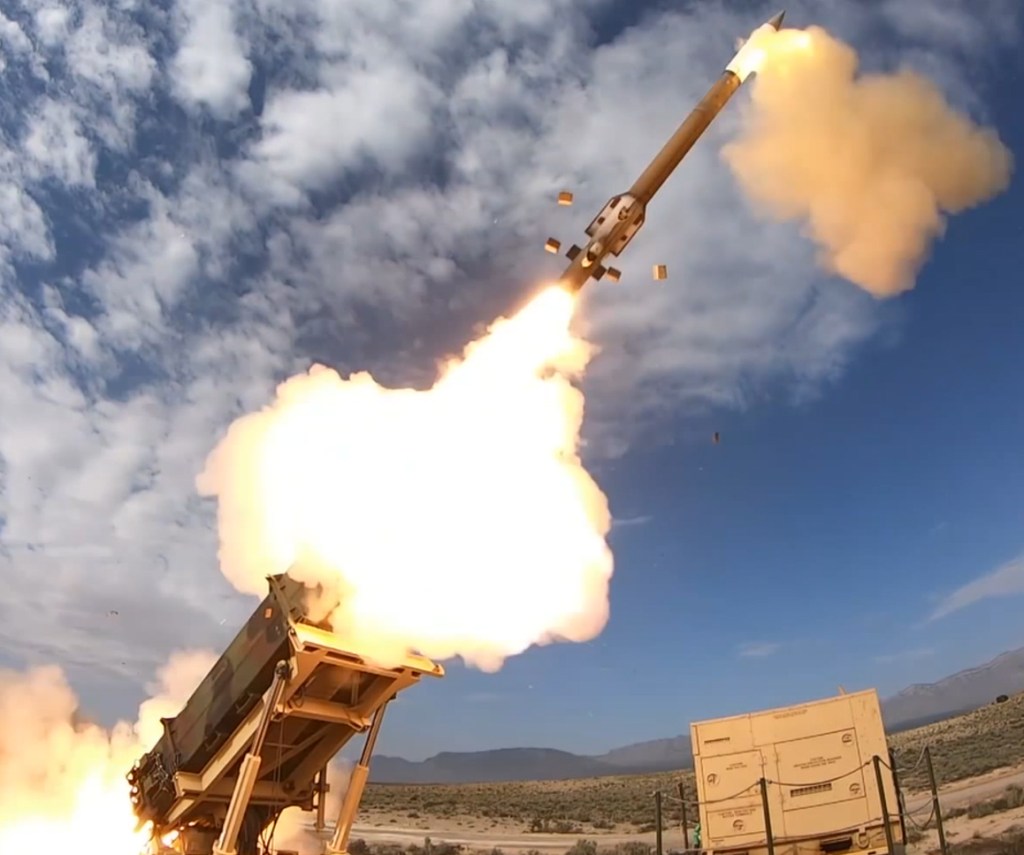
Army air defense modernization must meet today’s threats
The Army must leverage its existing contracts and challenge industry partners to develop, procure and deploy an upgraded IBCS as quickly as possible.
-
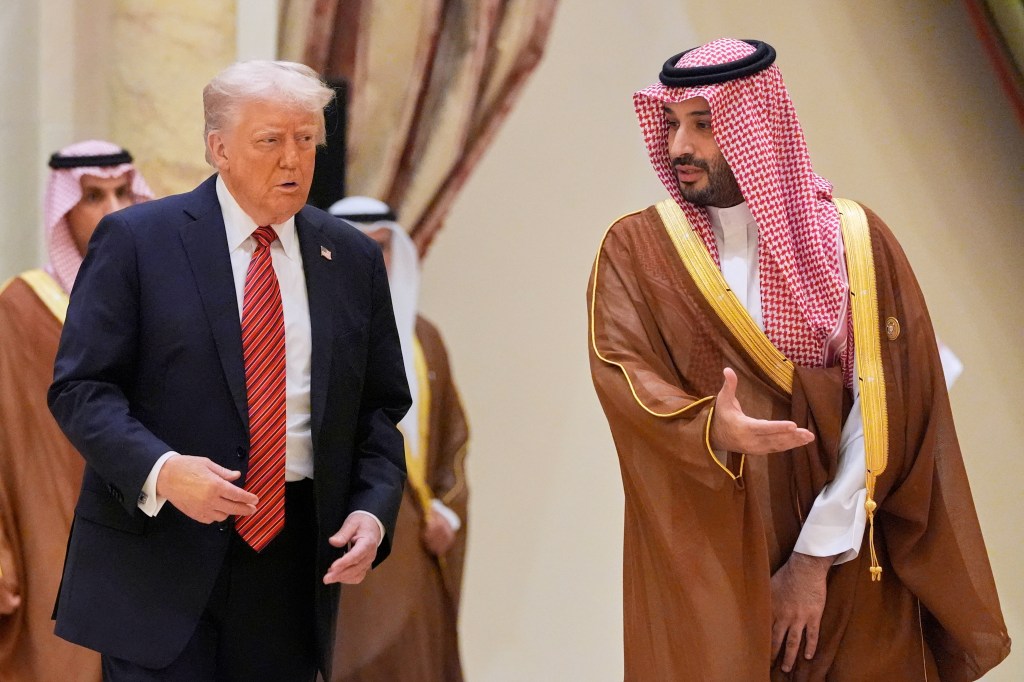
Why a Gulf–Israel rapid response force still makes sense
A Middle East rapid-response force would not only deter aggression — it would symbolize a new era of partnership and self-reliance.
-

NATO needs a new Harmel Report
Given Putin’s aggression in continuing the war in Ukraine and also testing NATO’s air and sea space, it is time for the alliance to react decisively.
-
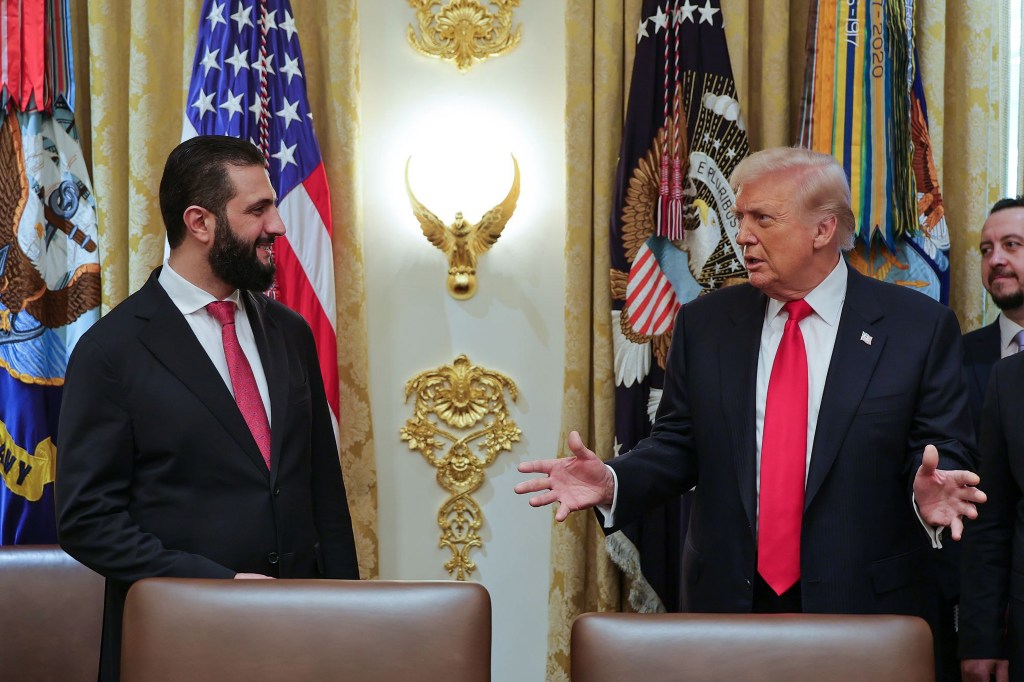
How Ahmed al-Sharaa ended up being welcomed to the White House
The question remains of what Trump and al-Sharaa want from each other.
-

NATO’s spending pledge is no invitation for creative accounting
Nobody knows exactly what counts toward a 1.5% target, and the first progress check slated in the summit declaration is only set for 2029.
-
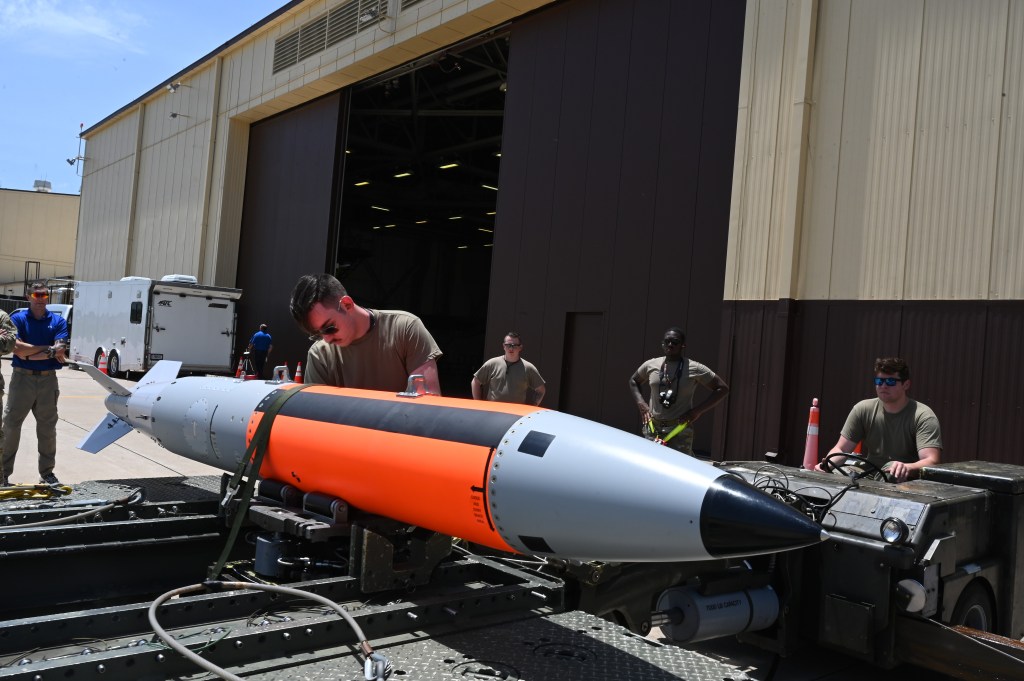
Why NATO needs a new nuclear strategy
A modern NATO nuclear strategy does not require reinventing the wheel, writes German defense analyst Karl-Heinz Kamp.
-
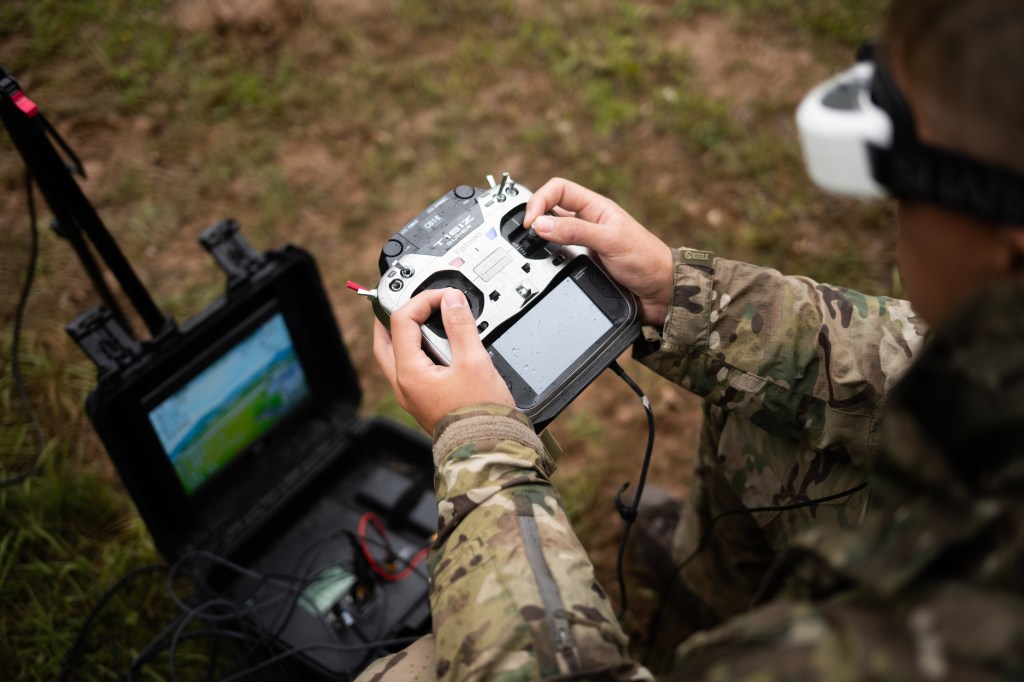
In Europe, the problem is deterrence, not drones
Instead of focusing on defending against drones from the east, Europe should invest in its ability to strike back at Russia, this op-ed’s author argues.