-

30 years at Defense News: Reflections from a ‘war industry stooge’
After 30 years at Defense News, Israel correspondent Barbara Opall-Rome says farewell.
-

The US armed forces have a mobility problem
The deterrent capability of our military is weakened by our inability to deploy combat-ready forces quickly.
-

Fair competition? Not if you look global
It’s no secret — in the U.S., domestic defense companies have an advantage.
-

Defense and Silicon Valley: Don’t let Google’s folly set the tone
We could bemoan Google’s narrow vision or wrestle with cultural questions forever, but we are interested in pragmatic solutions for the rest of the innovation ecosystem.
-

The Defense News Top 100 captures some changes, but what’s missing?
The list begs that question of scale needed to compete in defense. There’s no one-size-fits-all answer here.
-
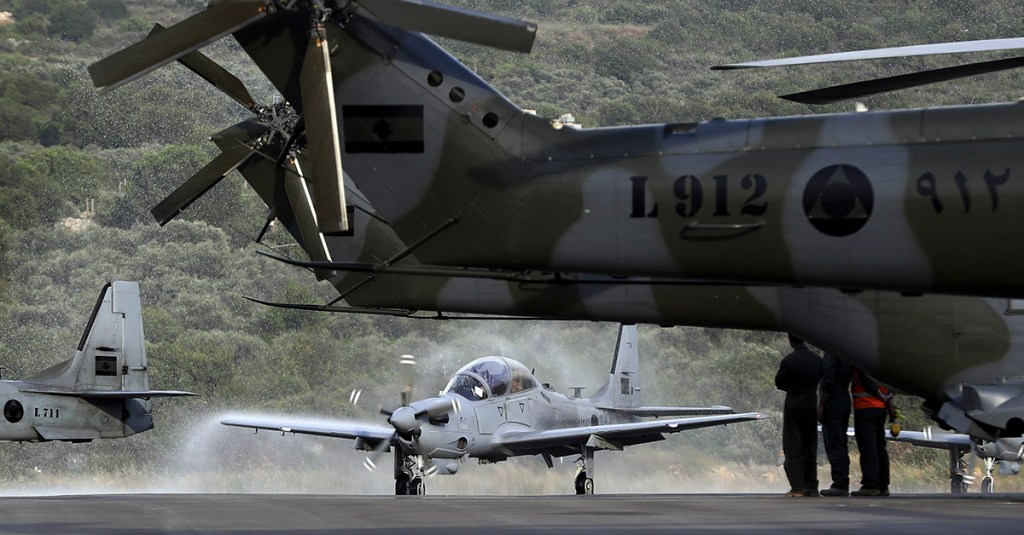
It’s time to update US defense export policies
Our enemies control and preserve their military-industrial complex with an iron fist, while ours must function like any other publicly traded business in the United States.
-
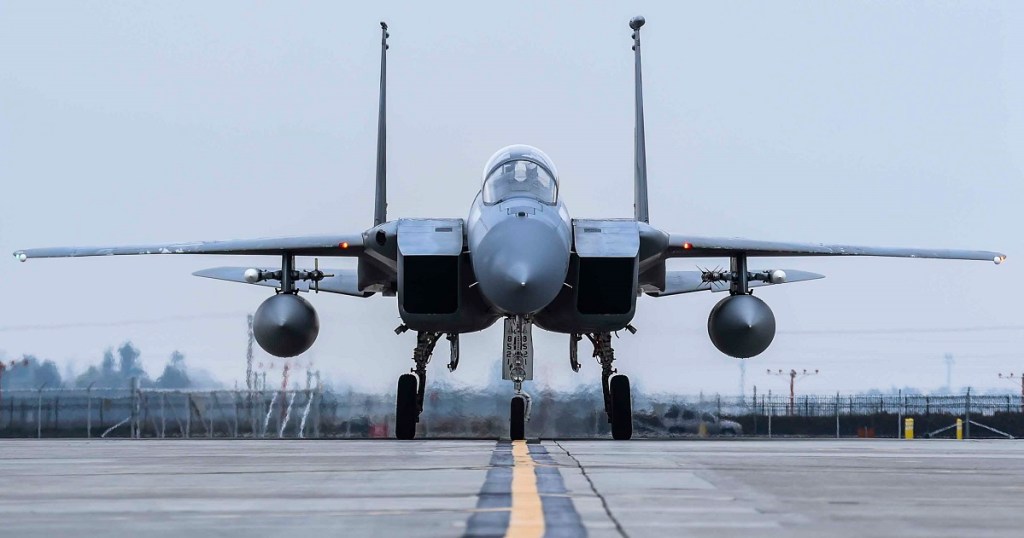
Defeating modern air defenses is achievable with smart strategies, not only stealth and standoff
Air forces need not be entirely stealthy nor exclusively standoff to execute effective rollback strategies like Desert Storm or Operation Iraqi Freedom.
-
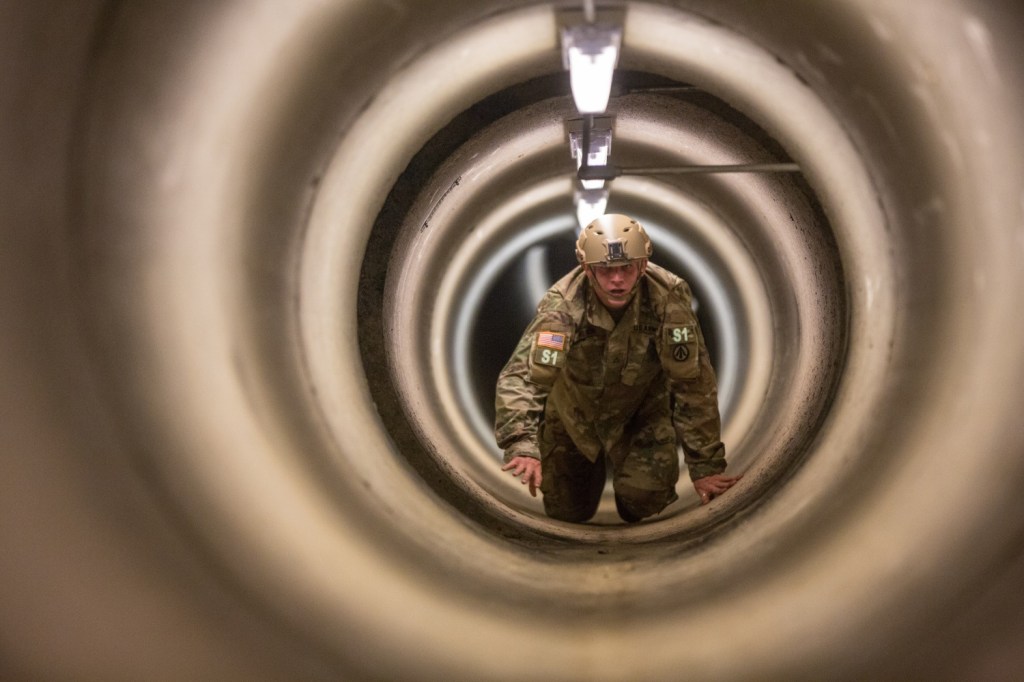
And after the Space Force, a Subterranean Force?
Will U.S. defense leaders want a seventh force in the future?
-

In contemporary warfare, cyber trumps nukes
While President Trump obsesses about politics, the U.S. is exposed to great danger.
-
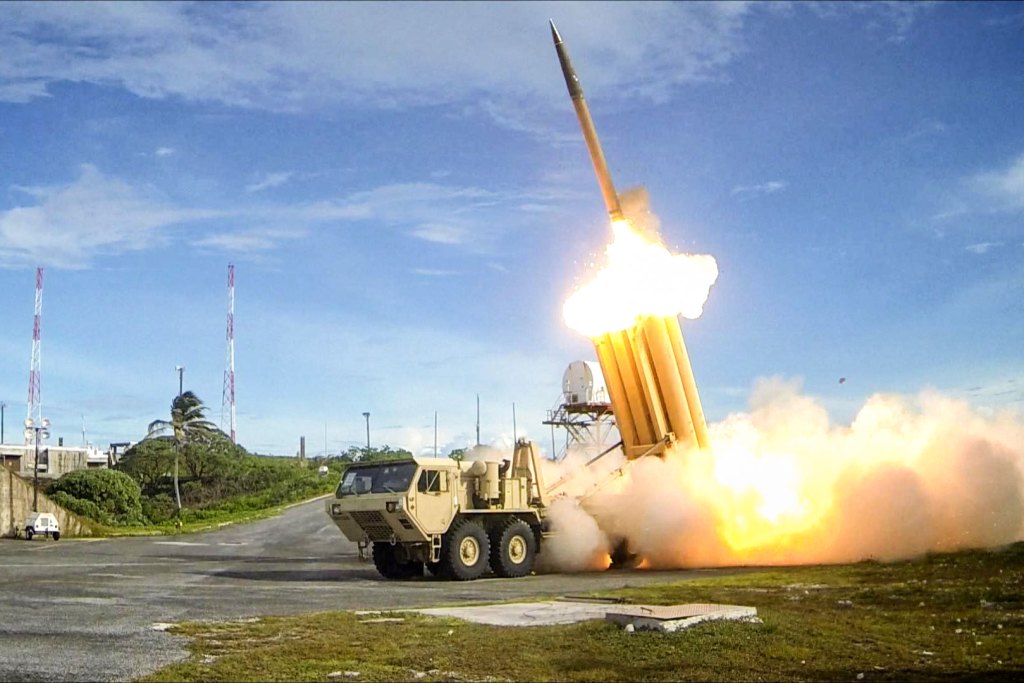
Reorganizing the missile defense enterprise
Make no mistake: The first time someone isn’t looking, Army budgeteers will probably try to use the additional funding to buy trucks rather than THAADs, and Navy budgeteers will try to buy hulls and Tomahawks rather than SM-3s.
-
30 years at Defense News: Reflections from a ‘war industry stooge’
After 30 years at Defense News, Israel correspondent Barbara Opall-Rome says farewell.
-
The US armed forces have a mobility problem
The deterrent capability of our military is weakened by our inability to deploy combat-ready forces quickly.
-
Fair competition? Not if you look global
It’s no secret — in the U.S., domestic defense companies have an advantage.
-
Defense and Silicon Valley: Don’t let Google’s folly set the tone
We could bemoan Google’s narrow vision or wrestle with cultural questions forever, but we are interested in pragmatic solutions for the rest of the innovation ecosystem.
-
The Defense News Top 100 captures some changes, but what’s missing?
The list begs that question of scale needed to compete in defense. There’s no one-size-fits-all answer here.
-
It’s time to update US defense export policies
Our enemies control and preserve their military-industrial complex with an iron fist, while ours must function like any other publicly traded business in the United States.
-
Defeating modern air defenses is achievable with smart strategies, not only stealth and standoff
Air forces need not be entirely stealthy nor exclusively standoff to execute effective rollback strategies like Desert Storm or Operation Iraqi Freedom.
-
And after the Space Force, a Subterranean Force?
Will U.S. defense leaders want a seventh force in the future?
-
In contemporary warfare, cyber trumps nukes
While President Trump obsesses about politics, the U.S. is exposed to great danger.
-
Reorganizing the missile defense enterprise
Make no mistake: The first time someone isn’t looking, Army budgeteers will probably try to use the additional funding to buy trucks rather than THAADs, and Navy budgeteers will try to buy hulls and Tomahawks rather than SM-3s.