The Office of the Director of National Intelligence released its annual threat report Wednesday, outlining the broader intelligence community’s assessment of dangers to the U.S. and its interests and military installations abroad.
In remarks to the Senate Select Committee on Intelligence, Director of National Intelligence Tulsi Gabbard focused heavily on the threat of foreign terror groups with Islamist ideology to the U.S. and to “Western civilization.”
The phrase, while absent from recent threat reports, “fits the broader approach the administration has taken to U.S. allies in Europe, which is arguing that the threat is to Western civilization from immigrants,” according to Daniel Byman, director of the Warfare, Irregular Threats and Terrorism Program at the Center for Strategic and International Studies.
“The spread of Islamist ideology, in some cases led by individuals and organizations associated with the Muslim Brotherhood, poses a fundamental threat to freedom and foundational principles that underpin Western civilization,” Gabbard said Wednesday. “Islamist groups and individuals use this ideology for recruiting and financial support for terrorist groups and individuals around the world, and to advance their political objectives of establishing an Islamist caliphate which governs based on Sharia [law].”
The report highlights the risks posed by Hezbollah, the Lebanese Shia group working closely with the Iranian regime and currently fighting Israeli forces that have launched operations inside southern Lebanon. Hezbollah has been a critical actor in regional conflict, recently in the Syrian civil war and launching attacks against Israel in support of the Palestinian group Hamas.
Hezbollah has been severely degraded over the past two years, as Israel has wiped out much of its top political and military leadership. Still, the Lebanese state has thus far failed to reach an agreement to disarm the group.
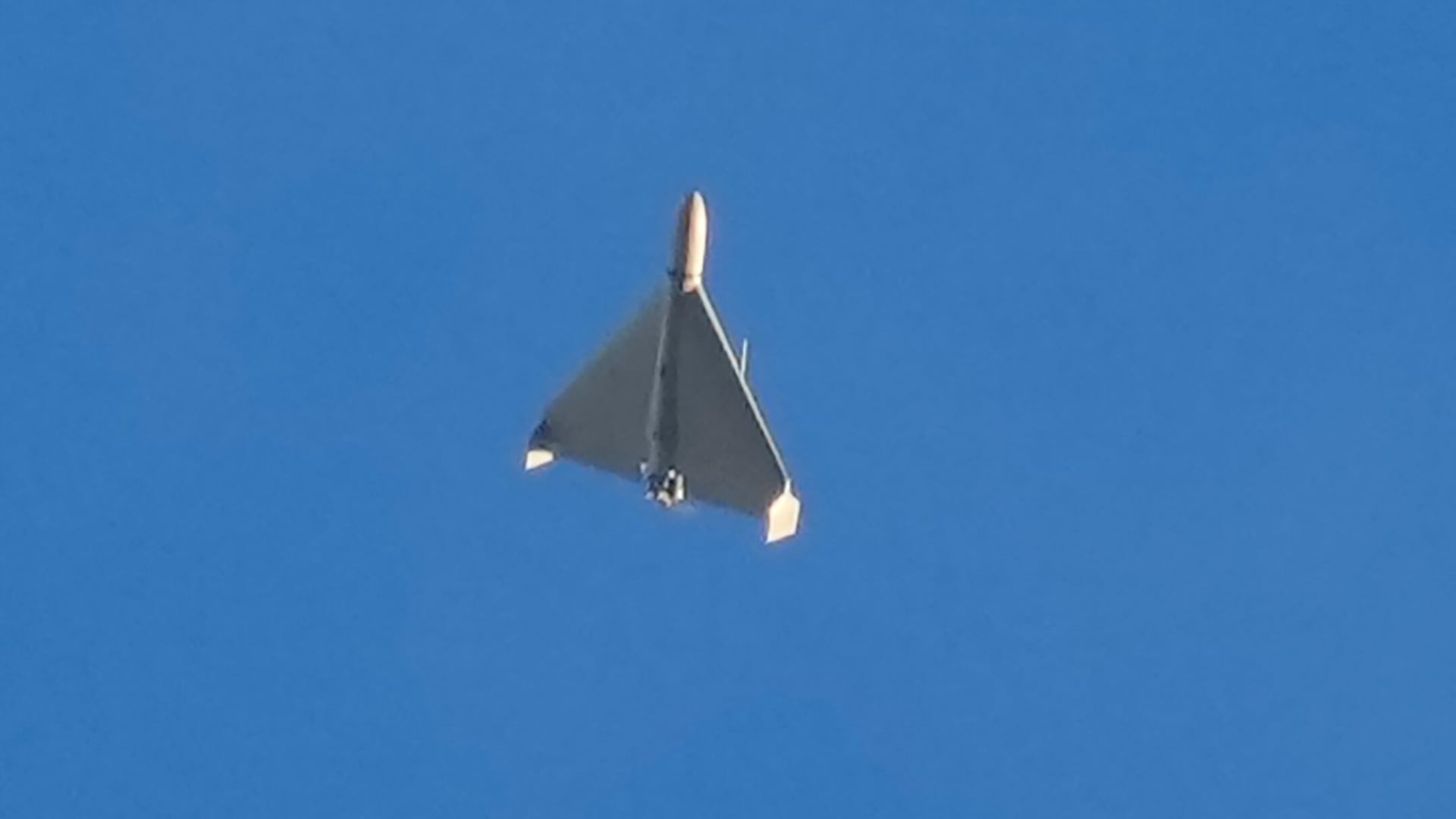
Since the fall of the Assad regime in Syria, Hezbollah also lacks a reliable conduit for trade with Iran, although some smuggling continues. Additionally, the group may have been responsible for a drone attack on a British air base in Cyprus earlier this month.
Iranian proxy groups like Kataib Hezbollah and other militias, also referenced in the report, do pose a threat to U.S. assets and military installations in Iraq in particular, as they have for several years. The ongoing joint U.S.-Israeli operation against Iran means the threat of such attacks has increased.
The report’s other major concerns, including ISIS- and Al Qaeda-linked groups in Africa, likely pose more of a threat within their regional or national contexts.
ISIS is still active in parts of Syria, and could present a more significant threat in a nation struggling to stabilize and avoid civil war after decades of dictatorship.
Other ISIS-linked groups, like ISIS-Khorasan in Southwest Asia, have presented capabilities of attacking internationally in the past, though recent attacks have been more confined to regional focus points.
African groups, such Al Shabaab in the Horn of Africa and Boko Haram in Nigeria, continue to pose threats as well.
“Locally, a number of these groups are doing very well,” Byman said. “They’ve been conquering territory. They’re threatening capitals in some areas, [but] they don’t seem to have a huge or particularly active international presence.”