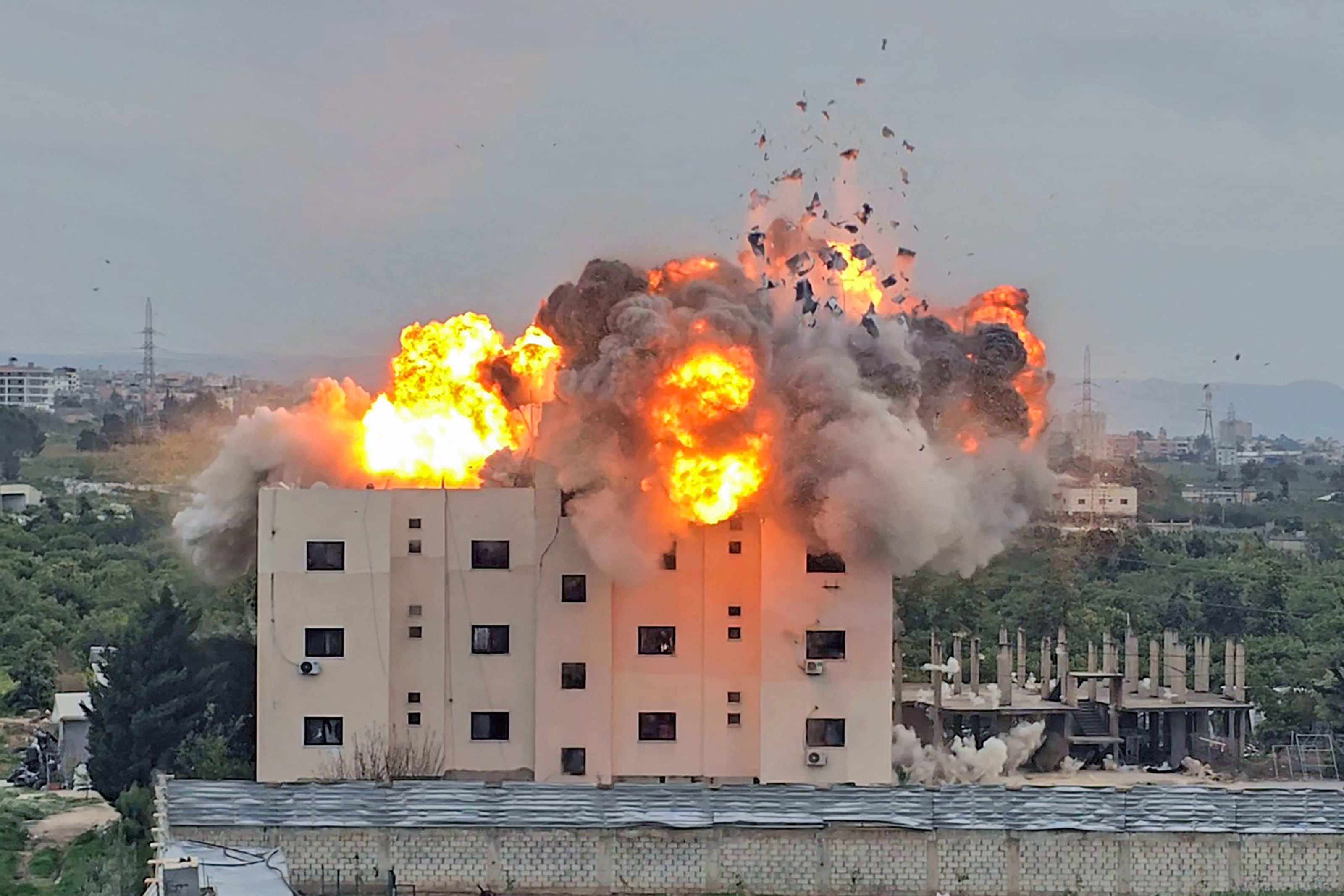
BEIRUT, Lebanon — Days after the United States and Israel started a war against Iran on Feb. 28, the Lebanese Cabinet banned any military activities of Iran-backed Hezbollah, requiring the armed group to hand over its weapons to the Lebanese state. The decision followed Hezbollah’s launch of a barrage of missiles toward northern Israel, the first such attack since the ceasefire of late 2024.
But enforcing the ban has proven difficult.
Hezbollah’s missile attacks, in response to the killing of Iran’s Supreme Leader, Ayatollah Ali Khamenei, have unleashed a punishing response from Israel that could further weaken the government and even lead to sectarian strife, according to analysts.
The government had instructed its army to “prevent any attacks originating from Lebanese territory” and declared its commitment to the cessation of hostilities outlined in a 2024 ceasefire agreement between Hezbollah and Israel.
“The Lebanese government’s decision is an attempt to contain the political and security fallout from Hezbollah’s preemptive strike on Israel, which has reignited the conflict in Lebanon amid the broader regional escalation,” said Dina Arakji, United Arab Emirates-based analyst at Control Risks and non-resident fellow at Middle East Institute.
RELATED
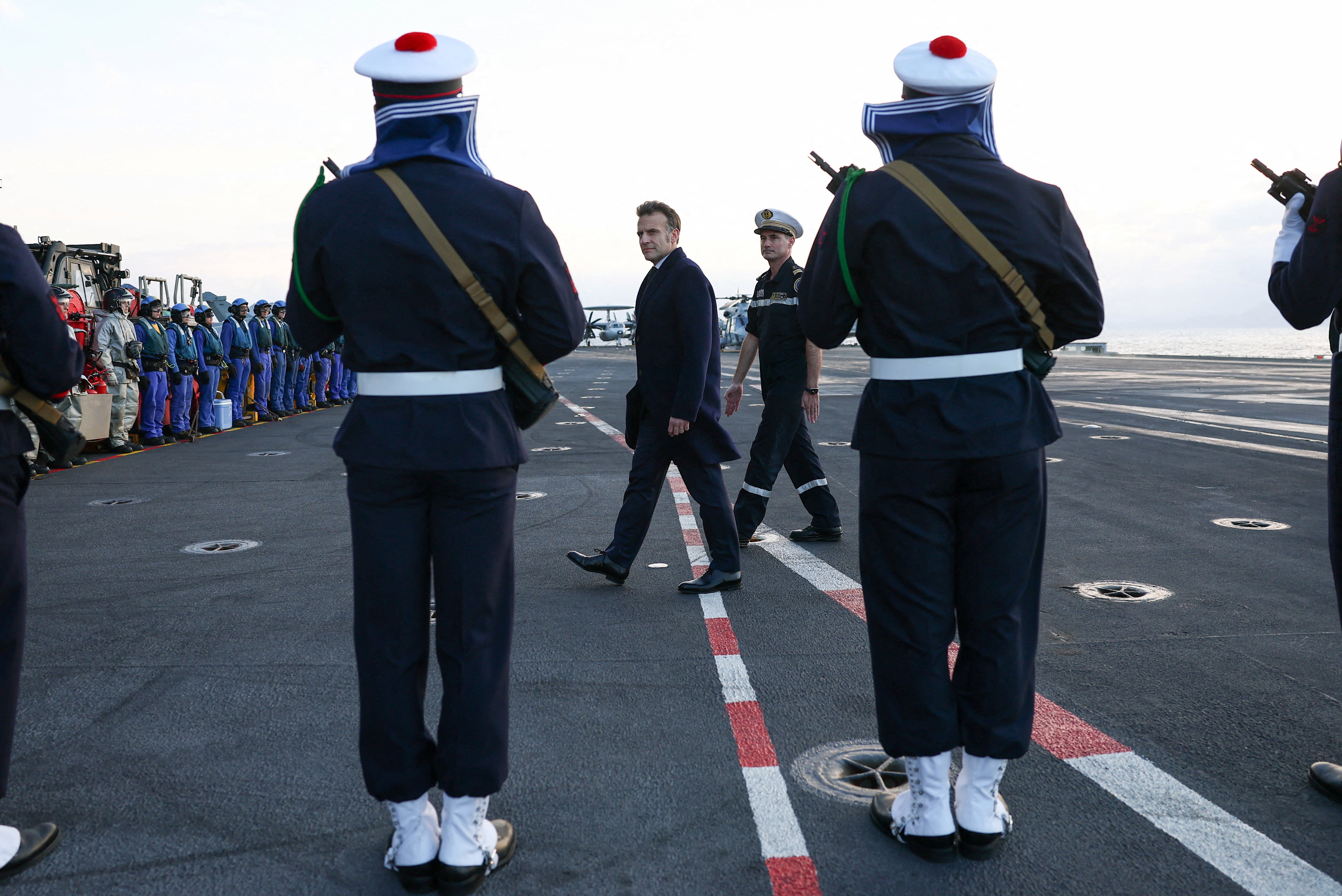
“Hezbollah has lost what it is called ‘deterrence balance,’” said Hisham Jaber, a former major general of the Lebanese Armed Forces (LAF). “So, it believes it has no choice but to continue the battle.”
Since March 2, the Israeli army has ramped up its attacks on Lebanon and issued evacuation orders that have led to the mass displacement of hundreds of thousands of people from large areas of the country. According to the Lebanese Ministry of Health, more than 800,000 people have been displaced, and at least 773 people have been killed.
Before the current escalation, near-daily Israeli strikes have pummeled the south of the country, despite the 2024 ceasefire agreement.
The decision by the Lebanese government of directly targeting the group’s arsenal is unprecedented and sends a political message to regional and international interlocutors.
“Since the end of the civil war, Hezbollah’s weapons have been practically exempt from all decisions related to disarming militias, as they are considered weapons of resistance against Israeli occupation,” explained Mounir Shehade, a former brigadier general in Lebanon’s armed forces.
Prime Minister Nawaf Salam has stressed that the government remains committed to disarming Hezbollah and ultimately restoring the state’s monopoly over weapons and decisions of war and peace.
The ban provides political legitimacy for the army to take action, dismantling unofficial military structures and arresting individuals carrying unauthorized weapons.
However, according to Jaber, the army is in no position to search for weapons while the country is under Israeli bombardment.
RELATED
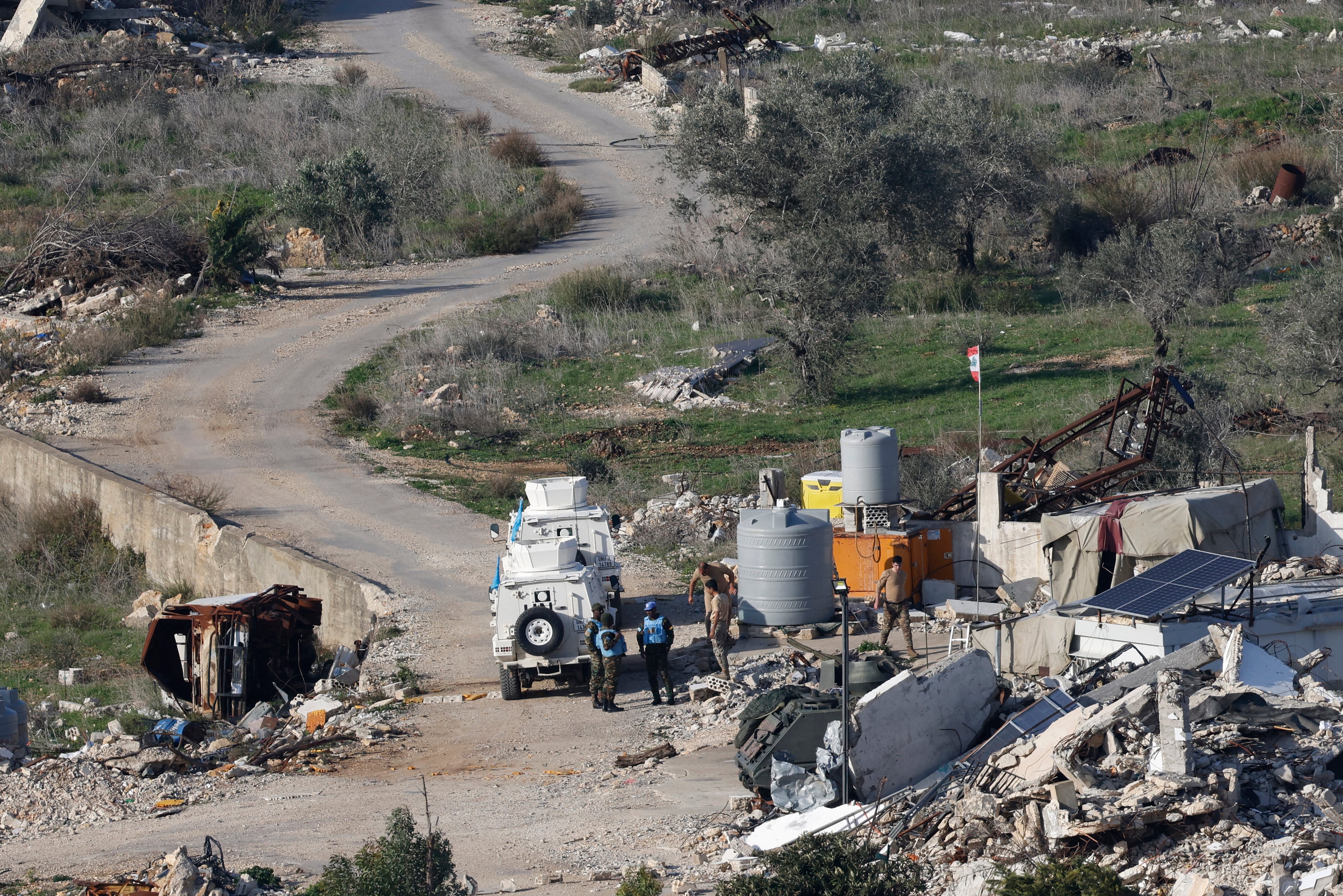
Previous governments have avoided dealing with the issue of weapons. The reasons include the sensitivity of the sectarian balance, Hezbollah’s military and political power, and the limited capacity of the Lebanese state and the army.
According to analysts, these reasons continue to stall the implementation of any political decisions. Mounting Israeli and U.S. pressure on the Lebanese state further exacerbates the situation.
“This makes the enforcement of a decision to disarm it by force virtually impossible without a major internal conflict,” Shehade said.
The Lebanese army had begun arresting non-state actors and individuals carrying unlicensed weapons. But following one such arrest, the Military Court released three Hezbollah supporters on financial bail of approximately $20 for the illegal possession and transport of weapons.
According to Jaber, any conflict between the army and Hezbollah could even threaten the unity of the army itself. “Throughout the last five decades, the Lebanese army has been divided four times,” he noted.
Agnese Stracquadanio is a Middle East correspondent for Defense News. She has a background in writing and photojournalism, holds a master's degree in international relations, and previously worked for Reuters.