WELLINGTON, New Zealand — Chris Penk this week became New Zealand’s 44th minister of defense, replacing Judith Collins who is retiring from politics.
Penk will also take over Collins’ Space, Government Communications Security Bureau (GCSB) and New Zealand Security Intelligence Service (NZSIS) portfolios.
Penk is the first defense minister to have previously served with both New Zealand and Australian forces. He joined the Royal New Zealand Navy in 2000, serving as an officer of the watch on the Anzac-class frigate HMNZS Te Kaha.
He joined the National Party and was elected to Parliament in September 2017.
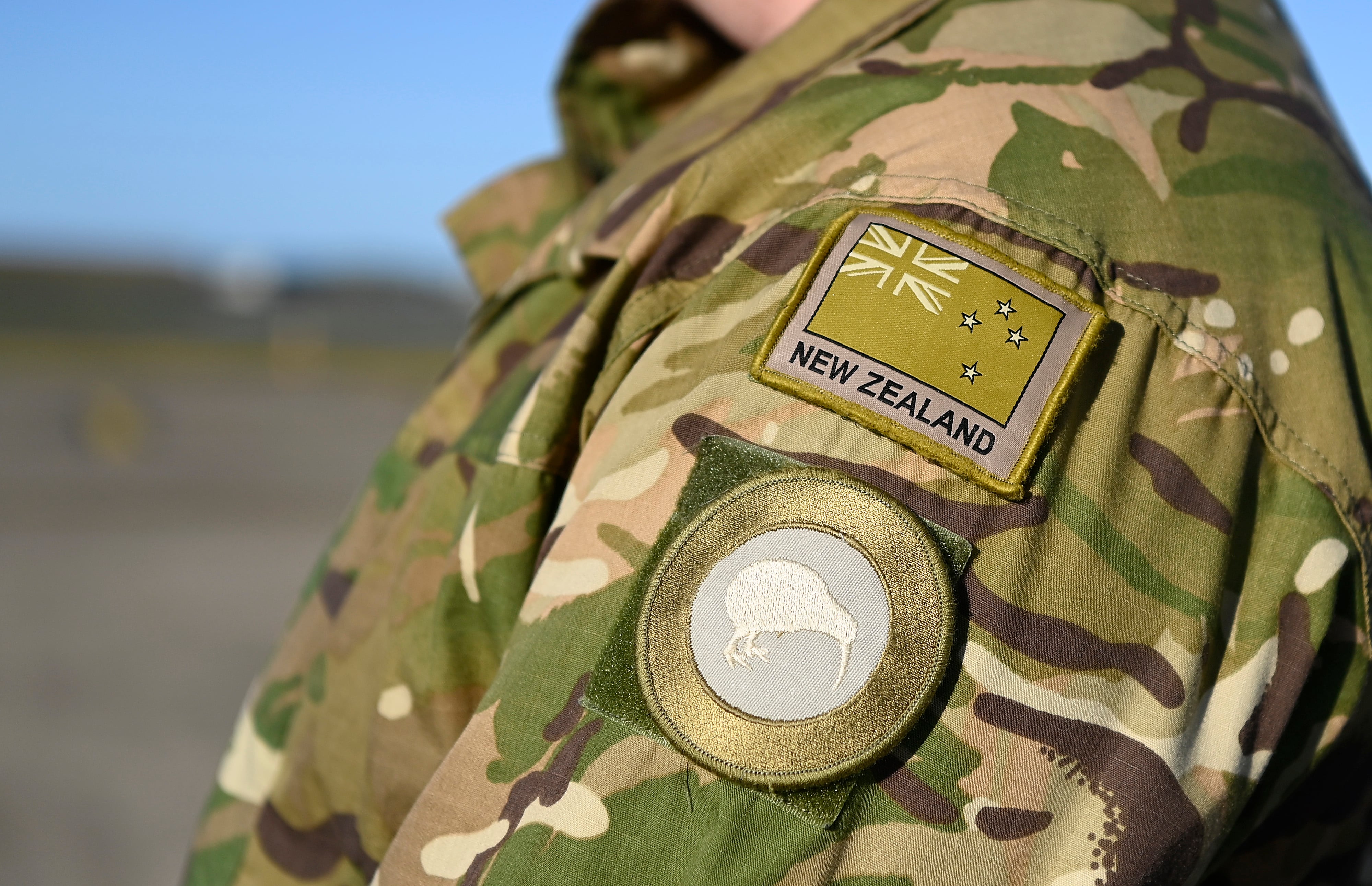
The New Zealand Defence Force (NZDF) is currently experiencing a significant increase in integration with the Australian Defence Force (ADF), aiming for an increasingly integrated, interchangeable force by 2035.
This initiative, formalized earlier this year, involves embedding personnel in each other’s units, shared capability development, and synchronized training to operate as a “joint force” in response to a deteriorating security environment.
For example, Royal NZ Air Force units have been operating under ADF call signs, while embedded within Royal Australian Air Force (RAAF) units.The two nations aim to operate seamlessly together by 2035, serving as force multipliers for one another while maintaining sovereign independence. Australian and New Zealand officers are serving in senior positions in each other’s command structures.
The NZDF’s operational expansion is not limited to neighboring Australia. An Air Commodore has this year been appointed to New Delhi to serve as New Zealand’s Defence Advisor to India. Previous officers in that role have been resident elsewhere.
The India-New Zealand Memorandum of Understanding for Defence Cooperation was signed just over a year ago.
Closer to home is the state of New Zealand’s relationships with South Pacific states, including the Cook Islands and the Solomons, which rely upon Wellington for their security and foreign affairs. China has been encouraging Pacific islands to accept contentious ties with Beijing.
In December 2025, Chief of Defence Air Marshal Tony Davies told Parliament that the country needs to be able to increase its armed forces “significantly and quickly.”
Davies said the NZDF, which has over 15,000 personnel, had cut the average time it took to recruit personnel from 300 days to under 200 and are aiming for just 90 days.
Defence spending, recently around 1% of GDP, is budgeted to reach 2% over the next seven years. In April 2025 the coalition government’s prime minister, Chris Luxon, said current defense spending is too low. However, he has since declared an election in November and politicians will be wary of upsetting voters.
Nick Lee-Frampton is the New Zealand correspondent for Defense News.