-

Soaring US munitions demand strains support for Israel, Ukraine, Taiwan
The military is having difficulty maintaining adequate munitions inventory levels as wars erupt in the Middle East, Europe and possibly the Pacific.
-
How the Pentagon can more rapidly buy and field the latest tech
With rare exceptions, the U.S. Defense Department cannot acquire new technologies and systems in a timely manner.
-

Senators push to update nuclear military might in defense bill
The Restoring American Deterrence Act focuses on deploying additional ICBMs, uranium enrichment and Defense Production Act grants for industry.
-

Sullivan urges Israeli restraint on Rafah, stresses Ukraine munitions
Discussing Biden’s foreign aid package, the national security adviser urged Israel against invading Rafah and stressed the need to boost arms to Ukraine.
-

Lidar: Another emerging technology brought to you by China
More must be done to safeguard U.S. data and prevent dependence on geopolitical adversaries for a critical, emerging technology.
-

Congress sends Ukraine, Israel, Taiwan aid package to president’s desk
After months of delays, Congress passed a $95 billion package that includes funds to arm Ukraine, Israel and Taiwan.
-

Defense Innovation Unit prepares to execute $800 million funding boost
DIU Director Doug Beck said he doesn’t foresee any issues with quickly putting to work the $983 million in FY-24 funding Congress provided in March.
-

When will AUKUS allies receive US export control exemptions?
The State Department just updated Congress on efforts to give AUKUS allies a broad export control exemption but stopped short of a certification to do so.
-

Congress’ Pentagon budget increase is in need of transparency
A modicum of sunlight and oversight would help ensure that future Pentagon budget increases prioritize the nation’s best interests.
-

House passes contentious Ukraine, Israel, Taiwan aid package
The House advanced President Joe Biden’s foreign aid request for Ukraine, Israel and Taiwan six months after Congress first received the proposal.
-
Soaring US munitions demand strains support for Israel, Ukraine, Taiwan
The military is having difficulty maintaining adequate munitions inventory levels as wars erupt in the Middle East, Europe and possibly the Pacific.
-
How the Pentagon can more rapidly buy and field the latest tech
With rare exceptions, the U.S. Defense Department cannot acquire new technologies and systems in a timely manner.
-
Senators push to update nuclear military might in defense bill
The Restoring American Deterrence Act focuses on deploying additional ICBMs, uranium enrichment and Defense Production Act grants for industry.
-
Sullivan urges Israeli restraint on Rafah, stresses Ukraine munitions
Discussing Biden’s foreign aid package, the national security adviser urged Israel against invading Rafah and stressed the need to boost arms to Ukraine.
-
Lidar: Another emerging technology brought to you by China
More must be done to safeguard U.S. data and prevent dependence on geopolitical adversaries for a critical, emerging technology.
-
Congress sends Ukraine, Israel, Taiwan aid package to president’s desk
After months of delays, Congress passed a $95 billion package that includes funds to arm Ukraine, Israel and Taiwan.
-
Defense Innovation Unit prepares to execute $800 million funding boost
DIU Director Doug Beck said he doesn’t foresee any issues with quickly putting to work the $983 million in FY-24 funding Congress provided in March.
-
When will AUKUS allies receive US export control exemptions?
The State Department just updated Congress on efforts to give AUKUS allies a broad export control exemption but stopped short of a certification to do so.
-
Congress’ Pentagon budget increase is in need of transparency
A modicum of sunlight and oversight would help ensure that future Pentagon budget increases prioritize the nation’s best interests.
-
House passes contentious Ukraine, Israel, Taiwan aid package
The House advanced President Joe Biden’s foreign aid request for Ukraine, Israel and Taiwan six months after Congress first received the proposal.
-

Soaring US munitions demand strains support for Israel, Ukraine, Taiwan
The military is having difficulty maintaining adequate munitions inventory levels as wars erupt in the Middle East, Europe and possibly the Pacific.
-
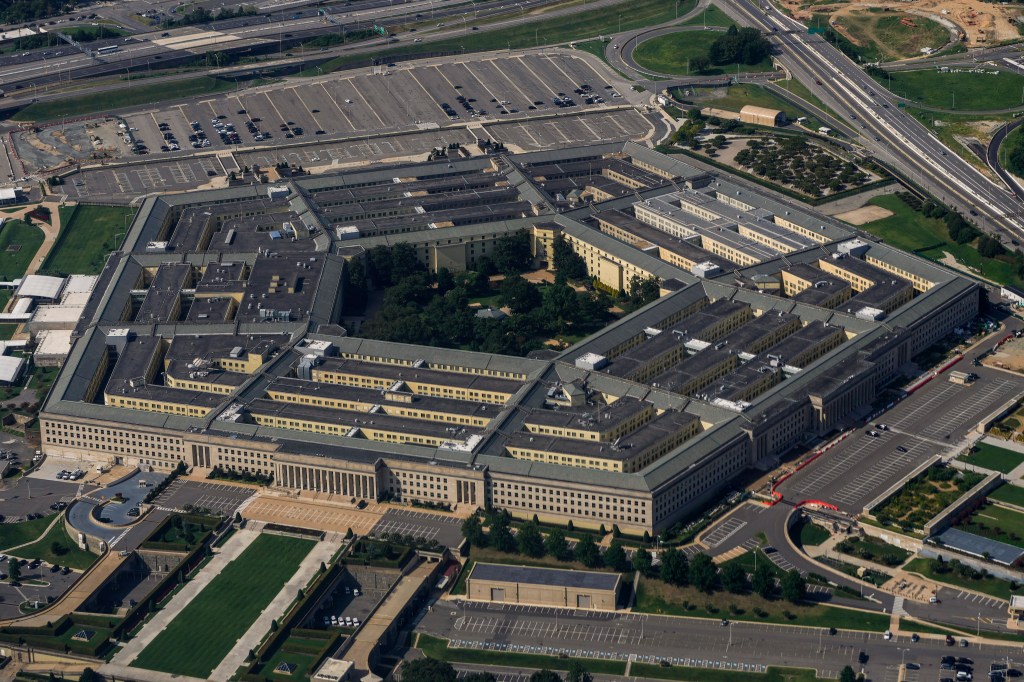
How the Pentagon can more rapidly buy and field the latest tech
With rare exceptions, the U.S. Defense Department cannot acquire new technologies and systems in a timely manner.
-

Senators push to update nuclear military might in defense bill
The Restoring American Deterrence Act focuses on deploying additional ICBMs, uranium enrichment and Defense Production Act grants for industry.
-

Sullivan urges Israeli restraint on Rafah, stresses Ukraine munitions
Discussing Biden’s foreign aid package, the national security adviser urged Israel against invading Rafah and stressed the need to boost arms to Ukraine.
-

Lidar: Another emerging technology brought to you by China
More must be done to safeguard U.S. data and prevent dependence on geopolitical adversaries for a critical, emerging technology.
-

Congress sends Ukraine, Israel, Taiwan aid package to president’s desk
After months of delays, Congress passed a $95 billion package that includes funds to arm Ukraine, Israel and Taiwan.
-

Defense Innovation Unit prepares to execute $800 million funding boost
DIU Director Doug Beck said he doesn’t foresee any issues with quickly putting to work the $983 million in FY-24 funding Congress provided in March.
-

When will AUKUS allies receive US export control exemptions?
The State Department just updated Congress on efforts to give AUKUS allies a broad export control exemption but stopped short of a certification to do so.
-

Congress’ Pentagon budget increase is in need of transparency
A modicum of sunlight and oversight would help ensure that future Pentagon budget increases prioritize the nation’s best interests.
-

House passes contentious Ukraine, Israel, Taiwan aid package
The House advanced President Joe Biden’s foreign aid request for Ukraine, Israel and Taiwan six months after Congress first received the proposal.