Congress’ proposed compromise National Defense Authorization Act would authorize $900.6 billion in discretionary defense spending in fiscal 2026, which would be an $8 billion increase over the Pentagon’s budget request this summer.
The NDAA language, which lawmakers released Sunday night, would earmark $162 billion for procurement spending, and another $146 billion for research, development test and evaluation. It calls for $291 billion for operations and maintenance and another $234 billion for military personnel and health spending.
The policy bill would fund several of President Donald Trump’s top defense priorities, including the sweeping Golden Dome missile defense program, the Air Force’s F-47 and Navy’s F/A-XX next-generation fighters, the B-21 Raider stealth bomber, Air Force drone wingmen referred to as collaborative combat aircraft, submarines and warships.
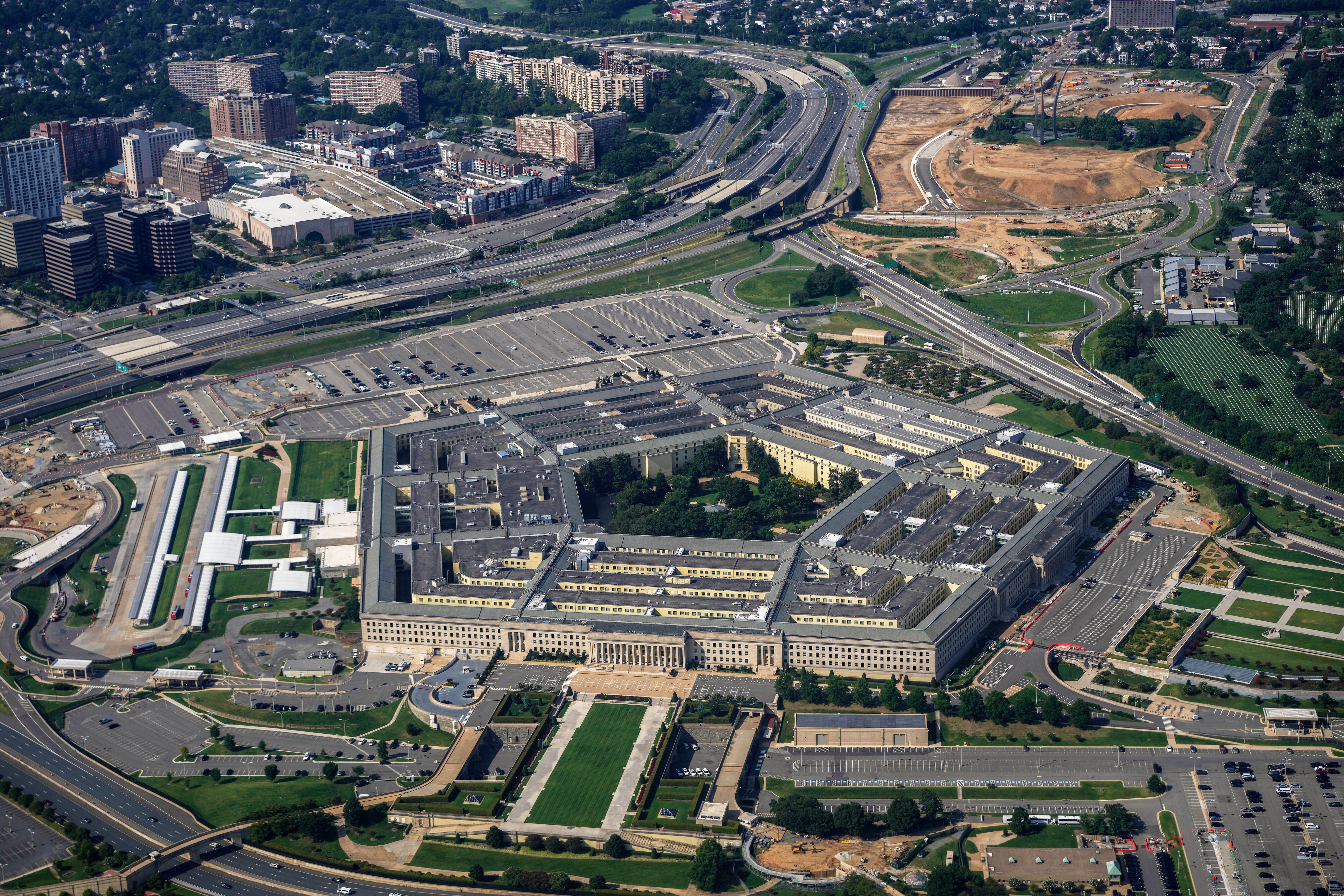
But it does not contain language that would formally change the Defense Department’s official name to the War Department, Trump and Defense Secretary Pete Hegseth’s preferred moniker. Hegseth often emphasizes the adoption of the War Department name as signifying a shift in focus towards lethality, but it would take an act of Congress to officially rename it.
In all, the NDAA would authorize more than $38 billion to develop, procure or modernize existing aircraft across the military.
It would also authorize $26 billion in shipbuilding funds to build or support the third Columbia-class ballistic missile submarine and one Virginia-class submarine, as well as advanced procurement for future submarines and future DDG-51 Arleigh Burke-class destroyers, full funding for the Ford-class aircraft carrier program, one anti-submarine warfare auxiliary ship and two ship-to-shore connector landing craft.
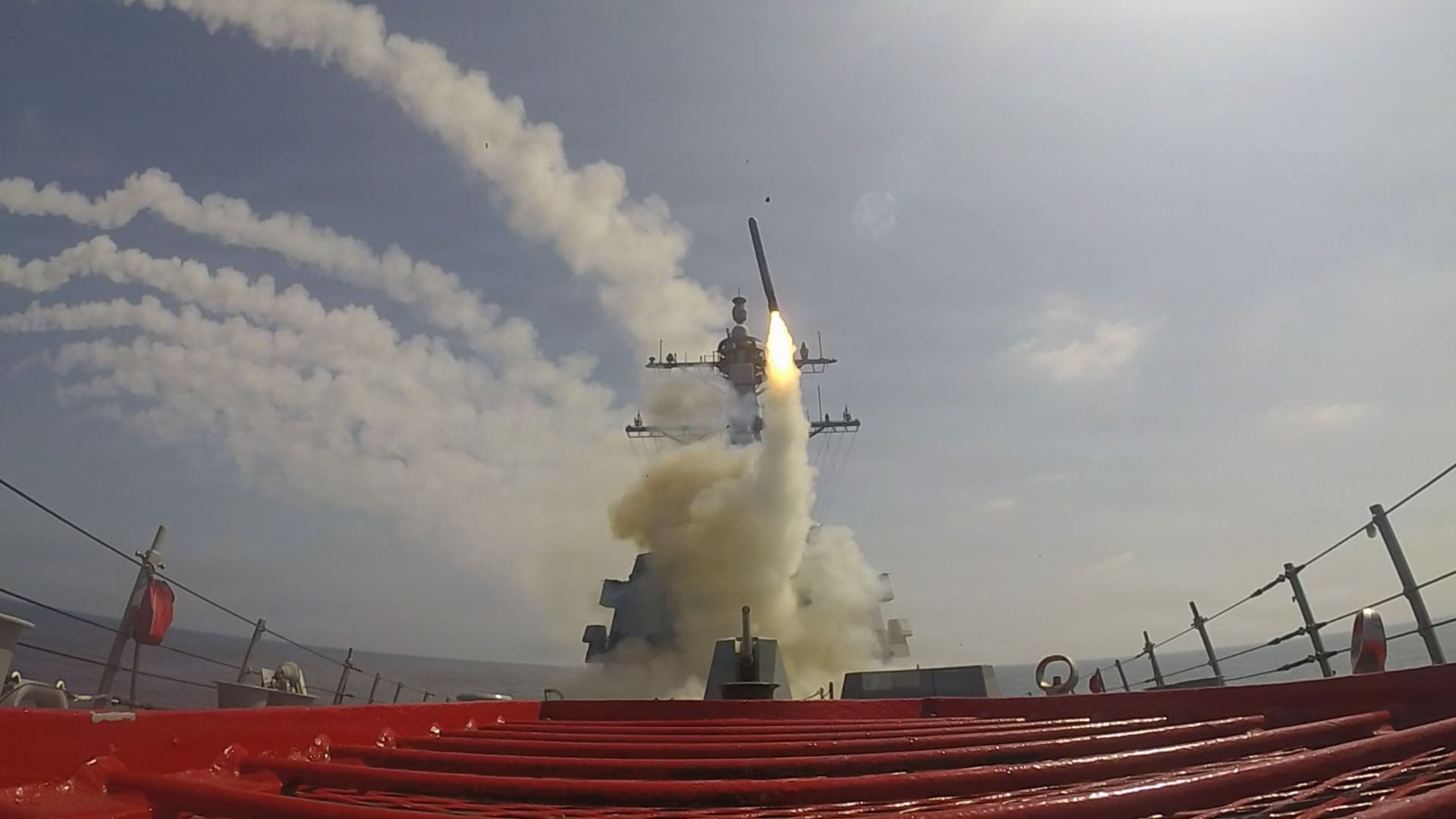
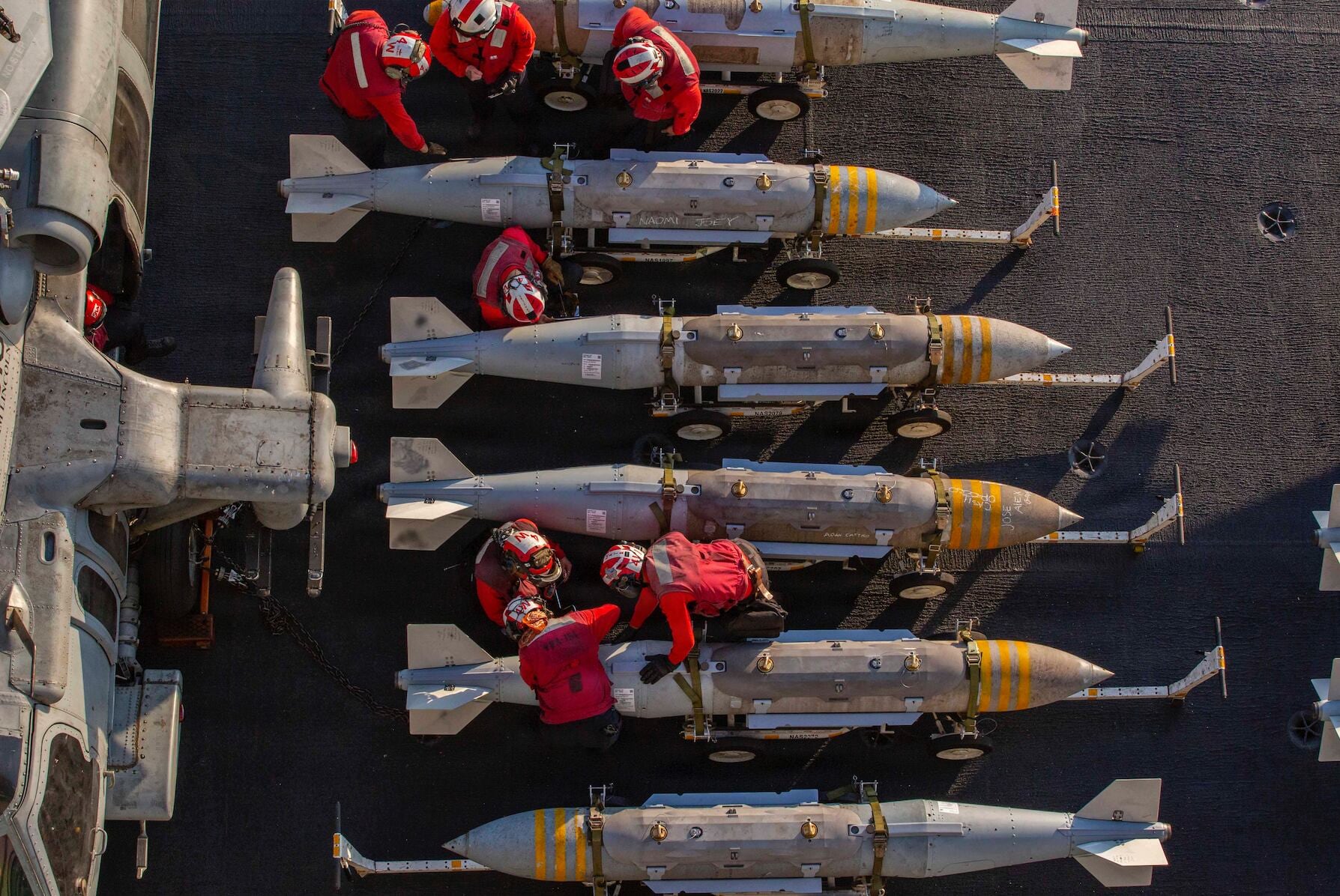
It also would authorize more than $25 billion to replenish the nation’s stock of critical munitions, including precision strike missiles, joint air-to-ground missiles, Naval Strike Missiles, Javelins, Stingers, Sidewinders, Tomahawks, Guided Multiple Launch Rocket Systems, Advanced Medium Range Air-to-Air Missiles, artillery rounds and joint direct attack munitions.
The NDAA would authorize the Pentagon to buy 47 F-35 Joint Strike Fighters in total across the Air Force, Navy and Marine Corps. That is in line with the Pentagon’s original budget request released this past summer, and would be a reduction from the 69 the Pentagon had originally expected to buy this year. The military bought 74 F-35s in 2025.
The Pentagon’s proposed 2026 budget said that the Air Force expected to buy 24 F-35A fighters, a little more than half of the 44 jets it bought in 2025.
The department said this summer that instead of buying as many F-35s, it wanted to spend more money on sustaining the jets and making sure it had a strong supply base that can support operations and maintenance, as well as making sure the planned upgrades, known as Block 4, stay on track.
The House Armed Services Committee said in an August report on its initial version of the NDAA that it supported the Pentagon’s decision to shift its focus more to sustainment and improvements, saying that approach is necessary to ensure the jets are ready to “fight tonight.”
The compromise NDAA would require the military to build up its stockpile of spare F-35 parts, and have at least 90 days’ worth of parts on hand by the end of September 2028.
The NDAA will also keep requiring the Government Accountability Office to evaluate the F-35 program each year, and for the secretary of defense to develop a plan to acquire and integrate open mission systems architecture into F-35 jets.
The NDAA would provide a reprieve for the Air Force’s E-7 Wedgetail airborne battle management program, of which Hegseth has been skeptical and the Pentagon sought to kill in its budget proposal.
Lawmakers would bar the Pentagon from canceling Boeing’s rapid prototype contract for the first two E-7s, or shutting down production lines of the jet, which is already flown by Australia.
The bill would require the Air Force to keep at least 103 A-10 Warthog aircraft until the end of September 2026, as well as providing a report by the end of March on the service’s plans to retire the rest of the jets before fiscal 2029, and how they will be replaced.
The bill would provide nearly $2.6 billion for the Air Force’s F-47 next-generation fighter, in line with the service’s request.
It would also require the Air Force secretary to send the House and Senate defense committees a report on the F-47 program by March 2027. This report would include a description of the F-47’s requirements and projected costs and schedule through 2034, and an acquisition strategy.
Congress also wants to see a proposed strategy to field the F-47, including estimated force structure, construction and personnel training requirements; strategic basing considerations; and a strategy to integrate Air National Guard and Air Force Reserve units into F-47 operations.
The Air Force would have to show Congress a plan to extend the life of its arsenal of roughly 400 LGM-30G Minuteman III intercontinental ballistic missiles until the successor LGM-35A Sentinel nuclear missile is fully operational.
The bill would also bar the Air Force from reducing its arsenal of intercontinental ballistic missiles to fewer than 400, and keep at least 450 launch silos operational.
And the Air Force would not be able to accept more than 188 KC-46A Pegasus aerial refueling tankers until the department shows Congress a plan to correct all of its remaining major deficiencies.
Stephen Losey is the air warfare reporter for Defense News. He previously covered leadership and personnel issues at Air Force Times, and the Pentagon, special operations and air warfare at Military.com. He has traveled to the Middle East to cover U.S. Air Force operations.