-
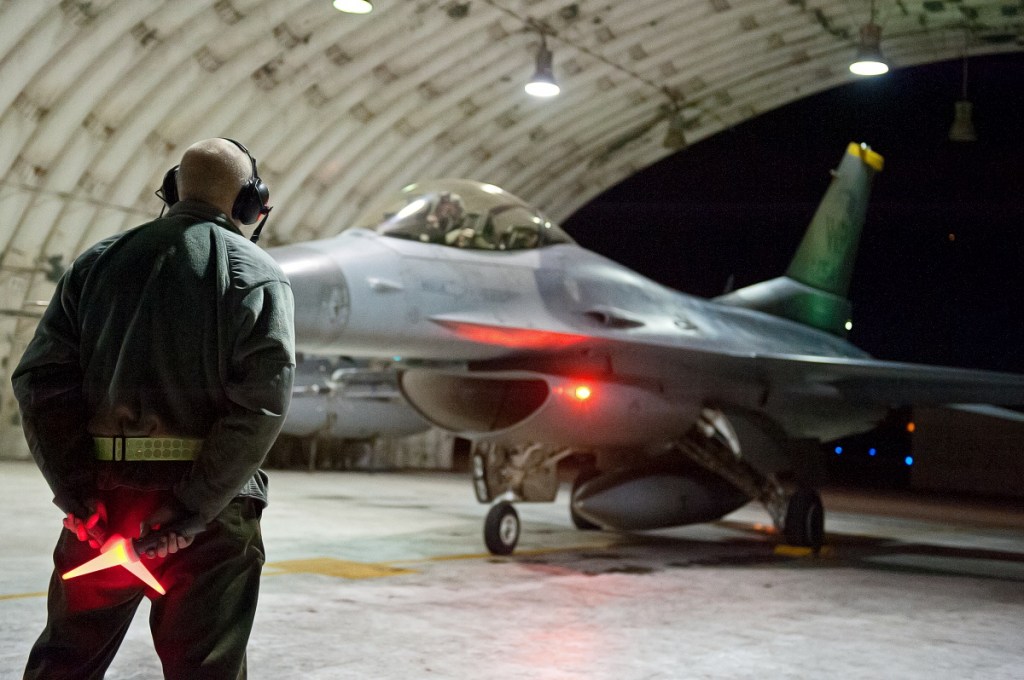
America’s Air Force is too small
America’s Air Force cannot afford to come up short. It needs 386 operational squadrons to remain the pre-eminent Air Force in the world.
-
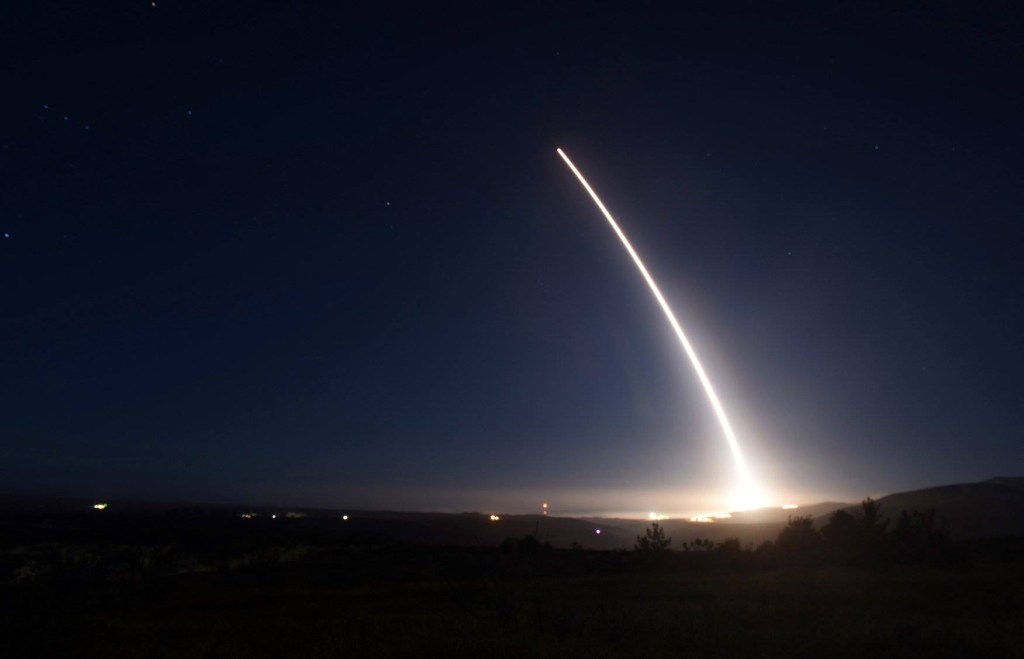
America must invest in R&D, personnel for arms control verification
The U.S. needs more investment in research and development, and more scientists and engineers committed to national security, to address help verify arms control agreements.
-
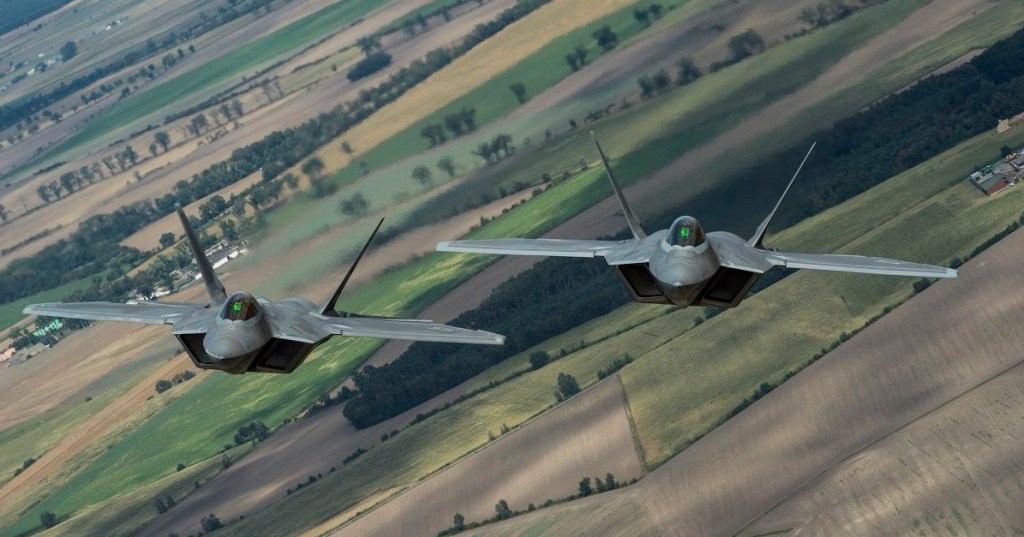
Operational energy data is the new weapon of the US Air Force
We can no longer assume that “taking off full and landing empty” equates to maximum efficiency.
-
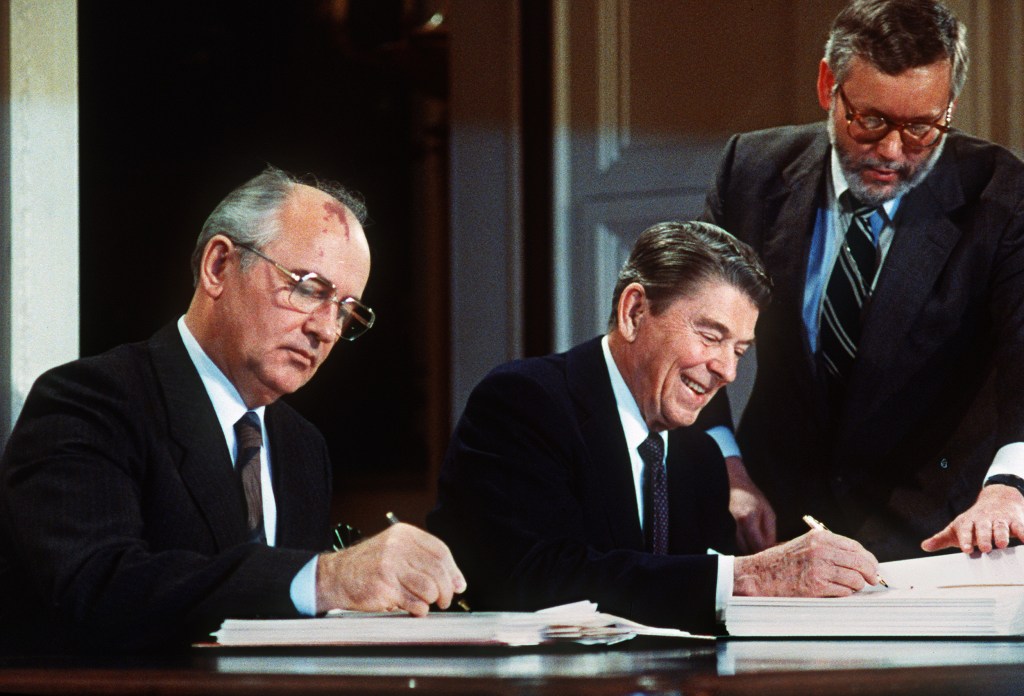
INF Treaty: The problem with the arms control community
When one party continually violates the agreements it has signed without penalty, it establishes a pattern that undercuts the value of treaties and discredits the entire practice of such diplomacy.
-

Confronting the axis: Is the US prepared for a regional war with Iran and its allies?
Brian Katz of CSIS lays out the three key challenges American planners need to consider when looking at potential conflict with Iran.
-
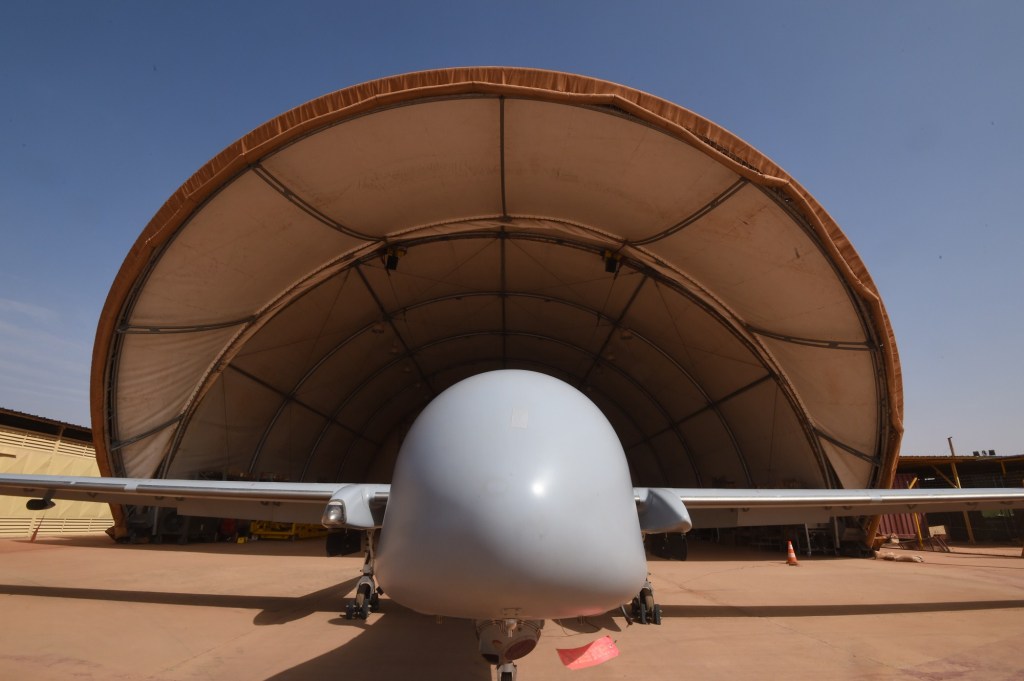
Is the new US drone base in Niger worth the cost?
While the militants of northern and western Africa are undoubtedly dangerous, they are not a direct threat to the United States.
-
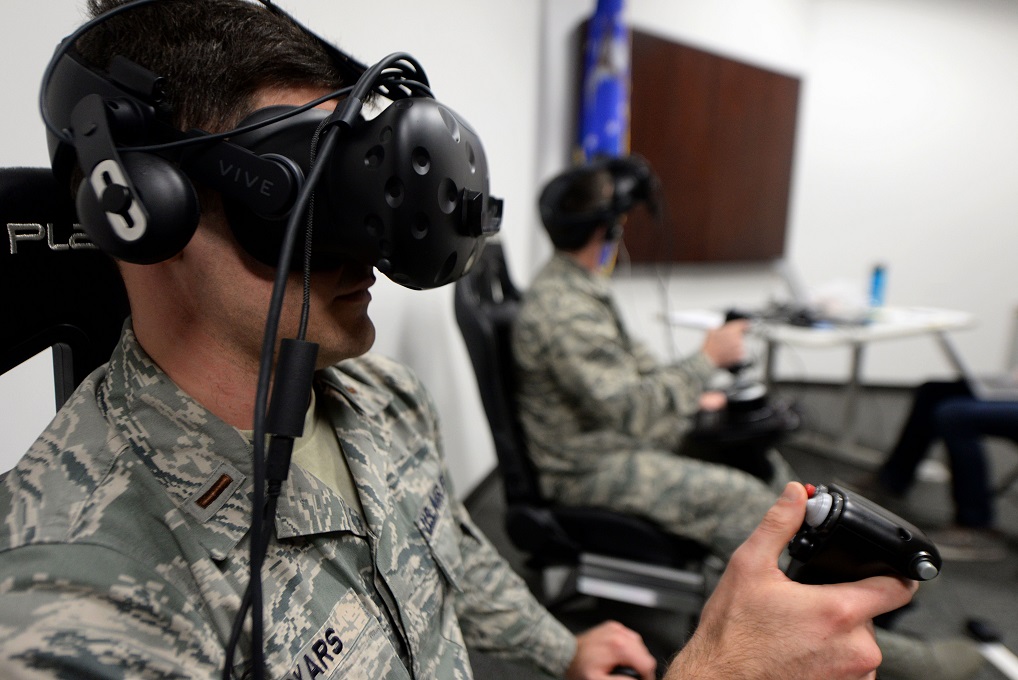
Are we doing enough to secure modern DoD virtual training?
If left unaddressed, cyberthreats could disrupt the training of U.S. military forces and ultimately provide an advantage to adversaries in the real battlespace.
-
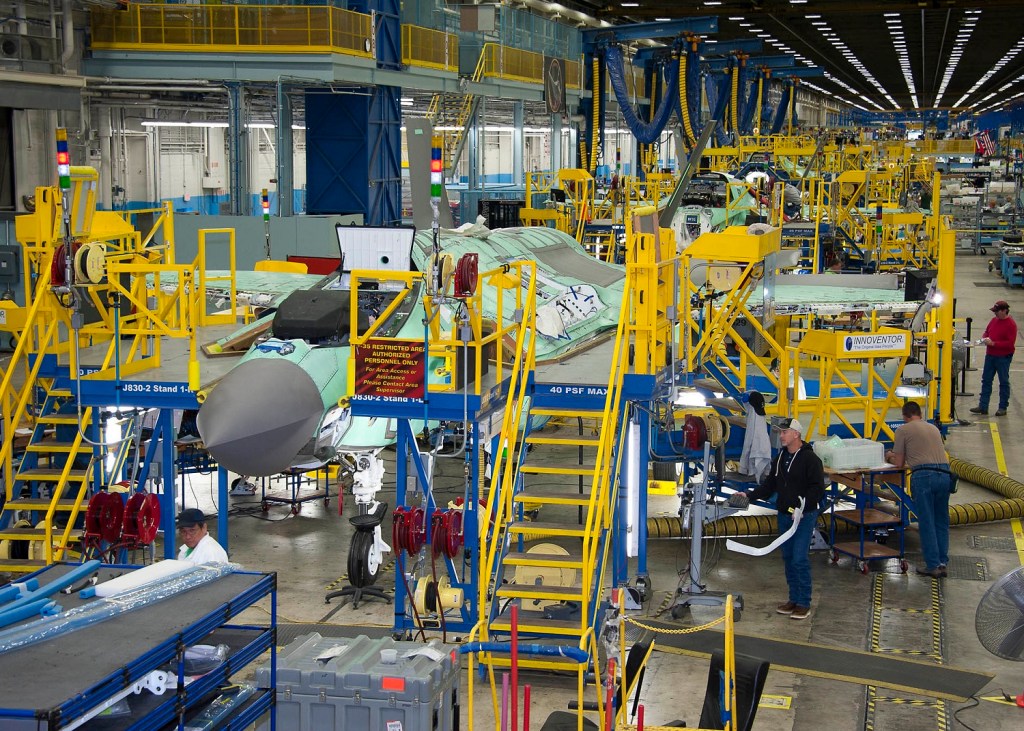
A stronger defense-industrial base starts with Congress
In an era of great power competition, America cannot afford to depend solely on one of our competitors; it leaves the country unacceptably vulnerable.
-
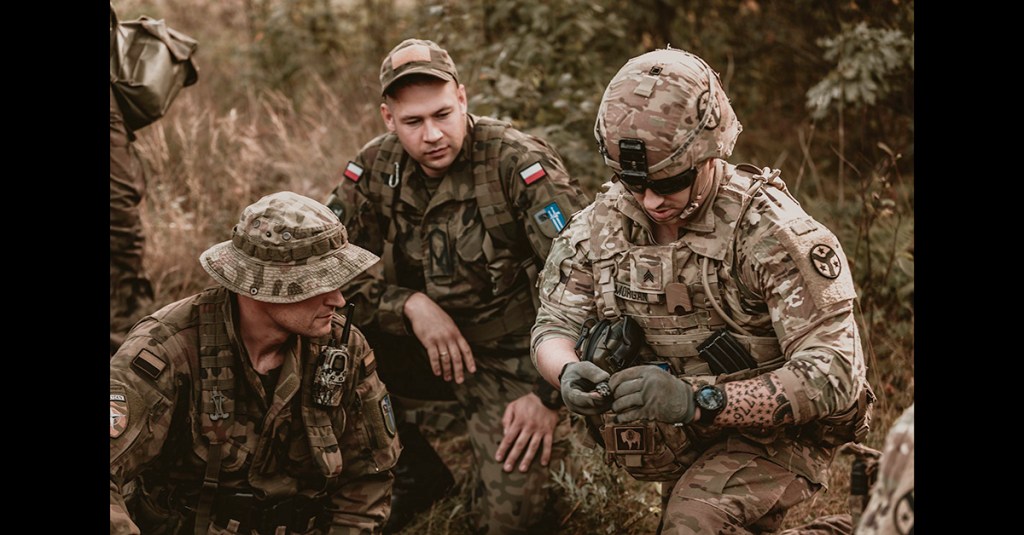
The president must say no to ‘Fort Trump’ in Poland
Why commit to a permanent presence in Poland and risk inciting nuclear-armed Russia when America has so many other things to worry about?
-

So what do you get for $13 billion?
It seems fair to say that $13 billion is a fairly eye-popping number.
-
America’s Air Force is too small
America’s Air Force cannot afford to come up short. It needs 386 operational squadrons to remain the pre-eminent Air Force in the world.
-
America must invest in R&D, personnel for arms control verification
The U.S. needs more investment in research and development, and more scientists and engineers committed to national security, to address help verify arms control agreements.
-
Operational energy data is the new weapon of the US Air Force
We can no longer assume that “taking off full and landing empty” equates to maximum efficiency.
-
INF Treaty: The problem with the arms control community
When one party continually violates the agreements it has signed without penalty, it establishes a pattern that undercuts the value of treaties and discredits the entire practice of such diplomacy.
-
Confronting the axis: Is the US prepared for a regional war with Iran and its allies?
Brian Katz of CSIS lays out the three key challenges American planners need to consider when looking at potential conflict with Iran.
-
Is the new US drone base in Niger worth the cost?
While the militants of northern and western Africa are undoubtedly dangerous, they are not a direct threat to the United States.
-
Are we doing enough to secure modern DoD virtual training?
If left unaddressed, cyberthreats could disrupt the training of U.S. military forces and ultimately provide an advantage to adversaries in the real battlespace.
-
A stronger defense-industrial base starts with Congress
In an era of great power competition, America cannot afford to depend solely on one of our competitors; it leaves the country unacceptably vulnerable.
-
The president must say no to ‘Fort Trump’ in Poland
Why commit to a permanent presence in Poland and risk inciting nuclear-armed Russia when America has so many other things to worry about?
-
So what do you get for $13 billion?
It seems fair to say that $13 billion is a fairly eye-popping number.