-
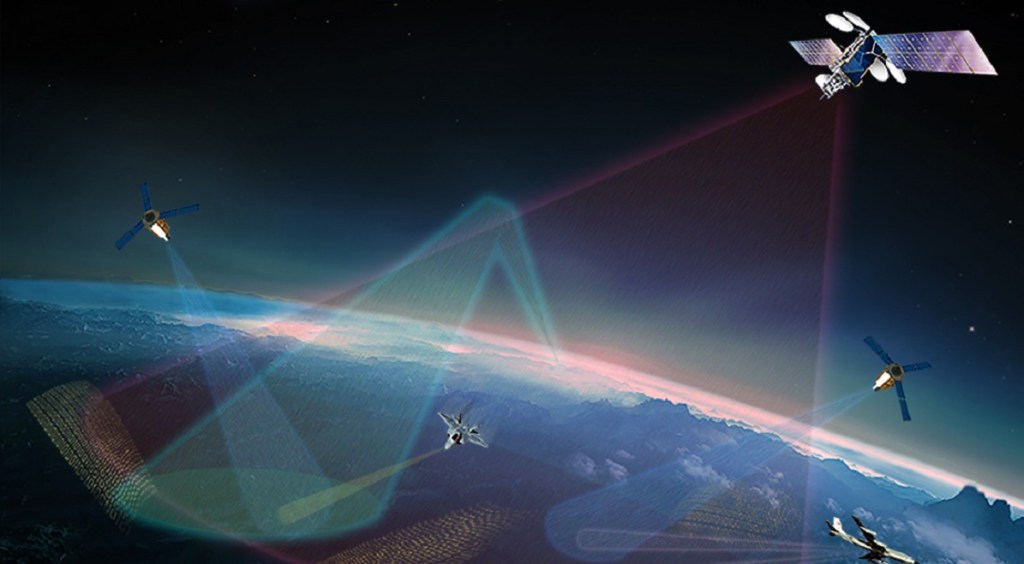
Future wars will be won with open mission systems
Future success on the battlefield will be closely linked to rapidly processing information in space, in the air, and on land, sea and cyberspace.
-
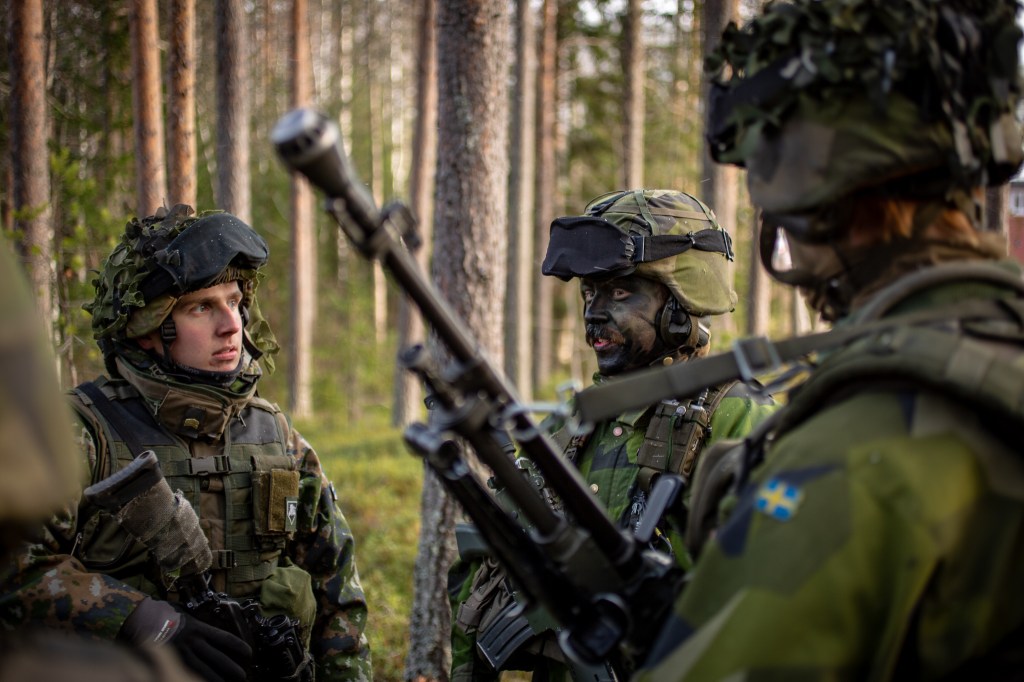
A guide to how the US and Finland can enhance defense cooperation
These initiatives could help the Unites States and Finland strengthen security in northern Europe in the face of growing Russian challenges.
-

Jump-starting Europe’s work on military artificial intelligence
Our suggestion: Create a data mobility framework that would guide future concepts, models, algorithms, data sharing, access to elastic computing power, and sophisticated testing and training.
-
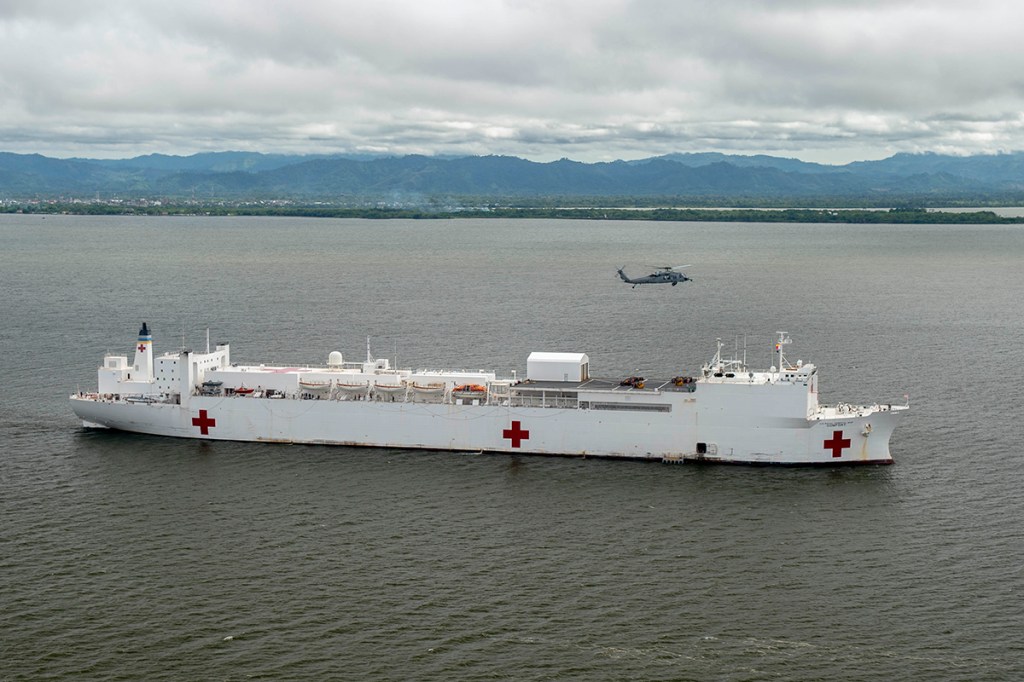
A collective presence in the Western Hemisphere reduces threats to the US and its allies
Like athletes, the United States and its allies can’t compete if they’re not on the field.
-
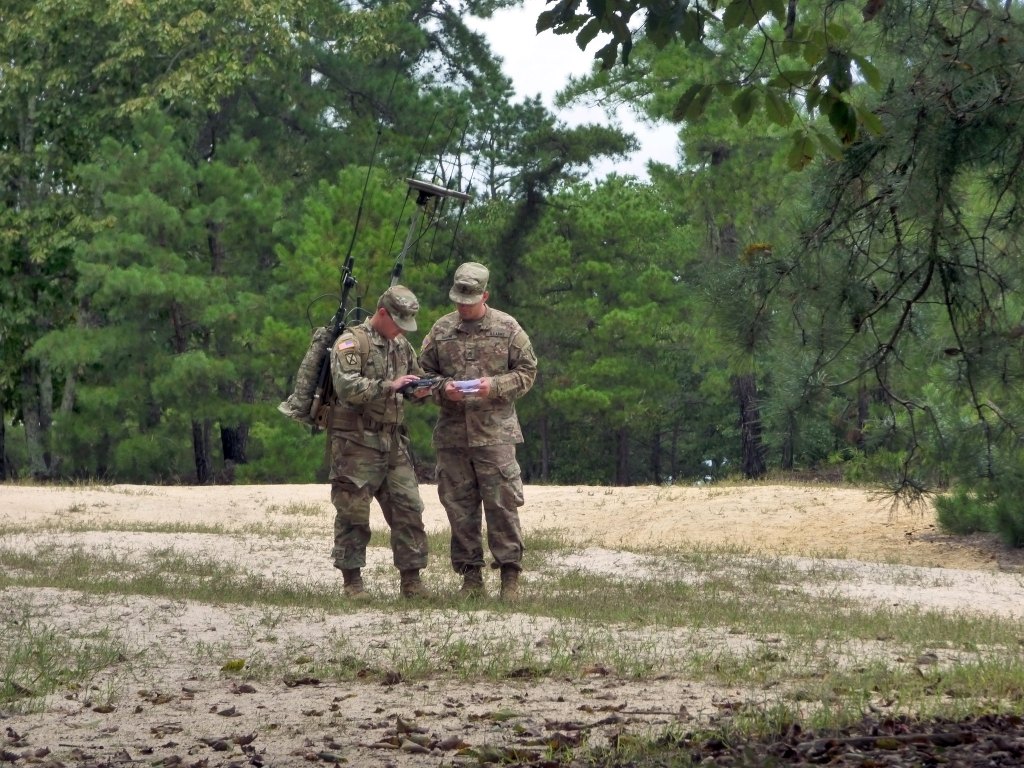
The US is unprepared for space cyberwarfare
China and Russia have placed a high priority on developing superiority within the electromagnetic battlespace, the author of this commentary says.
-

South Korea is playing into the hands of North Korea and its allies
By failing to renew an intelligence sharing agreement with Japan, South Korea undercuts its own national security.
-
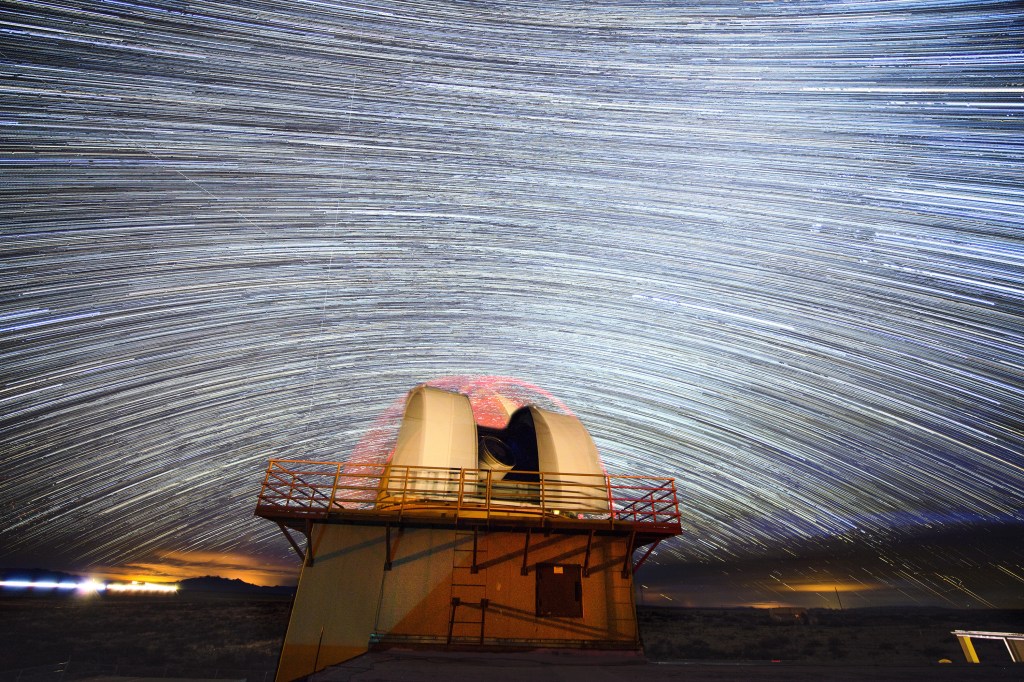
Space activity is enjoying historic growth. What does it mean for national security?
In an ongoing procurement, the Air Force is leveraging the transformation in U.S. commercial launch to modernize and reduce the cost of launching national security satellites.
-

Let’s talk analytics: A response to Deputy Defense Secretary Norquist
Nowhere is the failure to collect and analyze performance data more evident than in the domain of force readiness and training.
-
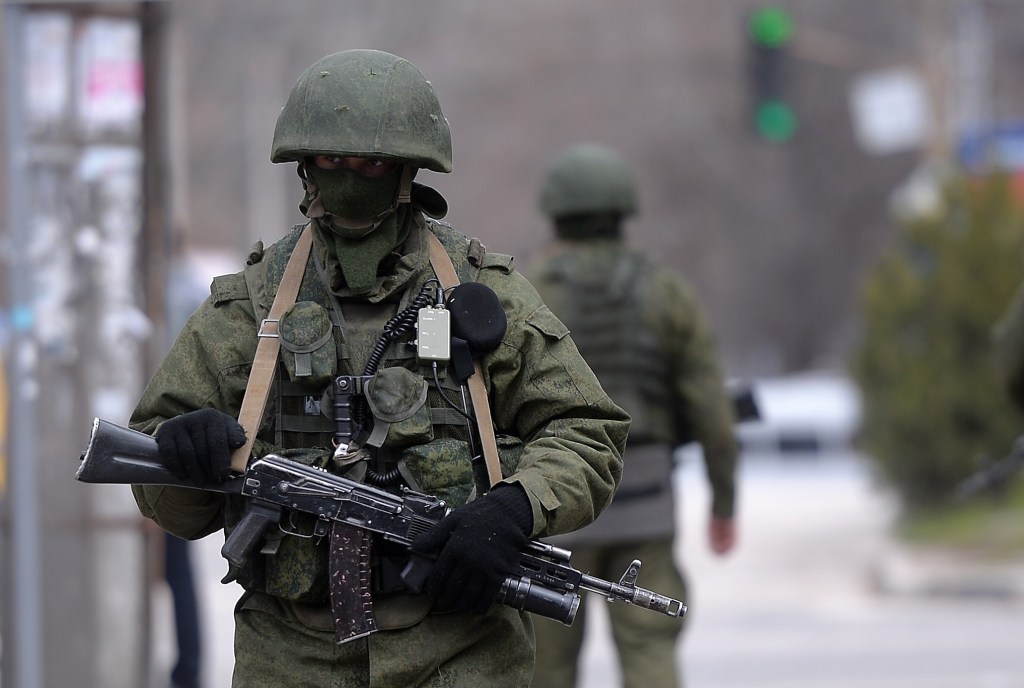
Russia’s hybrid warfare toolkit has more to offer than propaganda
Russian hybrid activities against NATO go well beyond spreading fake news or pushing manipulated narratives. They include aggressive activities or even inflicting physical harm.
-
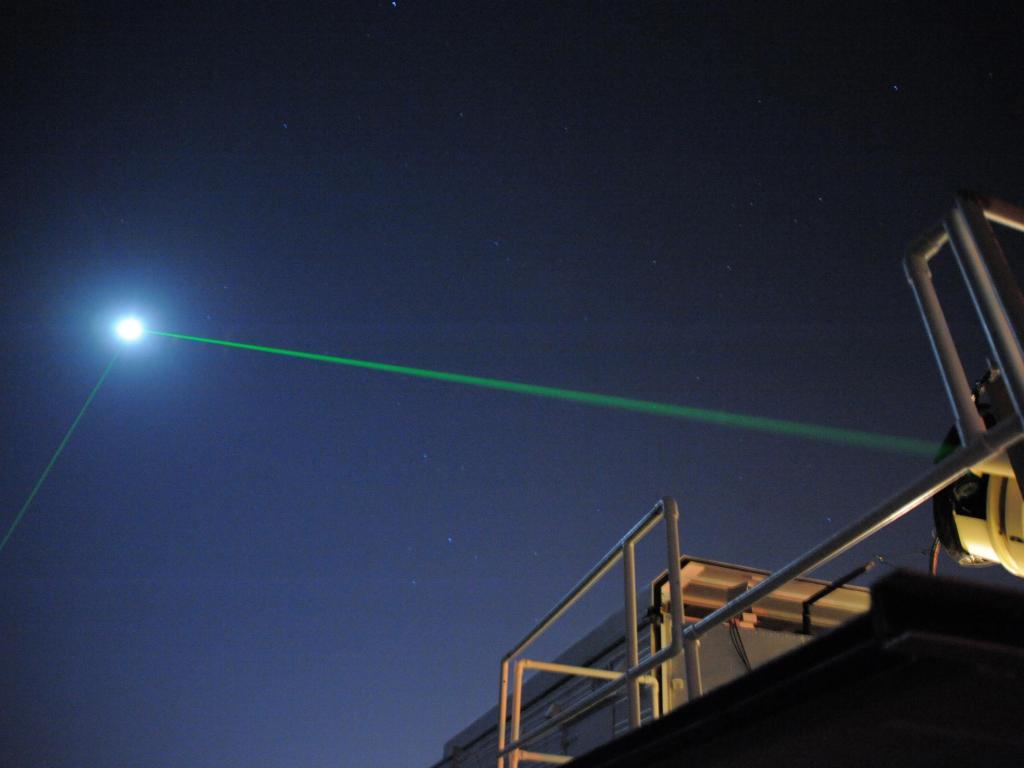
The space race is now, and America can’t afford delays
Russia has its eyes toward Mars, and China has already successfully landed on the far side of the moon. The threat of a militarized space is quickly approaching reality.
-
Future wars will be won with open mission systems
Future success on the battlefield will be closely linked to rapidly processing information in space, in the air, and on land, sea and cyberspace.
-
A guide to how the US and Finland can enhance defense cooperation
These initiatives could help the Unites States and Finland strengthen security in northern Europe in the face of growing Russian challenges.
-
Jump-starting Europe’s work on military artificial intelligence
Our suggestion: Create a data mobility framework that would guide future concepts, models, algorithms, data sharing, access to elastic computing power, and sophisticated testing and training.
-
A collective presence in the Western Hemisphere reduces threats to the US and its allies
Like athletes, the United States and its allies can’t compete if they’re not on the field.
-
The US is unprepared for space cyberwarfare
China and Russia have placed a high priority on developing superiority within the electromagnetic battlespace, the author of this commentary says.
-
South Korea is playing into the hands of North Korea and its allies
By failing to renew an intelligence sharing agreement with Japan, South Korea undercuts its own national security.
-
Space activity is enjoying historic growth. What does it mean for national security?
In an ongoing procurement, the Air Force is leveraging the transformation in U.S. commercial launch to modernize and reduce the cost of launching national security satellites.
-
Let’s talk analytics: A response to Deputy Defense Secretary Norquist
Nowhere is the failure to collect and analyze performance data more evident than in the domain of force readiness and training.
-
Russia’s hybrid warfare toolkit has more to offer than propaganda
Russian hybrid activities against NATO go well beyond spreading fake news or pushing manipulated narratives. They include aggressive activities or even inflicting physical harm.
-
The space race is now, and America can’t afford delays
Russia has its eyes toward Mars, and China has already successfully landed on the far side of the moon. The threat of a militarized space is quickly approaching reality.