-

Russia’s new nuclear policy could be a path to arms control treaties
The document offers a valuable window into Russia’s strengths and vulnerabilities as they appear from Moscow.
-

Why the Jones Act is still needed 100 years later
The Jones Act advances U.S. national security by helping maintain a vibrant domestic shipbuilding industry, which supplies the military with warships and transports war fighters and their equipment.
-

Poor spending decisions on F-18 could have long-term national security consequences
When budgets are tight, we pit current security needs against future security needs. That is dangerous.
-

The F-22 imperative
The loss of an F-22 Raptor during a training flight on May 15 serves as a wake-up call regarding the size of the Raptor inventory.
-

Will defense budgets remain ‘sticky’ after the COVID-19 pandemic?
Congress’ unprecedented fiscal response to COVID-19 has many in the defense community wondering whether belt tightening will hit the Pentagon.
-

Securing technological superiority requires a joint US-Israel effort
America must beef up its military cooperative research and development efforts with tech-savvy democratic allies. At the top of that list should be Israel.
-

The US needs to rethink its overseas supply chain
America’s national security depends on having a deeper knowledge of the full supply chains of subcomponents, including how and where they are produced.
-

FCC decision highlights GPS vulnerability and the urgent need for resilient tech
It’s time for resilient positioning, navigation and timing before America’s strategic weakness becomes our national downfall.
-

Shipbuilding suppliers need more than market forces to stay afloat
Without deliberate action, the U.S. shipbuilding industry will become increasingly fragile.
-

Funding two military services — with the resources for one — risks both
Building the U.S. Space Force to be agile and lean is a worthy objective. Building the U.S. Space Force without requisite capability however, is dangerous.
-
Russia’s new nuclear policy could be a path to arms control treaties
The document offers a valuable window into Russia’s strengths and vulnerabilities as they appear from Moscow.
-
Why the Jones Act is still needed 100 years later
The Jones Act advances U.S. national security by helping maintain a vibrant domestic shipbuilding industry, which supplies the military with warships and transports war fighters and their equipment.
-
Poor spending decisions on F-18 could have long-term national security consequences
When budgets are tight, we pit current security needs against future security needs. That is dangerous.
-
The F-22 imperative
The loss of an F-22 Raptor during a training flight on May 15 serves as a wake-up call regarding the size of the Raptor inventory.
-
Will defense budgets remain ‘sticky’ after the COVID-19 pandemic?
Congress’ unprecedented fiscal response to COVID-19 has many in the defense community wondering whether belt tightening will hit the Pentagon.
-
Securing technological superiority requires a joint US-Israel effort
America must beef up its military cooperative research and development efforts with tech-savvy democratic allies. At the top of that list should be Israel.
-
The US needs to rethink its overseas supply chain
America’s national security depends on having a deeper knowledge of the full supply chains of subcomponents, including how and where they are produced.
-
FCC decision highlights GPS vulnerability and the urgent need for resilient tech
It’s time for resilient positioning, navigation and timing before America’s strategic weakness becomes our national downfall.
-
Shipbuilding suppliers need more than market forces to stay afloat
Without deliberate action, the U.S. shipbuilding industry will become increasingly fragile.
-
Funding two military services — with the resources for one — risks both
Building the U.S. Space Force to be agile and lean is a worthy objective. Building the U.S. Space Force without requisite capability however, is dangerous.
-
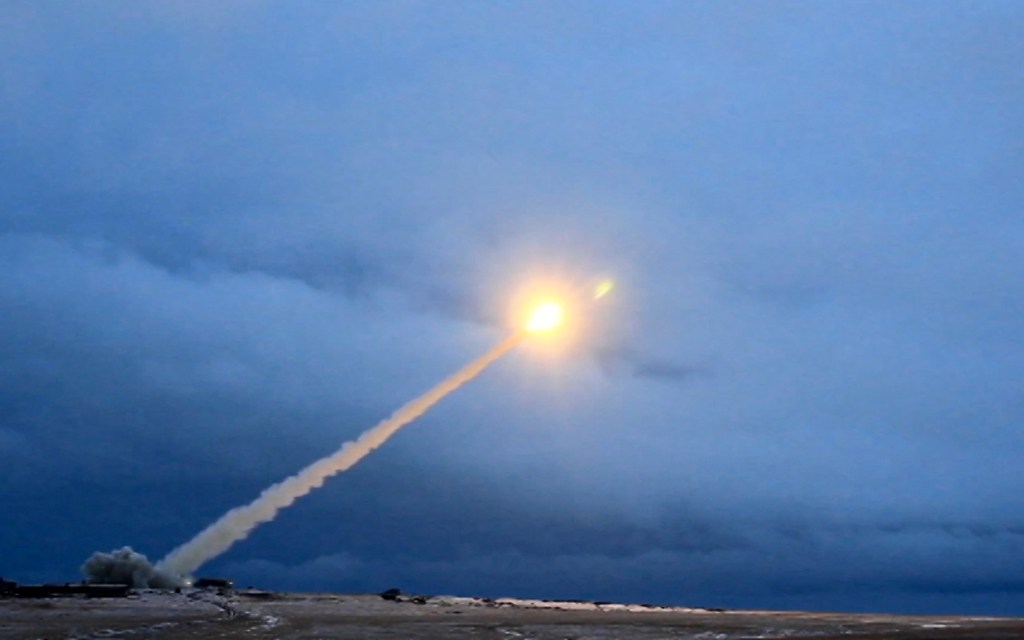
Russia’s new nuclear policy could be a path to arms control treaties
The document offers a valuable window into Russia’s strengths and vulnerabilities as they appear from Moscow.
-

Why the Jones Act is still needed 100 years later
The Jones Act advances U.S. national security by helping maintain a vibrant domestic shipbuilding industry, which supplies the military with warships and transports war fighters and their equipment.
-

Poor spending decisions on F-18 could have long-term national security consequences
When budgets are tight, we pit current security needs against future security needs. That is dangerous.
-
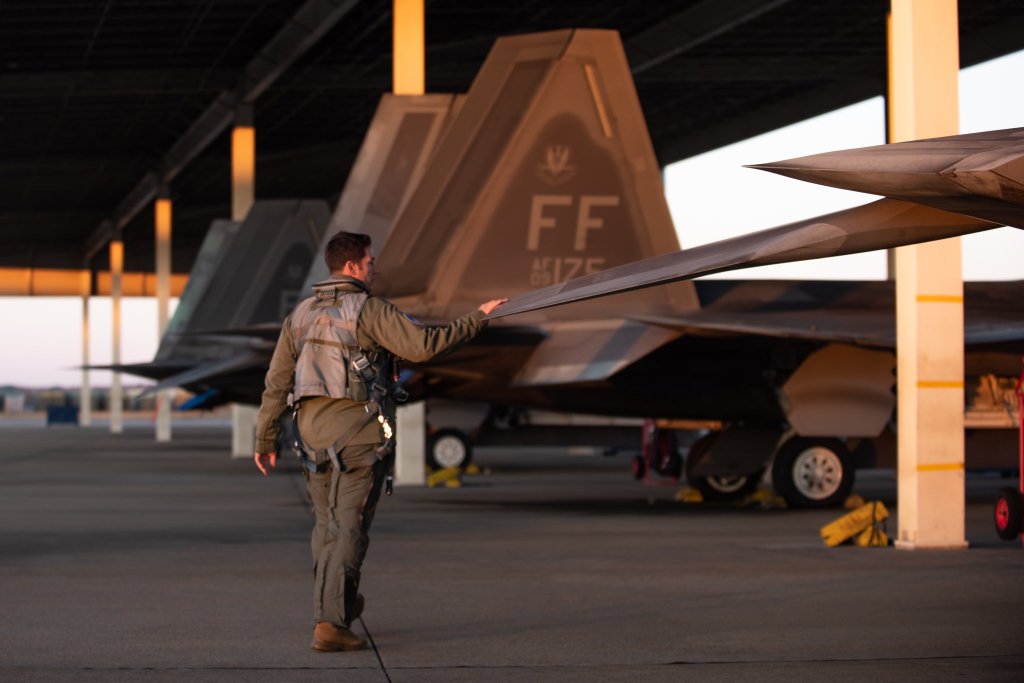
The F-22 imperative
The loss of an F-22 Raptor during a training flight on May 15 serves as a wake-up call regarding the size of the Raptor inventory.
-

Will defense budgets remain ‘sticky’ after the COVID-19 pandemic?
Congress’ unprecedented fiscal response to COVID-19 has many in the defense community wondering whether belt tightening will hit the Pentagon.
-

Securing technological superiority requires a joint US-Israel effort
America must beef up its military cooperative research and development efforts with tech-savvy democratic allies. At the top of that list should be Israel.
-

The US needs to rethink its overseas supply chain
America’s national security depends on having a deeper knowledge of the full supply chains of subcomponents, including how and where they are produced.
-

FCC decision highlights GPS vulnerability and the urgent need for resilient tech
It’s time for resilient positioning, navigation and timing before America’s strategic weakness becomes our national downfall.
-

Shipbuilding suppliers need more than market forces to stay afloat
Without deliberate action, the U.S. shipbuilding industry will become increasingly fragile.
-

Funding two military services — with the resources for one — risks both
Building the U.S. Space Force to be agile and lean is a worthy objective. Building the U.S. Space Force without requisite capability however, is dangerous.