-
Countering missile threats means addressing the present while planning for the future
Missile threats to the U.S. homeland continue to grow at an alarming pace, in quantity and complexity.
-

China wants to dominate space, and the US must take countermeasures
Space is the new high ground in great power competition, and the U.S. must secure and maintain its superiority there.
-
The US Navy and Marine Corps should acquire Army watercraft
Rather than accepting a new amphibious design built from the ground up, the Navy and Marine Corps should turn toward U.S. Army Transportation Command to fulfill this capability requirement.
-
Keep modernization of the Ground Based Strategic Deterrent program on track
Today, nuclear deterrence is more important than ever, which is why we must prioritize efforts to modernize the triad.
-
The narrowing of the defense-industrial base has reached critical levels
We have allowed the shipbuilding capacity of the nation to atrophy; it must be rebuilt.
-
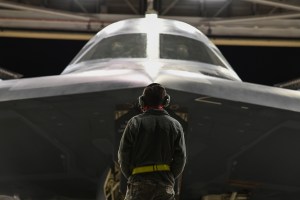
Five reasons an arsenal plane isn’t the best choice for rebalancing America’s long-range strike forces
There are two basic approaches to conducting long-range strikes. Today’s force does not have the right balance.
-
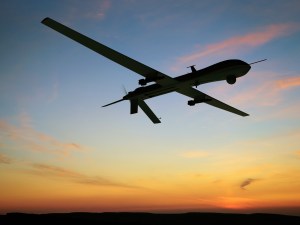
US State Department must align UAV export policy with American interests
Left unchecked, Chinese UAVs create the opportunity for intrusion into U.S. systems and networks to observe or disrupt operations.
-

We prepared for war, but should have spent our money elsewhere
The greatest threats of the past decade haven’t stemmed from warfare. So why are expensive weapons systems and massive military installations still a foregone conclusion?
-

Use existing and planned craft for unmanned logistical resupply
A decentralized resupply of small, but lethal, expeditionary teams is key to defeating anti-access/area denial threats.
-
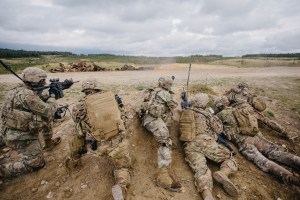
The folly of a NATO troop withdrawal decision
A reported decision by President Trump to remove some 9,500 American troops from Germany could undercut a half decade long effort to prevent war by enhancing NATO’s deterrent posture in the Baltic area.
-
Countering missile threats means addressing the present while planning for the future
Missile threats to the U.S. homeland continue to grow at an alarming pace, in quantity and complexity.
-
China wants to dominate space, and the US must take countermeasures
Space is the new high ground in great power competition, and the U.S. must secure and maintain its superiority there.
-
The US Navy and Marine Corps should acquire Army watercraft
Rather than accepting a new amphibious design built from the ground up, the Navy and Marine Corps should turn toward U.S. Army Transportation Command to fulfill this capability requirement.
-
Keep modernization of the Ground Based Strategic Deterrent program on track
Today, nuclear deterrence is more important than ever, which is why we must prioritize efforts to modernize the triad.
-
The narrowing of the defense-industrial base has reached critical levels
We have allowed the shipbuilding capacity of the nation to atrophy; it must be rebuilt.
-
Five reasons an arsenal plane isn’t the best choice for rebalancing America’s long-range strike forces
There are two basic approaches to conducting long-range strikes. Today’s force does not have the right balance.
-
US State Department must align UAV export policy with American interests
Left unchecked, Chinese UAVs create the opportunity for intrusion into U.S. systems and networks to observe or disrupt operations.
-
We prepared for war, but should have spent our money elsewhere
The greatest threats of the past decade haven’t stemmed from warfare. So why are expensive weapons systems and massive military installations still a foregone conclusion?
-
Use existing and planned craft for unmanned logistical resupply
A decentralized resupply of small, but lethal, expeditionary teams is key to defeating anti-access/area denial threats.
-
The folly of a NATO troop withdrawal decision
A reported decision by President Trump to remove some 9,500 American troops from Germany could undercut a half decade long effort to prevent war by enhancing NATO’s deterrent posture in the Baltic area.
-
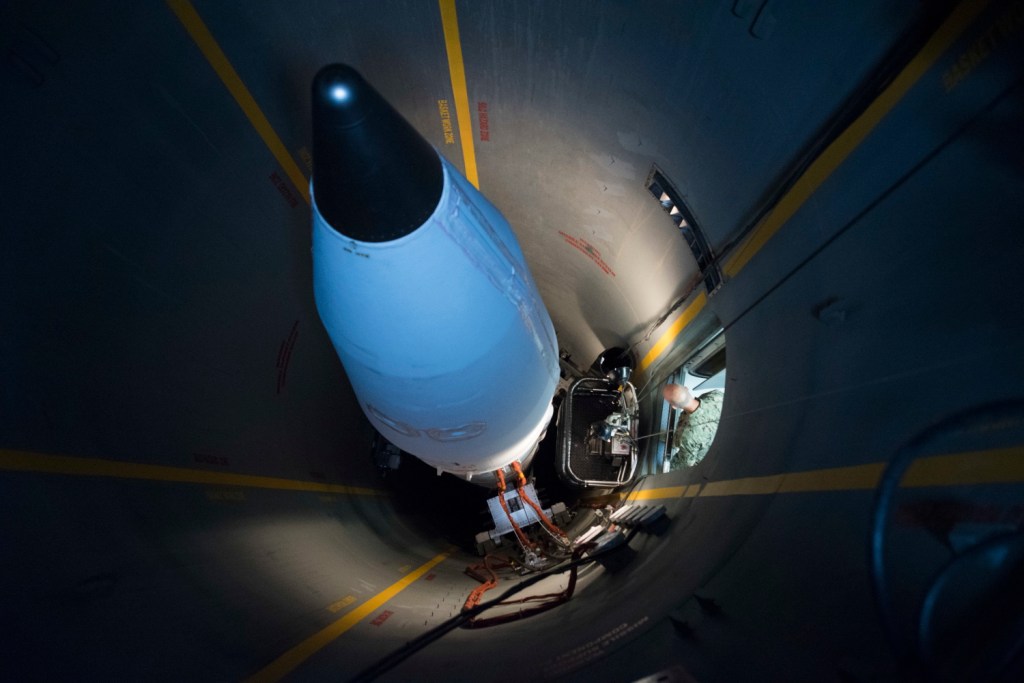
Countering missile threats means addressing the present while planning for the future
Missile threats to the U.S. homeland continue to grow at an alarming pace, in quantity and complexity.
-

China wants to dominate space, and the US must take countermeasures
Space is the new high ground in great power competition, and the U.S. must secure and maintain its superiority there.
-
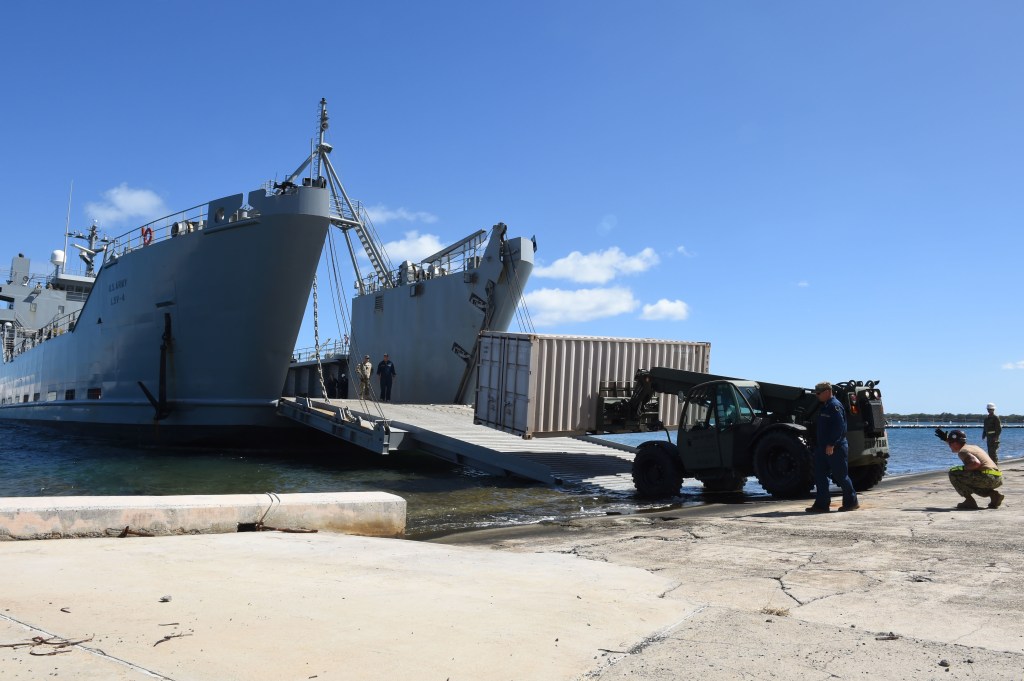
The US Navy and Marine Corps should acquire Army watercraft
Rather than accepting a new amphibious design built from the ground up, the Navy and Marine Corps should turn toward U.S. Army Transportation Command to fulfill this capability requirement.
-
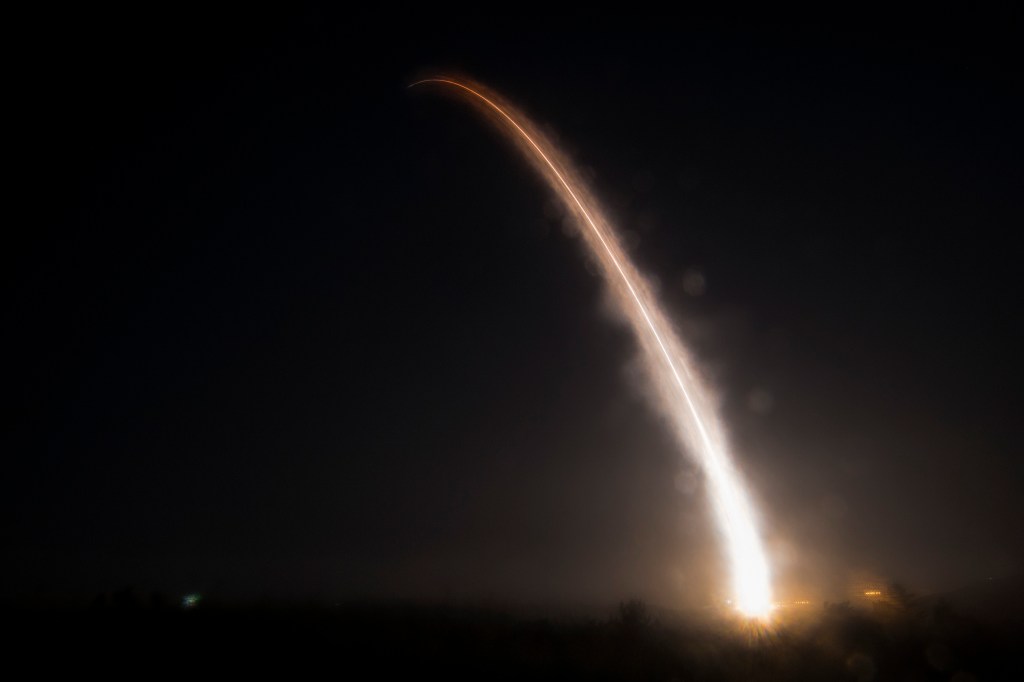
Keep modernization of the Ground Based Strategic Deterrent program on track
Today, nuclear deterrence is more important than ever, which is why we must prioritize efforts to modernize the triad.
-
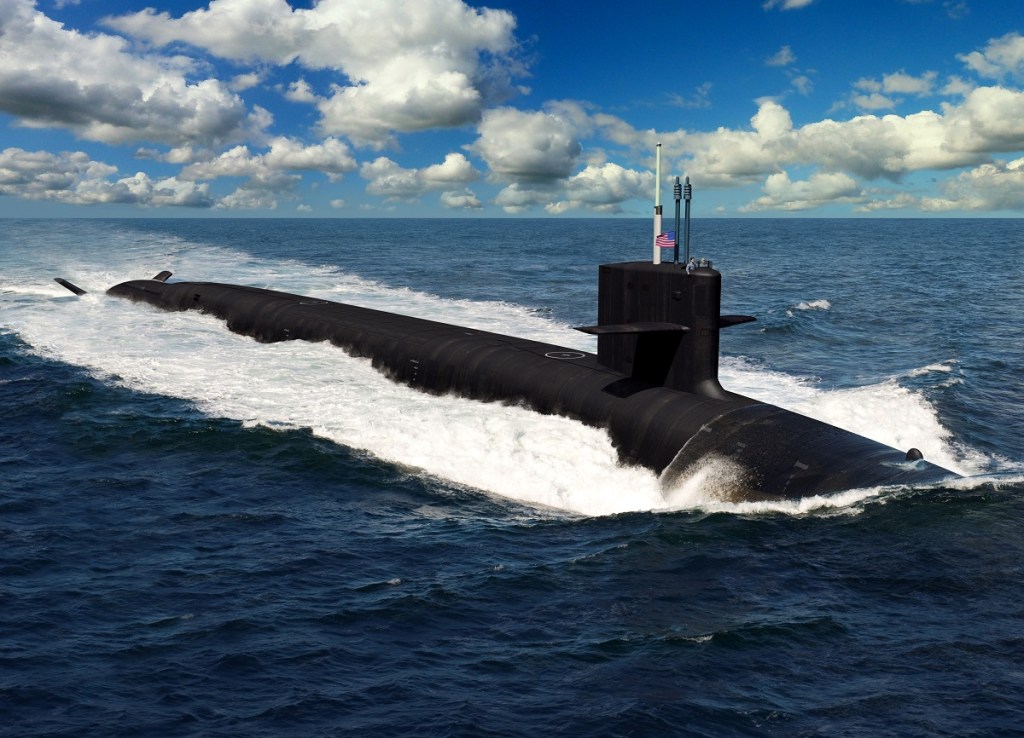
The narrowing of the defense-industrial base has reached critical levels
We have allowed the shipbuilding capacity of the nation to atrophy; it must be rebuilt.
-
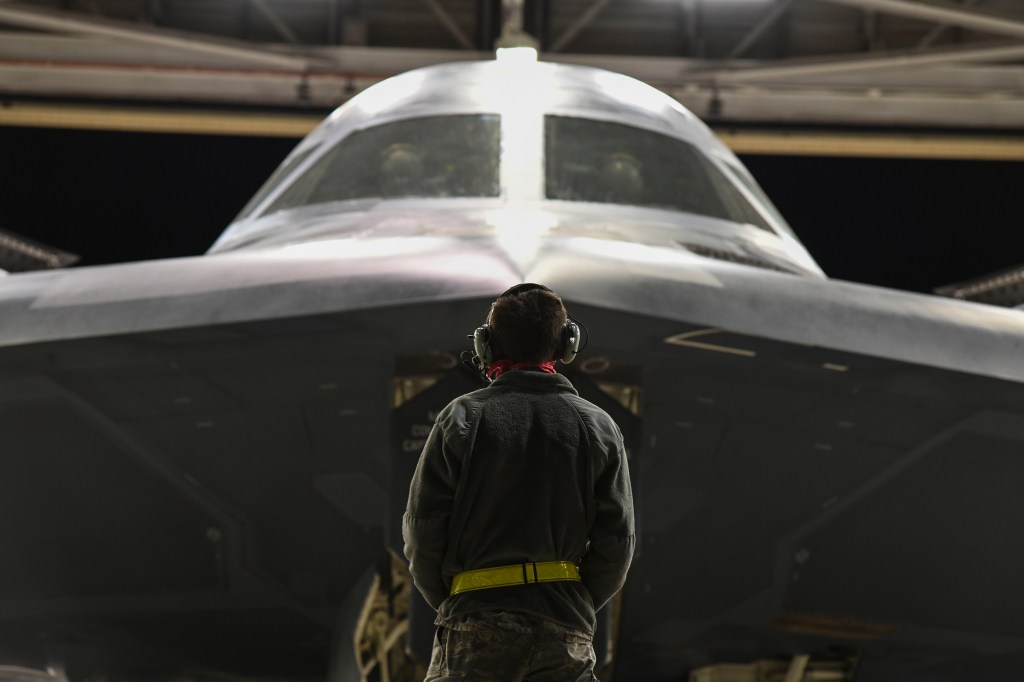
Five reasons an arsenal plane isn’t the best choice for rebalancing America’s long-range strike forces
There are two basic approaches to conducting long-range strikes. Today’s force does not have the right balance.
-
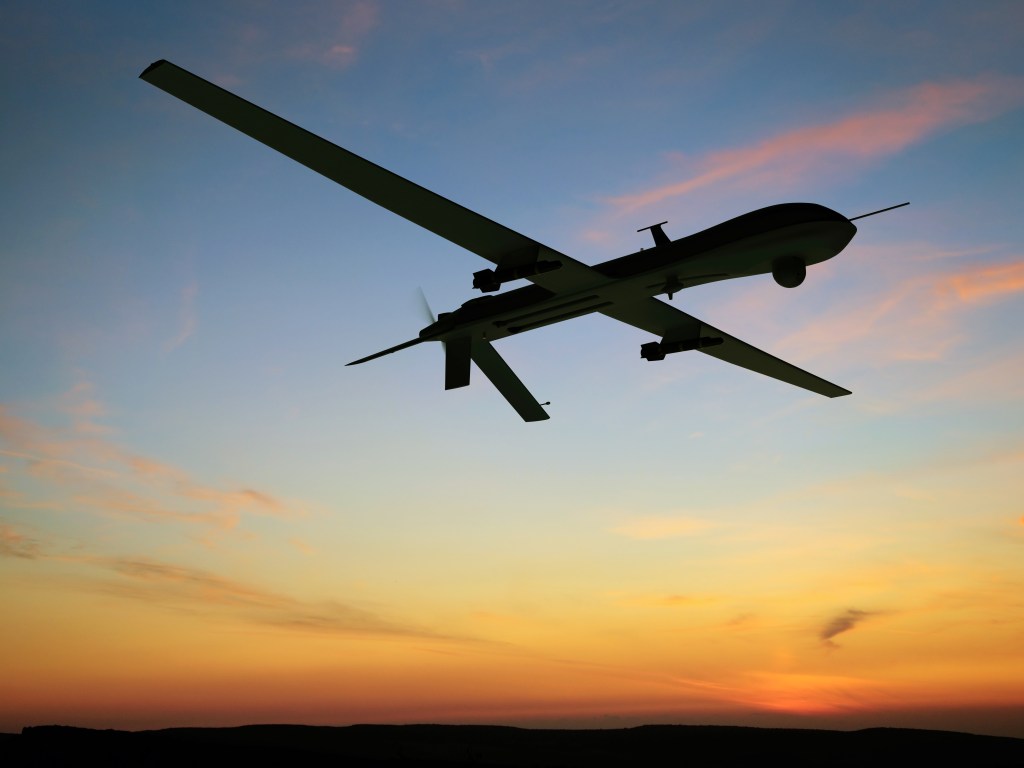
US State Department must align UAV export policy with American interests
Left unchecked, Chinese UAVs create the opportunity for intrusion into U.S. systems and networks to observe or disrupt operations.
-

We prepared for war, but should have spent our money elsewhere
The greatest threats of the past decade haven’t stemmed from warfare. So why are expensive weapons systems and massive military installations still a foregone conclusion?
-
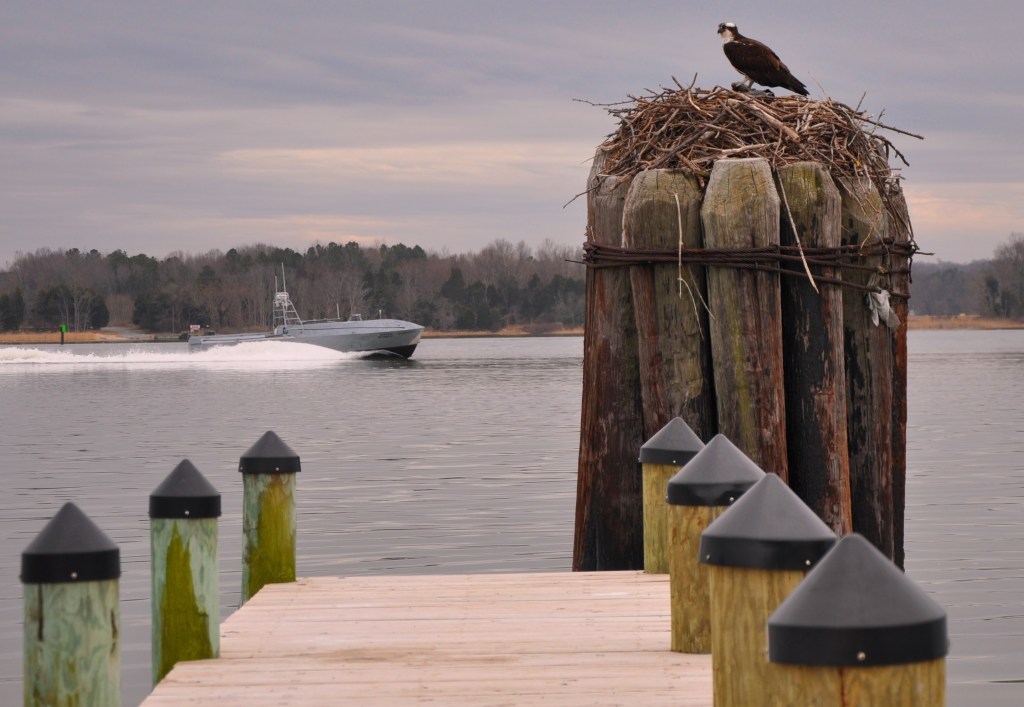
Use existing and planned craft for unmanned logistical resupply
A decentralized resupply of small, but lethal, expeditionary teams is key to defeating anti-access/area denial threats.
-
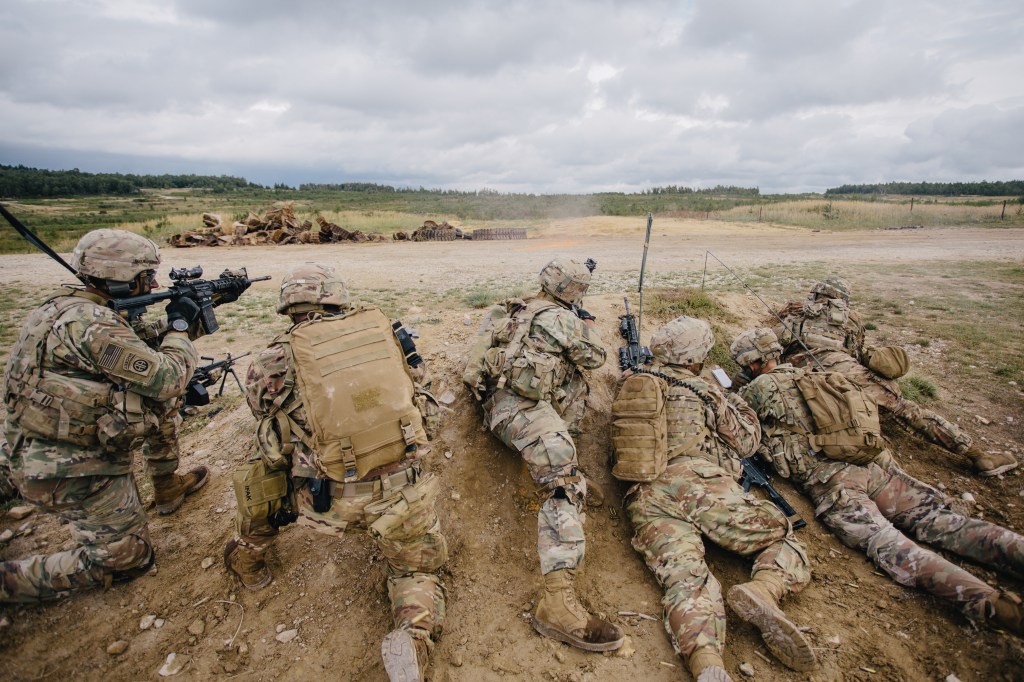
The folly of a NATO troop withdrawal decision
A reported decision by President Trump to remove some 9,500 American troops from Germany could undercut a half decade long effort to prevent war by enhancing NATO’s deterrent posture in the Baltic area.