-
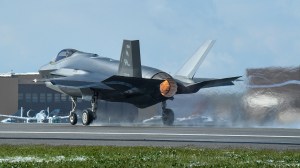
F-35 program costs are evolving, and these savings matter
In an era of increased military competition and during a period of tremendous budgetary constraints, incremental savings across a large enterprise program matter.
-
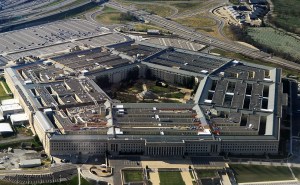
Close the Pentagon — it’s too big of a target
Why maintain a highly concentrated target for adversaries?
-
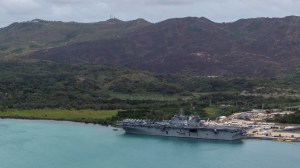
Guam needs Aegis Ashore
Aegis Ashore is not a perfect solution, but it provides the best hope for addressing urgent threats and creating the space for the additional capabilities that will undoubtedly be necessary.
-

America’s 355-ship Navy does not have to be the current fantasy
The challenge to reaching a 355-ship fleet is quite clear. Here are the changes that must take place.
-
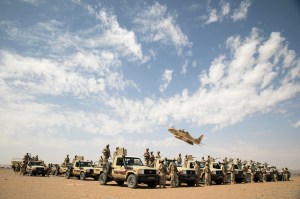
Armed overwatch: A critical special operations forces requirement
Congress should fund a light-attack aircraft to deliver special operations units firepower and situational awareness, says the author of this commentary.
-
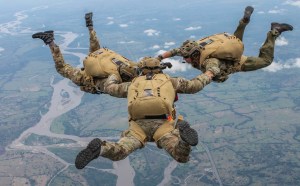
A vision for US Air Force partnerships in the Americas
The U.S. Air Force must reinforce the strength of its longstanding commitment to the Western Hemisphere.
-
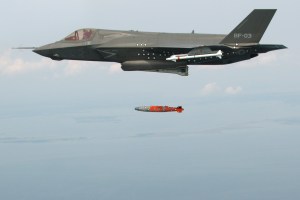
The DoD needs to rethink long-range strike in its joint war-fighting concept
The Pentagon’s proposed concept risks yielding less striking power because the respective options available to the services have radically different price tags.
-

Money and missions: NATO should learn from Europe’s pandemic response
European countries acted in their own self-interest without having to depend on the U.S. to counter the threat posed by COVID-19. They need to take that same approach for their own security and responsibilities under NATO.
-

The defense industry remains in dire straits. Congress must pass another relief package.
The additional costs to respond to COVID-19 were not part of the original contracts the companies are currently performing.
-
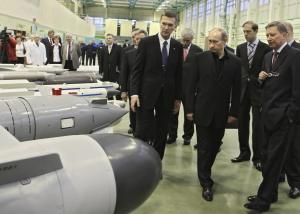
Budget and pandemic present challenges to Russia’s defense industrial base
Even before the pandemic and the consequent contraction in economic output emerged, the outlook for Russian defense spending was already subdued.
-
F-35 program costs are evolving, and these savings matter
In an era of increased military competition and during a period of tremendous budgetary constraints, incremental savings across a large enterprise program matter.
-
Close the Pentagon — it’s too big of a target
Why maintain a highly concentrated target for adversaries?
-
Guam needs Aegis Ashore
Aegis Ashore is not a perfect solution, but it provides the best hope for addressing urgent threats and creating the space for the additional capabilities that will undoubtedly be necessary.
-
America’s 355-ship Navy does not have to be the current fantasy
The challenge to reaching a 355-ship fleet is quite clear. Here are the changes that must take place.
-
Armed overwatch: A critical special operations forces requirement
Congress should fund a light-attack aircraft to deliver special operations units firepower and situational awareness, says the author of this commentary.
-
A vision for US Air Force partnerships in the Americas
The U.S. Air Force must reinforce the strength of its longstanding commitment to the Western Hemisphere.
-
The DoD needs to rethink long-range strike in its joint war-fighting concept
The Pentagon’s proposed concept risks yielding less striking power because the respective options available to the services have radically different price tags.
-
Money and missions: NATO should learn from Europe’s pandemic response
European countries acted in their own self-interest without having to depend on the U.S. to counter the threat posed by COVID-19. They need to take that same approach for their own security and responsibilities under NATO.
-
The defense industry remains in dire straits. Congress must pass another relief package.
The additional costs to respond to COVID-19 were not part of the original contracts the companies are currently performing.
-
Budget and pandemic present challenges to Russia’s defense industrial base
Even before the pandemic and the consequent contraction in economic output emerged, the outlook for Russian defense spending was already subdued.
-
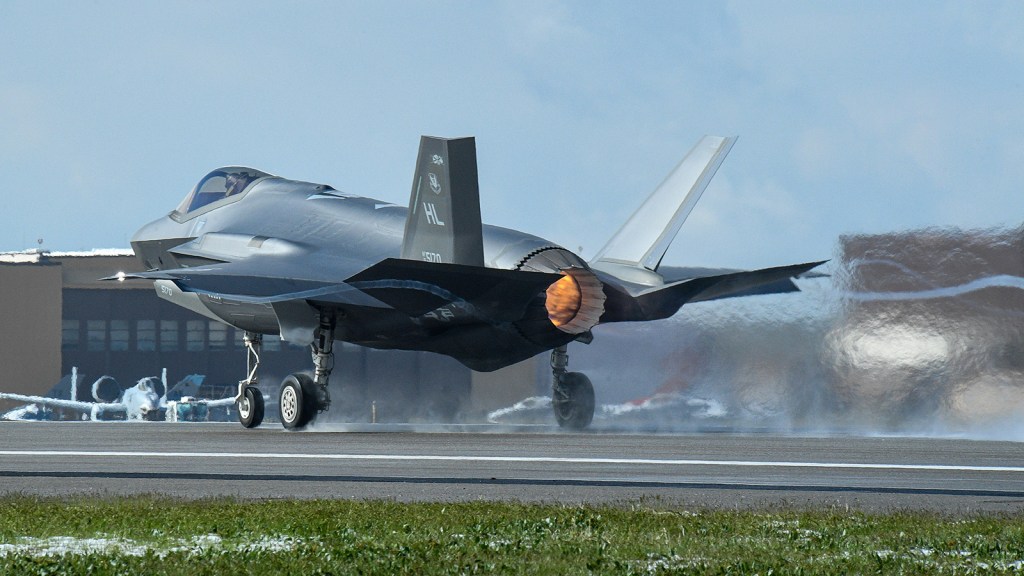
F-35 program costs are evolving, and these savings matter
In an era of increased military competition and during a period of tremendous budgetary constraints, incremental savings across a large enterprise program matter.
-
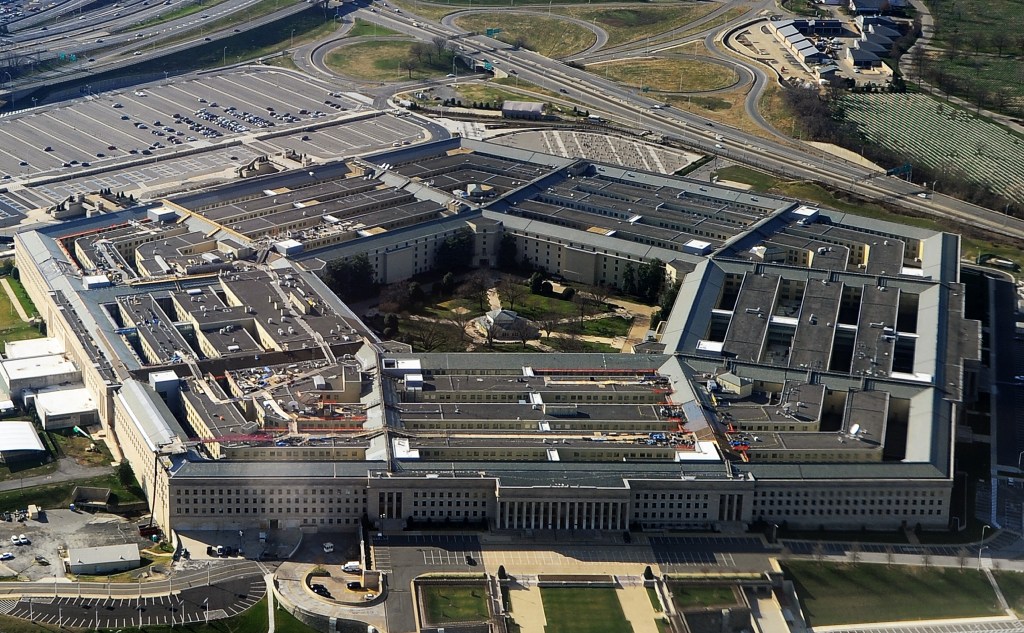
Close the Pentagon — it’s too big of a target
Why maintain a highly concentrated target for adversaries?
-

Guam needs Aegis Ashore
Aegis Ashore is not a perfect solution, but it provides the best hope for addressing urgent threats and creating the space for the additional capabilities that will undoubtedly be necessary.
-

America’s 355-ship Navy does not have to be the current fantasy
The challenge to reaching a 355-ship fleet is quite clear. Here are the changes that must take place.
-
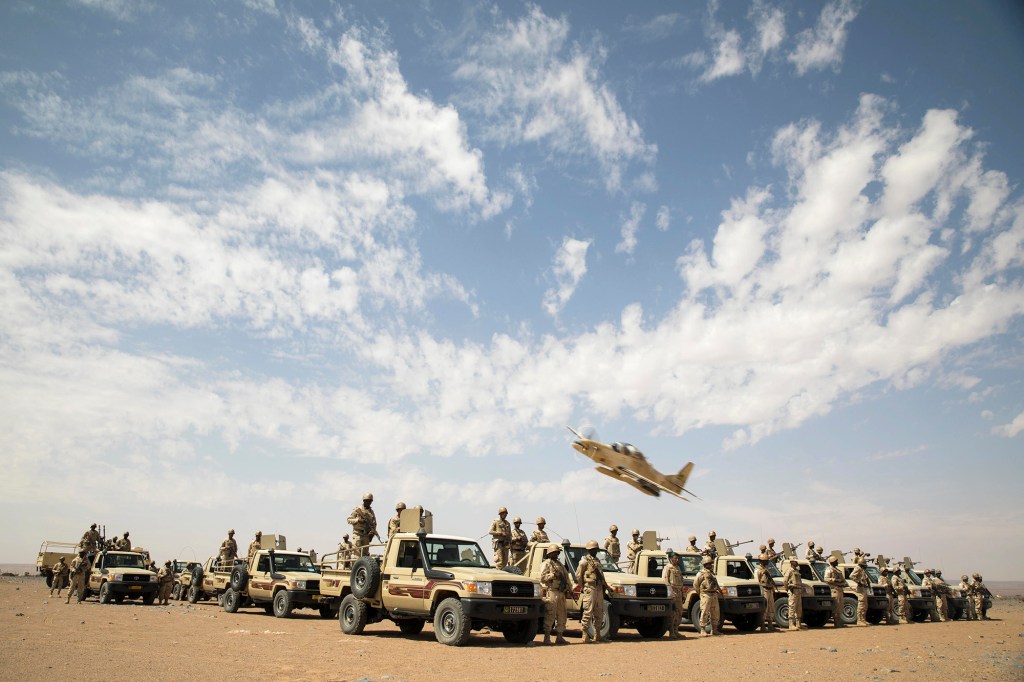
Armed overwatch: A critical special operations forces requirement
Congress should fund a light-attack aircraft to deliver special operations units firepower and situational awareness, says the author of this commentary.
-
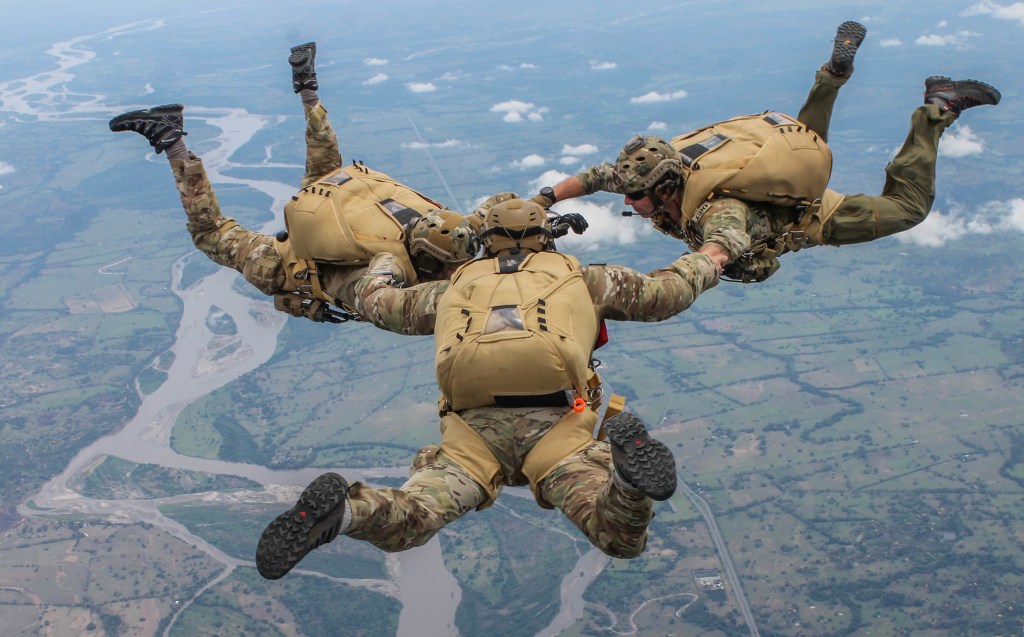
A vision for US Air Force partnerships in the Americas
The U.S. Air Force must reinforce the strength of its longstanding commitment to the Western Hemisphere.
-
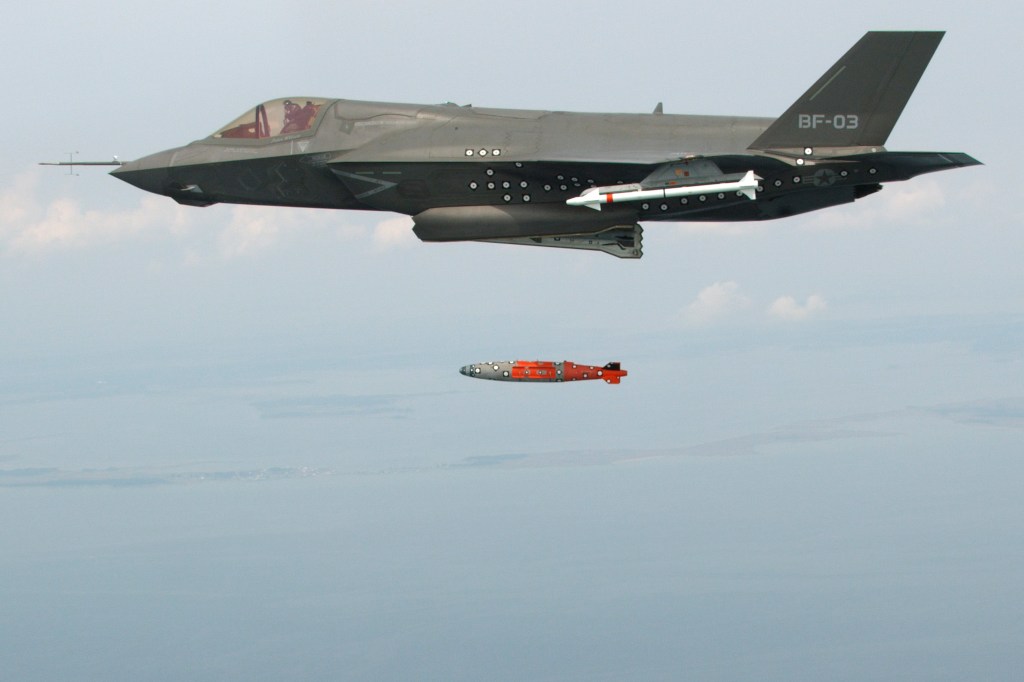
The DoD needs to rethink long-range strike in its joint war-fighting concept
The Pentagon’s proposed concept risks yielding less striking power because the respective options available to the services have radically different price tags.
-

Money and missions: NATO should learn from Europe’s pandemic response
European countries acted in their own self-interest without having to depend on the U.S. to counter the threat posed by COVID-19. They need to take that same approach for their own security and responsibilities under NATO.
-

The defense industry remains in dire straits. Congress must pass another relief package.
The additional costs to respond to COVID-19 were not part of the original contracts the companies are currently performing.
-
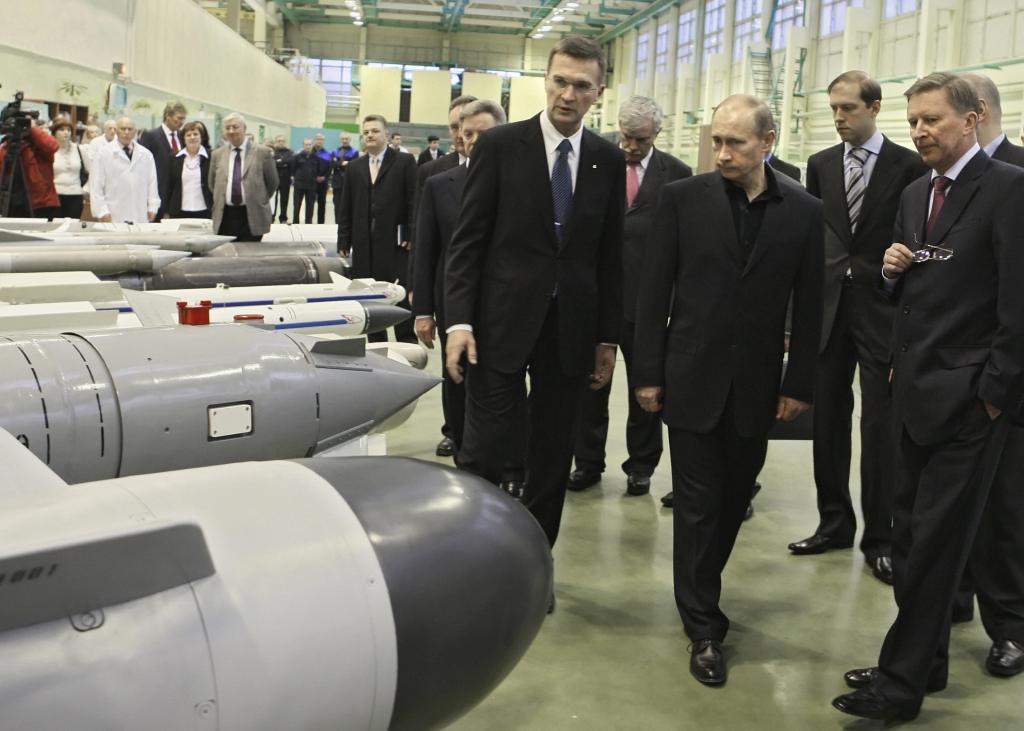
Budget and pandemic present challenges to Russia’s defense industrial base
Even before the pandemic and the consequent contraction in economic output emerged, the outlook for Russian defense spending was already subdued.