-

Reshoring does not mean ‘Buy America’ only
Protectionist efforts are wrong-headed because they are not strictly focused on the real problem in our industrial base, namely the dependencies on companies based in adversarial countries such as China.
-

Space dominance requires taking technology and policy risks
To counter its adversaries, the U.S. Space Force is working to craft a lean organization that will respond rapidly to new threats.
-

EMALS technology on Ford carriers will help the US Navy accomplish its mission
Electromagnetic Aircraft Launch Systems on all four planned Ford-class carriers just makes sense, now and in 2071.
-

19 years after 9/11: Still at war with an outdated authorization
Both houses of Congress must work together to repeal the current authorizations for the use of military force, implemented to wage endless wars.
-

Analysis: What does the new AFWERX data say about the tech pipeline?
While the jury is still out over whether AFWERX and its AF Ventures program will be able to move companies across the valley of death and into recurring defense revenues, it has already lowered barriers to entry.
-
Why not add Israel to this year’s US-UAE Iron Union exercise?
Here’s an interesting idea: Invite Israel to send a unit or two to attend the Iron Union exercise in the UAE later this year.
-

Differences in technologies could have led FCC astray
Perhaps it is time to recharter the Federal Communications Commission as the “Federal Spectrum Commission.”
-

America should integrate a strike capability with its missile defense systems
Something of a Pentagon buzzword, neither the meaning of “integration” nor its future potential for countering air and missile threats is adequately understood.
-

Extending the New START nuclear pact will help stabilize US-Russia relations
The nuclear disparity between the U.S., Russia and China is too lopsided for Beijing to even consider joining negotiations for a nuclear arms control agreement.
-

A global, joint training environment provides more than just readiness
We must train in a joint or combatant command manner, or we will be slow to integrate when we must fight, and ultimately lives will be lost.
-
Reshoring does not mean ‘Buy America’ only
Protectionist efforts are wrong-headed because they are not strictly focused on the real problem in our industrial base, namely the dependencies on companies based in adversarial countries such as China.
-
Space dominance requires taking technology and policy risks
To counter its adversaries, the U.S. Space Force is working to craft a lean organization that will respond rapidly to new threats.
-
EMALS technology on Ford carriers will help the US Navy accomplish its mission
Electromagnetic Aircraft Launch Systems on all four planned Ford-class carriers just makes sense, now and in 2071.
-
19 years after 9/11: Still at war with an outdated authorization
Both houses of Congress must work together to repeal the current authorizations for the use of military force, implemented to wage endless wars.
-
Analysis: What does the new AFWERX data say about the tech pipeline?
While the jury is still out over whether AFWERX and its AF Ventures program will be able to move companies across the valley of death and into recurring defense revenues, it has already lowered barriers to entry.
-
Why not add Israel to this year’s US-UAE Iron Union exercise?
Here’s an interesting idea: Invite Israel to send a unit or two to attend the Iron Union exercise in the UAE later this year.
-
Differences in technologies could have led FCC astray
Perhaps it is time to recharter the Federal Communications Commission as the “Federal Spectrum Commission.”
-
America should integrate a strike capability with its missile defense systems
Something of a Pentagon buzzword, neither the meaning of “integration” nor its future potential for countering air and missile threats is adequately understood.
-
Extending the New START nuclear pact will help stabilize US-Russia relations
The nuclear disparity between the U.S., Russia and China is too lopsided for Beijing to even consider joining negotiations for a nuclear arms control agreement.
-
A global, joint training environment provides more than just readiness
We must train in a joint or combatant command manner, or we will be slow to integrate when we must fight, and ultimately lives will be lost.
-

Reshoring does not mean ‘Buy America’ only
Protectionist efforts are wrong-headed because they are not strictly focused on the real problem in our industrial base, namely the dependencies on companies based in adversarial countries such as China.
-

Space dominance requires taking technology and policy risks
To counter its adversaries, the U.S. Space Force is working to craft a lean organization that will respond rapidly to new threats.
-
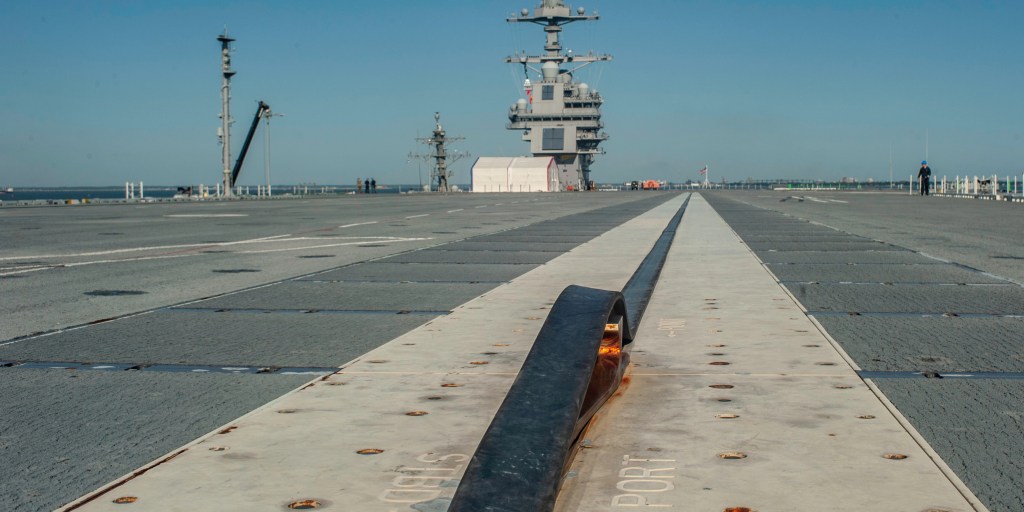
EMALS technology on Ford carriers will help the US Navy accomplish its mission
Electromagnetic Aircraft Launch Systems on all four planned Ford-class carriers just makes sense, now and in 2071.
-

19 years after 9/11: Still at war with an outdated authorization
Both houses of Congress must work together to repeal the current authorizations for the use of military force, implemented to wage endless wars.
-

Analysis: What does the new AFWERX data say about the tech pipeline?
While the jury is still out over whether AFWERX and its AF Ventures program will be able to move companies across the valley of death and into recurring defense revenues, it has already lowered barriers to entry.
-
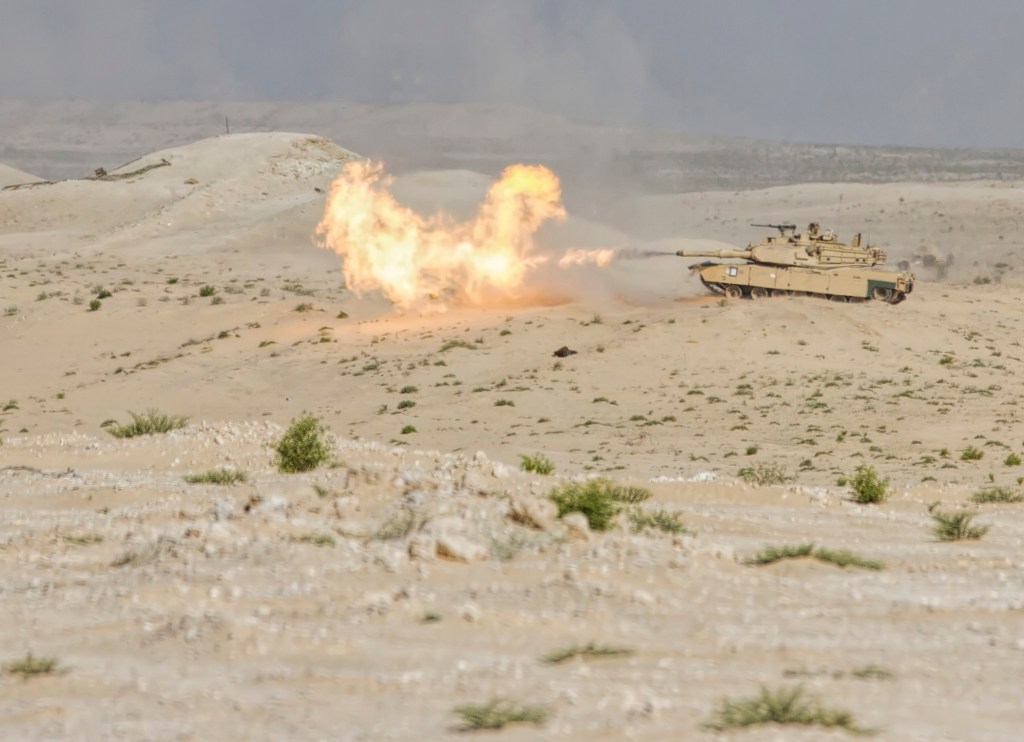
Why not add Israel to this year’s US-UAE Iron Union exercise?
Here’s an interesting idea: Invite Israel to send a unit or two to attend the Iron Union exercise in the UAE later this year.
-

Differences in technologies could have led FCC astray
Perhaps it is time to recharter the Federal Communications Commission as the “Federal Spectrum Commission.”
-

America should integrate a strike capability with its missile defense systems
Something of a Pentagon buzzword, neither the meaning of “integration” nor its future potential for countering air and missile threats is adequately understood.
-
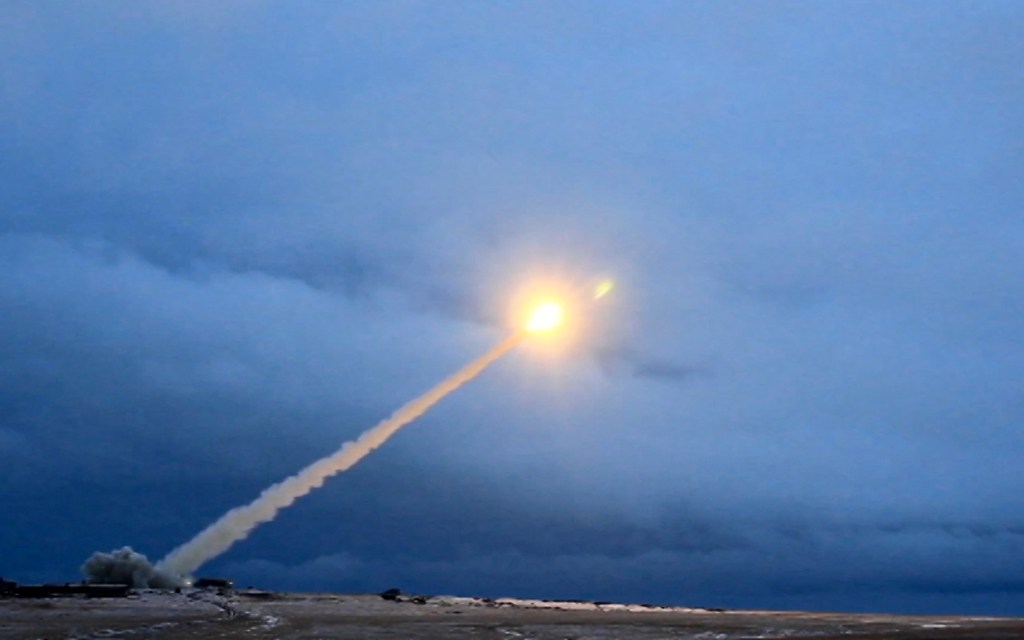
Extending the New START nuclear pact will help stabilize US-Russia relations
The nuclear disparity between the U.S., Russia and China is too lopsided for Beijing to even consider joining negotiations for a nuclear arms control agreement.
-

A global, joint training environment provides more than just readiness
We must train in a joint or combatant command manner, or we will be slow to integrate when we must fight, and ultimately lives will be lost.