-
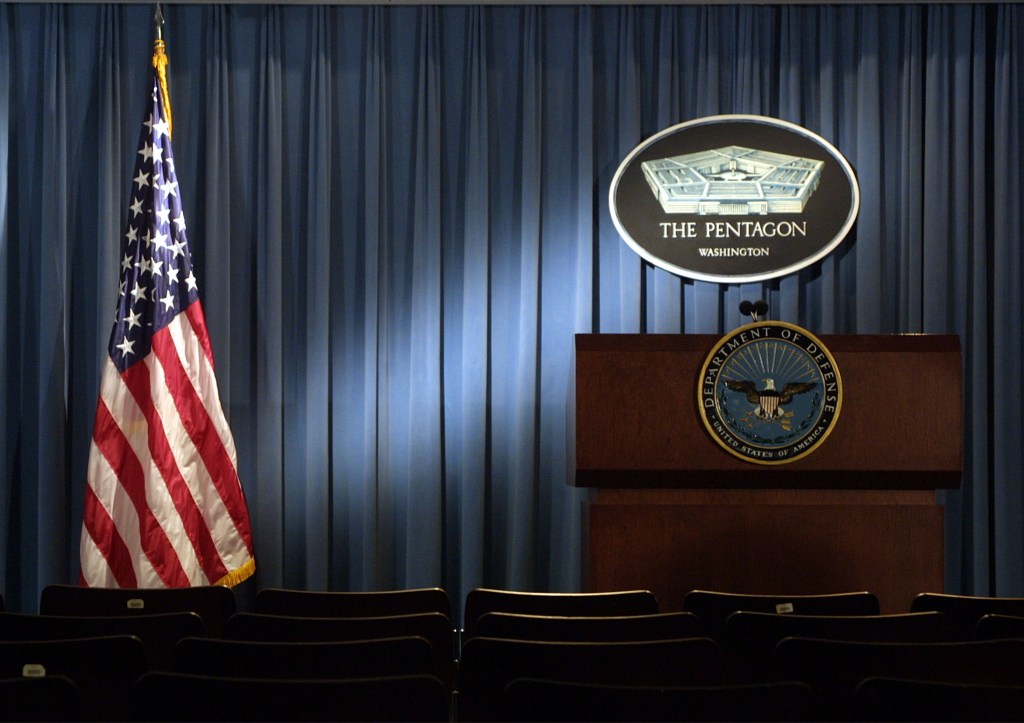
Three steps to help defense innovation break free from its shackles
The United States simply cannot meet the national security challenges it faces over the next decade if the resource allocation process is not brought into the 21st century.
-

New DARPA research could make night vision goggles smaller
DARPA selected 10 teams to advance night vision materials research and prototype designs for smaller glasses.
-
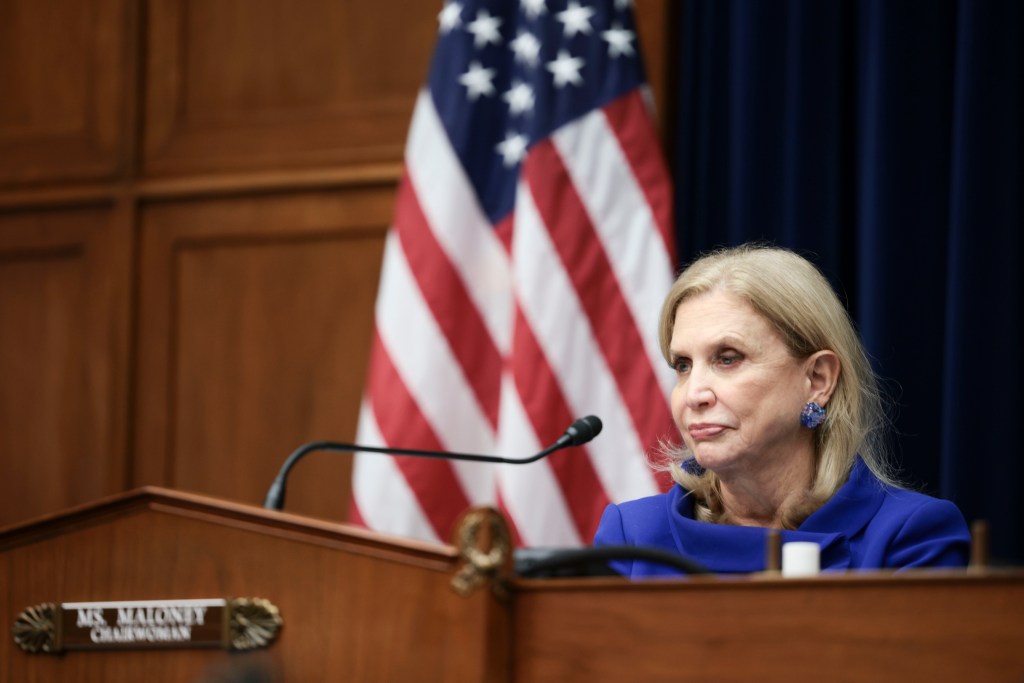
New bill aims to cut the price of spare parts for DoD
Legislation proposed Wednesday would force government vendors to publicly disclose data about their costs, a move to help the government negotiate better deals for spare parts.
-

Milley, Berger, test positive for COVID-19
Two members of the Joint Chiefs of Staff have contracted COVID-19.
-

Amid Russia crisis, Pentagon nominee criticizes Obama response to Crimea
A top Pentagon pick for President Biden has criticized the Obama administration’s response to Russia’s 2014 annexation of Crimea as “too slow and too incremental.”
-

Most federal agencies still aren’t meeting cybersecurity targets
A Jan. 11 Government Accountability Office report found that as of fiscal year 2020 federal civilian agencies were inconsistent in implementing cybersecurity policies and practices.
-

Online survey finds hacking to be the number one concern of government IT workers
Public sector survey respondents no longer believe insiders are the greatest threat.
-

In Russia talks, US floats deal to limit missiles and war games
U.S. officials have raised the possibility of limiting missile deployments in Eastern Europe and the size and scope of its military exercises
-

Inflation is the silent cyberthreat jeopardizing our workforce
The inflation expectations in 2022 are the highest in decades, which will directly impact the cost to attract and retain a cyber workforce.
-
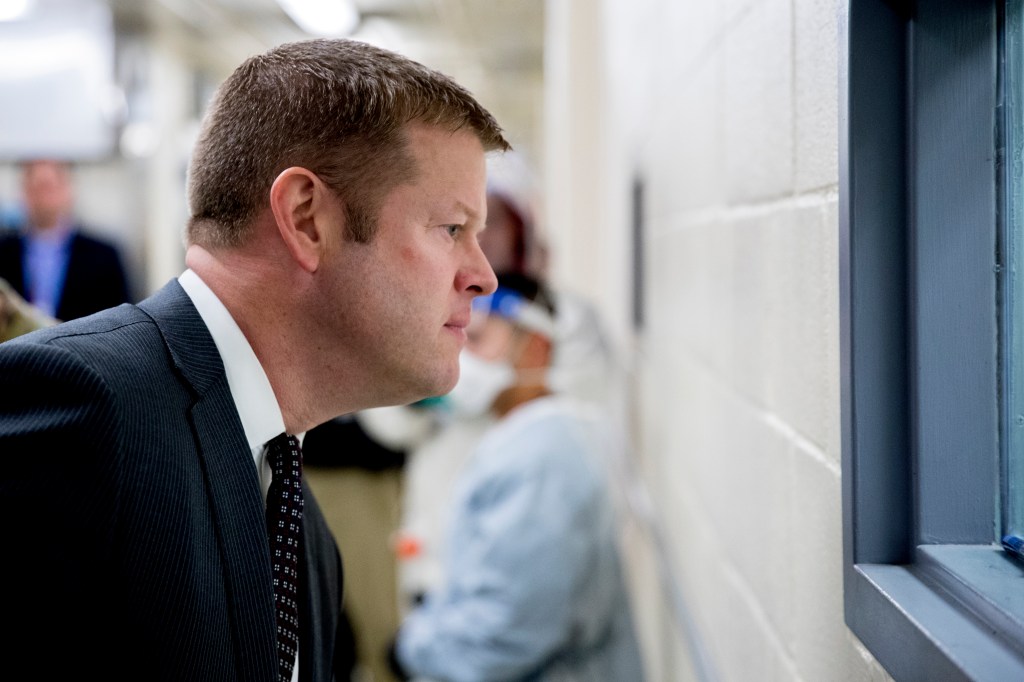
For their next acts, former Trump administration DoD officials look beyond traditional defense contractors
The moves align with an increased focus by the Defense Department on transformative technologies — from artificial intelligence to 5G networks to hypersonic weapons.
-
Three steps to help defense innovation break free from its shackles
The United States simply cannot meet the national security challenges it faces over the next decade if the resource allocation process is not brought into the 21st century.
-
New DARPA research could make night vision goggles smaller
DARPA selected 10 teams to advance night vision materials research and prototype designs for smaller glasses.
-
New bill aims to cut the price of spare parts for DoD
Legislation proposed Wednesday would force government vendors to publicly disclose data about their costs, a move to help the government negotiate better deals for spare parts.
-
Milley, Berger, test positive for COVID-19
Two members of the Joint Chiefs of Staff have contracted COVID-19.
-
Amid Russia crisis, Pentagon nominee criticizes Obama response to Crimea
A top Pentagon pick for President Biden has criticized the Obama administration’s response to Russia’s 2014 annexation of Crimea as “too slow and too incremental.”
-
Most federal agencies still aren’t meeting cybersecurity targets
A Jan. 11 Government Accountability Office report found that as of fiscal year 2020 federal civilian agencies were inconsistent in implementing cybersecurity policies and practices.
-
Online survey finds hacking to be the number one concern of government IT workers
Public sector survey respondents no longer believe insiders are the greatest threat.
-
In Russia talks, US floats deal to limit missiles and war games
U.S. officials have raised the possibility of limiting missile deployments in Eastern Europe and the size and scope of its military exercises
-
Inflation is the silent cyberthreat jeopardizing our workforce
The inflation expectations in 2022 are the highest in decades, which will directly impact the cost to attract and retain a cyber workforce.
-
For their next acts, former Trump administration DoD officials look beyond traditional defense contractors
The moves align with an increased focus by the Defense Department on transformative technologies — from artificial intelligence to 5G networks to hypersonic weapons.