-

Multidomain capabilities are key to securing the Arctic
Air power is of vital importance in the Arctic, but it must be in a joint and combined framework, enabling future multidomain and network-based operations.
-
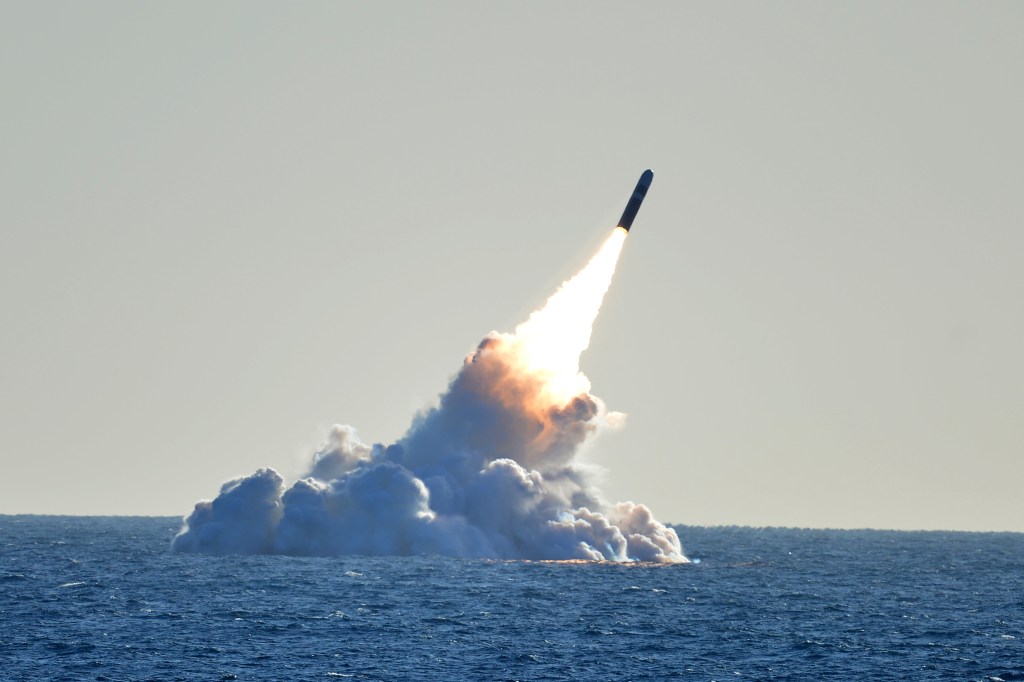
A nuclear sea-launched cruise missile will help deter nuclear aggression
A Pentagon official argues a nuclear sea-launched cruise missile is a measured response to a growing threat from America’s adversaries.
-

Washington isn’t listening to the Air Force and Space Force
The Department of the Air Force, responsible for training and equipping two military services, has been underfunded for decades, resulting in significant shortfalls in readiness and modernization.
-

Potential defense budget cuts demand a new calculus
If cuts are coming, there must be a new approach to assessing weapon systems’ value.
-
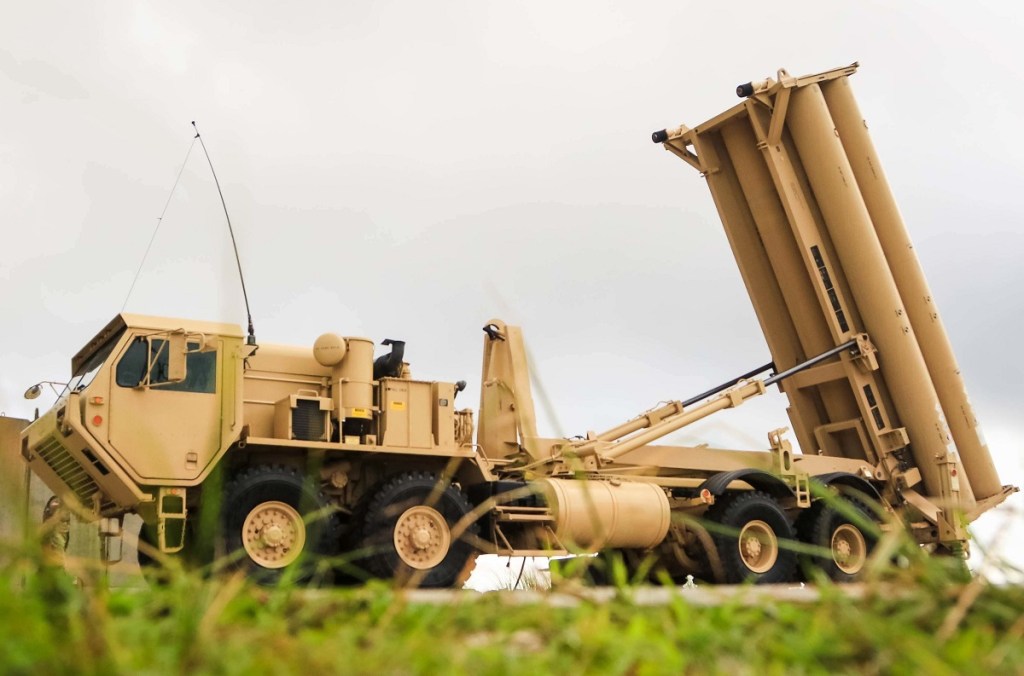
Guam’s air defense should learn lessons from Japan’s Aegis Ashore
Although the current Terminal High Altitude Area Defense battery on Guam can defend against some ballistic missiles, its single AN/TPY-2 radar is vulnerable and cannot provide 360-degree coverage.
-
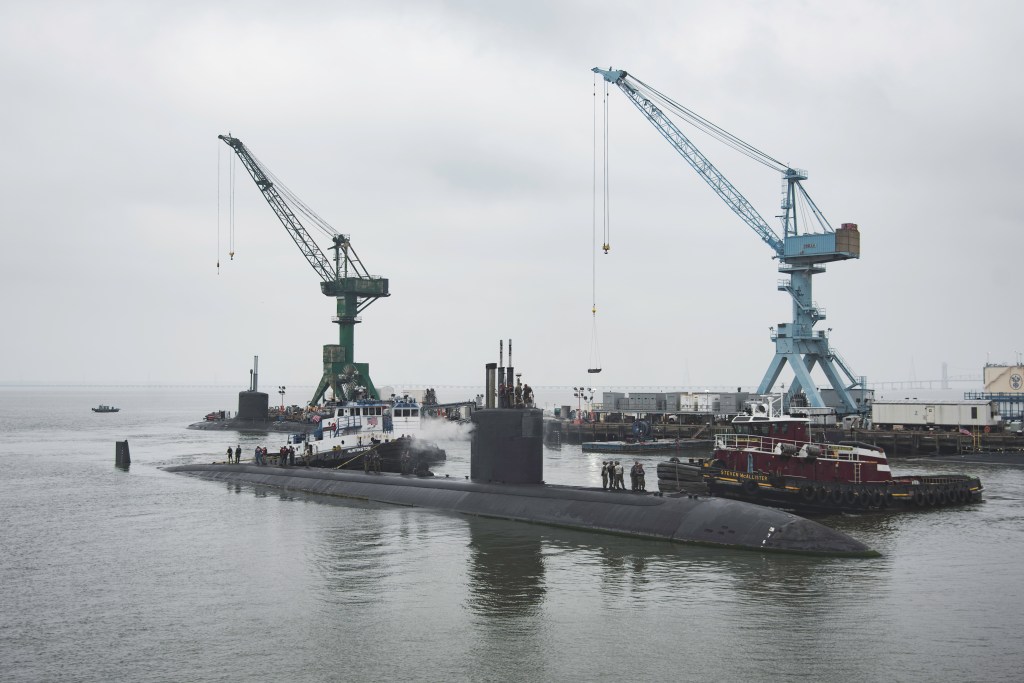
To keep up with our competitors, America must boost shipbuilding
We need to dramatically build up our Navy beyond 355 ships to ensure that the American-led free world can continue.
-

NATO is the right forum for security dialogue in the High North
NATO operates in the High North, has strategic equities in the region and has a track record of maintaining operational-level communications with Russia to increase transparency. This should be the model for NATO in the north.
-

We know why innovation is important. Here’s how to do it.
For the past two years, a U.S. Air Force wing built an innovation playbook — leadership, buy-in, experimentation and speed..
-

Funding for naval drones in the NDAA will encourage innovation
Fielding unmanned maritime systems will ensure continued U.S. naval dominance and support the industrial base. Unfortunately, Congress is considering disrupting funding to the research and development of this technology.
-

New START vs. START: Wyatt Earp weighs arms control treaties
In this analogy, revolvers equate to missiles, caliber to missile “throw-weight” and bullets to warheads.
-
Multidomain capabilities are key to securing the Arctic
Air power is of vital importance in the Arctic, but it must be in a joint and combined framework, enabling future multidomain and network-based operations.
-
A nuclear sea-launched cruise missile will help deter nuclear aggression
A Pentagon official argues a nuclear sea-launched cruise missile is a measured response to a growing threat from America’s adversaries.
-
Washington isn’t listening to the Air Force and Space Force
The Department of the Air Force, responsible for training and equipping two military services, has been underfunded for decades, resulting in significant shortfalls in readiness and modernization.
-
Potential defense budget cuts demand a new calculus
If cuts are coming, there must be a new approach to assessing weapon systems’ value.
-
Guam’s air defense should learn lessons from Japan’s Aegis Ashore
Although the current Terminal High Altitude Area Defense battery on Guam can defend against some ballistic missiles, its single AN/TPY-2 radar is vulnerable and cannot provide 360-degree coverage.
-
To keep up with our competitors, America must boost shipbuilding
We need to dramatically build up our Navy beyond 355 ships to ensure that the American-led free world can continue.
-
NATO is the right forum for security dialogue in the High North
NATO operates in the High North, has strategic equities in the region and has a track record of maintaining operational-level communications with Russia to increase transparency. This should be the model for NATO in the north.
-
We know why innovation is important. Here’s how to do it.
For the past two years, a U.S. Air Force wing built an innovation playbook — leadership, buy-in, experimentation and speed..
-
Funding for naval drones in the NDAA will encourage innovation
Fielding unmanned maritime systems will ensure continued U.S. naval dominance and support the industrial base. Unfortunately, Congress is considering disrupting funding to the research and development of this technology.
-
New START vs. START: Wyatt Earp weighs arms control treaties
In this analogy, revolvers equate to missiles, caliber to missile “throw-weight” and bullets to warheads.