-

Differences in technologies could have led FCC astray
Perhaps it is time to recharter the Federal Communications Commission as the “Federal Spectrum Commission.”
-

America should integrate a strike capability with its missile defense systems
Something of a Pentagon buzzword, neither the meaning of “integration” nor its future potential for countering air and missile threats is adequately understood.
-
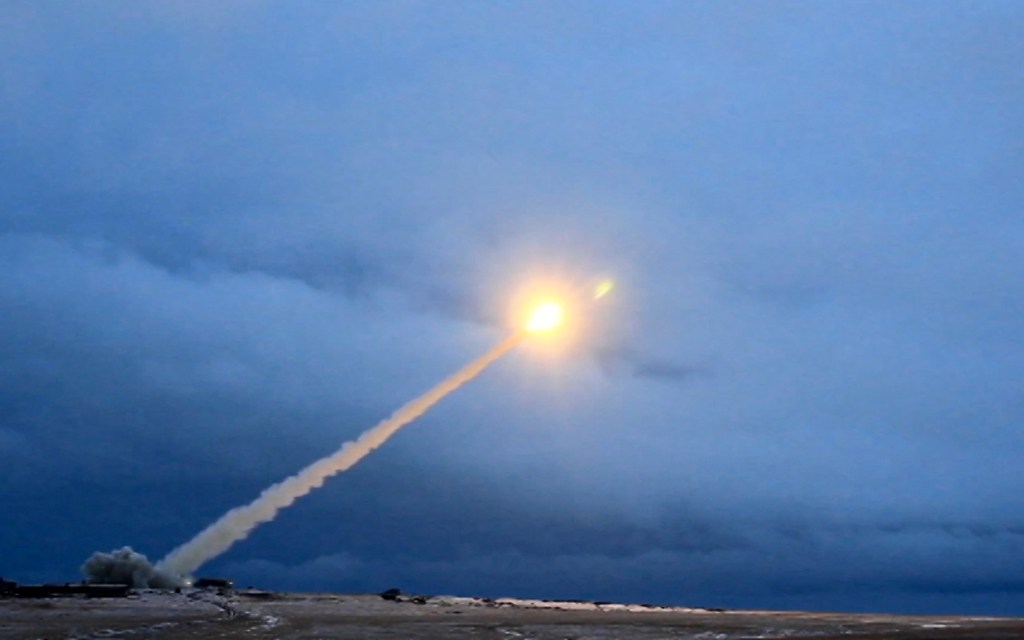
Extending the New START nuclear pact will help stabilize US-Russia relations
The nuclear disparity between the U.S., Russia and China is too lopsided for Beijing to even consider joining negotiations for a nuclear arms control agreement.
-

A global, joint training environment provides more than just readiness
We must train in a joint or combatant command manner, or we will be slow to integrate when we must fight, and ultimately lives will be lost.
-
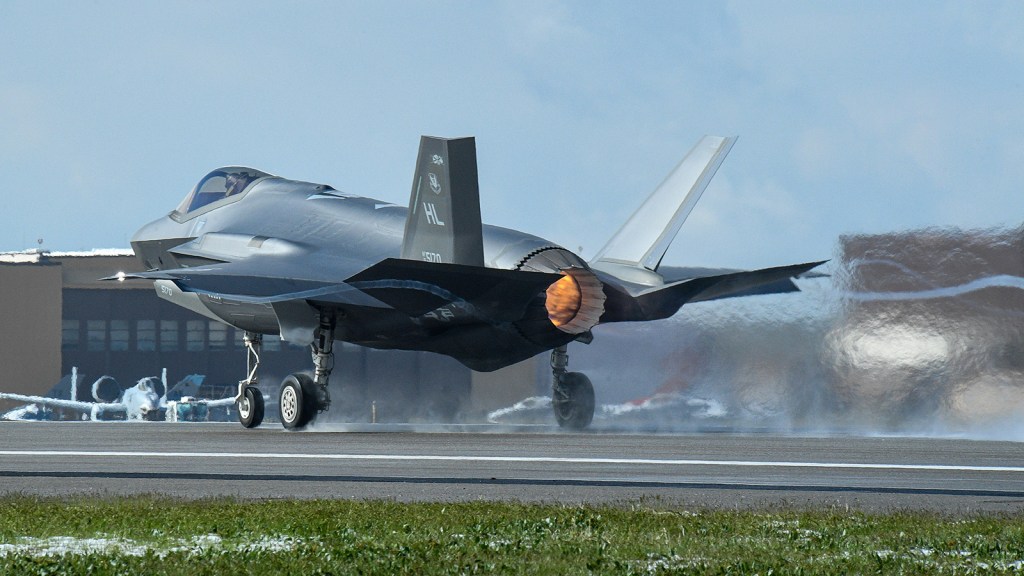
F-35 program costs are evolving, and these savings matter
In an era of increased military competition and during a period of tremendous budgetary constraints, incremental savings across a large enterprise program matter.
-
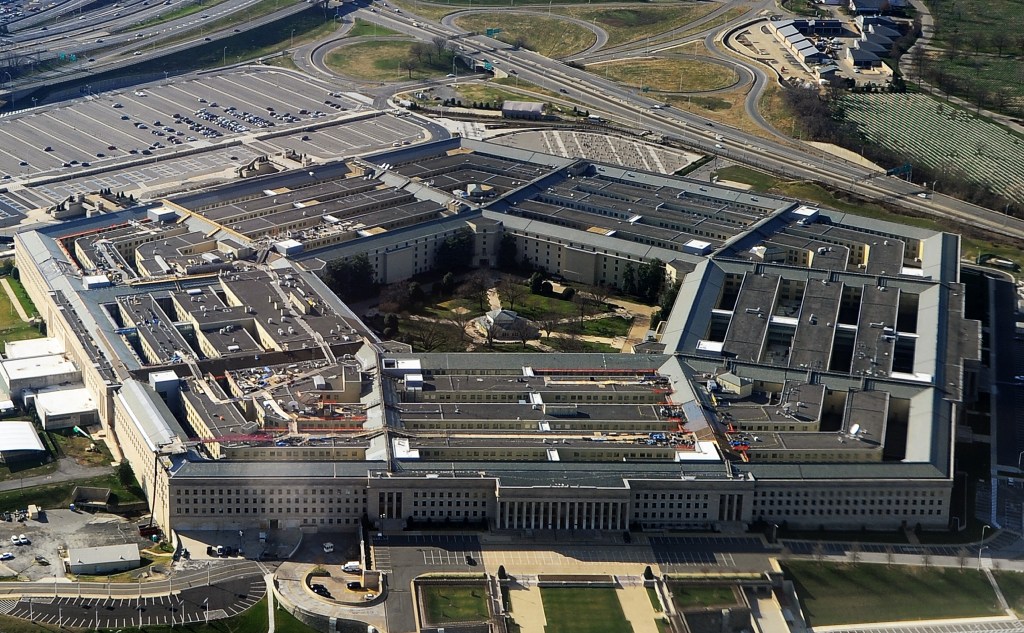
Close the Pentagon — it’s too big of a target
Why maintain a highly concentrated target for adversaries?
-

Guam needs Aegis Ashore
Aegis Ashore is not a perfect solution, but it provides the best hope for addressing urgent threats and creating the space for the additional capabilities that will undoubtedly be necessary.
-

America’s 355-ship Navy does not have to be the current fantasy
The challenge to reaching a 355-ship fleet is quite clear. Here are the changes that must take place.
-

Armed overwatch: A critical special operations forces requirement
Congress should fund a light-attack aircraft to deliver special operations units firepower and situational awareness, says the author of this commentary.
-

A vision for US Air Force partnerships in the Americas
The U.S. Air Force must reinforce the strength of its longstanding commitment to the Western Hemisphere.
-
Differences in technologies could have led FCC astray
Perhaps it is time to recharter the Federal Communications Commission as the “Federal Spectrum Commission.”
-
America should integrate a strike capability with its missile defense systems
Something of a Pentagon buzzword, neither the meaning of “integration” nor its future potential for countering air and missile threats is adequately understood.
-
Extending the New START nuclear pact will help stabilize US-Russia relations
The nuclear disparity between the U.S., Russia and China is too lopsided for Beijing to even consider joining negotiations for a nuclear arms control agreement.
-
A global, joint training environment provides more than just readiness
We must train in a joint or combatant command manner, or we will be slow to integrate when we must fight, and ultimately lives will be lost.
-
F-35 program costs are evolving, and these savings matter
In an era of increased military competition and during a period of tremendous budgetary constraints, incremental savings across a large enterprise program matter.
-
Close the Pentagon — it’s too big of a target
Why maintain a highly concentrated target for adversaries?
-
Guam needs Aegis Ashore
Aegis Ashore is not a perfect solution, but it provides the best hope for addressing urgent threats and creating the space for the additional capabilities that will undoubtedly be necessary.
-
America’s 355-ship Navy does not have to be the current fantasy
The challenge to reaching a 355-ship fleet is quite clear. Here are the changes that must take place.
-
Armed overwatch: A critical special operations forces requirement
Congress should fund a light-attack aircraft to deliver special operations units firepower and situational awareness, says the author of this commentary.
-
A vision for US Air Force partnerships in the Americas
The U.S. Air Force must reinforce the strength of its longstanding commitment to the Western Hemisphere.