-
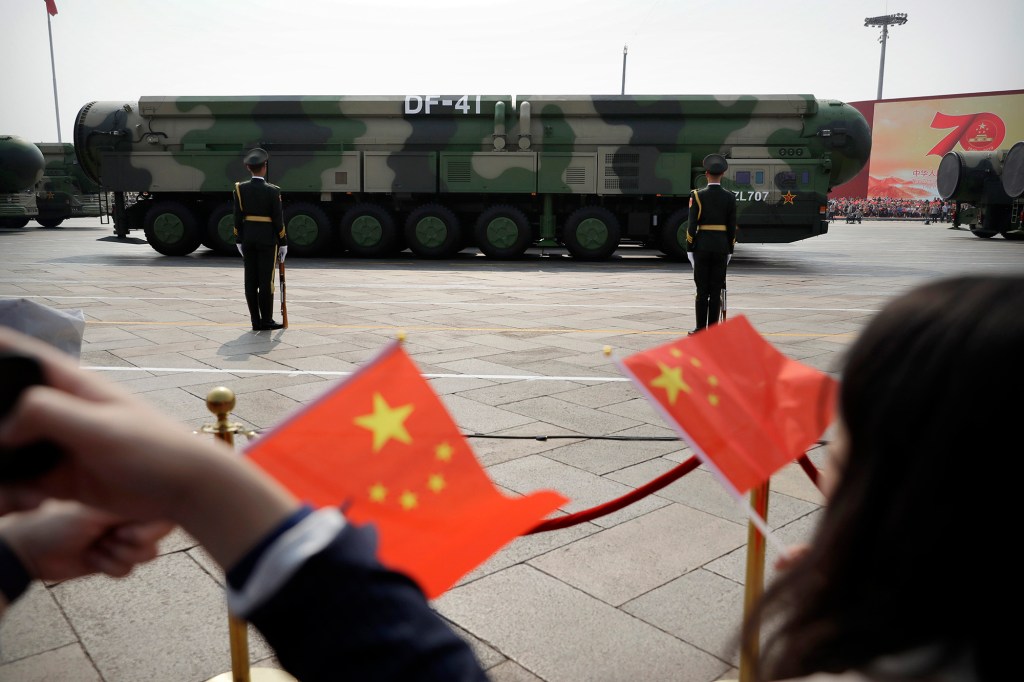
When it comes to China’s nuclear weapons, numbers aren’t everything
Nuclear risks between the United States and China manifest differently than those of the past U.S.-Soviet nuclear competition, or that of the United States and Russia today.
-

Taking a closer look at the health of the US Navy
While it may sound trivial, the Navy is built around its ships. And the Biden administration faces several problems in maintaining and building the future fleet.
-

Securing information age combat capabilities demands a new approach
The DoD should consider acquisition process changes to encourage technologies to help connect weapon systems across domains, the author proposes.
-
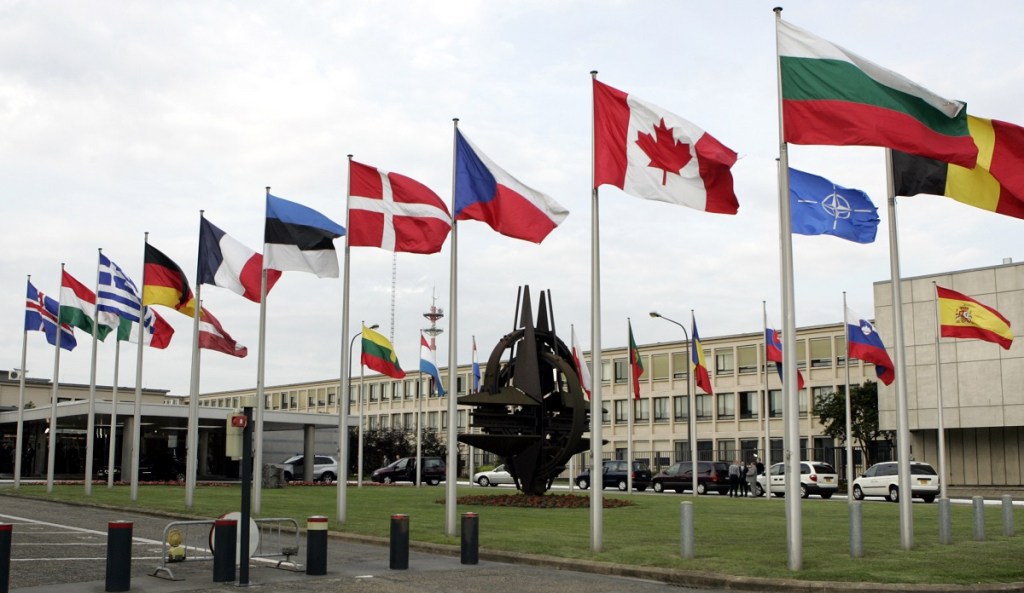
Prioritize NATO integration for multidomain operations
The U.S. military’s modernization efforts increase technological disparity and challenges for NATO, according to an expert who explains why integration is a must.
-

The rare earths crisis requires more than free markets
Relying on the free market to solve the rare earth supply chain issue is an approach we’ve tried before that failed miserably. Suggesting we do it again doesn’t acknowledge the critical national security risks involved with such a strategy.
-

Expanding software design in the DoD — the benefits and challenges
The authors have suggestions for the DoD to increase its overall effectiveness with software design to produce better products in less time
-

Physics-based simulation can improve force readiness
Much of our latent capacity is held back by reliability issues — the bane of all war fighters.
-
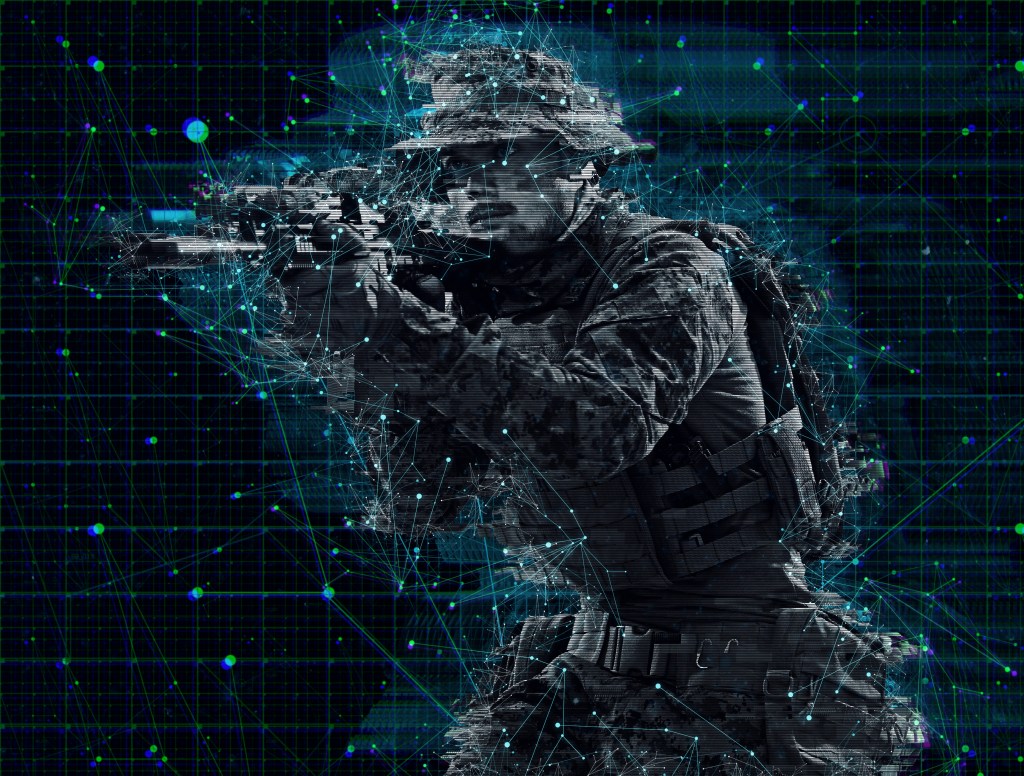
Mind meld: Synthetic training brought to life
The authors want the military to look to the video gaming industry for technical talent and insights to make a synthetic training environment.
-

A ‘splinternet’ won’t solve global cyber defense problems
Countries will need to rely on each other more often for cyber defense and deterrence. Here’s how one expert envisions that cooperation.
-

It’s time to rethink foreign military sales
As American companies pursue their efforts to arm much of the world, a record volume of defense exports has led to increasing humanitarian and strategic costs for the United States.
-
When it comes to China’s nuclear weapons, numbers aren’t everything
Nuclear risks between the United States and China manifest differently than those of the past U.S.-Soviet nuclear competition, or that of the United States and Russia today.
-
Taking a closer look at the health of the US Navy
While it may sound trivial, the Navy is built around its ships. And the Biden administration faces several problems in maintaining and building the future fleet.
-
Securing information age combat capabilities demands a new approach
The DoD should consider acquisition process changes to encourage technologies to help connect weapon systems across domains, the author proposes.
-
Prioritize NATO integration for multidomain operations
The U.S. military’s modernization efforts increase technological disparity and challenges for NATO, according to an expert who explains why integration is a must.
-
The rare earths crisis requires more than free markets
Relying on the free market to solve the rare earth supply chain issue is an approach we’ve tried before that failed miserably. Suggesting we do it again doesn’t acknowledge the critical national security risks involved with such a strategy.
-
Expanding software design in the DoD — the benefits and challenges
The authors have suggestions for the DoD to increase its overall effectiveness with software design to produce better products in less time
-
Physics-based simulation can improve force readiness
Much of our latent capacity is held back by reliability issues — the bane of all war fighters.
-
Mind meld: Synthetic training brought to life
The authors want the military to look to the video gaming industry for technical talent and insights to make a synthetic training environment.
-
A ‘splinternet’ won’t solve global cyber defense problems
Countries will need to rely on each other more often for cyber defense and deterrence. Here’s how one expert envisions that cooperation.
-
It’s time to rethink foreign military sales
As American companies pursue their efforts to arm much of the world, a record volume of defense exports has led to increasing humanitarian and strategic costs for the United States.