-

The US military is not organized for cyber war
Too much of this debate treats a new service as a judgment on Cyber Command’s performance. It is not.
-
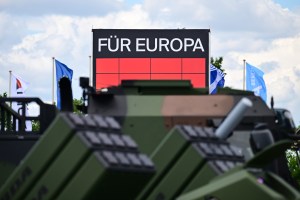
Europe’s defense build-up depends on getting partnerships right
One pattern is worth watching: Partnership activity is not spreading evenly across the market; it is coalescing around a handful of industrial platforms.
-
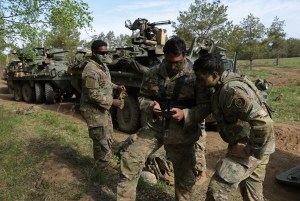
Troop cuts in Europe: Giving away something for nothing
It’s not too late – if Washington is intent on reducing troop levels in Europe, it can still wield this bargaining chip with Russia.
-
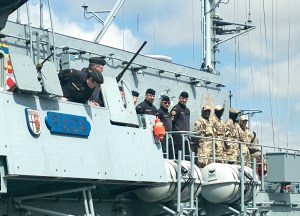
NATO in Hormuz is not mission creep
“For much of the last three decades, NATO has operated on the assumption that allied security cannot be defined solely by geography.”
-

Inside China, artificial intelligence is a snake eating its own tail
AI researchers refer to this as “model collapse,” a phenomenon in which models trained on their own synthetic outputs degrade over successive generations.
-

Trump’s madman diplomacy isn’t working on Iran
Compounding the problem is Trump’s misapplication of the madman theory itself, argues CATO Institute analyst Benjamin Giltner.
-

For Germany, the plot thickens toward a US-optional nuclear deterrent
All discussion formats must be expanded to include other European states as soon as possible, argues guest author Karl-Heinz Kamp.
-

The Strait of Hormuz offers a lesson in air denial
“By that measure, the United States does not have air superiority where it counts,” write analysts Max Bremer and Kelly Grieco.
-
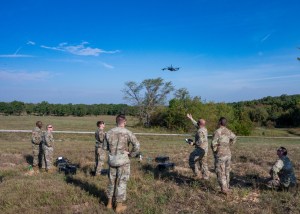
The military’s fabled ‘human in the loop’ for AI is dangerously misleading
A “human in the loop” whose sole function is to approve a machine’s actions is not a safeguard but a design failure, argues Mikey Dickerson.
-

A web of sensors: How the US spots missiles and drones from Iran
If a missile is launched from Iran toward a U.S. military base in the region, how do service members know in time to stay safe?
-
The US military is not organized for cyber war
Too much of this debate treats a new service as a judgment on Cyber Command’s performance. It is not.
-
Europe’s defense build-up depends on getting partnerships right
One pattern is worth watching: Partnership activity is not spreading evenly across the market; it is coalescing around a handful of industrial platforms.
-
Troop cuts in Europe: Giving away something for nothing
It’s not too late – if Washington is intent on reducing troop levels in Europe, it can still wield this bargaining chip with Russia.
-
NATO in Hormuz is not mission creep
“For much of the last three decades, NATO has operated on the assumption that allied security cannot be defined solely by geography.”
-
Inside China, artificial intelligence is a snake eating its own tail
AI researchers refer to this as “model collapse,” a phenomenon in which models trained on their own synthetic outputs degrade over successive generations.
-
Trump’s madman diplomacy isn’t working on Iran
Compounding the problem is Trump’s misapplication of the madman theory itself, argues CATO Institute analyst Benjamin Giltner.
-
For Germany, the plot thickens toward a US-optional nuclear deterrent
All discussion formats must be expanded to include other European states as soon as possible, argues guest author Karl-Heinz Kamp.
-
The Strait of Hormuz offers a lesson in air denial
“By that measure, the United States does not have air superiority where it counts,” write analysts Max Bremer and Kelly Grieco.
-
The military’s fabled ‘human in the loop’ for AI is dangerously misleading
A “human in the loop” whose sole function is to approve a machine’s actions is not a safeguard but a design failure, argues Mikey Dickerson.
-
A web of sensors: How the US spots missiles and drones from Iran
If a missile is launched from Iran toward a U.S. military base in the region, how do service members know in time to stay safe?
-

The US military is not organized for cyber war
Too much of this debate treats a new service as a judgment on Cyber Command’s performance. It is not.
-
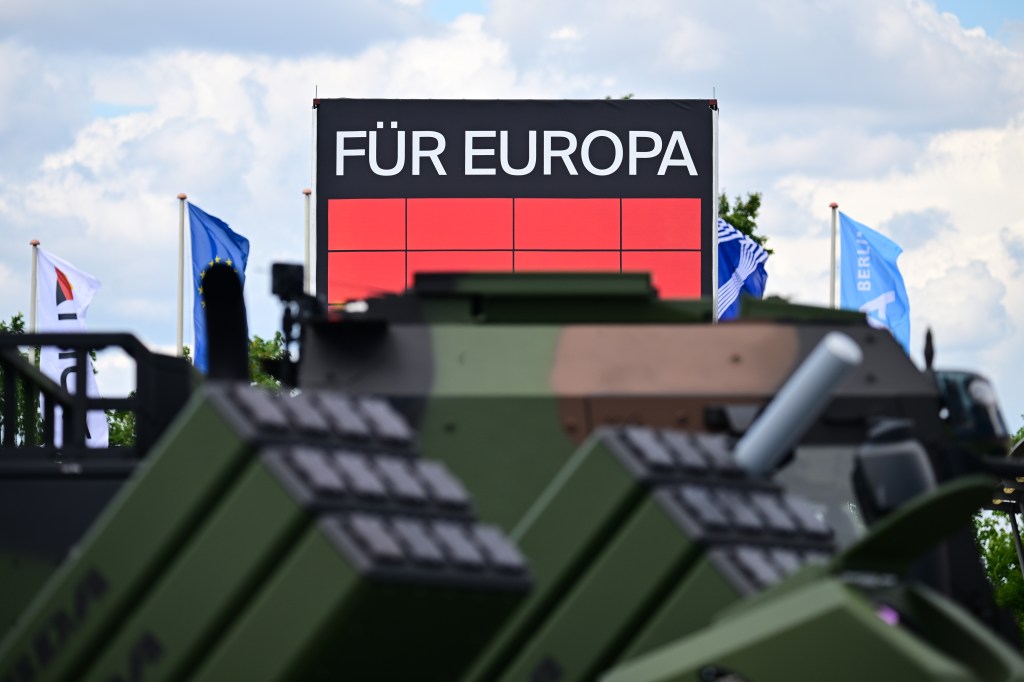
Europe’s defense build-up depends on getting partnerships right
One pattern is worth watching: Partnership activity is not spreading evenly across the market; it is coalescing around a handful of industrial platforms.
-
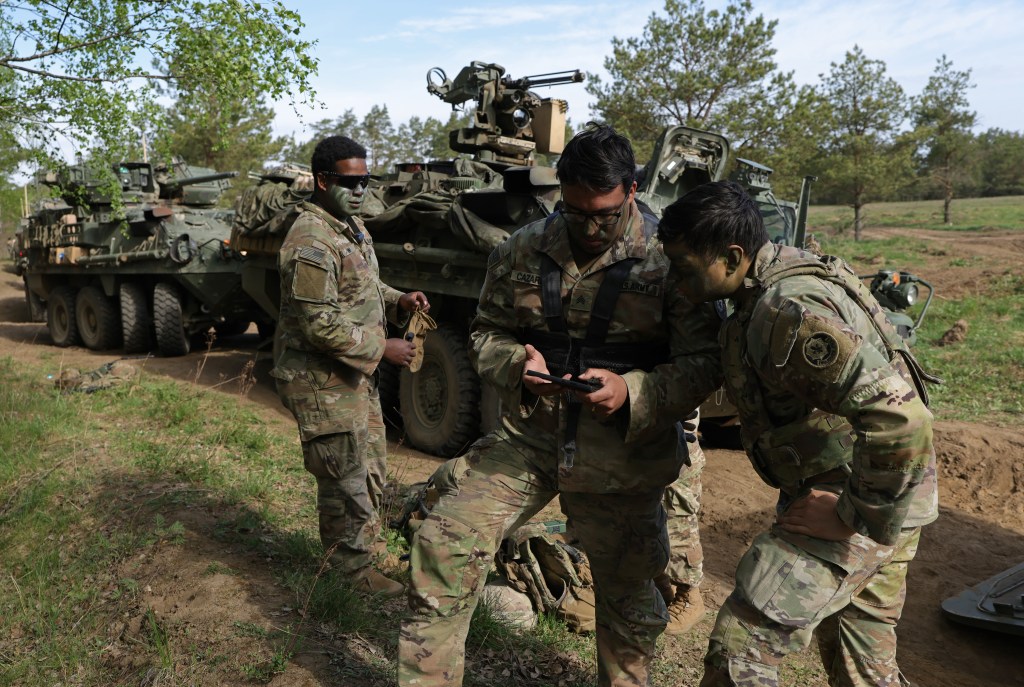
Troop cuts in Europe: Giving away something for nothing
It’s not too late – if Washington is intent on reducing troop levels in Europe, it can still wield this bargaining chip with Russia.
-

NATO in Hormuz is not mission creep
“For much of the last three decades, NATO has operated on the assumption that allied security cannot be defined solely by geography.”
-

Inside China, artificial intelligence is a snake eating its own tail
AI researchers refer to this as “model collapse,” a phenomenon in which models trained on their own synthetic outputs degrade over successive generations.
-
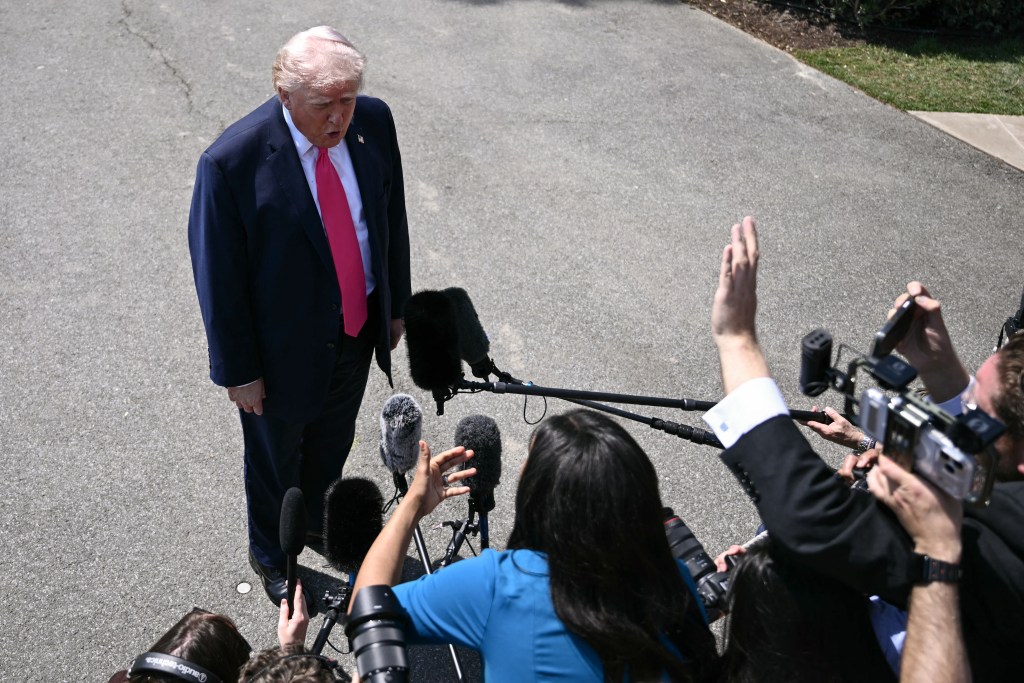
Trump’s madman diplomacy isn’t working on Iran
Compounding the problem is Trump’s misapplication of the madman theory itself, argues CATO Institute analyst Benjamin Giltner.
-

For Germany, the plot thickens toward a US-optional nuclear deterrent
All discussion formats must be expanded to include other European states as soon as possible, argues guest author Karl-Heinz Kamp.
-

The Strait of Hormuz offers a lesson in air denial
“By that measure, the United States does not have air superiority where it counts,” write analysts Max Bremer and Kelly Grieco.
-
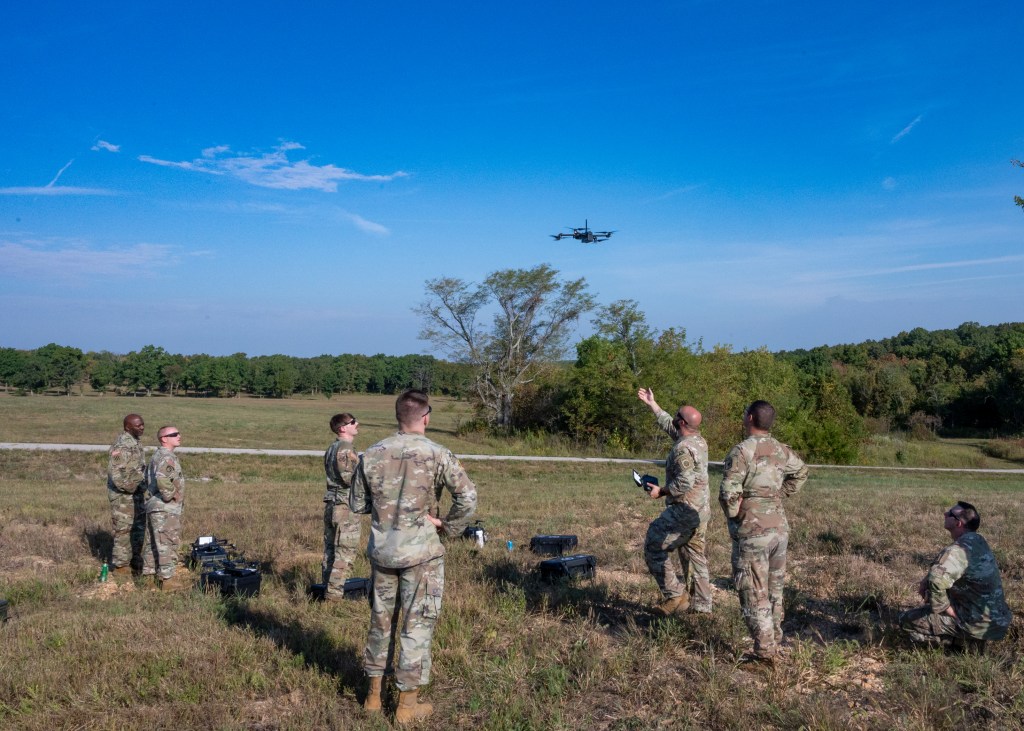
The military’s fabled ‘human in the loop’ for AI is dangerously misleading
A “human in the loop” whose sole function is to approve a machine’s actions is not a safeguard but a design failure, argues Mikey Dickerson.
-

A web of sensors: How the US spots missiles and drones from Iran
If a missile is launched from Iran toward a U.S. military base in the region, how do service members know in time to stay safe?