-

Congress’ Pentagon budget increase is in need of transparency
A modicum of sunlight and oversight would help ensure that future Pentagon budget increases prioritize the nation’s best interests.
-

NATO foreshock runs deep, through the Netherlands to China
We need a stable, enduring semiconductor foreign policy that is not subject to the whims of any current or future administration.
-

US, Israeli, Arab coordination in Mideast against Iran comes to fruition
The Middle East’s emerging air defense alliance got its first major stress test on April 13 and appears to have passed with flying colors.
-

To expand the US Navy’s fleet, we must contract
After decades of corporate consolidation, the pendulum now swings toward consensus that the U.S. defense-industrial base must once again expand.
-
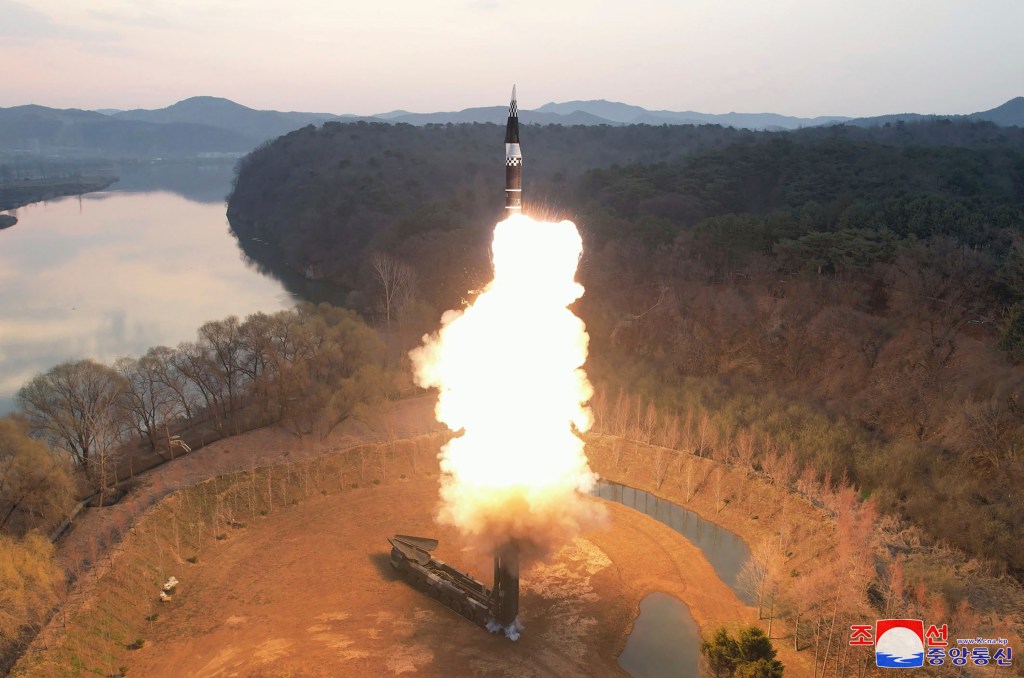
How to monitor North Korean nuclear violations after Russia’s UN veto
The U.S. should take the lead in creating a coalition of likeminded nations to monitor compliance with U.N. resolutions and international law.
-

Get the US Navy’s frigate program back on schedule
Failure to return the FFG-62 to the expected cost and schedule will further erode confidence in Navy acquisition management.
-

US must be transparent about realistic prospects for cooperation in space
The Pentagon’s work to strengthen allied space cooperation remains insufficient to achieve stated policy objectives.
-

Without change, US Navy’s future fleet looks too ambitious for industry
For industry to execute the plans in the Future Years Defense Program, major improvements will have to take place.
-
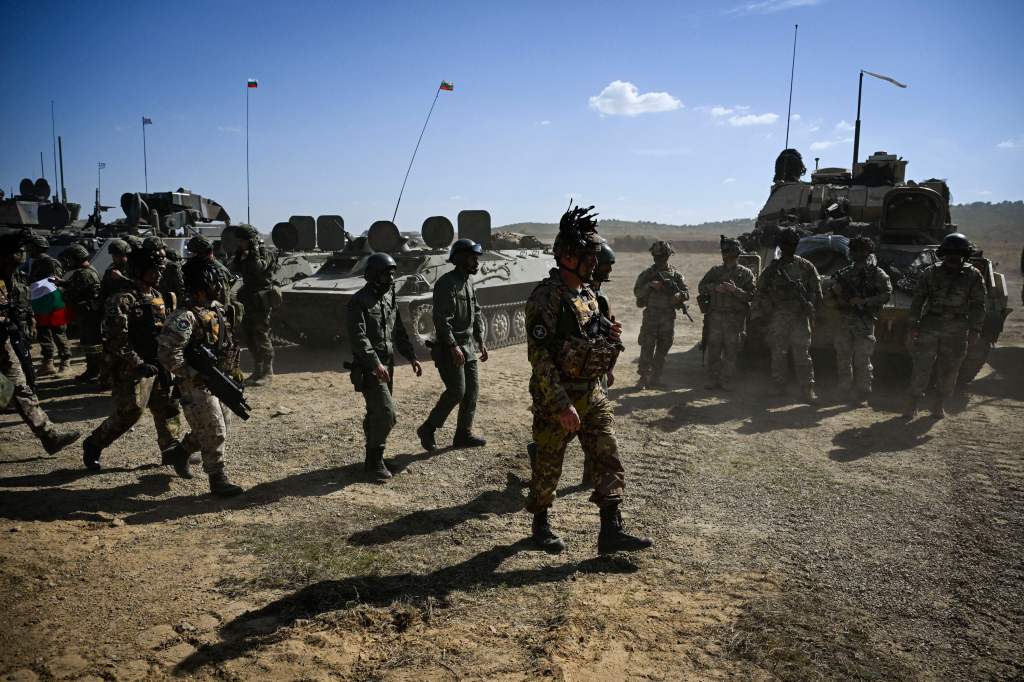
There is more to NATO burden sharing than the 2% spending dogma
At the alliance’s anniversary summit in Washington this summer, a more accurate accounting of member contributions is in order, argues Collin Meisel.
-

Three surprises in the US military’s wish lists
Unfunded priorities lists are important tools in determining where to apply missing resources, but they also signal consequences to budget uncertainty.
-
Congress’ Pentagon budget increase is in need of transparency
A modicum of sunlight and oversight would help ensure that future Pentagon budget increases prioritize the nation’s best interests.
-
NATO foreshock runs deep, through the Netherlands to China
We need a stable, enduring semiconductor foreign policy that is not subject to the whims of any current or future administration.
-
US, Israeli, Arab coordination in Mideast against Iran comes to fruition
The Middle East’s emerging air defense alliance got its first major stress test on April 13 and appears to have passed with flying colors.
-
To expand the US Navy’s fleet, we must contract
After decades of corporate consolidation, the pendulum now swings toward consensus that the U.S. defense-industrial base must once again expand.
-
How to monitor North Korean nuclear violations after Russia’s UN veto
The U.S. should take the lead in creating a coalition of likeminded nations to monitor compliance with U.N. resolutions and international law.
-
Get the US Navy’s frigate program back on schedule
Failure to return the FFG-62 to the expected cost and schedule will further erode confidence in Navy acquisition management.
-
US must be transparent about realistic prospects for cooperation in space
The Pentagon’s work to strengthen allied space cooperation remains insufficient to achieve stated policy objectives.
-
Without change, US Navy’s future fleet looks too ambitious for industry
For industry to execute the plans in the Future Years Defense Program, major improvements will have to take place.
-
There is more to NATO burden sharing than the 2% spending dogma
At the alliance’s anniversary summit in Washington this summer, a more accurate accounting of member contributions is in order, argues Collin Meisel.
-
Three surprises in the US military’s wish lists
Unfunded priorities lists are important tools in determining where to apply missing resources, but they also signal consequences to budget uncertainty.