-
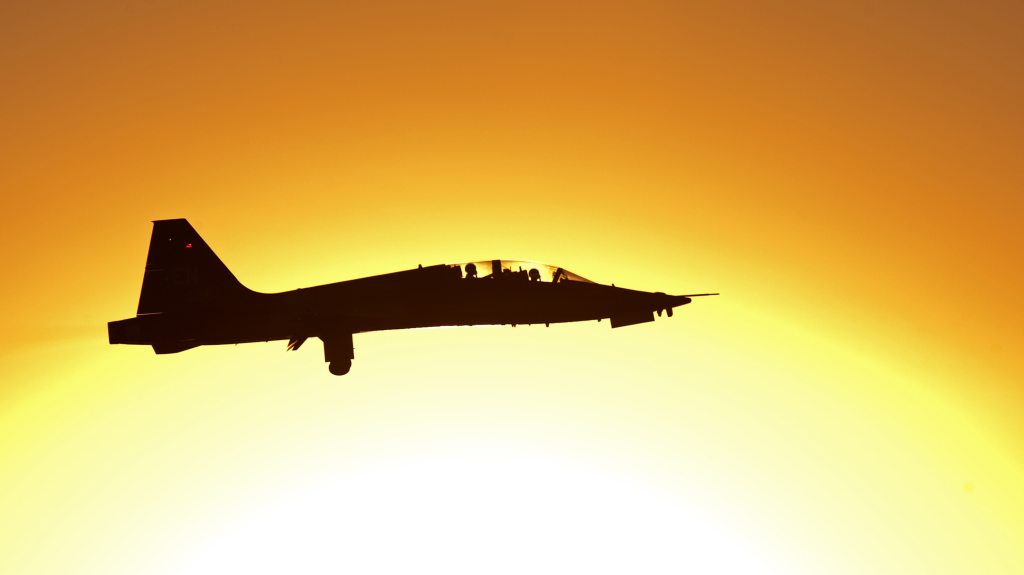
Time to get serious about T-X
Past being simply worn out, pilots need a training enterprise that matches modern requirements and budget realities demand an efficient solution. It is critical to get this acquisition effort right as the Air Force needs this capability sooner rather than later.
-
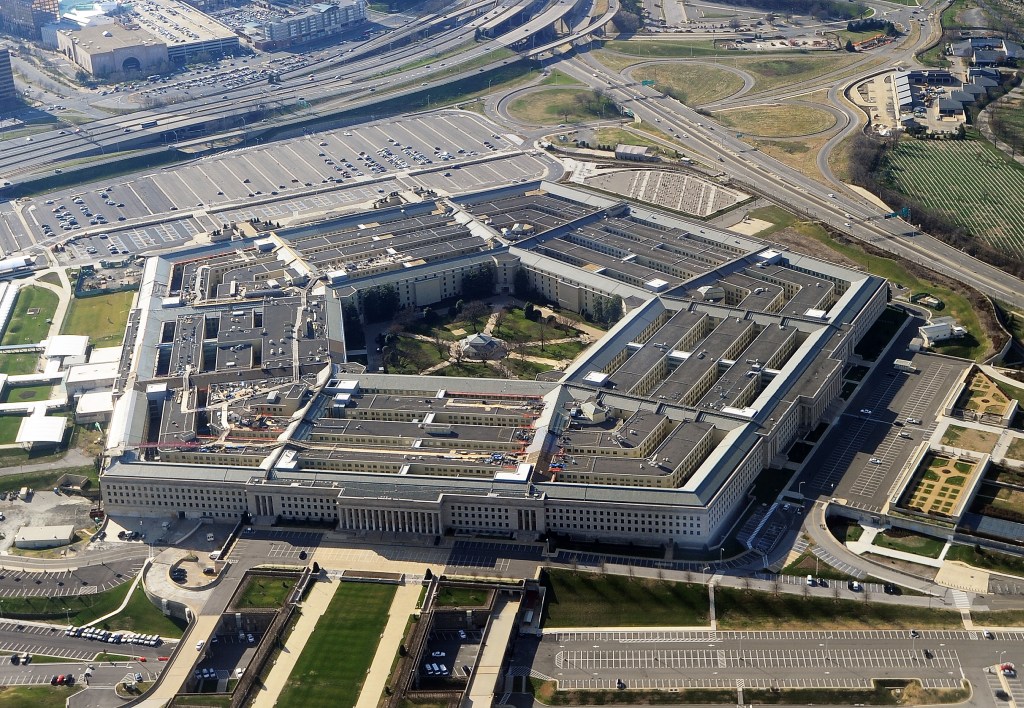
Bringing Pentagon efficiency and effectiveness to the forefront
One of the greatest threats not receiving appropriate attention is the Pentagon’s current business processes.
-
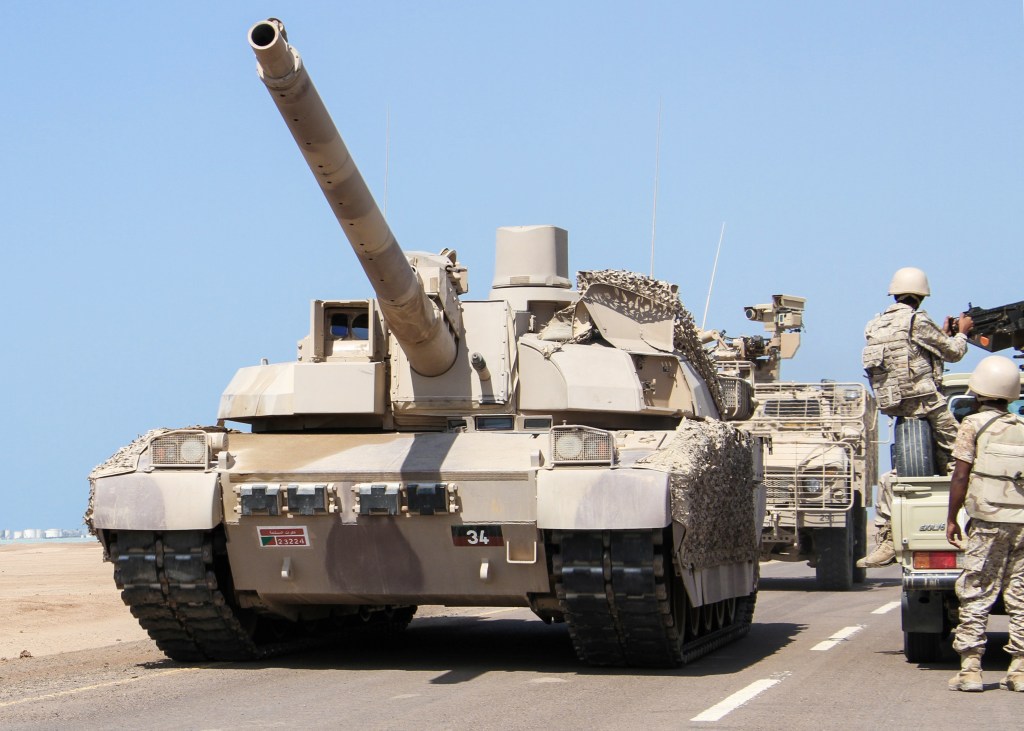
Reality check on strategic interests behind humanitarian concerns in Yemen
The US has not reacted to Iran’s recent announcement that it plans to build naval bases in Syria and Yemen, which could considerably increase Iran’s support for the Houthis.
-
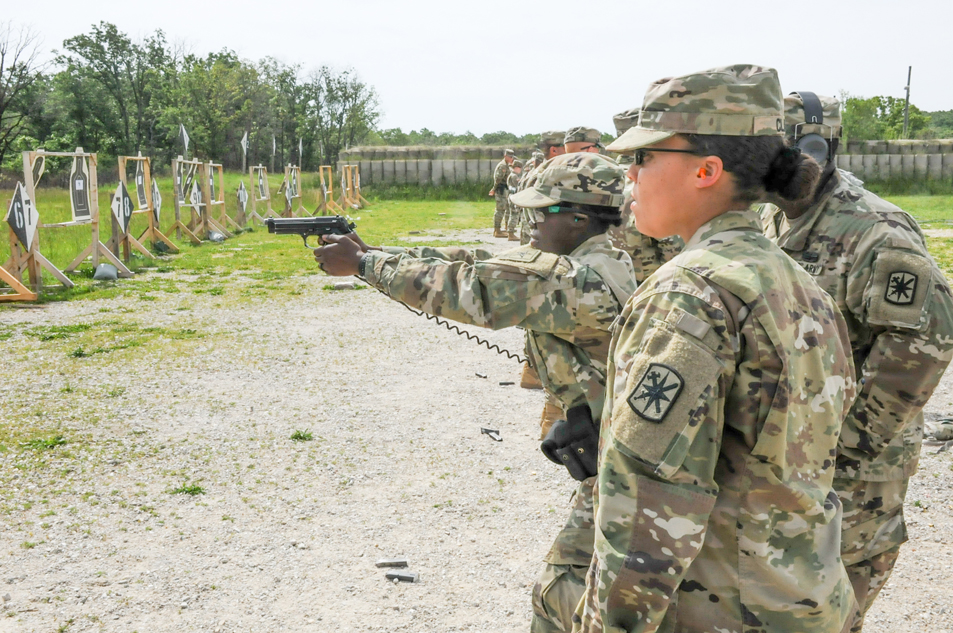
The Army handgun: A new poster child for acquisition malpractice?
Companies want fairness, but they also want predictability. And excessive bureaucracy in the name of fair competition, where contracting officers treat all competitions with kid gloves in fear of getting reprimanded if something goes awry, is counterproductive.
-

Syria: The Bottom Line of Political Accommodation
Marginalizing a regime whose private interests have brought Syria to ruin is the inescapable prerequisite for political accommodation in Syria.
-
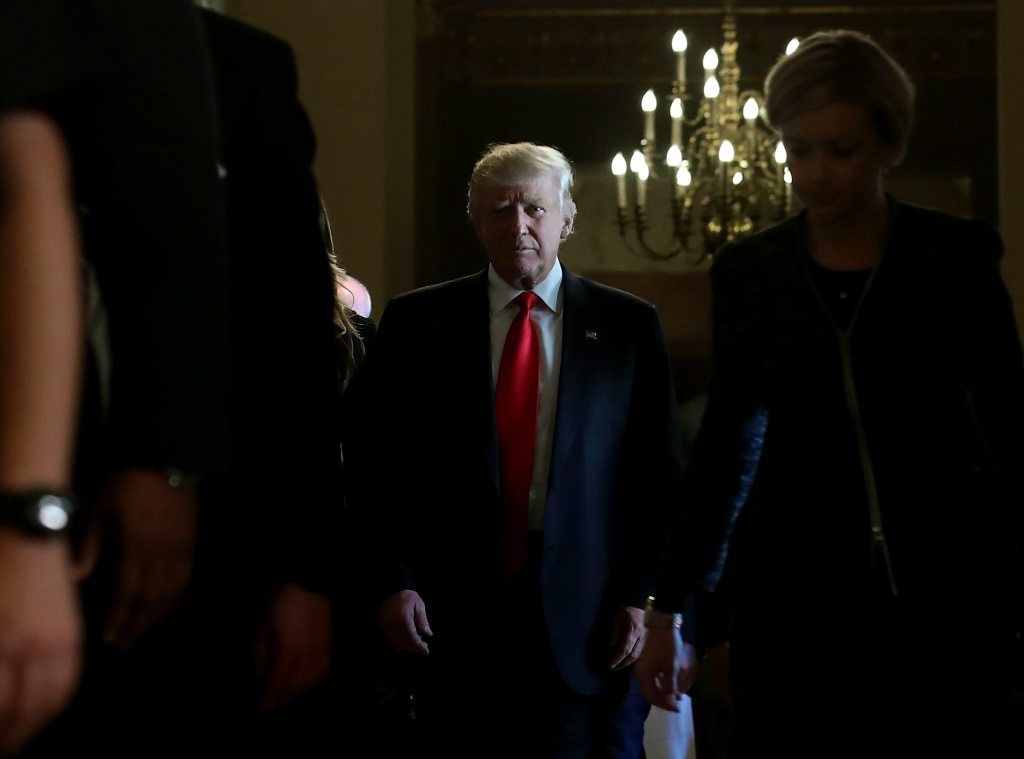
A Preview of Trump’s Procurement Modus Operandi
The bottom line for industry is this: Old norms have changed. Increasingly, procurement policy will be driven by chaotic-appearing, but fundamentally logical, top-down dictums, financial efficiencies that positional power can bring, and a media tycoon’s view of his own brand and that of the nation.
-
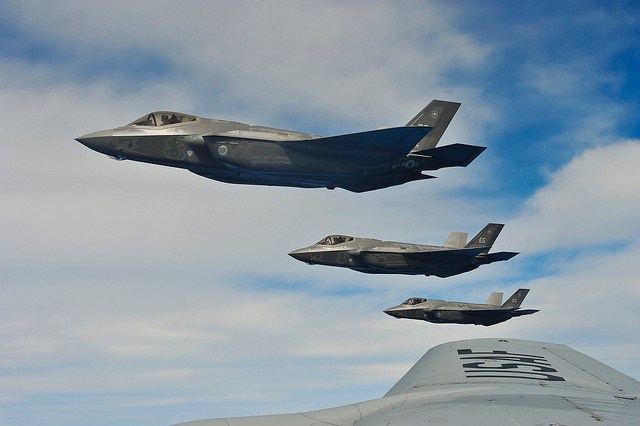
The F-35: We Need the Numbers and We Need Them Now
I was director of the Air Force budget when F-22 aircraft production was canceled. The rationale was that it is better to “leap” to the F-35 because it was cheaper and could be purchased in higher quantities. That decision made the F-35 the single most important defense program in the nation.
-

NDAA and the Counter-Drone Challenge
Hamas, and other non-state and state adversaries, have taken up drone warfare. The FY 2017 National Defense Authorization Act (NDAA) recognizes this reality and takes some important steps in tackling the threat of adversary drones operating against our own military, in both foreign and domestic airspace.
-

Fallout of Halting Weapons Sales to Saudi Arabia
The decision by the Obama administration to stop a planned weapons sale of precision-guided munitions to Saudi Arabia due to its concerns over civilian casualties, while paradoxically continuing to refuel Saudi-led coalition planes, is a reversal of the US Congress’s past decision to sell smart bombs to Saudi Arabia to limit civilian casualties.
-

NATO: An Investment for US Foreign Policy
For the United States, subsidizing the broad contours of European security — frustrating or resource intensive though it may be — is widely regarded as a good deal.
-
Time to get serious about T-X
Past being simply worn out, pilots need a training enterprise that matches modern requirements and budget realities demand an efficient solution. It is critical to get this acquisition effort right as the Air Force needs this capability sooner rather than later.
-
Bringing Pentagon efficiency and effectiveness to the forefront
One of the greatest threats not receiving appropriate attention is the Pentagon’s current business processes.
-
Reality check on strategic interests behind humanitarian concerns in Yemen
The US has not reacted to Iran’s recent announcement that it plans to build naval bases in Syria and Yemen, which could considerably increase Iran’s support for the Houthis.
-
The Army handgun: A new poster child for acquisition malpractice?
Companies want fairness, but they also want predictability. And excessive bureaucracy in the name of fair competition, where contracting officers treat all competitions with kid gloves in fear of getting reprimanded if something goes awry, is counterproductive.
-
Syria: The Bottom Line of Political Accommodation
Marginalizing a regime whose private interests have brought Syria to ruin is the inescapable prerequisite for political accommodation in Syria.
-
A Preview of Trump’s Procurement Modus Operandi
The bottom line for industry is this: Old norms have changed. Increasingly, procurement policy will be driven by chaotic-appearing, but fundamentally logical, top-down dictums, financial efficiencies that positional power can bring, and a media tycoon’s view of his own brand and that of the nation.
-
The F-35: We Need the Numbers and We Need Them Now
I was director of the Air Force budget when F-22 aircraft production was canceled. The rationale was that it is better to “leap” to the F-35 because it was cheaper and could be purchased in higher quantities. That decision made the F-35 the single most important defense program in the nation.
-
NDAA and the Counter-Drone Challenge
Hamas, and other non-state and state adversaries, have taken up drone warfare. The FY 2017 National Defense Authorization Act (NDAA) recognizes this reality and takes some important steps in tackling the threat of adversary drones operating against our own military, in both foreign and domestic airspace.
-
Fallout of Halting Weapons Sales to Saudi Arabia
The decision by the Obama administration to stop a planned weapons sale of precision-guided munitions to Saudi Arabia due to its concerns over civilian casualties, while paradoxically continuing to refuel Saudi-led coalition planes, is a reversal of the US Congress’s past decision to sell smart bombs to Saudi Arabia to limit civilian casualties.
-
NATO: An Investment for US Foreign Policy
For the United States, subsidizing the broad contours of European security — frustrating or resource intensive though it may be — is widely regarded as a good deal.