-
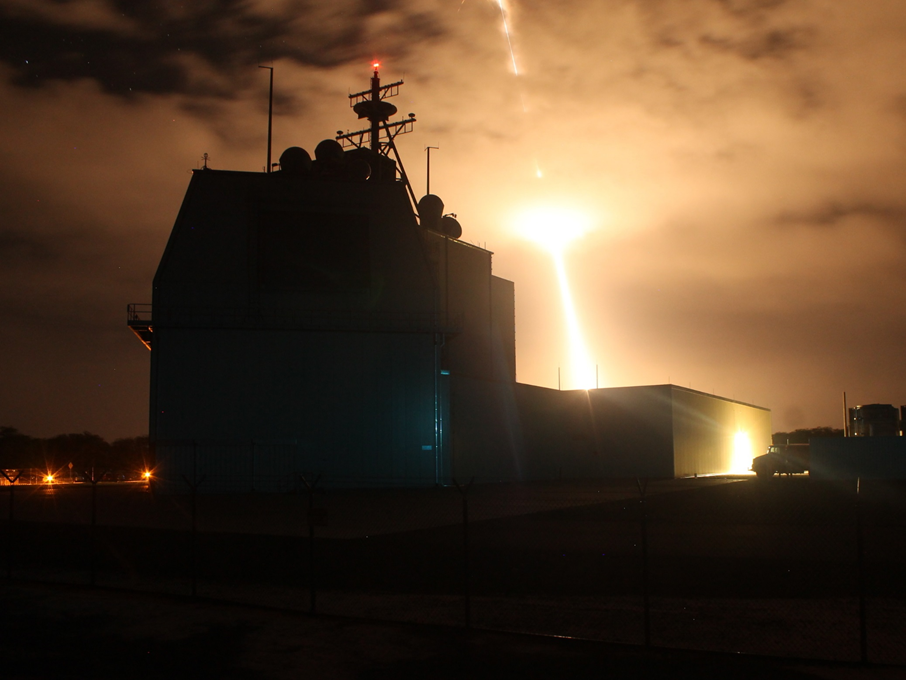
Storm in the Pacific: Defending against growing North Korean threats [Commentary]
The fastest and most immediate way to provide for the defense of Hawaii is to operationalize the Aegis Ashore site located at Pacific Missile Range Facility on Kauai.
-

How, and why, to hold defense companies accountable [Commentary]
Government agencies responsible for national security are dependent on private defense firms. These companies are primarily responsible to shareholders rather than the American people. How can they be held accountable to the nation’s interests?
-

The US and UAE forge a new path on defense [Commentary]
US and UAE officials recently signed a landmark Defense Cooperation Agreement (DCA) expanding work in key defense and security arenas between the two partners.
-

Restoring the balance on NATO’s eastern flank [Commentary]
Russian anti-access, area denial bubbles in the Kaliningrad enclave and on the Crimean Peninsula restrict NATO’s self-defense capabilities.
-
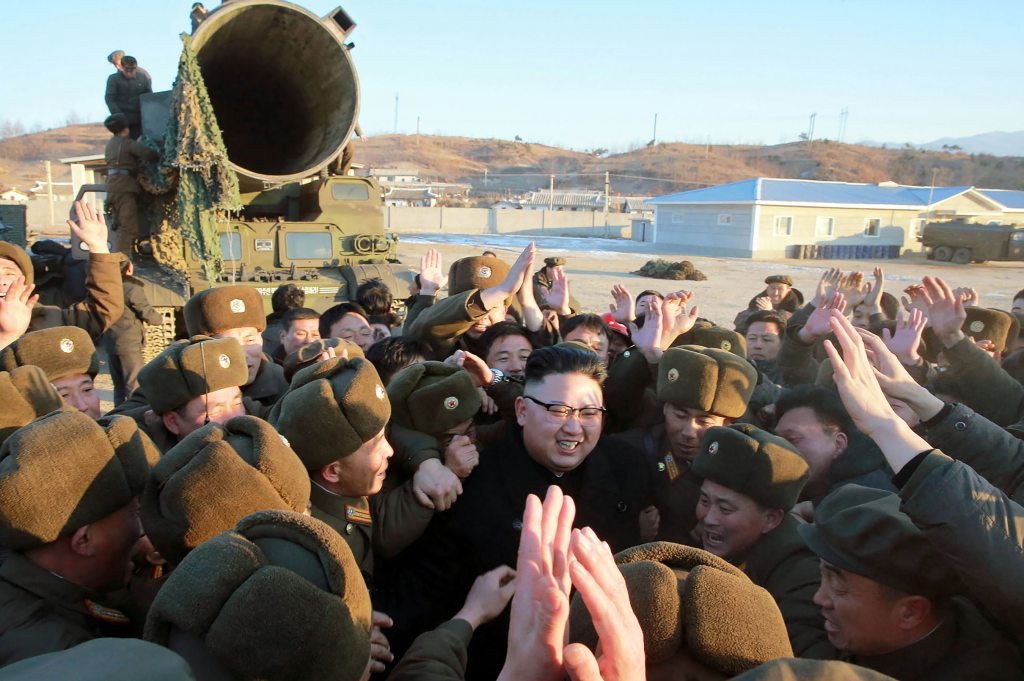
Take a lesson from the Cold War to work with North Korea [Commentary]
In their classic work “Thinking in Time,” Richard Neustadt and Ernest May developed a useful manual of statecraft designed to improve the decision-making abilities of national leaders through the proper uses of history.
-

Reluctant allies and what that means for the future of NATO [Editorial]
Tensions between Turkey and the U.S. individually, NATO collectively, reflect the challenges that come with reluctant allies. They also reflect the reality that an alliance among democracies predominantly in the western world is growing increasingly difficult to support for nations that border conflict zones.
-
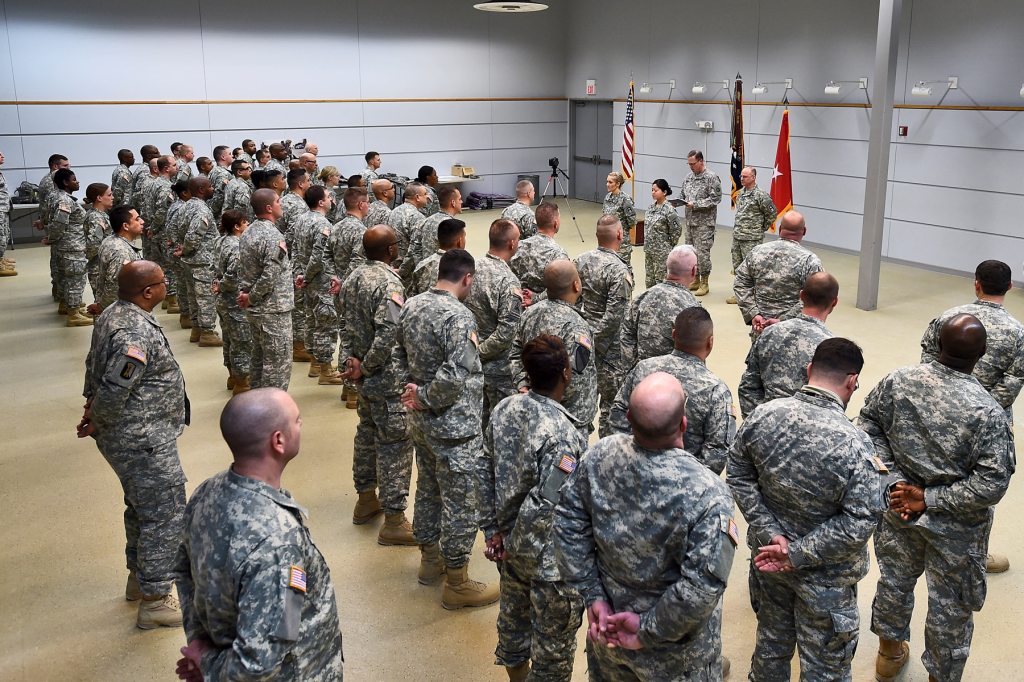
We need legislation to cover the US Guard and Reserve [Commentary]
Congress should update the Uniformed Services Employment and Reemployment Rights Act to reflect the increased training commitments of today’s force and consider additional tax benefits such as deductions for hiring reservists and tax exemptions for “differential pay.”
-

Why start over in ballistic missile defense? [Commentary]
In the face of North Korean threats and capabilities, we need improved BMD today, not years down the road. Sticking with what we have and improving it is the lowest-risk, most cost-effective option.
-
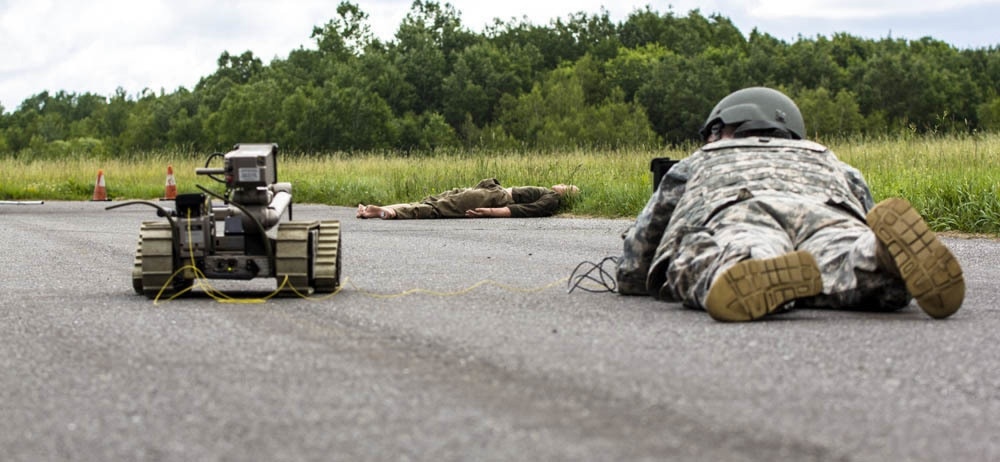
Are we addressing tomorrow’s threats with yesterday’s technology? [Commentary]
America has always counted on its vast industrial base and technological supremacy to create a fighting edge on the battlefield. But that base is now shifting along with the technology it produces and our national security needs unfortunately could be left behind.
-
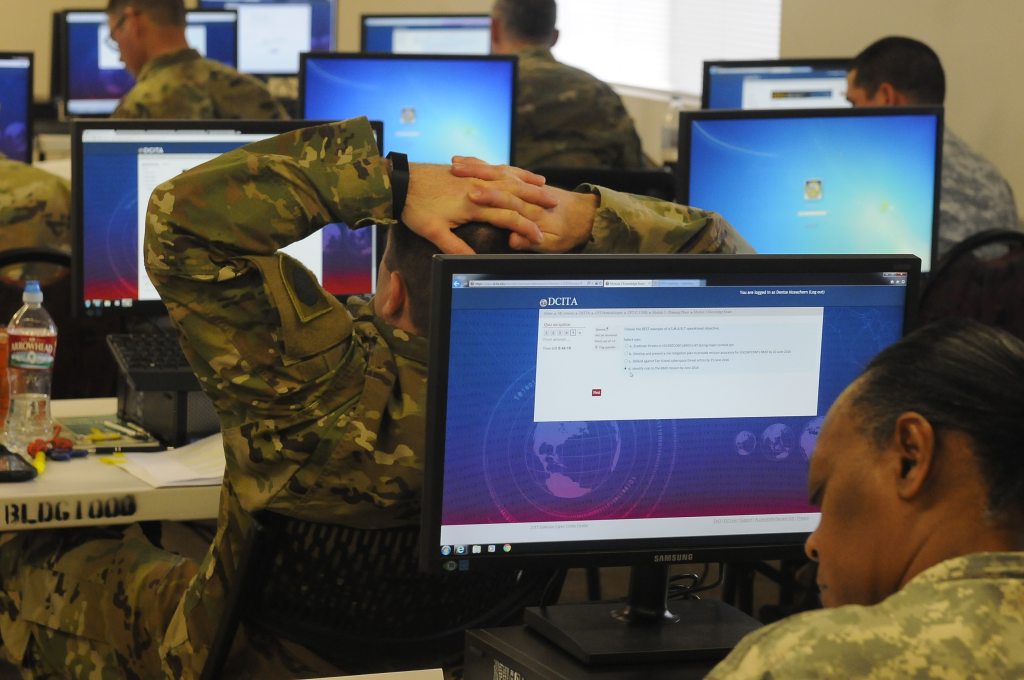
America, not the services, needs cyber forces [Commentary]
Jim Perkins argues for why the U.S. Army should drop its own cyber force.
-
Storm in the Pacific: Defending against growing North Korean threats [Commentary]
The fastest and most immediate way to provide for the defense of Hawaii is to operationalize the Aegis Ashore site located at Pacific Missile Range Facility on Kauai.
-
How, and why, to hold defense companies accountable [Commentary]
Government agencies responsible for national security are dependent on private defense firms. These companies are primarily responsible to shareholders rather than the American people. How can they be held accountable to the nation’s interests?
-
The US and UAE forge a new path on defense [Commentary]
US and UAE officials recently signed a landmark Defense Cooperation Agreement (DCA) expanding work in key defense and security arenas between the two partners.
-
Restoring the balance on NATO’s eastern flank [Commentary]
Russian anti-access, area denial bubbles in the Kaliningrad enclave and on the Crimean Peninsula restrict NATO’s self-defense capabilities.
-
Take a lesson from the Cold War to work with North Korea [Commentary]
In their classic work “Thinking in Time,” Richard Neustadt and Ernest May developed a useful manual of statecraft designed to improve the decision-making abilities of national leaders through the proper uses of history.
-
Reluctant allies and what that means for the future of NATO [Editorial]
Tensions between Turkey and the U.S. individually, NATO collectively, reflect the challenges that come with reluctant allies. They also reflect the reality that an alliance among democracies predominantly in the western world is growing increasingly difficult to support for nations that border conflict zones.
-
We need legislation to cover the US Guard and Reserve [Commentary]
Congress should update the Uniformed Services Employment and Reemployment Rights Act to reflect the increased training commitments of today’s force and consider additional tax benefits such as deductions for hiring reservists and tax exemptions for “differential pay.”
-
Why start over in ballistic missile defense? [Commentary]
In the face of North Korean threats and capabilities, we need improved BMD today, not years down the road. Sticking with what we have and improving it is the lowest-risk, most cost-effective option.
-
Are we addressing tomorrow’s threats with yesterday’s technology? [Commentary]
America has always counted on its vast industrial base and technological supremacy to create a fighting edge on the battlefield. But that base is now shifting along with the technology it produces and our national security needs unfortunately could be left behind.
-
America, not the services, needs cyber forces [Commentary]
Jim Perkins argues for why the U.S. Army should drop its own cyber force.