-

Global defense leaders spotlight the power in numbers
In this year’s Outlook, you’ll see hints of the more emboldened NATO allies, with essays from defense ministers from around the world speaking less about what NATO can do for their countries, and more about what their countries can do for NATO.
-
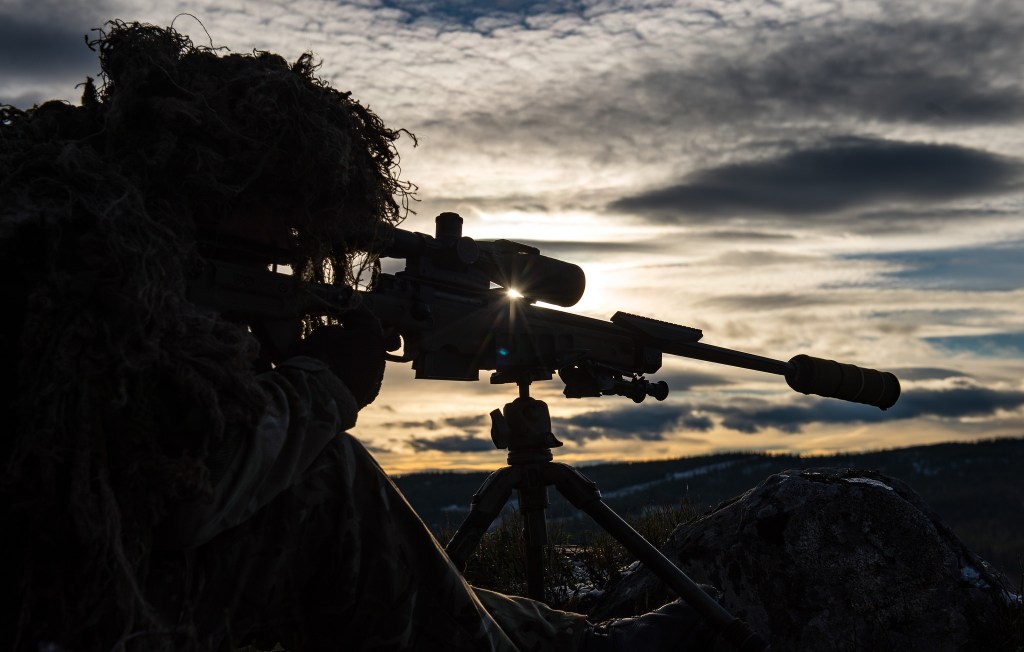
NATO needs a European level of ambition
European nations in NATO should look for the right to lead some military missions independent of the U.S., in order to blunt the idea of an independent EU military force.
-

Modernizing the US military by learning from the past
The flattening of the technological landscape and emergence of peer adversaries requires that the U.S. innovate to remain dominant.
-
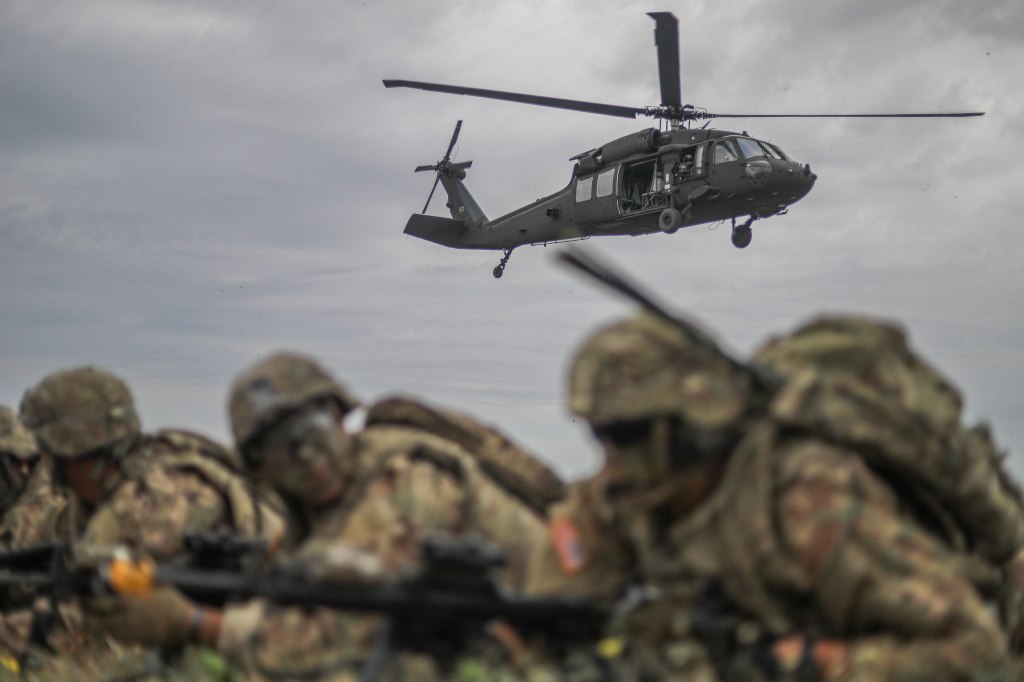
As defense budgets tighten, a new engine is critical to US Army aviation’s future
The Army needs to be cognizant of possible budgetary setbacks as it plans for the future of its aviation fleets.
-
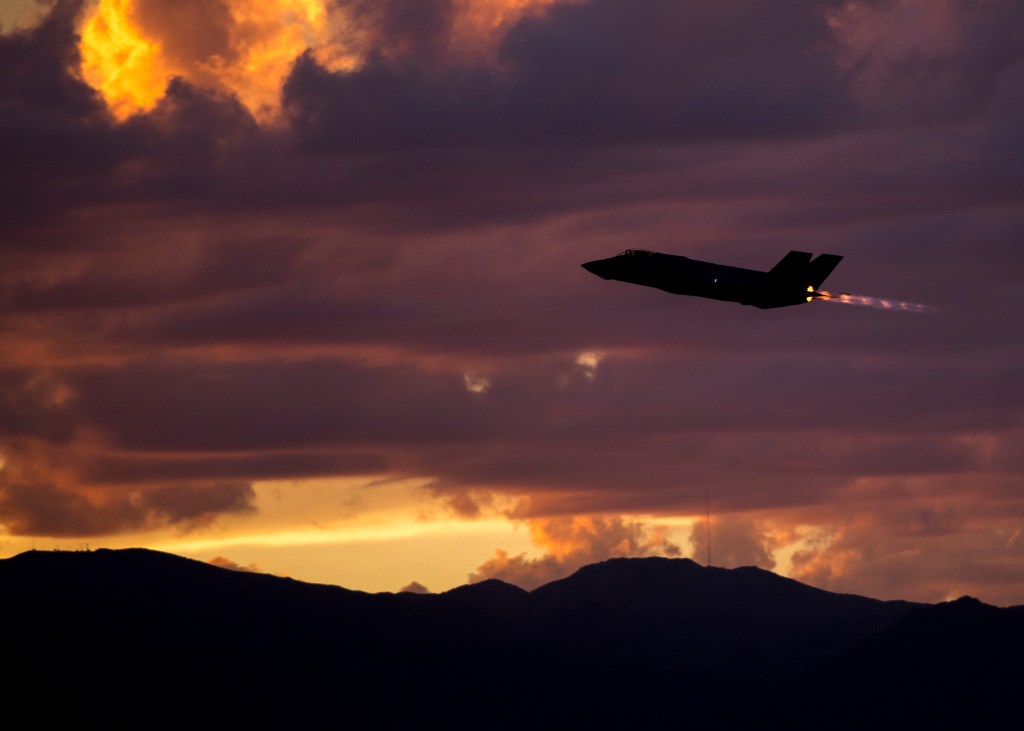
How industry, government can partner to meet the Pentagon’s fighter readiness goal
Government and industry must work together to ensure all aircraft fleets will be mission-capable to support war-fighter demand today, and for decades to come.
-
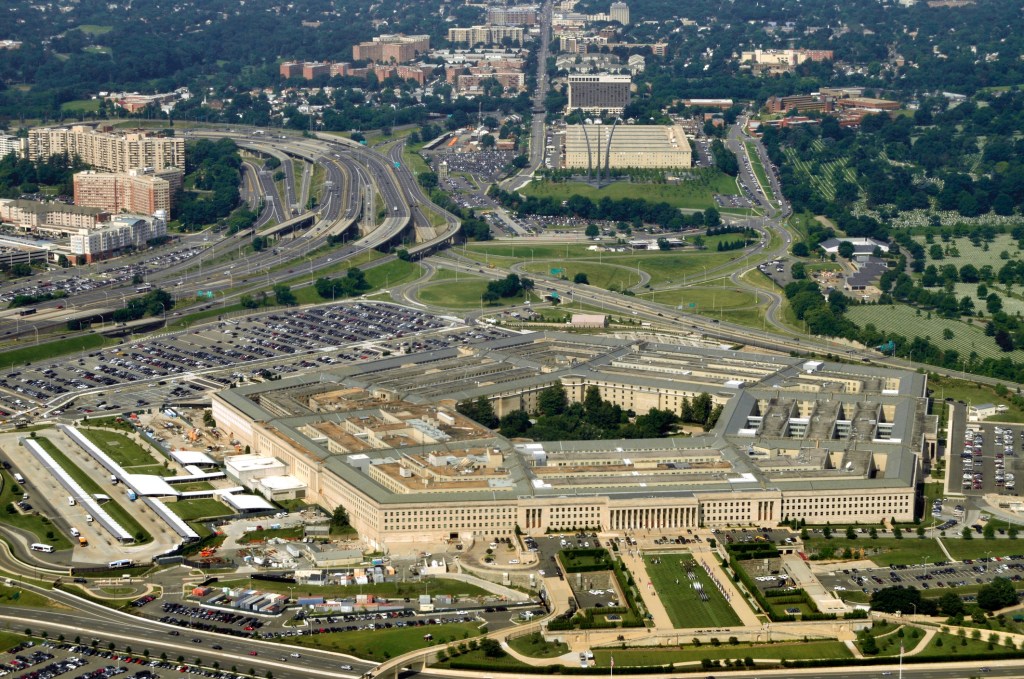
So we’re celebrating the Pentagon’s failed audit?
The Pentagon completed an audit, which is good, but it failed. Which, one would think, is not.
-

Pairing AI and nukes will lead to our autonomous Doomsday
The U.S. must cooperate with its nuclear-capable adversaries to ensure AI does not destabilize nuclear command and control. The stakes are high; the consequences potentially existential.
-

Boeing, and the art of capitalism
It’s been about a month since the U.S. Air Force’s T-X trainer contract was awarded, providing plenty of time for industry and media alike to chew over the decision.
-

How China won the global war on terror
Winning a war commonly means emerging better than the enemy. But winning also can mean using a war to gain strategic advantage.
-
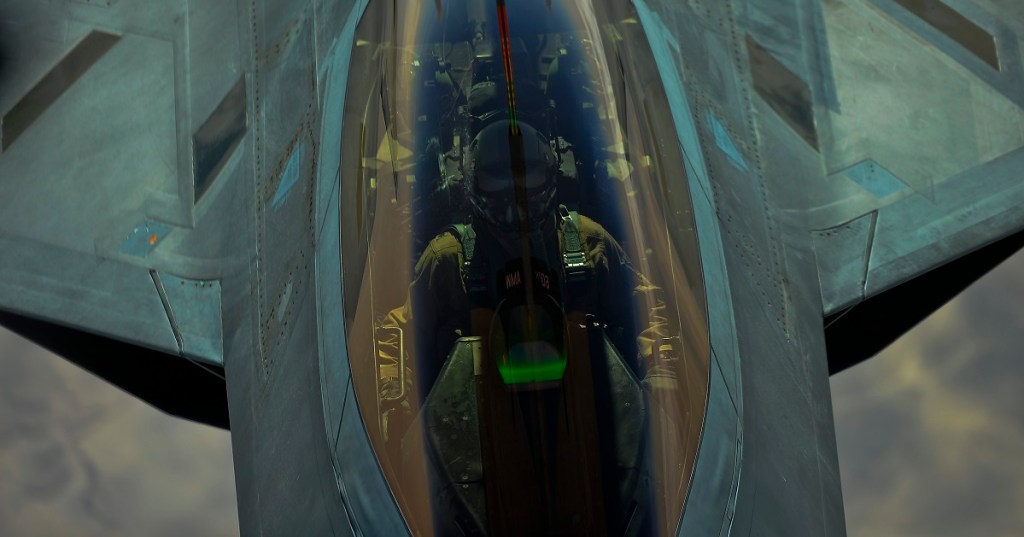
A shrinking budget can’t be allowed to kill modernization
The Pentagon’s can’t lose sight of modernization in favor of readiness, even if it’s getting less money than expected, Christopher Dougherty argues.
-
Global defense leaders spotlight the power in numbers
In this year’s Outlook, you’ll see hints of the more emboldened NATO allies, with essays from defense ministers from around the world speaking less about what NATO can do for their countries, and more about what their countries can do for NATO.
-
NATO needs a European level of ambition
European nations in NATO should look for the right to lead some military missions independent of the U.S., in order to blunt the idea of an independent EU military force.
-
Modernizing the US military by learning from the past
The flattening of the technological landscape and emergence of peer adversaries requires that the U.S. innovate to remain dominant.
-
As defense budgets tighten, a new engine is critical to US Army aviation’s future
The Army needs to be cognizant of possible budgetary setbacks as it plans for the future of its aviation fleets.
-
How industry, government can partner to meet the Pentagon’s fighter readiness goal
Government and industry must work together to ensure all aircraft fleets will be mission-capable to support war-fighter demand today, and for decades to come.
-
So we’re celebrating the Pentagon’s failed audit?
The Pentagon completed an audit, which is good, but it failed. Which, one would think, is not.
-
Pairing AI and nukes will lead to our autonomous Doomsday
The U.S. must cooperate with its nuclear-capable adversaries to ensure AI does not destabilize nuclear command and control. The stakes are high; the consequences potentially existential.
-
Boeing, and the art of capitalism
It’s been about a month since the U.S. Air Force’s T-X trainer contract was awarded, providing plenty of time for industry and media alike to chew over the decision.
-
How China won the global war on terror
Winning a war commonly means emerging better than the enemy. But winning also can mean using a war to gain strategic advantage.
-
A shrinking budget can’t be allowed to kill modernization
The Pentagon’s can’t lose sight of modernization in favor of readiness, even if it’s getting less money than expected, Christopher Dougherty argues.