-

What it will take for the NDAA to pass along bipartisan lines
This debate comes at a time of rising global tensions. There is no worse time to introduce uncertainty under the guise of scoring political points than now.
-

What will the US defense industry do when China cuts off rare earth supplies?
Severe and sustained shortages of rare earth materials could threaten the ability of American defense contractors to produce systems vital to U.S. national security.
-

Amid budget talks, remember that America’s defense-industrial base is indispensable
As Congress takes up the annual defense budget, it is worth acknowledging the comfort and quality of life to which we are accustomed owes its legacy in no small part to the collaborative force of the greatest public-private partnership in American history.
-
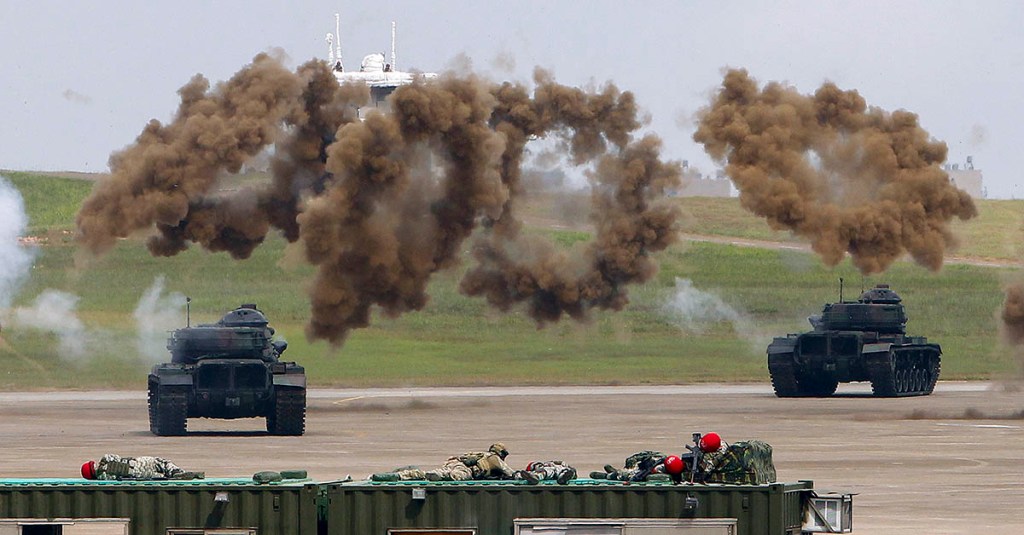
Trade deal with China or not, the US must bolster Taiwan’s defense
Impatient and determined to exert control over Taiwan, China has employed political and military means to isolate and intimidate the island.
-

Here’s what an AI code of conduct for the Pentagon might look like
In the debate over artificial intelligence, both sides may not actually be talking about creating new ethics, but rather discussing a code of conduct for how AI will be used and monitored. Here is one path for how developing a code of conduct might begin.
-

The US must deploy a sub-launched low-yield nuke
To address an important gap in America’s security, the country must modernize its nuclear arsenal.
-
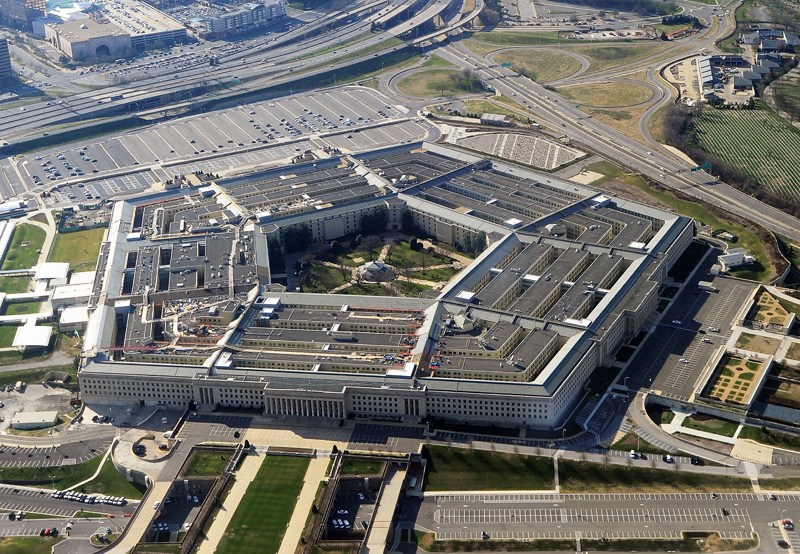
DoD has the tools to reform acquisition, and Thornberry wants to require their use
The Continuing Acquisition Reform bill provides a credible signal from Congress that senior defense leadership should move aggressively in using existing authority to change how the department does business.
-

Distributed deterrence: The continuing utility of ICBMs
The 2018 Nuclear Posture Review reaffirmed the need for a nuclear triad. Now comes the hard part.
-

TransDigm’s excess profits show weakness in supply chain management, not pricing practices
TransDigm’s decision to repay the government for its excess profits appears to be a positive resolution, but it does not address the lack of competition that led to these inflated prices.
-

America must secure its supply chains against a vulnerability of its own making
If China’s rare earth leverage over the U.S. is one part strategic foresight, it is two parts American strategic miscalculation and shortsightedness.
-
What it will take for the NDAA to pass along bipartisan lines
This debate comes at a time of rising global tensions. There is no worse time to introduce uncertainty under the guise of scoring political points than now.
-
What will the US defense industry do when China cuts off rare earth supplies?
Severe and sustained shortages of rare earth materials could threaten the ability of American defense contractors to produce systems vital to U.S. national security.
-
Amid budget talks, remember that America’s defense-industrial base is indispensable
As Congress takes up the annual defense budget, it is worth acknowledging the comfort and quality of life to which we are accustomed owes its legacy in no small part to the collaborative force of the greatest public-private partnership in American history.
-
Trade deal with China or not, the US must bolster Taiwan’s defense
Impatient and determined to exert control over Taiwan, China has employed political and military means to isolate and intimidate the island.
-
Here’s what an AI code of conduct for the Pentagon might look like
In the debate over artificial intelligence, both sides may not actually be talking about creating new ethics, but rather discussing a code of conduct for how AI will be used and monitored. Here is one path for how developing a code of conduct might begin.
-
The US must deploy a sub-launched low-yield nuke
To address an important gap in America’s security, the country must modernize its nuclear arsenal.
-
DoD has the tools to reform acquisition, and Thornberry wants to require their use
The Continuing Acquisition Reform bill provides a credible signal from Congress that senior defense leadership should move aggressively in using existing authority to change how the department does business.
-
Distributed deterrence: The continuing utility of ICBMs
The 2018 Nuclear Posture Review reaffirmed the need for a nuclear triad. Now comes the hard part.
-
TransDigm’s excess profits show weakness in supply chain management, not pricing practices
TransDigm’s decision to repay the government for its excess profits appears to be a positive resolution, but it does not address the lack of competition that led to these inflated prices.
-
America must secure its supply chains against a vulnerability of its own making
If China’s rare earth leverage over the U.S. is one part strategic foresight, it is two parts American strategic miscalculation and shortsightedness.