-
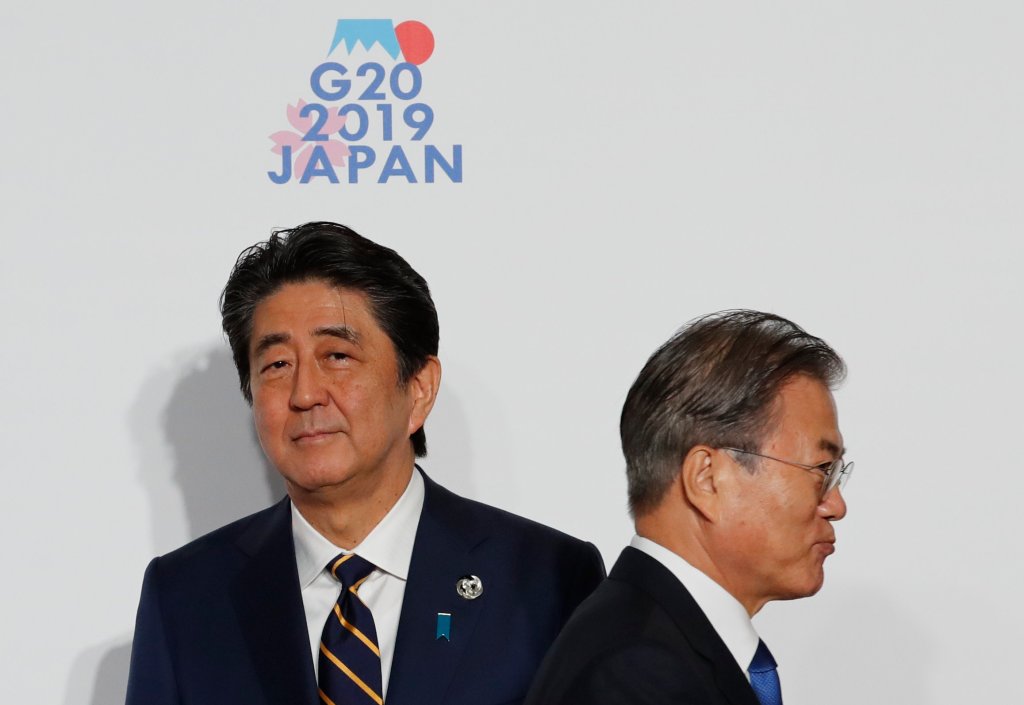
South Korea’s missile detection failure shows need for cooperation with Japan
Bilateral exchange of military intelligence is essential for South Korea and Japan to have common situational awareness.
-
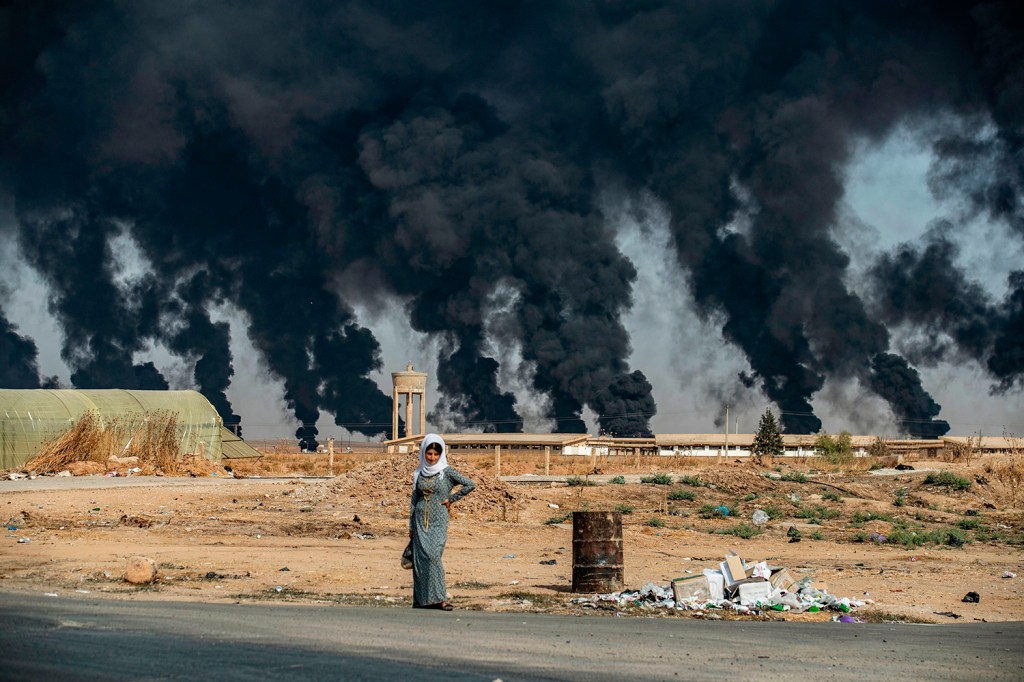
How the United States can ensure American weapons aren’t used for human rights abuses
The United States must ensure that arms sold to its allies aren’t used to enable abuses or significant humanitarian harm, says the author of this commentary.
-

A compromise is needed on trans-Atlantic defense cooperation
Flexibility on both sides of the Atlantic is needed to defuse an industrial issue before it becomes too difficult to manage.
-
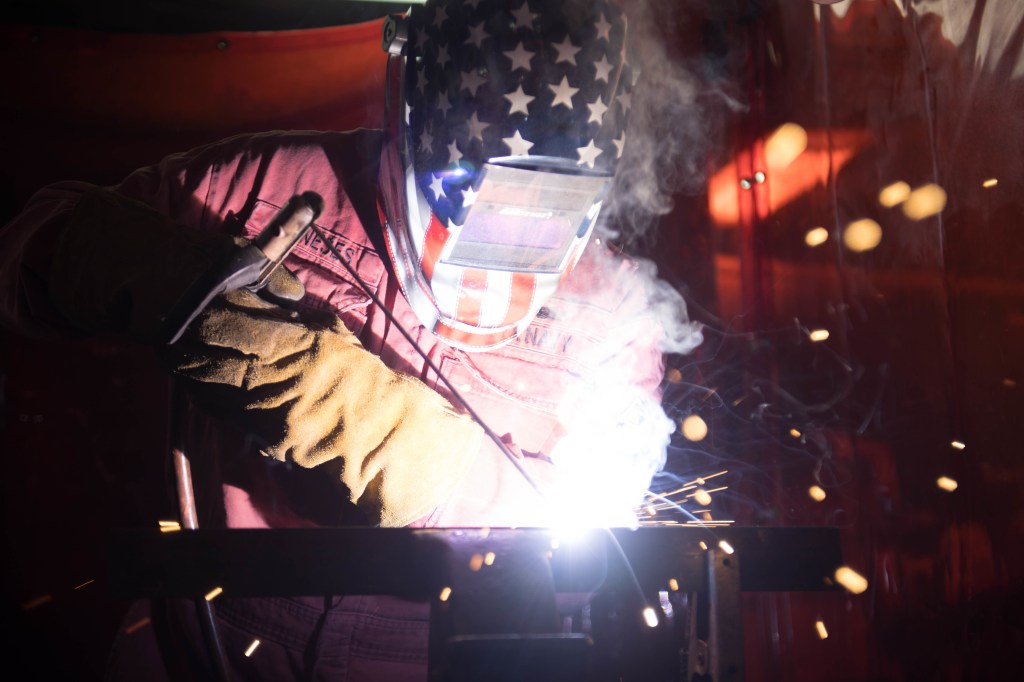
Why US industry should be concerned about domestic policies
The U.S. needs to refocus on creating an environment that allows for international partnerships, and it needs to act now.
-
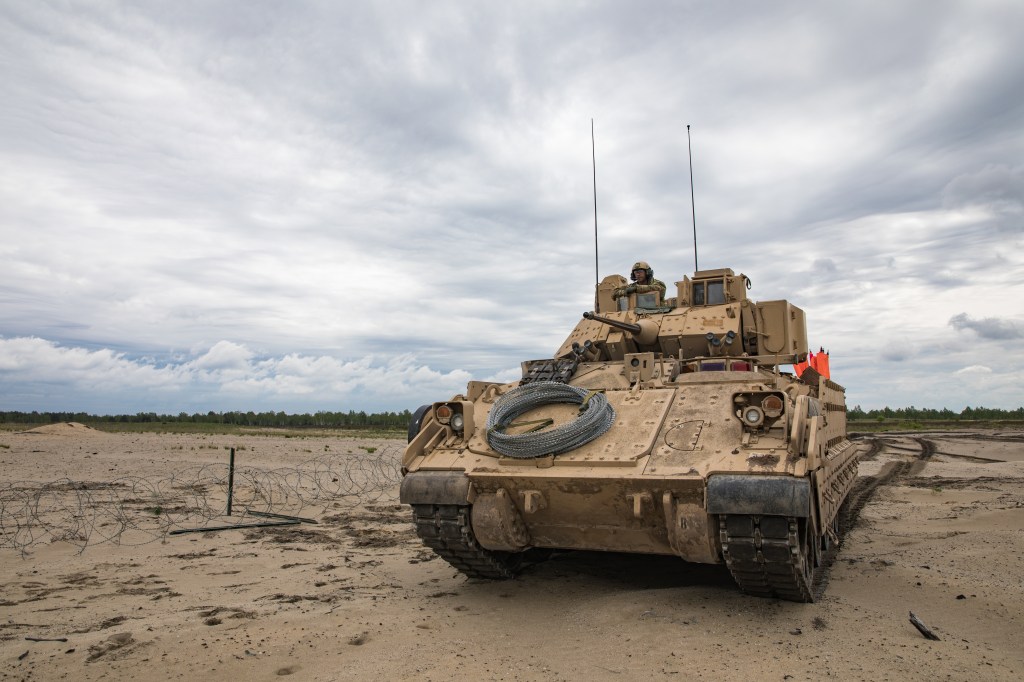
One step forward, two back
The latest news on the Optionally Manned Fighting Vehicle project doesn’t exactly fall neatly within that inspirational vision of a new approach to Army acquisition.
-
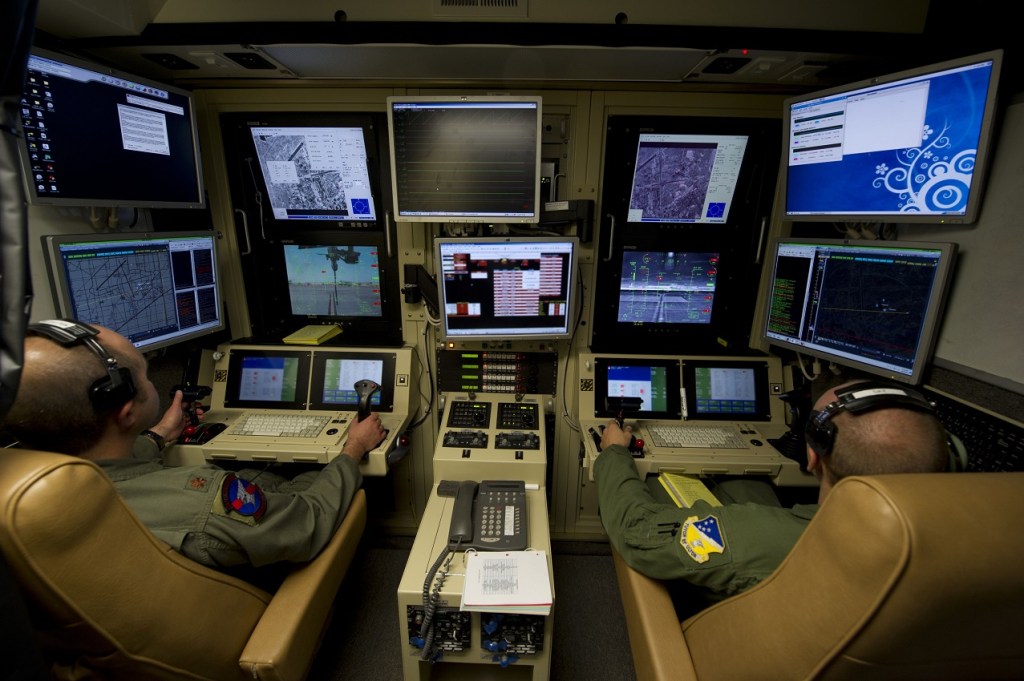
How airmen can work together for persistent ISR
The next step in the military’s shift to digital capabilities is to retool how we task, organize, and equip both intelligence collection and analytic crews.
-
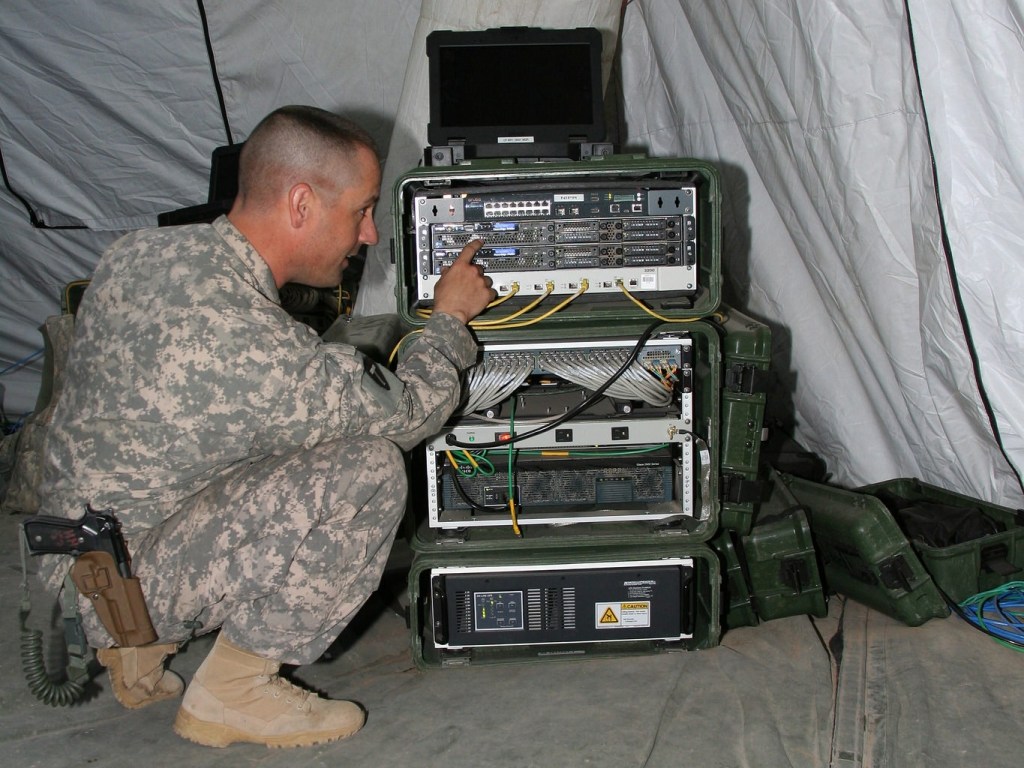
Integrate cyber maintenance into the US Army’s battle rhythm
The war fighter preparing for the future fight must be able to trust the cyber equipment’s readiness, and the absence of ordered cyber maintenance is an ongoing vulnerability.
-

Diverse, layered missile defense is key to killing drone swarms
The Patriot is primarily designed to stop high-flying jet aircraft and large ballistic missiles, while drones and short-range cruise missiles fly too low to be effectively detected by the Patriot radar.
-
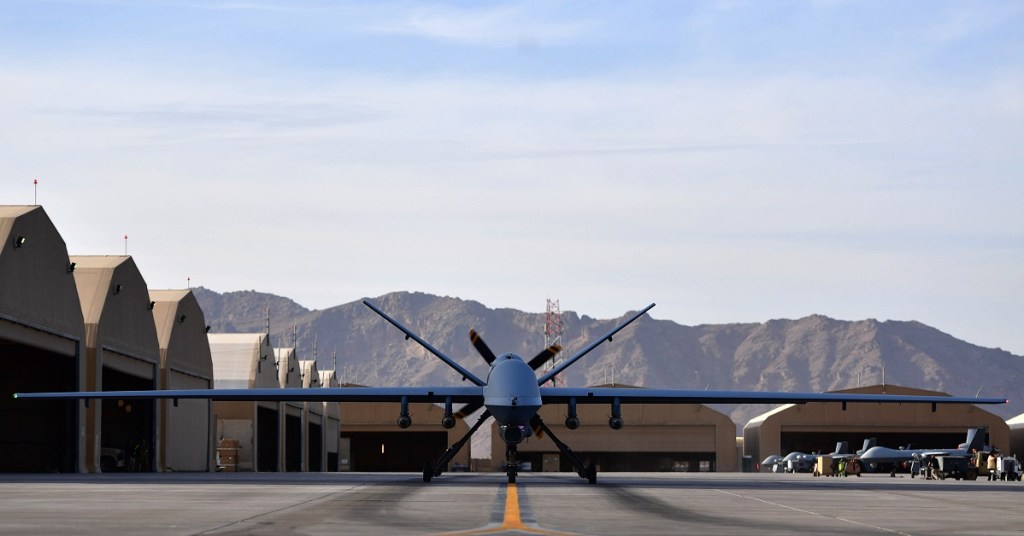
Monitoring capabilities, ISR tech will deter America’s adversaries
Increasing persistent surveillance in the Gulf — and perhaps more importantly making adversaries believe they’re being watched — is part of an effective peacekeeping strategy for the volatile region.
-
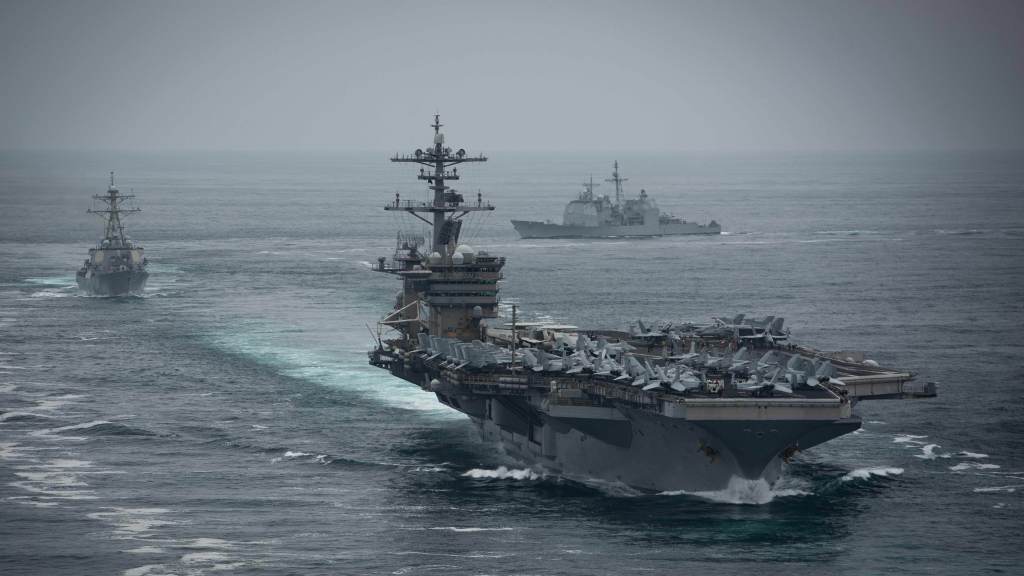
The US still needs aircraft carriers
Rear Adm. Roy Kelley discusses the continuing value of aircraft carriers in the age of hypersonic missiles.
-
South Korea’s missile detection failure shows need for cooperation with Japan
Bilateral exchange of military intelligence is essential for South Korea and Japan to have common situational awareness.
-
How the United States can ensure American weapons aren’t used for human rights abuses
The United States must ensure that arms sold to its allies aren’t used to enable abuses or significant humanitarian harm, says the author of this commentary.
-
A compromise is needed on trans-Atlantic defense cooperation
Flexibility on both sides of the Atlantic is needed to defuse an industrial issue before it becomes too difficult to manage.
-
Why US industry should be concerned about domestic policies
The U.S. needs to refocus on creating an environment that allows for international partnerships, and it needs to act now.
-
One step forward, two back
The latest news on the Optionally Manned Fighting Vehicle project doesn’t exactly fall neatly within that inspirational vision of a new approach to Army acquisition.
-
How airmen can work together for persistent ISR
The next step in the military’s shift to digital capabilities is to retool how we task, organize, and equip both intelligence collection and analytic crews.
-
Integrate cyber maintenance into the US Army’s battle rhythm
The war fighter preparing for the future fight must be able to trust the cyber equipment’s readiness, and the absence of ordered cyber maintenance is an ongoing vulnerability.
-
Diverse, layered missile defense is key to killing drone swarms
The Patriot is primarily designed to stop high-flying jet aircraft and large ballistic missiles, while drones and short-range cruise missiles fly too low to be effectively detected by the Patriot radar.
-
Monitoring capabilities, ISR tech will deter America’s adversaries
Increasing persistent surveillance in the Gulf — and perhaps more importantly making adversaries believe they’re being watched — is part of an effective peacekeeping strategy for the volatile region.
-
The US still needs aircraft carriers
Rear Adm. Roy Kelley discusses the continuing value of aircraft carriers in the age of hypersonic missiles.