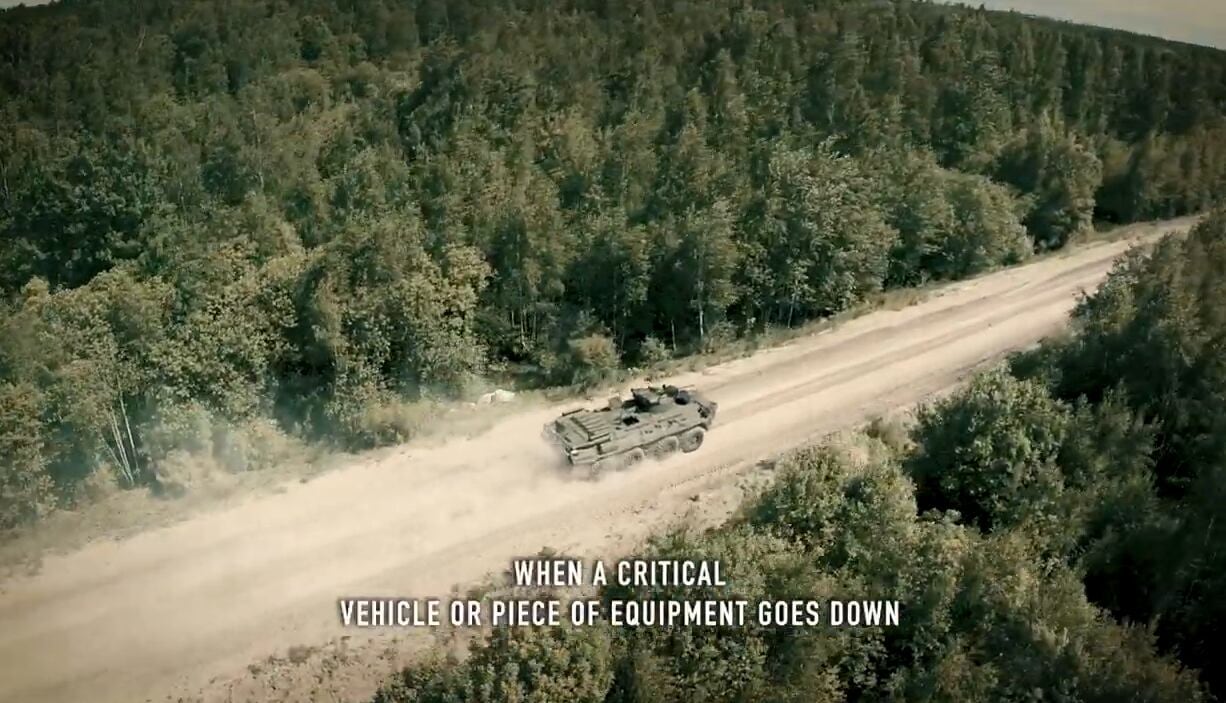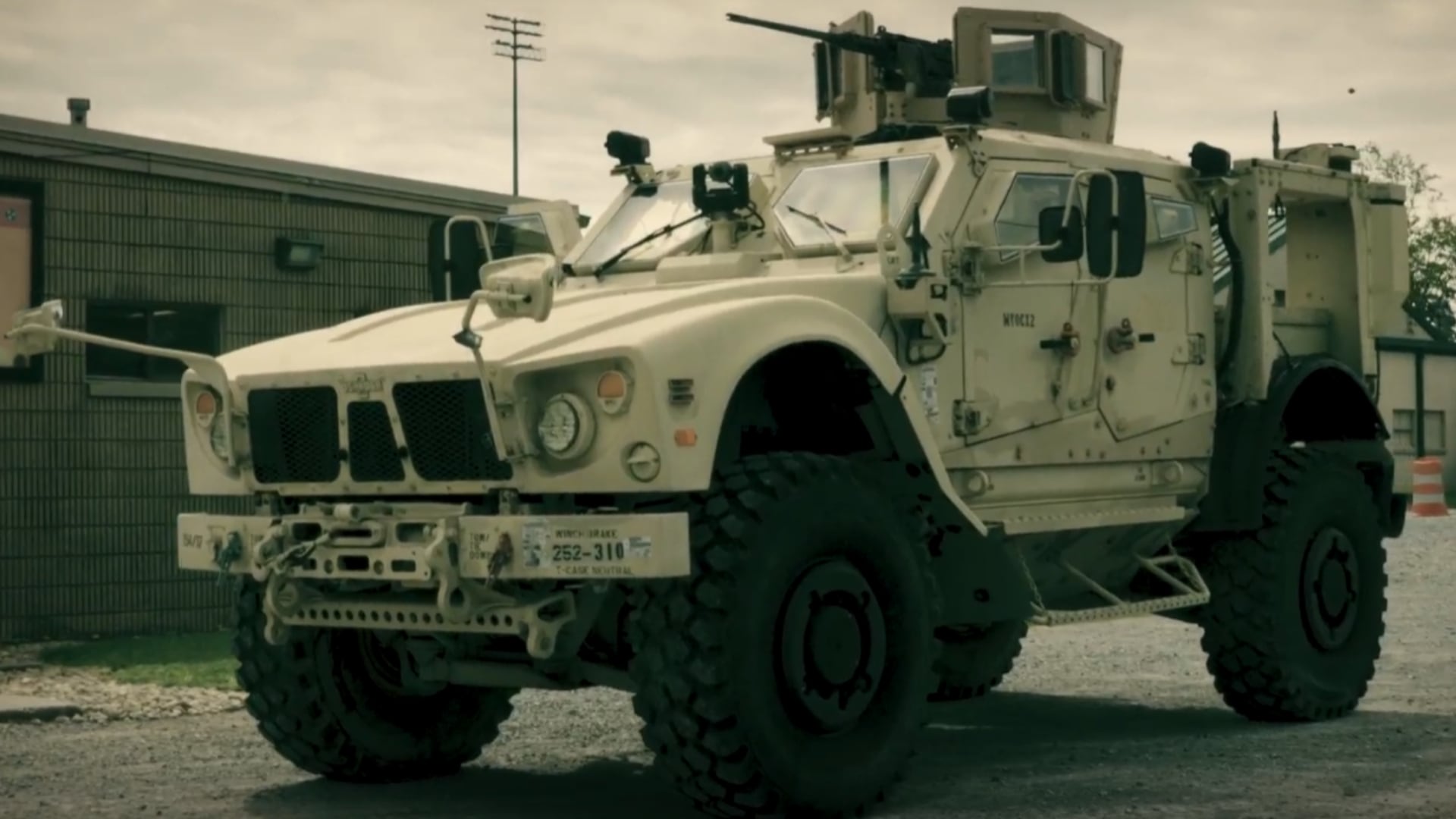
On a Tennessee training range, a combat support vehicle was sidelined. A failed door handle left the vehicle vulnerable and its crew exposed. In a contested environment, this created a critical tactical problem, as the vehicle could not return to base. The standard solution requires a complex supply chain and a wait of six to ten weeks for a replacement part from the OEM. During this time, a vital piece of equipment remains non-mission-capable, putting soldiers at risk.
Across the U.S. Army, this scenario is a common logistics challenge, one that was addressed directly through the collaborative efforts of the University of Tennessee, Knoxville’s Defense Development and Applied Research Center (DARC), the Tennessee Army National Guard (TNARNG), and the DEVCOM Army Research Laboratory (ARL). By joining forces, these partners demonstrated SPEE3D’s Cold Spray Expeditionary Manufacturing Unit in a real-world scenario faced by the Tennessee Army National Guard.
A New Era of Field Sustainment
The exercise centered on a straightforward question: could a critical part be designed, produced, and delivered quickly enough to restore a disabled vehicle in the field? Soldiers from the Tennessee Army National Guard, supported by UTK engineers, operated SPEE3D’s Expeditionary Manufacturing Unit (EMU) to design, print, and finish a replacement stainless steel Battle Lock Handle for the deadlined MRAP vehicle.
The entire process, from design to installation, was completed in less than 10 hours.
This achievement condensed a typical multi-week logistics process into a single day. To further enhance operational realism, a drone delivered the newly manufactured part directly to the vehicle’s crew, bypassing contested terrain. This demonstration highlights a future in which point-of-need manufacturing empowers soldiers, reduces risk, and enhances mission readiness within hours instead of weeks.
This initiative was more than just a technology demonstration, it was about empowering the warfighter. “If we can give our soldiers the ability to build critical repair parts in a timely manner, that will help improve combat power, enhance readiness, and reduce risk... that could ultimately help save soldiers’ lives,” said Army Lt. Col. Colby Tippens, Executive Officer, 278th ACR, TNARNG, who helped embed the EMU at the Knoxville Armory.
By placing this capability in the hands of soldiers, TNARNG was able to foster a new level of self-sufficiency. The project provided hands-on training for National Guard members, enabling them to produce mission-critical components with minimal prior experience. “During this trial, I was introduced to technology that I didn’t even know was out there and available to us. I had a very short amount of time and training with this, but even with that, I feel like I could take this back to my unit and train my soldiers to print our own parts right there on the fly. I think it would just be a game changer for us,” said SFC Myers, FMS 2, TNARNG.
The success of projects like this demonstrates how the combined expertise and coordinated actions of military units, academic institutions, and industry partners can transform supply chain expectations, paving the way for a faster and more responsive approach to military sustainment.
Lessons Other Militaries Can Learn to Empower Right-to-Repair Operations
The success of the EMU in this exercise clearly demonstrates the future of military logistics and sustainment. Its ability to produce critical parts at the point of need helps overcome tactical vulnerabilities and significantly bolsters operational readiness.
For more information on expeditionary manufacturing technologies like the EMU, download this exclusive whitepaper to discover the operational requirements and strategic benefits of integrating this capability into military sustainment efforts.