-

Turkey’s Baykar begins designing AI-powered combat drone
The artificial intelligence-powered aircraft will be able to perform missions for five hours, and will be connected to a satellite communications data network.
-

Mideast, European firms explore collaboration on high-energy lasers
Should collaboration take place, the resulting system would target the UAE as the primary market to secure critical defense infrastructure.
-
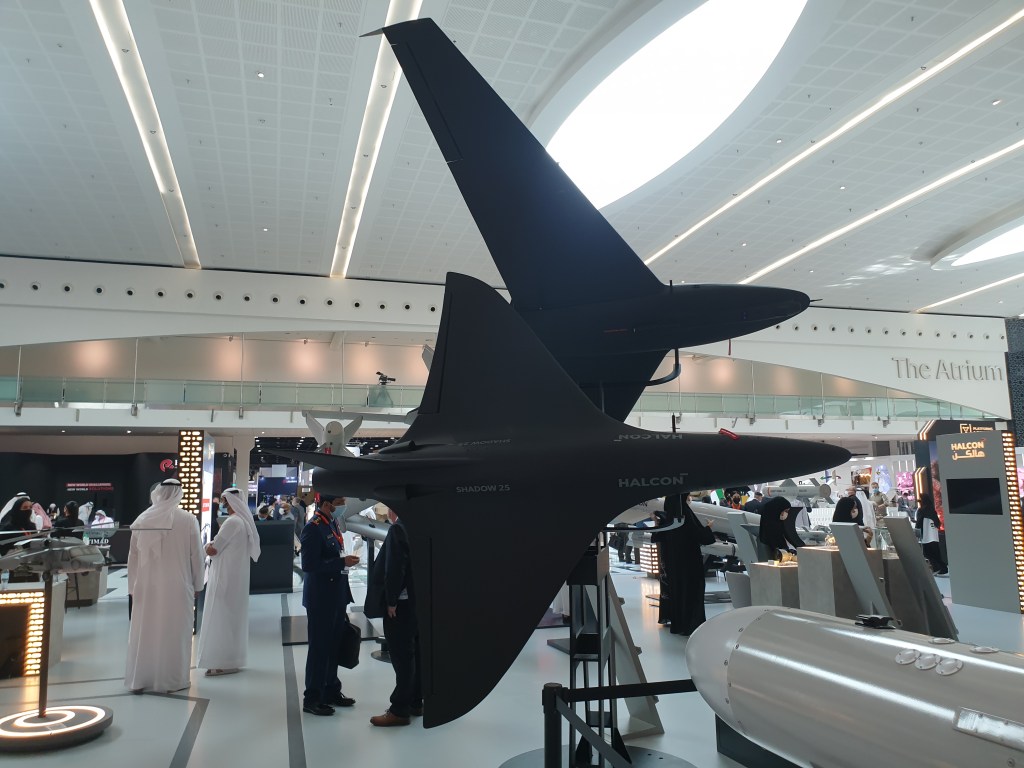
Unmanned systems, artificial intelligence dominate the IDEX showroom
If you can look away from the gold-plated guns on display at IDEX, you’ll notice a trend throughout the showroom floor.
-
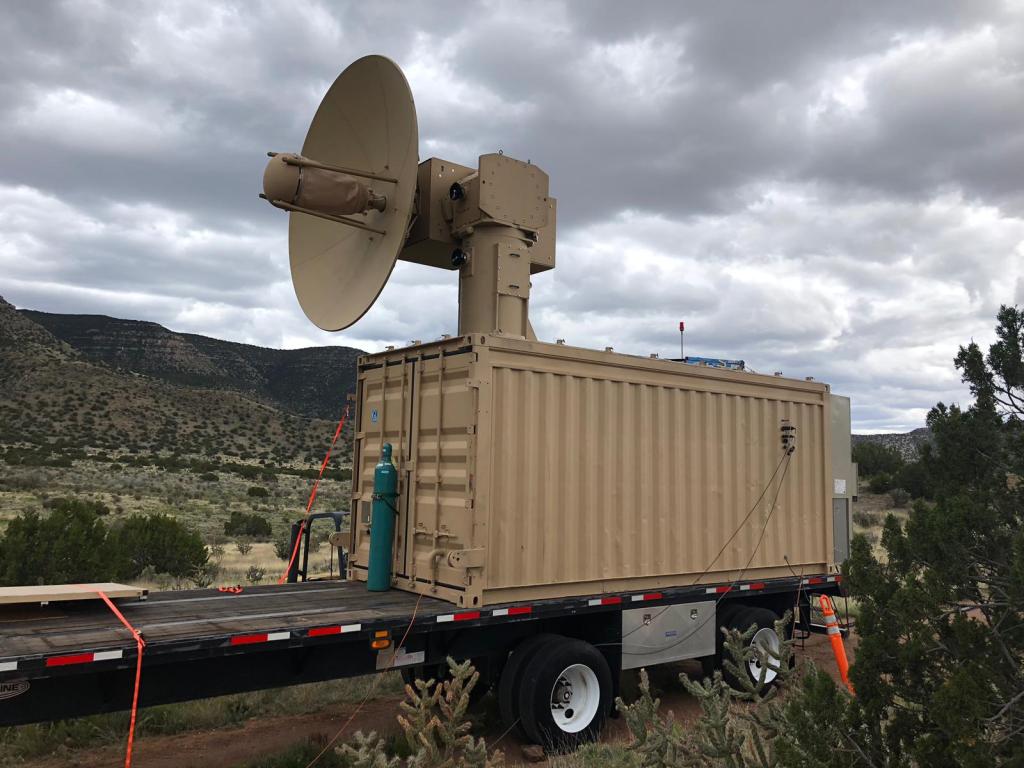
US Army to test new microwave weapon for defeating drones
An Air Force laboratory spent $15 million to build THOR in cooperation with engineering firm Verus Research as well as BAE Systems and Leidos.
-
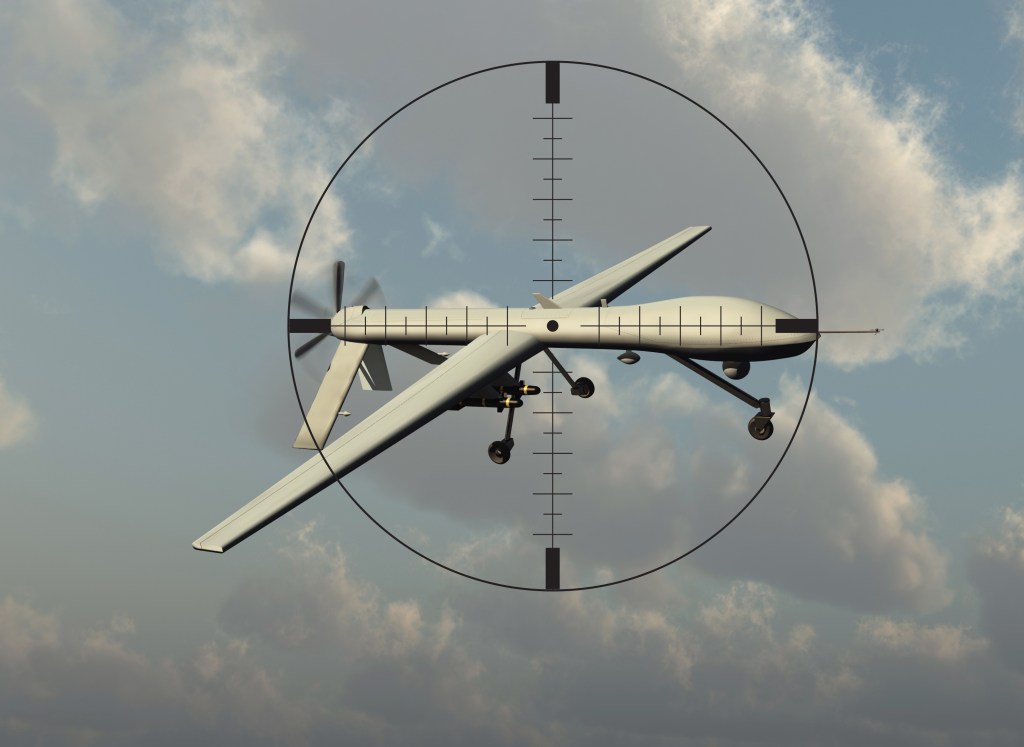
From lasers to missiles, IDEX exhibitors are determined to counter drones
With the proliferation of drones comes the proliferation of counter-drone systems.
-
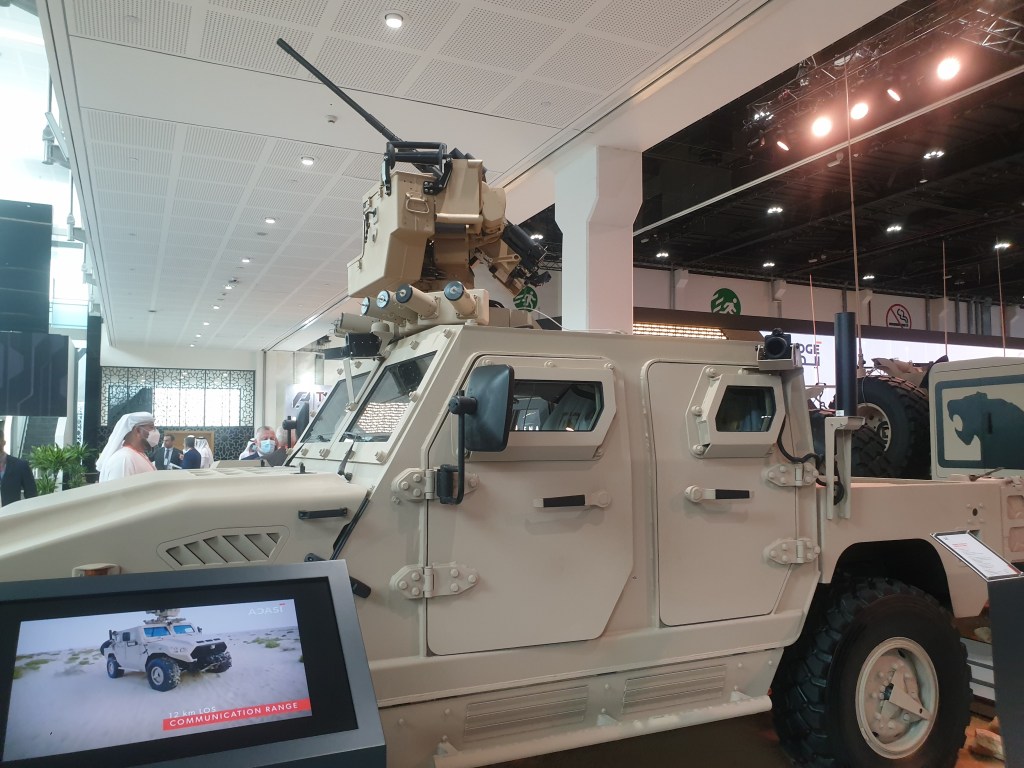
Why a UAE company transformed a 4×4 Ajban into an autonomous vehicle
Nimr unveiled Feb. 21 that it is working with Adasi on a 4×4 armored vehicle that can be transformed into an unmanned vehicle.
-
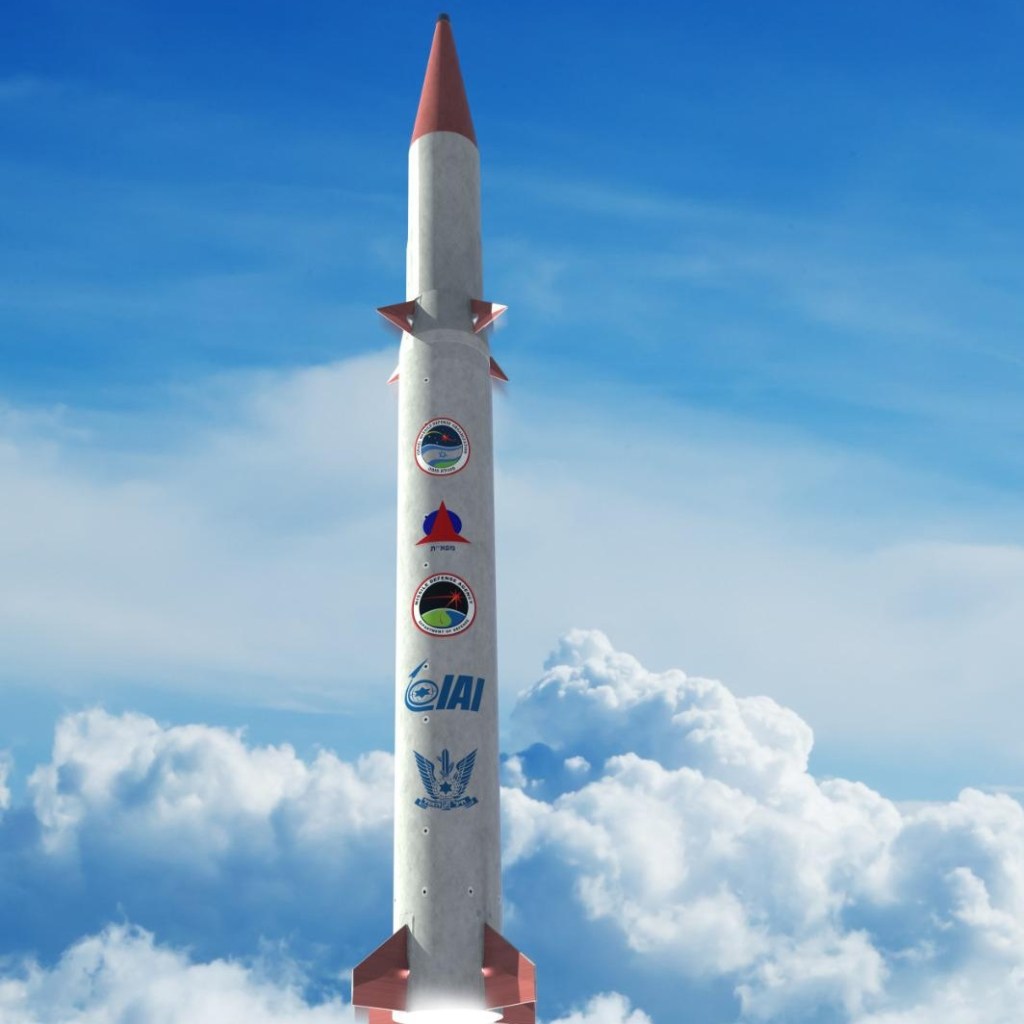
Israel and US begin Arrow-4 development
Israel and the United States have begun developing the Arrow-4 missile defense system that includes next-generation interceptors and will replace the Arrow-2 over the next decades.
-

Turkey hopes new engine deal will power future TF-X fighter jet
Turkey’s procurement agency has commissioned a local company to develop critical technologies for an engine that the government hopes will power its first indigenous fighter jet.
-
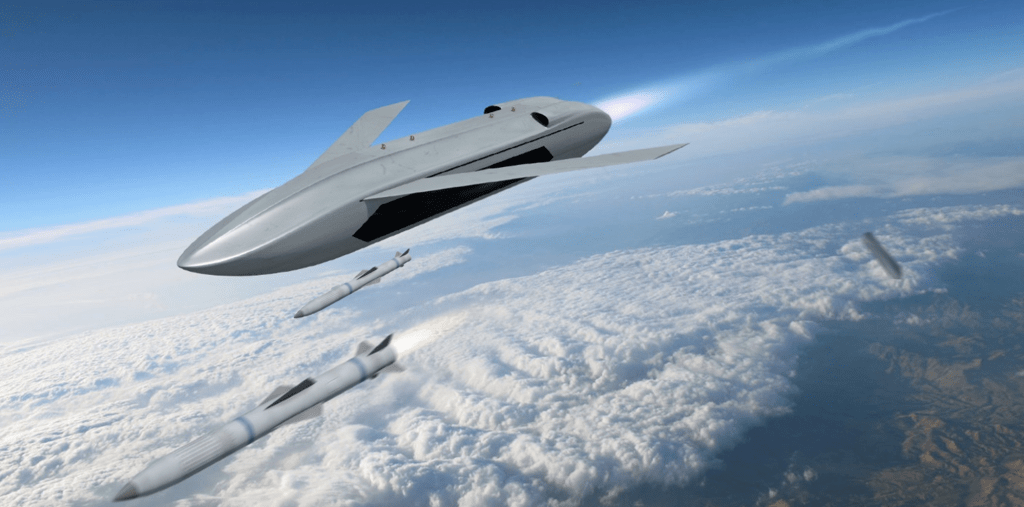
These three companies won contracts for DARPA’s new LongShot drone
LongShot will be able to launch from a fighter or bomber and then repeatedly attack targets with its own weapons cache.
-
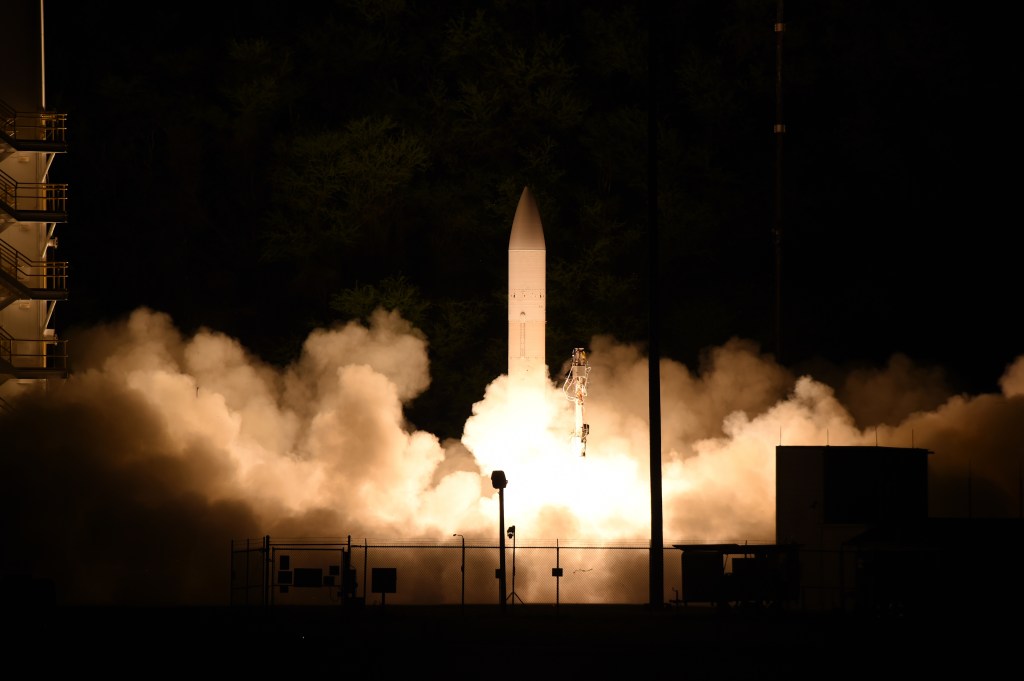
In support of US hypersonic system development
Both China and Russia have already fielded hypersonic weapons with initial capabilities. It is therefore essential that the U.S. responds through development of effective defensive measures.
-
Turkey’s Baykar begins designing AI-powered combat drone
The artificial intelligence-powered aircraft will be able to perform missions for five hours, and will be connected to a satellite communications data network.
-
Mideast, European firms explore collaboration on high-energy lasers
Should collaboration take place, the resulting system would target the UAE as the primary market to secure critical defense infrastructure.
-
Unmanned systems, artificial intelligence dominate the IDEX showroom
If you can look away from the gold-plated guns on display at IDEX, you’ll notice a trend throughout the showroom floor.
-
US Army to test new microwave weapon for defeating drones
An Air Force laboratory spent $15 million to build THOR in cooperation with engineering firm Verus Research as well as BAE Systems and Leidos.
-
From lasers to missiles, IDEX exhibitors are determined to counter drones
With the proliferation of drones comes the proliferation of counter-drone systems.
-
Why a UAE company transformed a 4×4 Ajban into an autonomous vehicle
Nimr unveiled Feb. 21 that it is working with Adasi on a 4×4 armored vehicle that can be transformed into an unmanned vehicle.
-
Israel and US begin Arrow-4 development
Israel and the United States have begun developing the Arrow-4 missile defense system that includes next-generation interceptors and will replace the Arrow-2 over the next decades.
-
Turkey hopes new engine deal will power future TF-X fighter jet
Turkey’s procurement agency has commissioned a local company to develop critical technologies for an engine that the government hopes will power its first indigenous fighter jet.
-
These three companies won contracts for DARPA’s new LongShot drone
LongShot will be able to launch from a fighter or bomber and then repeatedly attack targets with its own weapons cache.
-
In support of US hypersonic system development
Both China and Russia have already fielded hypersonic weapons with initial capabilities. It is therefore essential that the U.S. responds through development of effective defensive measures.