-
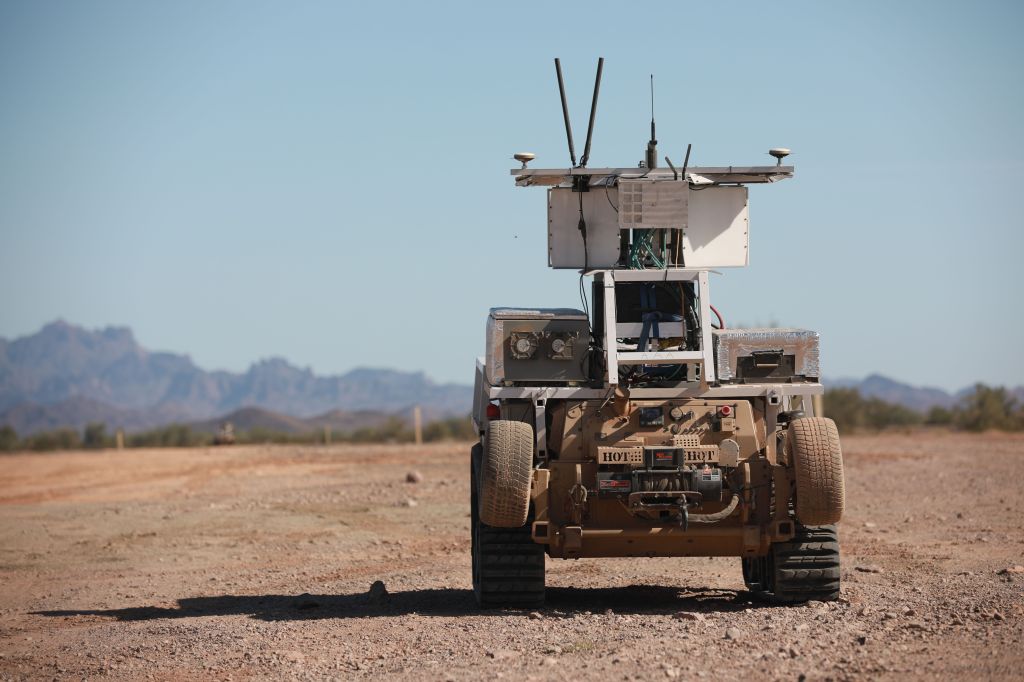
The US Army sees a future of robots and AI. But what if budget cuts and leadership changes get in the way?
Four years into Army Futures Command, experts say the effort is on track, but they warn that leadership changes, potential budget cuts and a few contracting and technological hiccups could put it at risk.
-
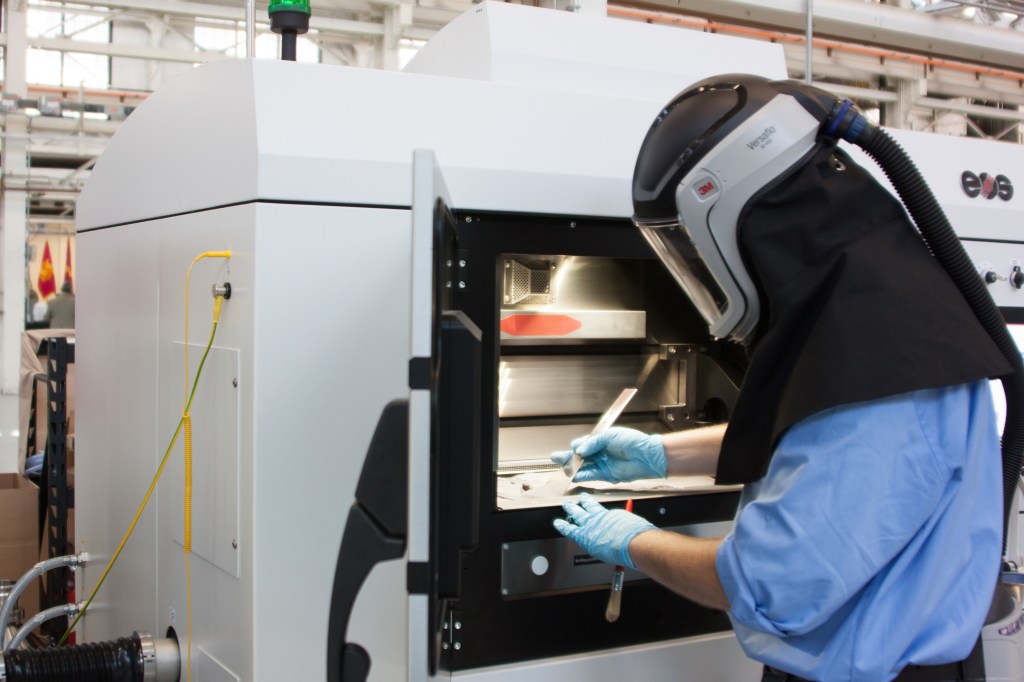
Naval Surface Warfare Center invests in additive manufacturing prototypes
The Pentagon believes new additive manufacturing techniques could help them protect military technologies from tampering or intrusion.
-
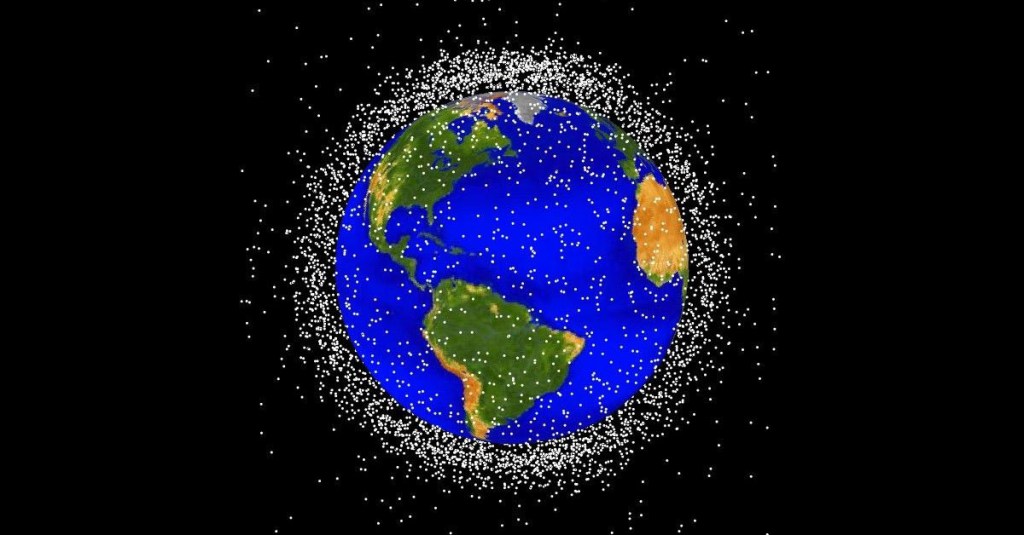
Space Force issues $32 million contract for prototype space-based sensor
The prototypes would be hosted on satellites operated by U.S. government and international partners.
-
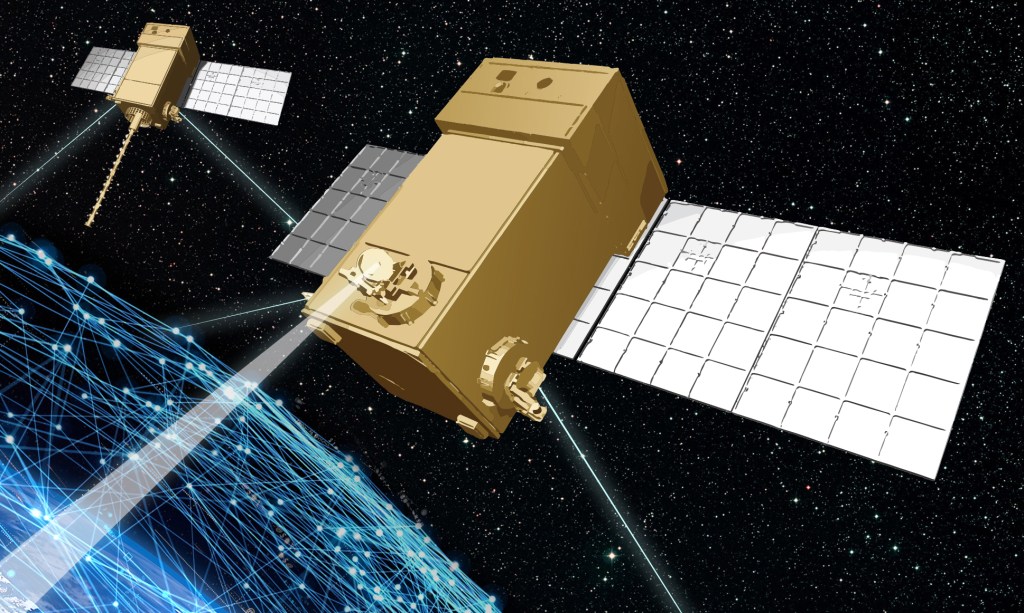
The US military wants to plug commercial satellites into its orbital networks
Both the Space Development Agency and DARPA plan to connect commercial imagery satellites to their on-orbit mesh networks.
-
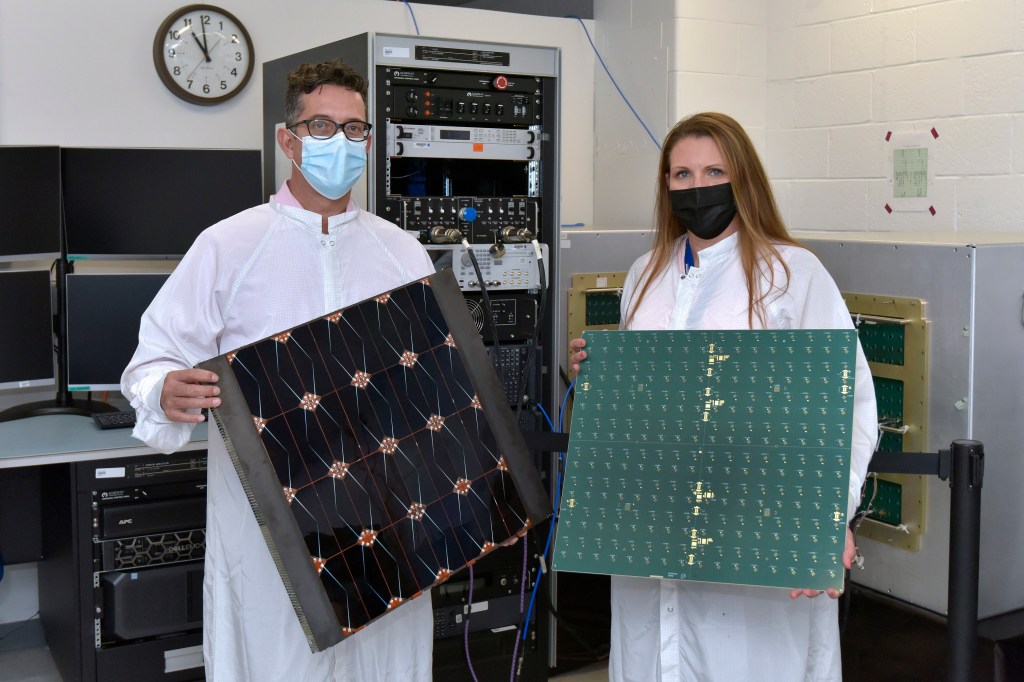
Air Force Research Laboratory is one step closer to beaming solar energy from space to Earth
The experiment tested hardware needed for an innovative system that would use a satellite to collect solar energy on orbit, convert it to radio frequency, and then beam it to users on Earth who could convert it back into energy to power equipment, vehicles or even a forward operating base.
-
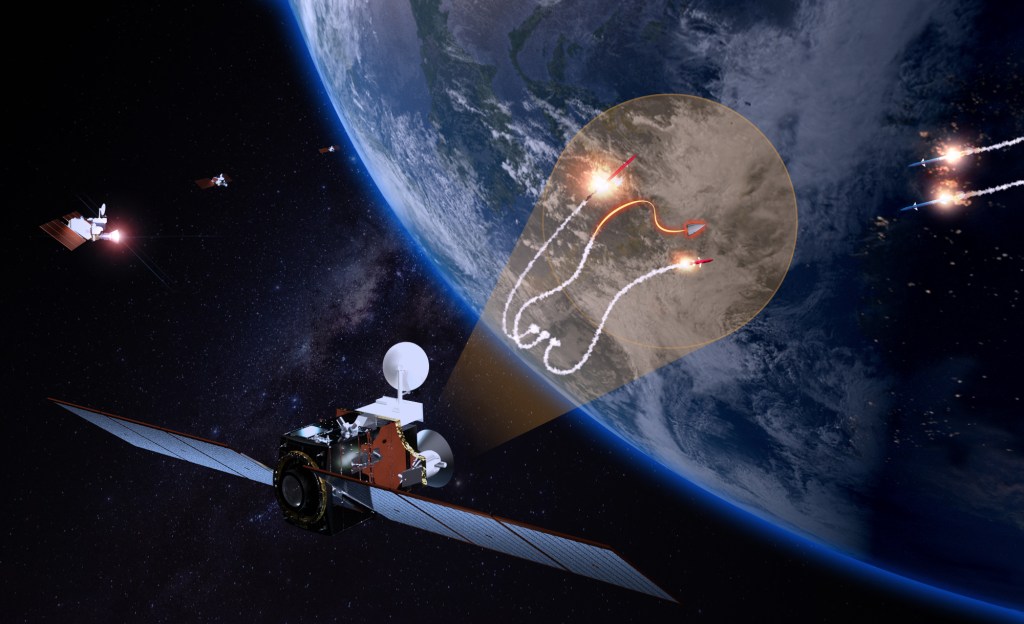
New hypersonic missile-tracking satellites pass critical design review
The prototype satellites will plug into the Space Development Agency’s on-orbit mesh network to track hypersonic and ballistic threats.
-
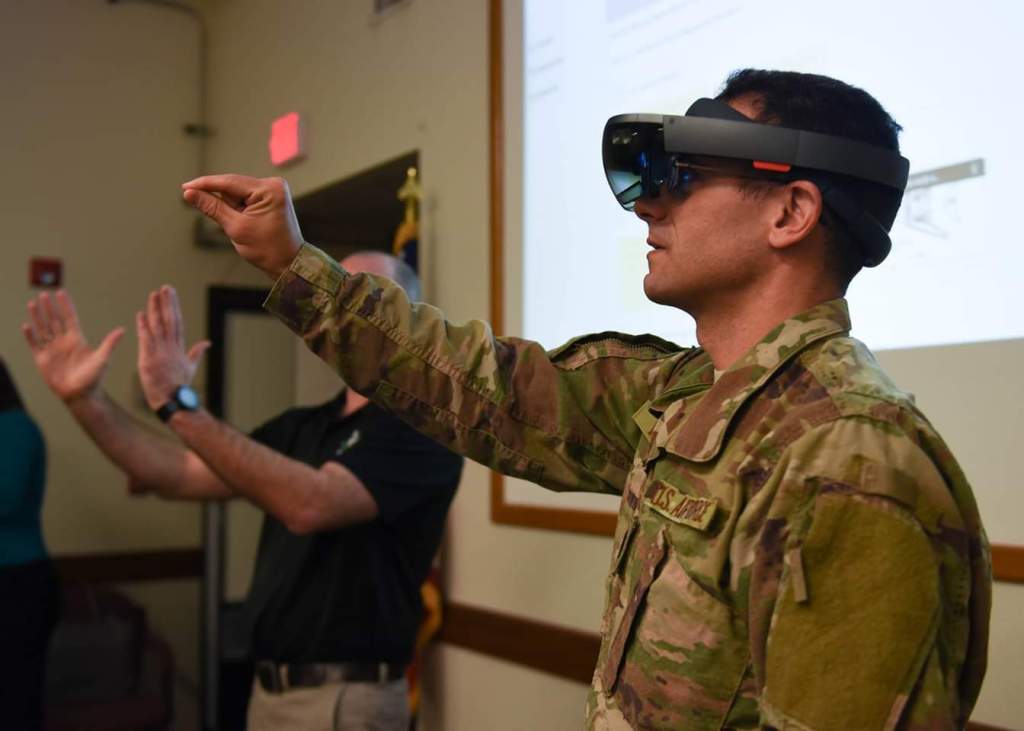
DARPA invests in AI that can translate instruction manuals into augmented reality
The proposed system would essentially convert existing instructional manuals into a format that could be used by augmented reality systems.
-

Orbital Insight to build AI for intelligence community based on artificial data
The National Geospatial-Intelligence AGency sees human-machine pairing as critical for its success, with machine learning algorithms taking over the rote task of processing the torrent of satellite data to find potential intelligence and freeing up human operators to do more high level analysis and tasks.
-

Space Force launches experimental payloads into orbit
Among the technologies launched is a Department of Energy payload built to provide better detection of nuclear detonations.
-

NRO director: Innovation is the key to America’s advantage in space
Our collective success advancing technology and delivering capabilities faster will be vital to maintaining America’s intelligence advantage in space, not just today, but for the next 60 years and beyond.
-
The US Army sees a future of robots and AI. But what if budget cuts and leadership changes get in the way?
Four years into Army Futures Command, experts say the effort is on track, but they warn that leadership changes, potential budget cuts and a few contracting and technological hiccups could put it at risk.
-
Naval Surface Warfare Center invests in additive manufacturing prototypes
The Pentagon believes new additive manufacturing techniques could help them protect military technologies from tampering or intrusion.
-
Space Force issues $32 million contract for prototype space-based sensor
The prototypes would be hosted on satellites operated by U.S. government and international partners.
-
The US military wants to plug commercial satellites into its orbital networks
Both the Space Development Agency and DARPA plan to connect commercial imagery satellites to their on-orbit mesh networks.
-
Air Force Research Laboratory is one step closer to beaming solar energy from space to Earth
The experiment tested hardware needed for an innovative system that would use a satellite to collect solar energy on orbit, convert it to radio frequency, and then beam it to users on Earth who could convert it back into energy to power equipment, vehicles or even a forward operating base.
-
New hypersonic missile-tracking satellites pass critical design review
The prototype satellites will plug into the Space Development Agency’s on-orbit mesh network to track hypersonic and ballistic threats.
-
DARPA invests in AI that can translate instruction manuals into augmented reality
The proposed system would essentially convert existing instructional manuals into a format that could be used by augmented reality systems.
-
Orbital Insight to build AI for intelligence community based on artificial data
The National Geospatial-Intelligence AGency sees human-machine pairing as critical for its success, with machine learning algorithms taking over the rote task of processing the torrent of satellite data to find potential intelligence and freeing up human operators to do more high level analysis and tasks.
-
Space Force launches experimental payloads into orbit
Among the technologies launched is a Department of Energy payload built to provide better detection of nuclear detonations.
-
NRO director: Innovation is the key to America’s advantage in space
Our collective success advancing technology and delivering capabilities faster will be vital to maintaining America’s intelligence advantage in space, not just today, but for the next 60 years and beyond.