-
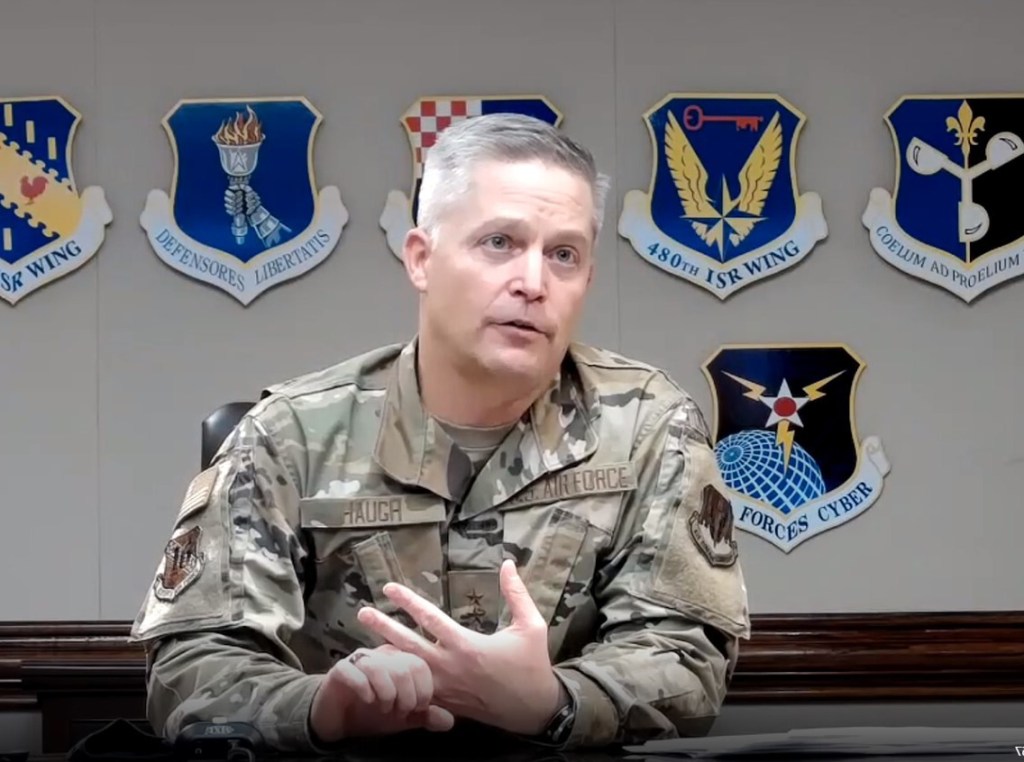
Air Force’s Haugh confirmed as US Cyber Command deputy
In 2019, he said the U.S. was “engaged in power competition with adversaries in all domains today,” further describing intelligence as “the fuel that commanders require to maneuver in response.”
-
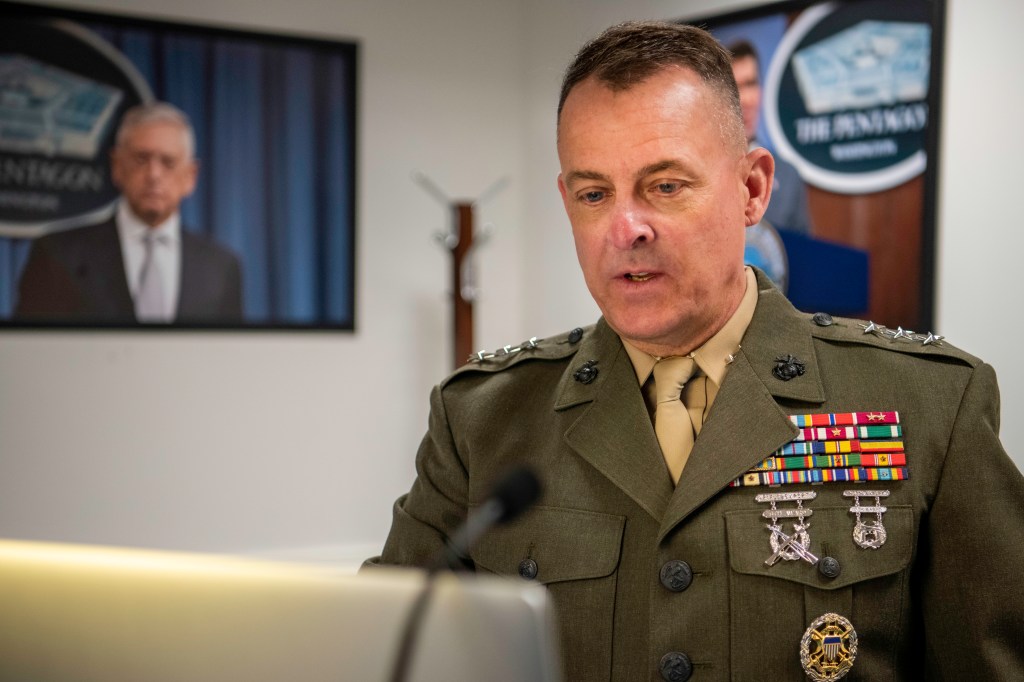
AI less about ‘killer robots,’ more about Pentagon transformation, Groen says
“Implementation in the department, of course, is always a challenge,” the director said, “as new technology meets legacy processes, legacy organizations and legacy technology.”
-

National Reconnaissance Office expands use of commercial satellite imagery
The contracts — awarded to Maxar, BlackSky and Planet — are part of NRO’s response to a growing demand for commercial satellite imagery.
-

Marine Corps seeks ‘information command’ in Force Design 2030 update
“We believe that in a conflict with a peer adversary, first moves may be in space and cyber, so we must enable our” forces “to integrate with, and have access to, those capabilities now,” reads the update.
-

Pentagon making progress on cybersecurity amid challenges, watchdog says
“Safeguarding federal computer systems has been a longstanding concern,” the GAO wrote in a May 19 memo to congressional committees, noting cybersecurity has been “on our high-risk list since 1997.”
-

Pentagon CIO stands ground on December timeline for JEDI follow-up
“It’s just going to take us a little bit longer than we thought,” John Sherman, the Pentagon’s chief information officer, said in a March briefing.
-
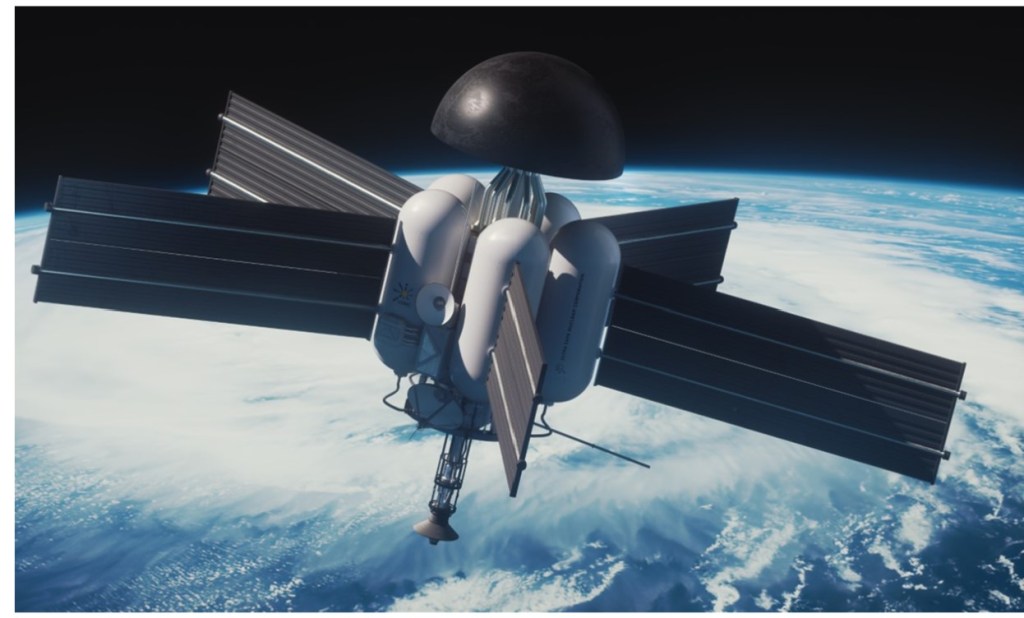
Defense Innovation Unit picks designs for space nuclear propulsion demo
DIU plans to launch a demonstration mission in 2027, showcasing the advantages of nuclear-powered spacecraft for maneuver operations in cislunar space.
-

Special ops force calls for ‘untethered’ tool for recon and resupply
For the past two decades, radio frequencies were open, and it was uncommon for those deployed to encounter extensive jamming or interception. That’s not the case when facing more advanced adversaries like Russia or China, as opposed to terrorist organizations.
-

McMaster says AI can help beat adversaries, overcome ‘critical challenges’
His remarks were made at the Nexus 22 symposium, a daylong event focused on autonomy, AI and the defense policy that underpins it.
-
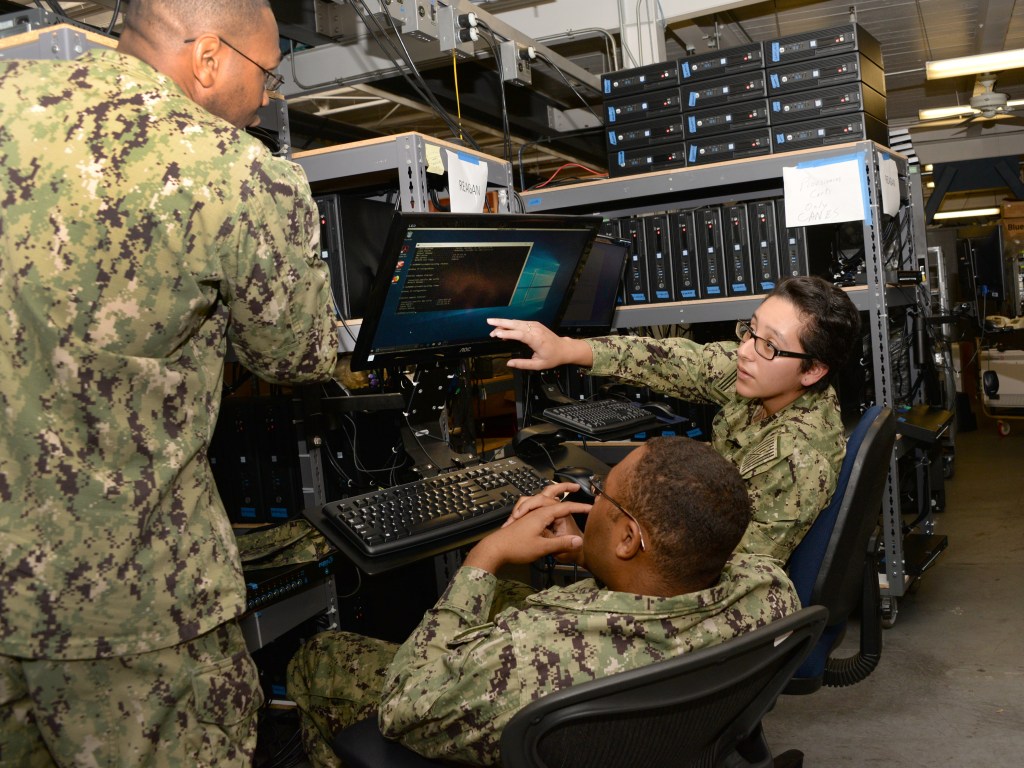
Most projects on Pentagon’s $5.7B lab ‘wish list’ likely to stay unfunded
The Pentagon’s chief technology officer says addressing the lab and testing infrastructure gap is a top priority, but most of this year’s unfunded facilities projects are too early in the design process for Congress to consider.
-
Air Force’s Haugh confirmed as US Cyber Command deputy
In 2019, he said the U.S. was “engaged in power competition with adversaries in all domains today,” further describing intelligence as “the fuel that commanders require to maneuver in response.”
-
AI less about ‘killer robots,’ more about Pentagon transformation, Groen says
“Implementation in the department, of course, is always a challenge,” the director said, “as new technology meets legacy processes, legacy organizations and legacy technology.”
-
National Reconnaissance Office expands use of commercial satellite imagery
The contracts — awarded to Maxar, BlackSky and Planet — are part of NRO’s response to a growing demand for commercial satellite imagery.
-
Marine Corps seeks ‘information command’ in Force Design 2030 update
“We believe that in a conflict with a peer adversary, first moves may be in space and cyber, so we must enable our” forces “to integrate with, and have access to, those capabilities now,” reads the update.
-
Pentagon making progress on cybersecurity amid challenges, watchdog says
“Safeguarding federal computer systems has been a longstanding concern,” the GAO wrote in a May 19 memo to congressional committees, noting cybersecurity has been “on our high-risk list since 1997.”
-
Pentagon CIO stands ground on December timeline for JEDI follow-up
“It’s just going to take us a little bit longer than we thought,” John Sherman, the Pentagon’s chief information officer, said in a March briefing.
-
Defense Innovation Unit picks designs for space nuclear propulsion demo
DIU plans to launch a demonstration mission in 2027, showcasing the advantages of nuclear-powered spacecraft for maneuver operations in cislunar space.
-
Special ops force calls for ‘untethered’ tool for recon and resupply
For the past two decades, radio frequencies were open, and it was uncommon for those deployed to encounter extensive jamming or interception. That’s not the case when facing more advanced adversaries like Russia or China, as opposed to terrorist organizations.
-
McMaster says AI can help beat adversaries, overcome ‘critical challenges’
His remarks were made at the Nexus 22 symposium, a daylong event focused on autonomy, AI and the defense policy that underpins it.
-
Most projects on Pentagon’s $5.7B lab ‘wish list’ likely to stay unfunded
The Pentagon’s chief technology officer says addressing the lab and testing infrastructure gap is a top priority, but most of this year’s unfunded facilities projects are too early in the design process for Congress to consider.