-

US Navy should turn to unmanned systems to track and destroy submarines
The U.S. Navy should increase its use of unmanned systems to track and destroy submarines, as they cost a fraction to buy and operate compared to their manned counterparts.
-

Expect a surge in North Korean missile tests, and of greater range
North Korea is signaling this will be its busiest year of missile testing yet.
-
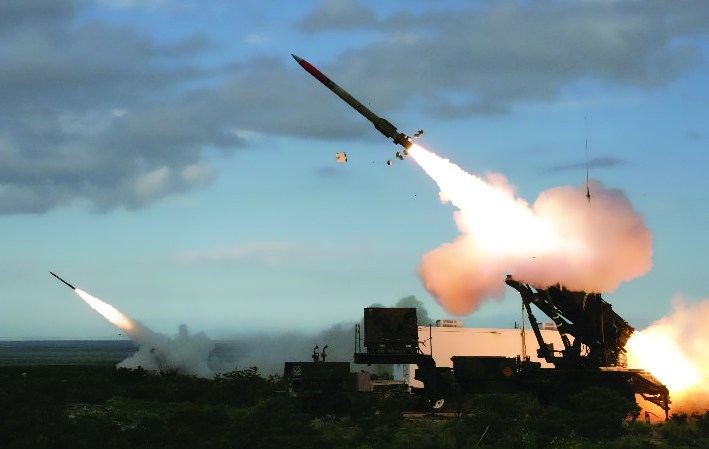
Patriot deployment to Iraq is helpful, but insufficient against Iran
Iran understands that Patriot air defense systems limit its options for additional aggression. But it also knows that the systems cannot defend against the rockets that Iran’s proxies in Iraq have repeatedly lobbed with deadly effect at U.S. and coalition troops.
-

The coronavirus threatens NATO. Let’s move to protect the alliance.
If European governments do decide to slash defense spending as a result of the current crisis, it would be the second major hit within a decade.
-

Three obstacles are slowing space sensors for hypersonic threats
Three obstacles impede progress on America’s ability to track both emerging hypersonic missiles and today’s ballistic missile threats.
-

The Pentagon’s latest bid to reduce transparency is a bad idea
The Pentagon’s move would only hide more data from the American public, not from our adversaries.
-
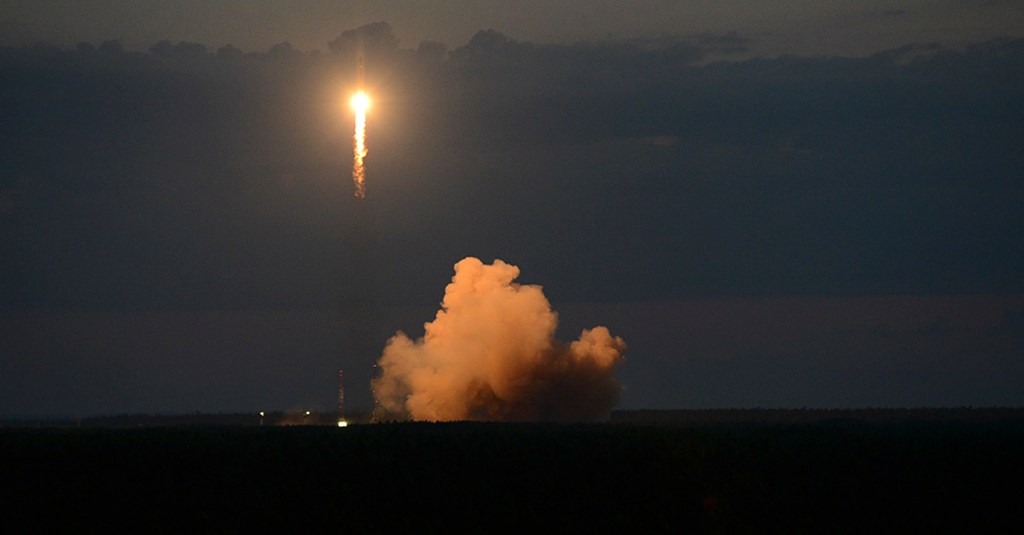
Russia is behind in military space capabilities, but that only drives its appetite
Russia is working to expand its anti-access/area denial approach in outer space in the form of electronic warfare, increasing sustainability of its communication systems, and developing offensive capabilities against ground-based space infrastructure.
-

Lebanese Armed Forces must act against Hezbollah to retain America’s military aid
Lebanon’s military has been unwilling to lift a finger against Hezbollah. The problem is that doing so could spark an internecine conflict. But a lack of action could cut off funding from the United States.
-
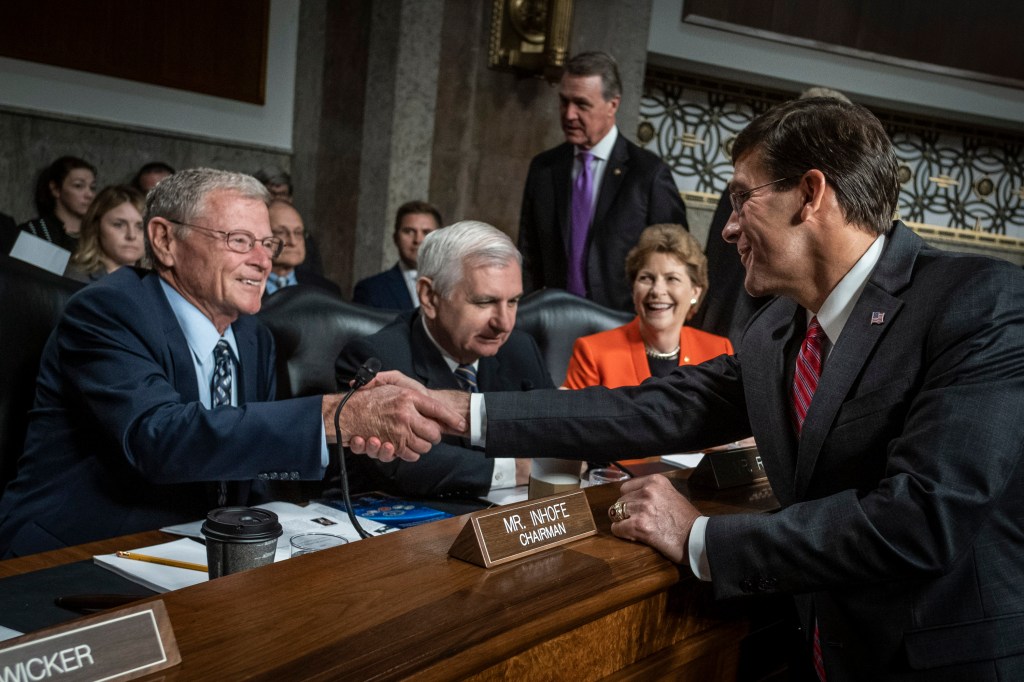
Breaking the logjam: How the Pentagon can build trust with Congress
It’s a two-way street: While the Defense Department needs to do more to include Congress, defense appropriators and authorizers must be willing to accept more risk in the short term.
-

America should save emergency spending for emergencies
We have the chance to think differently about how Pentagon spending might look different. Let’s not waste the opportunity.
-
US Navy should turn to unmanned systems to track and destroy submarines
The U.S. Navy should increase its use of unmanned systems to track and destroy submarines, as they cost a fraction to buy and operate compared to their manned counterparts.
-
Expect a surge in North Korean missile tests, and of greater range
North Korea is signaling this will be its busiest year of missile testing yet.
-
Patriot deployment to Iraq is helpful, but insufficient against Iran
Iran understands that Patriot air defense systems limit its options for additional aggression. But it also knows that the systems cannot defend against the rockets that Iran’s proxies in Iraq have repeatedly lobbed with deadly effect at U.S. and coalition troops.
-
The coronavirus threatens NATO. Let’s move to protect the alliance.
If European governments do decide to slash defense spending as a result of the current crisis, it would be the second major hit within a decade.
-
Three obstacles are slowing space sensors for hypersonic threats
Three obstacles impede progress on America’s ability to track both emerging hypersonic missiles and today’s ballistic missile threats.
-
The Pentagon’s latest bid to reduce transparency is a bad idea
The Pentagon’s move would only hide more data from the American public, not from our adversaries.
-
Russia is behind in military space capabilities, but that only drives its appetite
Russia is working to expand its anti-access/area denial approach in outer space in the form of electronic warfare, increasing sustainability of its communication systems, and developing offensive capabilities against ground-based space infrastructure.
-
Lebanese Armed Forces must act against Hezbollah to retain America’s military aid
Lebanon’s military has been unwilling to lift a finger against Hezbollah. The problem is that doing so could spark an internecine conflict. But a lack of action could cut off funding from the United States.
-
Breaking the logjam: How the Pentagon can build trust with Congress
It’s a two-way street: While the Defense Department needs to do more to include Congress, defense appropriators and authorizers must be willing to accept more risk in the short term.
-
America should save emergency spending for emergencies
We have the chance to think differently about how Pentagon spending might look different. Let’s not waste the opportunity.