-

‘Maximum pressure’ on China is no solution to a pandemic
While China hawks tend to avoid explicit calls for war, their determination to brand Beijing the “largest state sponsor of pandemics” and punish it accordingly must be seen for the risky and probably futile tactic it is.
-
8 steps to fully funding our Air and Space forces
America’s dominance in the air, space and cyber domains has been our asymmetric advantage for decades. Yet, this dominance can no longer be taken for granted.
-

Why we need better science to pinpoint small, underground nuclear tests
We need better physics and computer models to compensate for the lack of data.
-

Will commercial and military launch programs ever be truly complementary?
History has proven that no commercial launch service provider can succeed without having an anchor government customer.
-

What the Pentagon should (and should not) get in the next stimulus bill
If the Pentagon and primes don’t take care of their suppliers and subcontractors, the defense-industrial base will contract again.
-

Recalculating: GPS, L-band and the Pentagon’s untenable position on 5G
Why does the Defense Department continue to blitz the executive and legislative branches with claims that an FCC order will endanger military operations and harm the economy? Is the GPS system truly that fragile?
-

In chaos, there’s opportunity … and that’s bad news
As the defense community works in tandem with the broader government to keep citizens safe and healthy, cybersecurity threats are only becoming more aggressive.
-

Six ways the US can maximize its strategic benefit from defense spending
How can the United States realize the greatest economic and military benefit from the defense budget in the coming years?
-

America’s bomber force is facing a crisis
The path forward begins with admitting the nation has a bomber shortfall, and retiring more aircraft exacerbates the problem.
-

How the US can learn from Israel to counter Iran
The U.S. military can take the lessons learned from Israel’s campaign in Syria and apply them to gray zone conflict with Iran.
-
‘Maximum pressure’ on China is no solution to a pandemic
While China hawks tend to avoid explicit calls for war, their determination to brand Beijing the “largest state sponsor of pandemics” and punish it accordingly must be seen for the risky and probably futile tactic it is.
-
8 steps to fully funding our Air and Space forces
America’s dominance in the air, space and cyber domains has been our asymmetric advantage for decades. Yet, this dominance can no longer be taken for granted.
-
Why we need better science to pinpoint small, underground nuclear tests
We need better physics and computer models to compensate for the lack of data.
-
Will commercial and military launch programs ever be truly complementary?
History has proven that no commercial launch service provider can succeed without having an anchor government customer.
-
What the Pentagon should (and should not) get in the next stimulus bill
If the Pentagon and primes don’t take care of their suppliers and subcontractors, the defense-industrial base will contract again.
-
Recalculating: GPS, L-band and the Pentagon’s untenable position on 5G
Why does the Defense Department continue to blitz the executive and legislative branches with claims that an FCC order will endanger military operations and harm the economy? Is the GPS system truly that fragile?
-
In chaos, there’s opportunity … and that’s bad news
As the defense community works in tandem with the broader government to keep citizens safe and healthy, cybersecurity threats are only becoming more aggressive.
-
Six ways the US can maximize its strategic benefit from defense spending
How can the United States realize the greatest economic and military benefit from the defense budget in the coming years?
-
America’s bomber force is facing a crisis
The path forward begins with admitting the nation has a bomber shortfall, and retiring more aircraft exacerbates the problem.
-
How the US can learn from Israel to counter Iran
The U.S. military can take the lessons learned from Israel’s campaign in Syria and apply them to gray zone conflict with Iran.
-

‘Maximum pressure’ on China is no solution to a pandemic
While China hawks tend to avoid explicit calls for war, their determination to brand Beijing the “largest state sponsor of pandemics” and punish it accordingly must be seen for the risky and probably futile tactic it is.
-
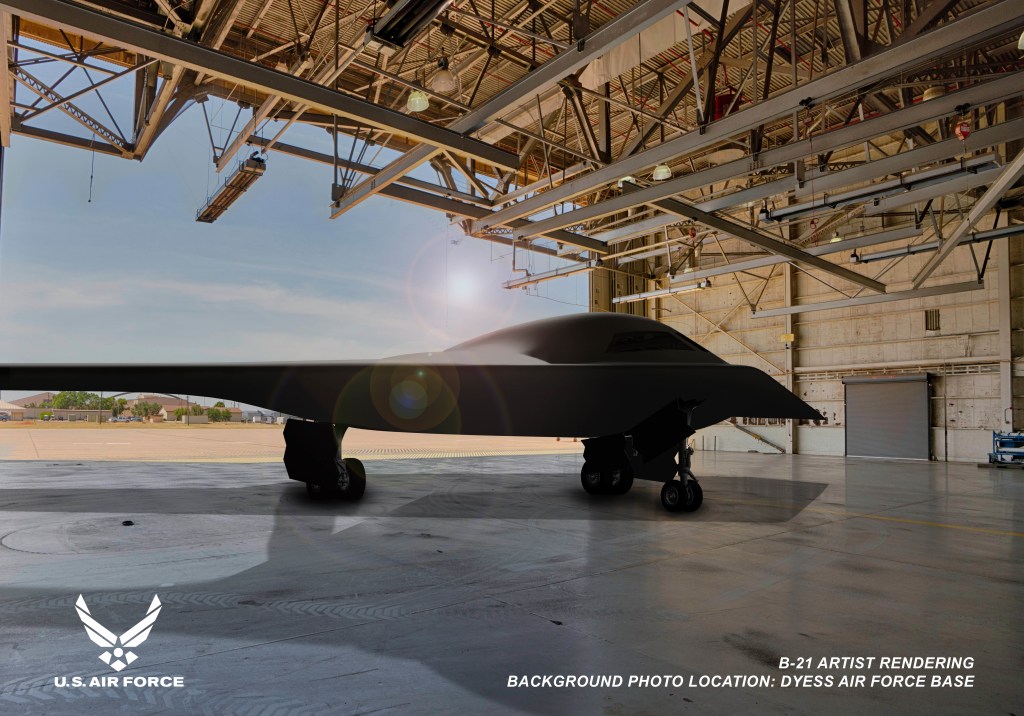
8 steps to fully funding our Air and Space forces
America’s dominance in the air, space and cyber domains has been our asymmetric advantage for decades. Yet, this dominance can no longer be taken for granted.
-

Why we need better science to pinpoint small, underground nuclear tests
We need better physics and computer models to compensate for the lack of data.
-

Will commercial and military launch programs ever be truly complementary?
History has proven that no commercial launch service provider can succeed without having an anchor government customer.
-

What the Pentagon should (and should not) get in the next stimulus bill
If the Pentagon and primes don’t take care of their suppliers and subcontractors, the defense-industrial base will contract again.
-

Recalculating: GPS, L-band and the Pentagon’s untenable position on 5G
Why does the Defense Department continue to blitz the executive and legislative branches with claims that an FCC order will endanger military operations and harm the economy? Is the GPS system truly that fragile?
-
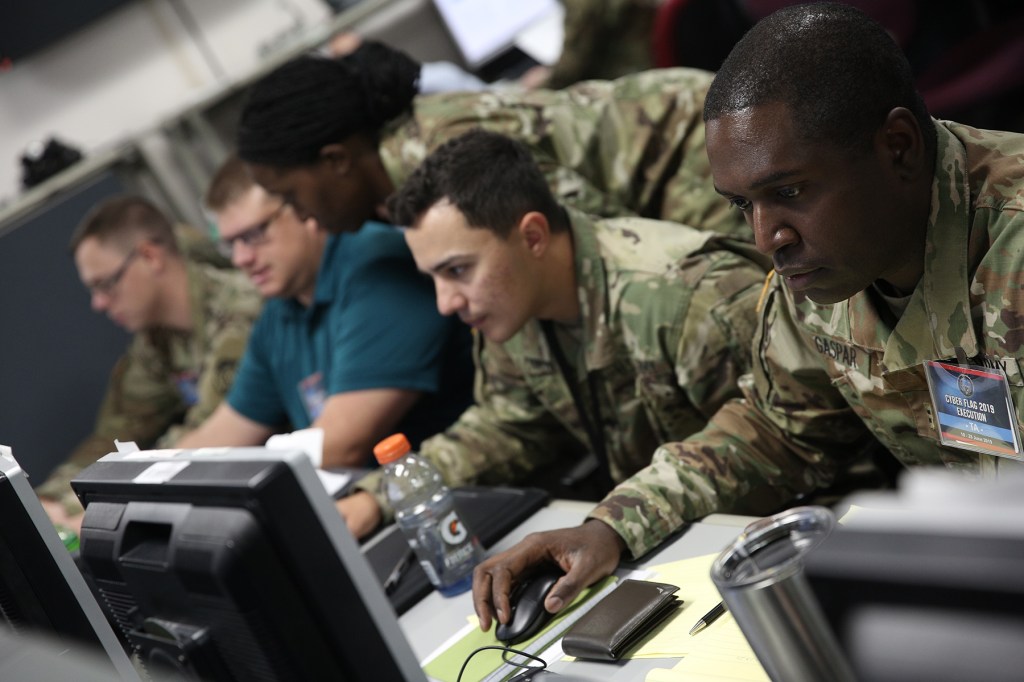
In chaos, there’s opportunity … and that’s bad news
As the defense community works in tandem with the broader government to keep citizens safe and healthy, cybersecurity threats are only becoming more aggressive.
-

Six ways the US can maximize its strategic benefit from defense spending
How can the United States realize the greatest economic and military benefit from the defense budget in the coming years?
-
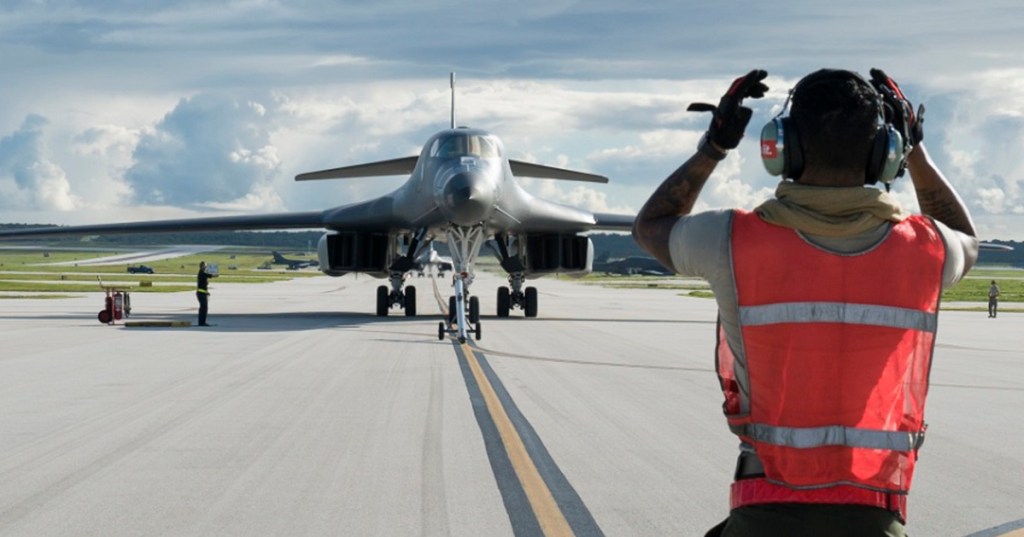
America’s bomber force is facing a crisis
The path forward begins with admitting the nation has a bomber shortfall, and retiring more aircraft exacerbates the problem.
-
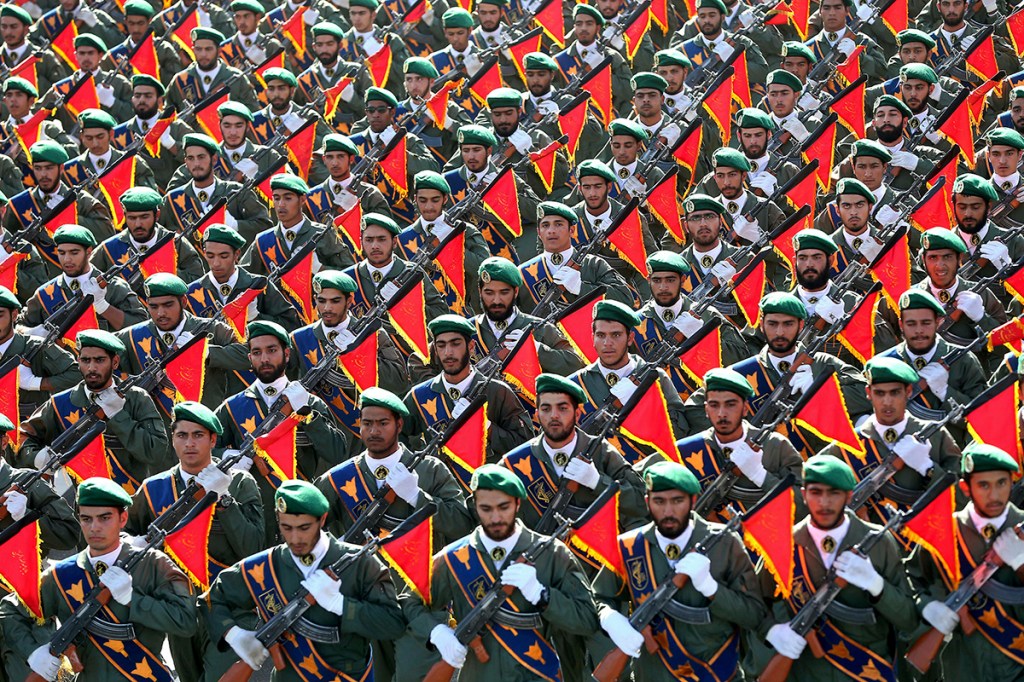
How the US can learn from Israel to counter Iran
The U.S. military can take the lessons learned from Israel’s campaign in Syria and apply them to gray zone conflict with Iran.