-

Should the US rely on Iron Dome for the long term?
Washington has finally awakened to the potential for innovative air defenses.
-

Cyber’s uncertain future: These radical technologies and negative trends must be overcome
The fate of the world may literally hinge on which states develop and appropriately introduce the radical technologies that are likely to disrupt cyberspace and the world. What are they, and what disruption do they pose?
-
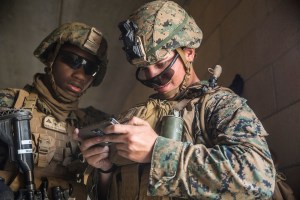
Prioritize building the flight line of the future
Mission readiness depends on secure and reliable connectivity to successfully maintain electronic workflows. Without it, the Pentagon cannot effectively connect its bases.
-

How to protect troops from an assault in the cognitive domain
Social media has presented an opportunity for our adversaries to present a plethora of information that is meant to persuade our force.
-

Securing the final frontier: Digital twins, satellites and cybersecurity
Cybersecurity in space systems has struggled to keep pace with the rapid evolution of threat actors and exploits.
-

American shipbuilding: An anchor for economic and national security
The director of the White House’s Office of Trade and Manufacturing Policy says America’s shipbuilding industry will require a large-scale overhaul and new strategy before it can churn out the ships the country urgently needs.
-

In a COVID-19 world, system integration is the best approach
COVID-19 is defining the “new normal” for everyday life, as the Army’s Integrated Air and Missile Defense modernization efforts are defining the “new normal for joint operations.”
-

America enforcing a core NATO pledge does not mean it’s abandoning allies
If European countries assess they don’t need to spend much on defense, then we don’t need to force them to buy more weapons — but nor should Americans be expected to shoulder the burden of being Europe’s front line of defense.
-

Battle Force 2045 could work — if defense leaders show some discipline
The U.S. Navy clearly needs to change its force design and operational approach, according to two analysts at the Hudson Institute.
-

China’s provocations propel decision to include Australia in upcoming Malabar exercise
The authors of this commentary argue that an upcoming multinational military exercise has the potential to provide a robust deterrent message to Beijing.
-
Should the US rely on Iron Dome for the long term?
Washington has finally awakened to the potential for innovative air defenses.
-
Cyber’s uncertain future: These radical technologies and negative trends must be overcome
The fate of the world may literally hinge on which states develop and appropriately introduce the radical technologies that are likely to disrupt cyberspace and the world. What are they, and what disruption do they pose?
-
Prioritize building the flight line of the future
Mission readiness depends on secure and reliable connectivity to successfully maintain electronic workflows. Without it, the Pentagon cannot effectively connect its bases.
-
How to protect troops from an assault in the cognitive domain
Social media has presented an opportunity for our adversaries to present a plethora of information that is meant to persuade our force.
-
Securing the final frontier: Digital twins, satellites and cybersecurity
Cybersecurity in space systems has struggled to keep pace with the rapid evolution of threat actors and exploits.
-
American shipbuilding: An anchor for economic and national security
The director of the White House’s Office of Trade and Manufacturing Policy says America’s shipbuilding industry will require a large-scale overhaul and new strategy before it can churn out the ships the country urgently needs.
-
In a COVID-19 world, system integration is the best approach
COVID-19 is defining the “new normal” for everyday life, as the Army’s Integrated Air and Missile Defense modernization efforts are defining the “new normal for joint operations.”
-
America enforcing a core NATO pledge does not mean it’s abandoning allies
If European countries assess they don’t need to spend much on defense, then we don’t need to force them to buy more weapons — but nor should Americans be expected to shoulder the burden of being Europe’s front line of defense.
-
Battle Force 2045 could work — if defense leaders show some discipline
The U.S. Navy clearly needs to change its force design and operational approach, according to two analysts at the Hudson Institute.
-
China’s provocations propel decision to include Australia in upcoming Malabar exercise
The authors of this commentary argue that an upcoming multinational military exercise has the potential to provide a robust deterrent message to Beijing.
-

Should the US rely on Iron Dome for the long term?
Washington has finally awakened to the potential for innovative air defenses.
-

Cyber’s uncertain future: These radical technologies and negative trends must be overcome
The fate of the world may literally hinge on which states develop and appropriately introduce the radical technologies that are likely to disrupt cyberspace and the world. What are they, and what disruption do they pose?
-
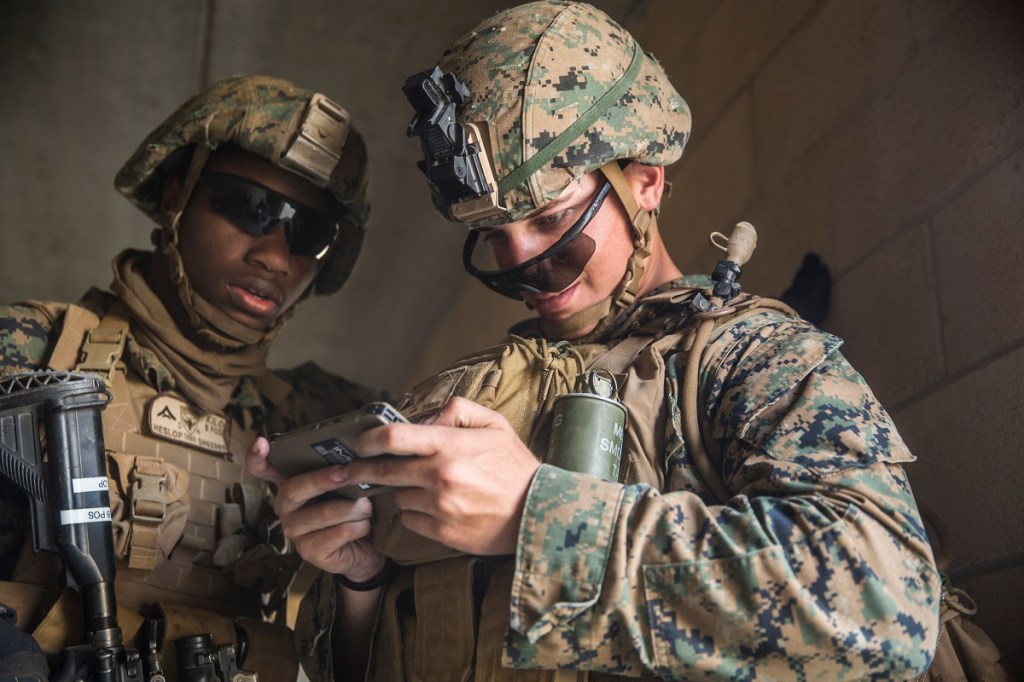
Prioritize building the flight line of the future
Mission readiness depends on secure and reliable connectivity to successfully maintain electronic workflows. Without it, the Pentagon cannot effectively connect its bases.
-

How to protect troops from an assault in the cognitive domain
Social media has presented an opportunity for our adversaries to present a plethora of information that is meant to persuade our force.
-

Securing the final frontier: Digital twins, satellites and cybersecurity
Cybersecurity in space systems has struggled to keep pace with the rapid evolution of threat actors and exploits.
-

American shipbuilding: An anchor for economic and national security
The director of the White House’s Office of Trade and Manufacturing Policy says America’s shipbuilding industry will require a large-scale overhaul and new strategy before it can churn out the ships the country urgently needs.
-

In a COVID-19 world, system integration is the best approach
COVID-19 is defining the “new normal” for everyday life, as the Army’s Integrated Air and Missile Defense modernization efforts are defining the “new normal for joint operations.”
-

America enforcing a core NATO pledge does not mean it’s abandoning allies
If European countries assess they don’t need to spend much on defense, then we don’t need to force them to buy more weapons — but nor should Americans be expected to shoulder the burden of being Europe’s front line of defense.
-

Battle Force 2045 could work — if defense leaders show some discipline
The U.S. Navy clearly needs to change its force design and operational approach, according to two analysts at the Hudson Institute.
-

China’s provocations propel decision to include Australia in upcoming Malabar exercise
The authors of this commentary argue that an upcoming multinational military exercise has the potential to provide a robust deterrent message to Beijing.