-
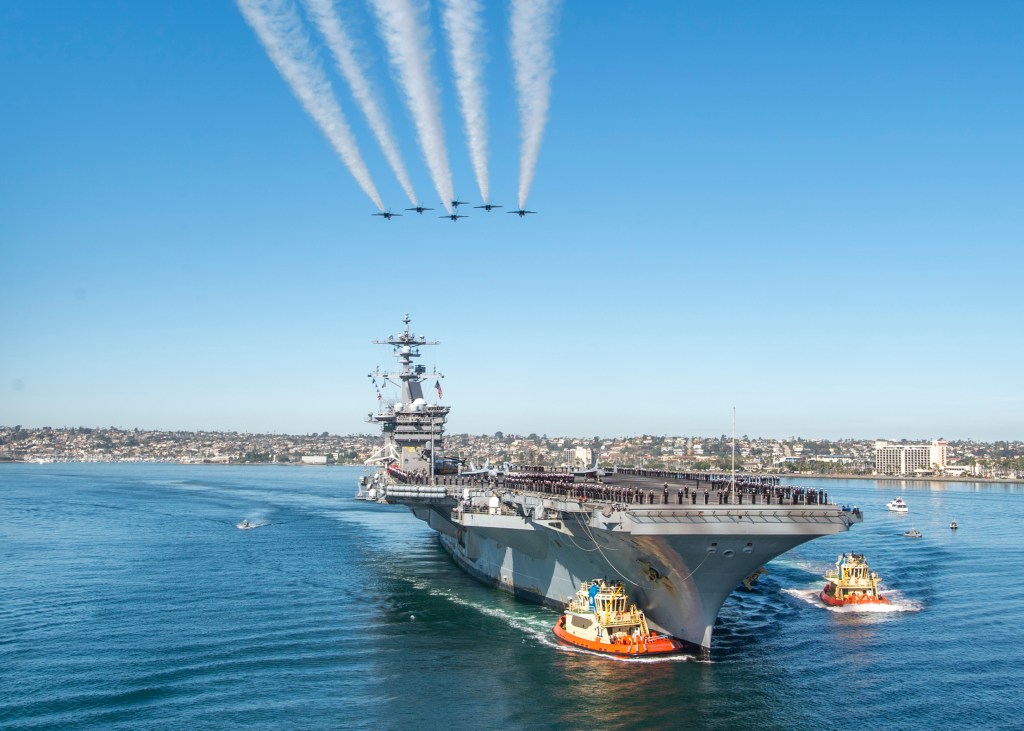
Three takeaways from the US Navy’s first F-35C deployment
Aircraft carrier Carl Vinson returned home Feb. 14 after a six-and-a-half-month deployment to the Indo-Pacific, in the U.S. Navy’s first deployment of the “air wing of the future.”
-
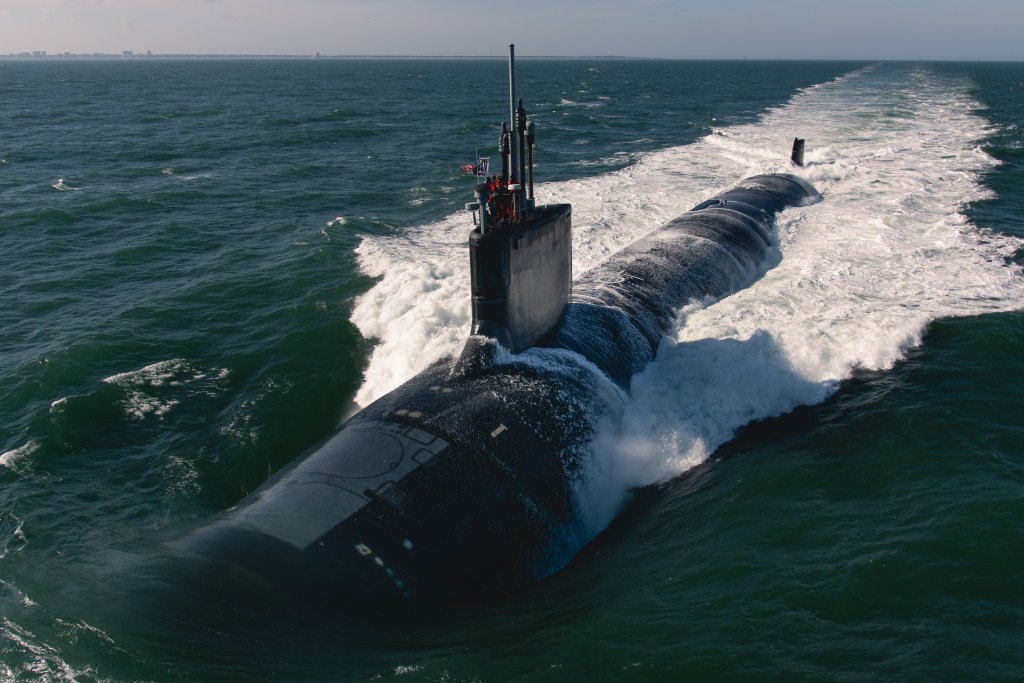
Huntington Ingalls considers industrial base investment, as sub construction lags behind
The submarine-industrial base hasn’t delivered a sub to the Navy in almost two years. Shipbuilder Huntington Ingalls Industries is considering investments in its supply base, as production demand will only increase in the next few years.
-
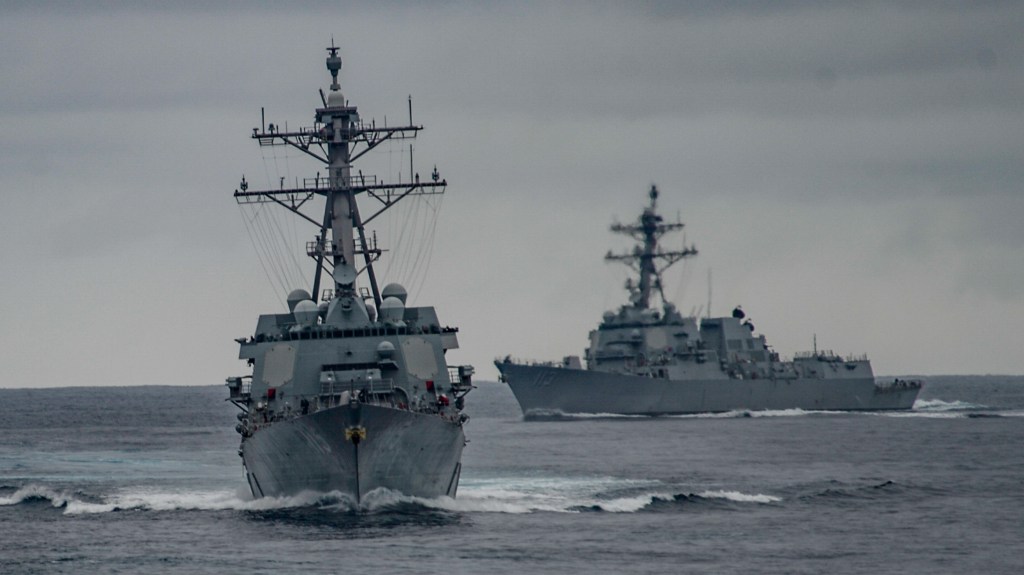
US Navy should view space, power margins as a ‘warfighting capability’ worth paying for
If the Navy wants its future combatants to succeed in a missile-to-missile fight, engineers need to leave significant space and power margins for future radars, directed-energy weapons and large-missile launchers.
-
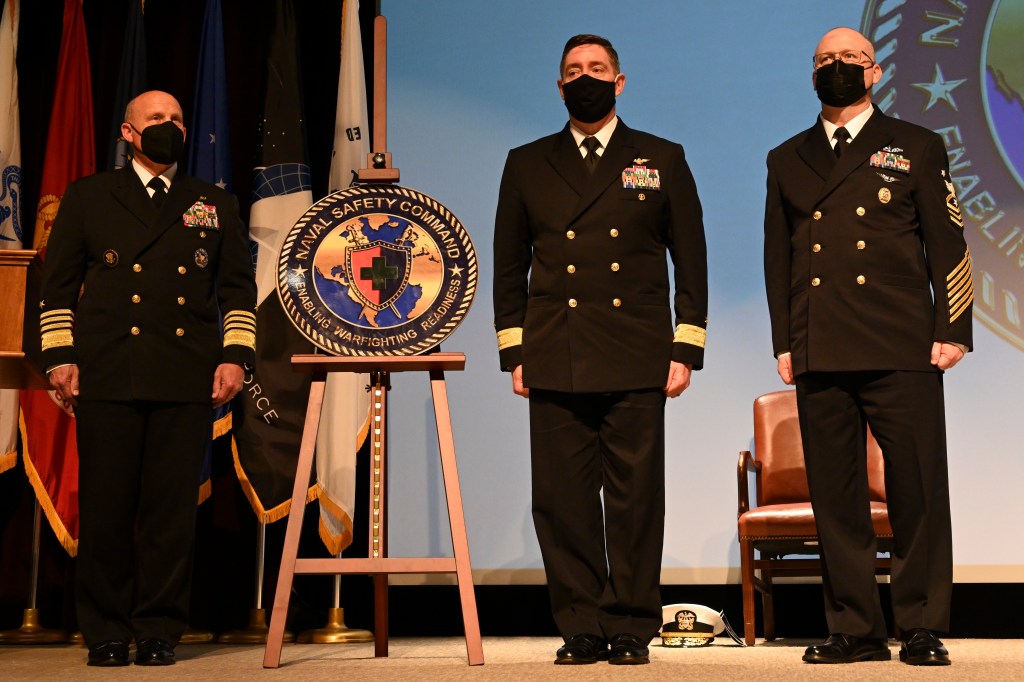
New Naval Safety Command will help units better assess, mitigate their own risk
The newly elevated Naval Safety Command will work throughout the chain of command to identify risks at their most manageable level, before they burden units and put sailors in danger.
-
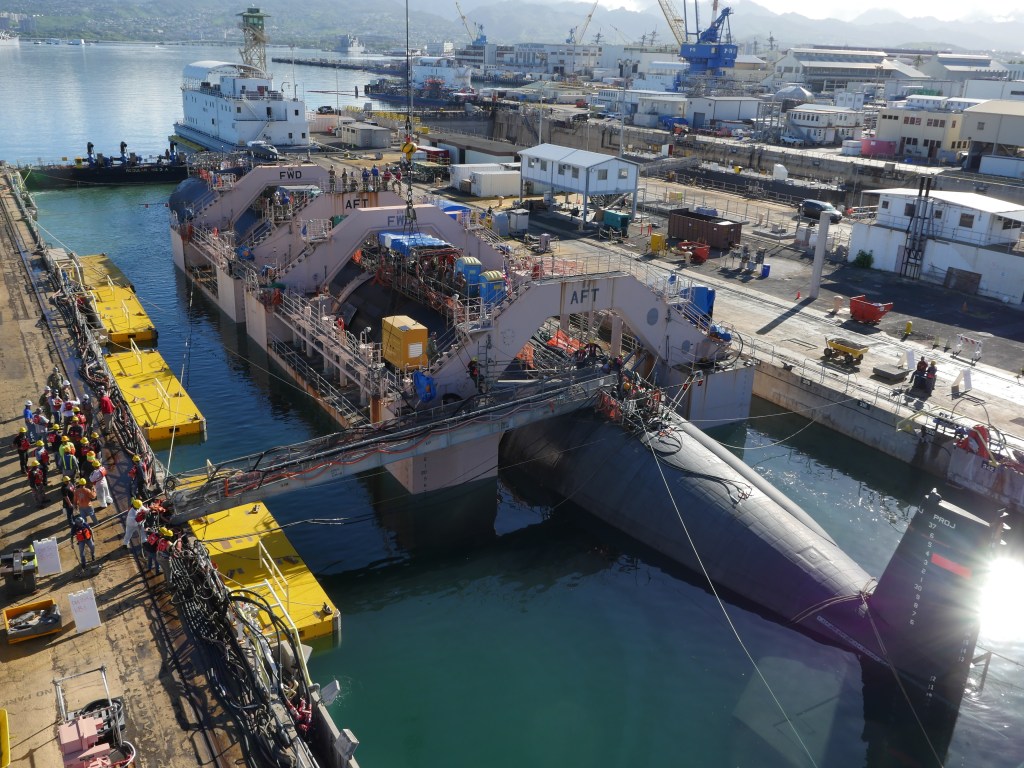
US Navy eyes 3D printing for submarine parts to ease burden on strained industrial base
The Navy plans to pair suppliers who cannot keep up with demand with additive manufacturing companies who can print parts around the clock to boost the supply.
-
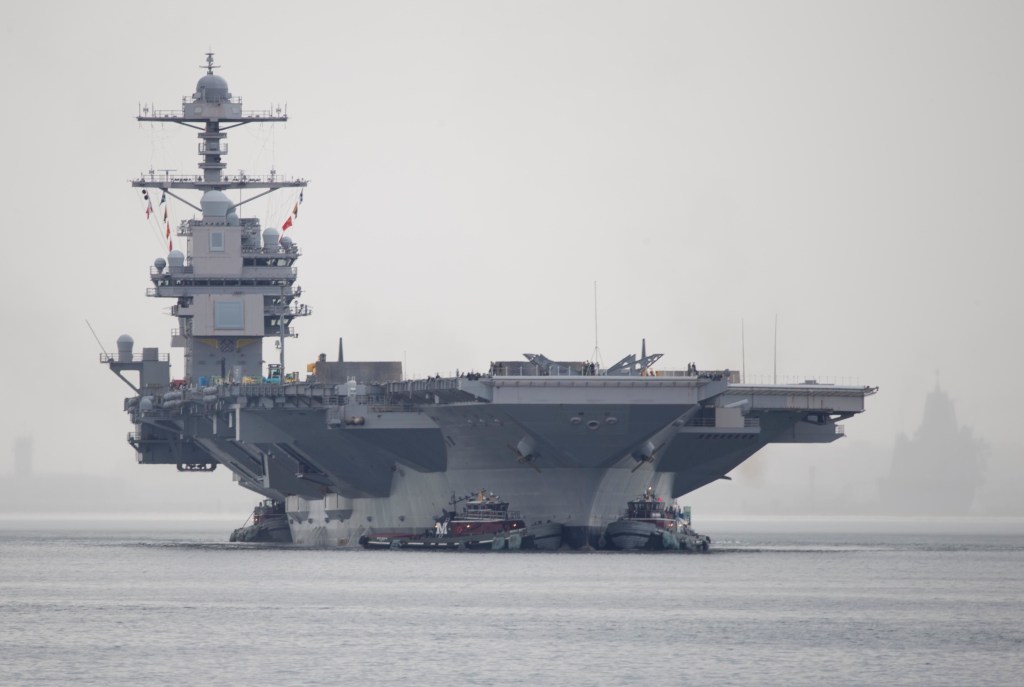
US Navy carrier Ford to go on unusual deployment this year
Ford won’t fall under the operational command of a regional combatant commander. Rather, it will conduct a “service-retained early employment” period where the Navy keeps full control over the ship’s activities and schedule.
-
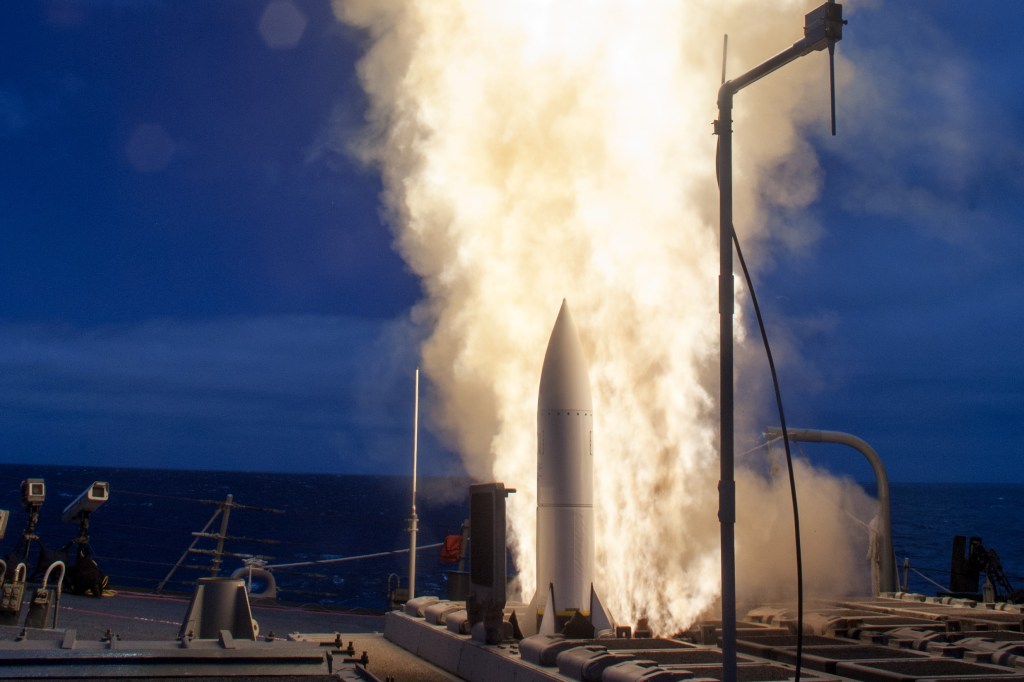
Budget uncertainty ‘throttles’ MDA’s development of a hypersonic missile interceptor
A Glide Phase Interceptor would round out MDA’s plans to turn the ballistic missile defense architecture into one optimized for hypersonic missile defense as well. But the funding and the path forward for the interceptor remains unclear.
-
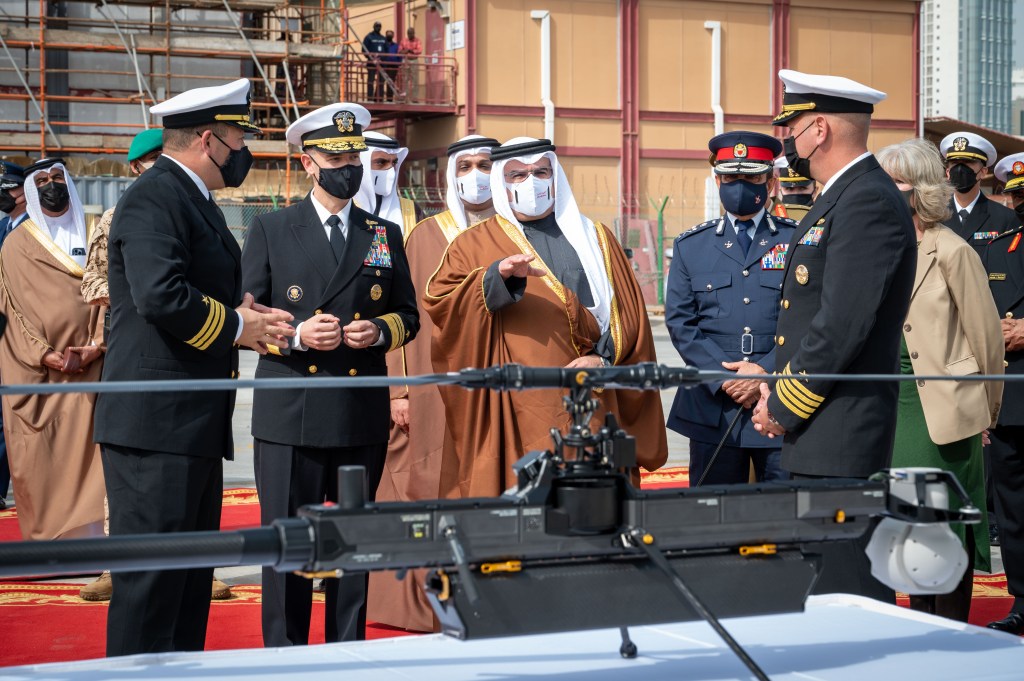
US Navy kicks off 60-nation maritime exercise in Middle East that includes unmanned, AI tech
A massive naval exercise in the Middle East, Africa and Southwest Asia includes unmanned systems and artificial intelligence tools at the heart of many of its scenarios.
-
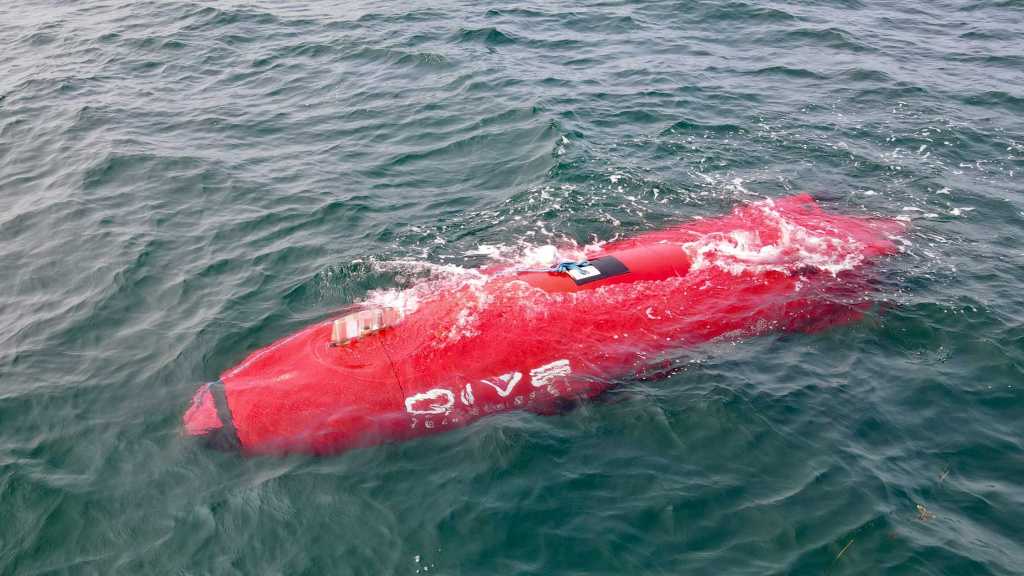
Autonomy specialist Anduril buys underwater drone-maker Dive Technologies
Defense technology company Anduril acquired UUV-maker Dive Technologies in a bid to grow its portfolio of artificial intelligence-powered products.
-
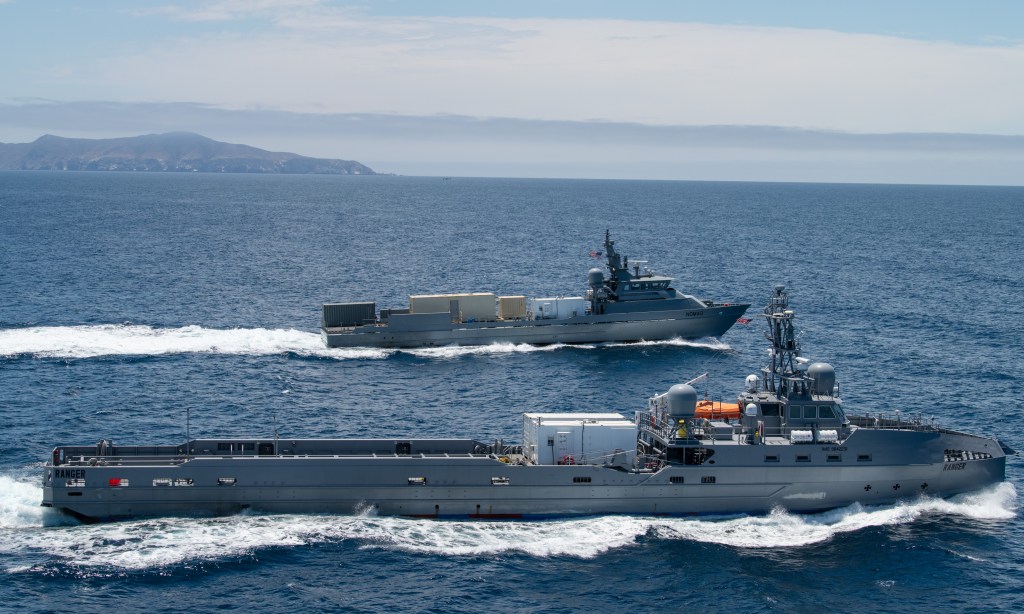
US Navy adopts new strategy prioritizing ‘the building blocks’ of unmanned tech
The U.S. Navy is unlikely to pursue a formal program for unmanned surface vessels in the next five years, instead focusing on the enabling technologies first, several leaders say.
-
Three takeaways from the US Navy’s first F-35C deployment
Aircraft carrier Carl Vinson returned home Feb. 14 after a six-and-a-half-month deployment to the Indo-Pacific, in the U.S. Navy’s first deployment of the “air wing of the future.”
-
Huntington Ingalls considers industrial base investment, as sub construction lags behind
The submarine-industrial base hasn’t delivered a sub to the Navy in almost two years. Shipbuilder Huntington Ingalls Industries is considering investments in its supply base, as production demand will only increase in the next few years.
-
US Navy should view space, power margins as a ‘warfighting capability’ worth paying for
If the Navy wants its future combatants to succeed in a missile-to-missile fight, engineers need to leave significant space and power margins for future radars, directed-energy weapons and large-missile launchers.
-
New Naval Safety Command will help units better assess, mitigate their own risk
The newly elevated Naval Safety Command will work throughout the chain of command to identify risks at their most manageable level, before they burden units and put sailors in danger.
-
US Navy eyes 3D printing for submarine parts to ease burden on strained industrial base
The Navy plans to pair suppliers who cannot keep up with demand with additive manufacturing companies who can print parts around the clock to boost the supply.
-
US Navy carrier Ford to go on unusual deployment this year
Ford won’t fall under the operational command of a regional combatant commander. Rather, it will conduct a “service-retained early employment” period where the Navy keeps full control over the ship’s activities and schedule.
-
Budget uncertainty ‘throttles’ MDA’s development of a hypersonic missile interceptor
A Glide Phase Interceptor would round out MDA’s plans to turn the ballistic missile defense architecture into one optimized for hypersonic missile defense as well. But the funding and the path forward for the interceptor remains unclear.
-
US Navy kicks off 60-nation maritime exercise in Middle East that includes unmanned, AI tech
A massive naval exercise in the Middle East, Africa and Southwest Asia includes unmanned systems and artificial intelligence tools at the heart of many of its scenarios.
-
Autonomy specialist Anduril buys underwater drone-maker Dive Technologies
Defense technology company Anduril acquired UUV-maker Dive Technologies in a bid to grow its portfolio of artificial intelligence-powered products.
-
US Navy adopts new strategy prioritizing ‘the building blocks’ of unmanned tech
The U.S. Navy is unlikely to pursue a formal program for unmanned surface vessels in the next five years, instead focusing on the enabling technologies first, several leaders say.