-
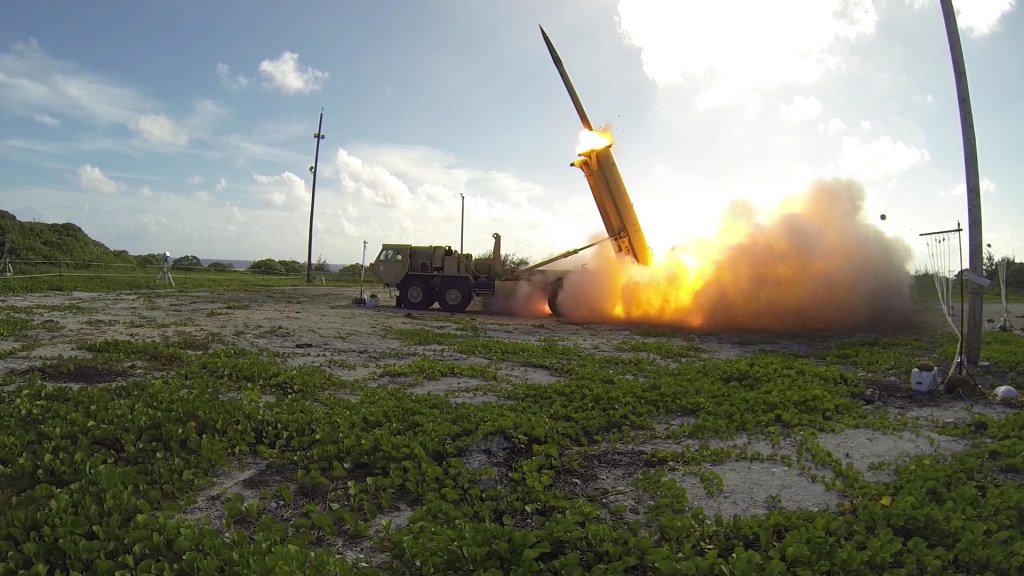
New tech paves way for ballistic missile defense
Successful test intercepts demonstrate new sensor technologies.
-
Coast Guard searches for small drone to launch from ship
A fiscal 2018 award would bring advanced intelligence, surveillance and reconnaissance capabilities along with search-and-rescue enhancements to nine vessels.
-
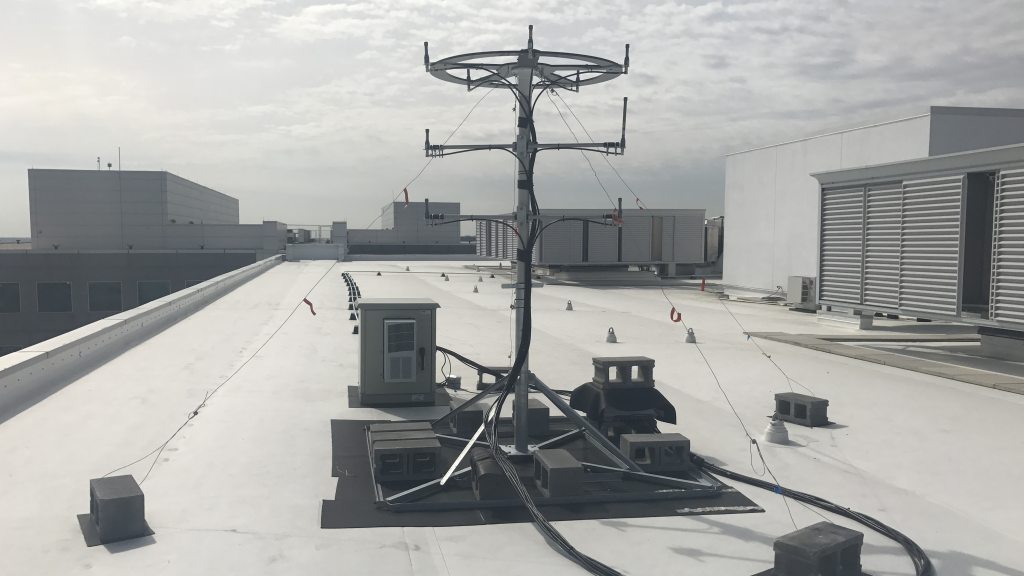
Counter-drone tech requires constant improvement, former DoD official says
If vendors like Department 13 are coming forward with the ability to take over opposing drones via radio attack, it’s a safe bet that the enemy is working on something similar.
-
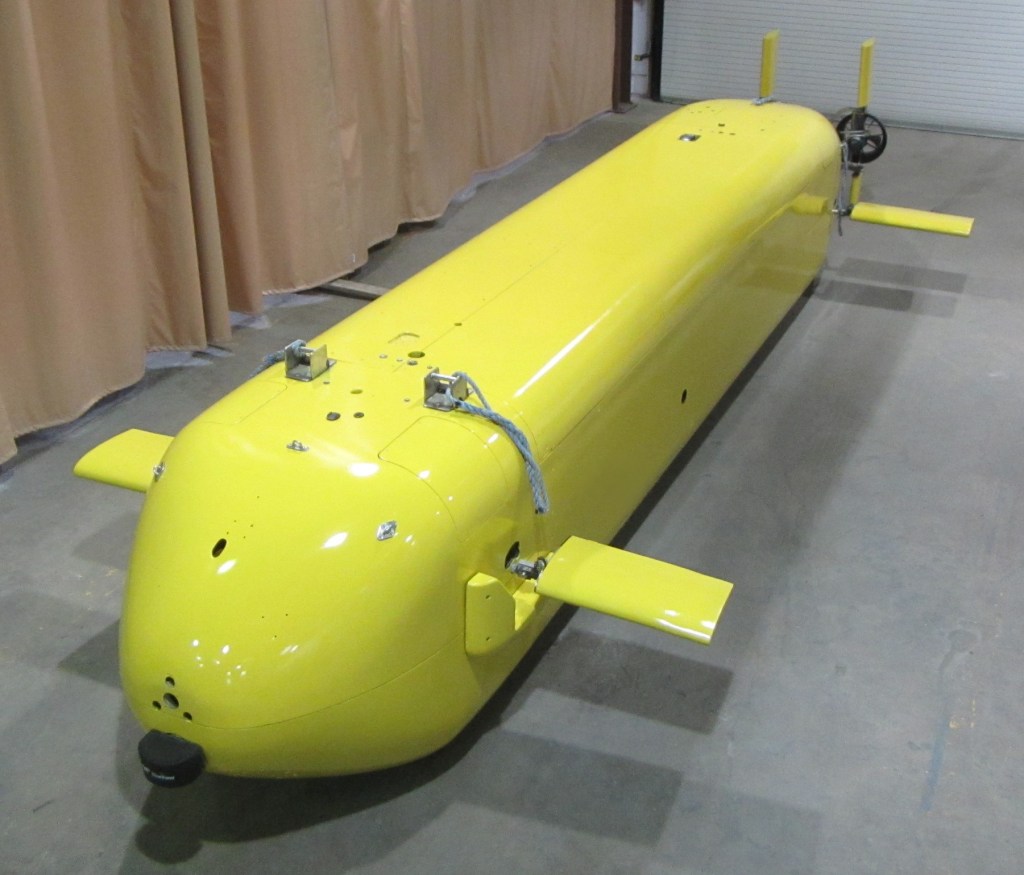
Next-gen underwater drones near fielding
The workhorse of the military’s undersea drone inventory is an autonomous device 8 feet long and 12.5 inches in diameter. It’s good up to depths of about 600 meters. As mine-seekers, these machines have proven their stripes.
-
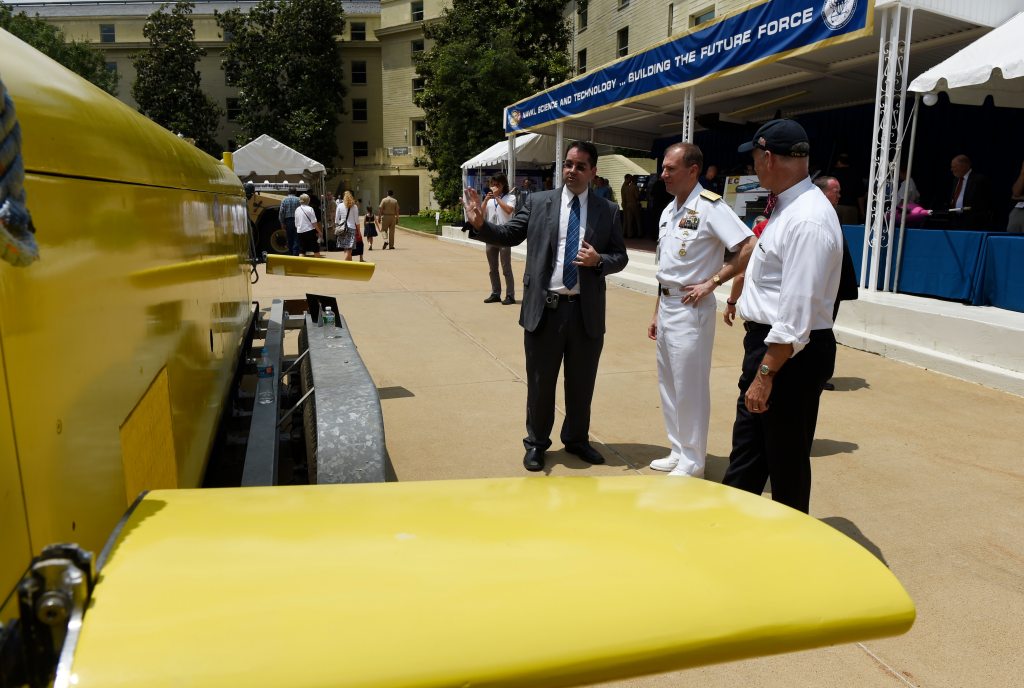
Next-gen underwater drone boosts naval capabilities
“It will have the autonomy to be able to find its way to do a naval mission without reporting home constantly.”
-
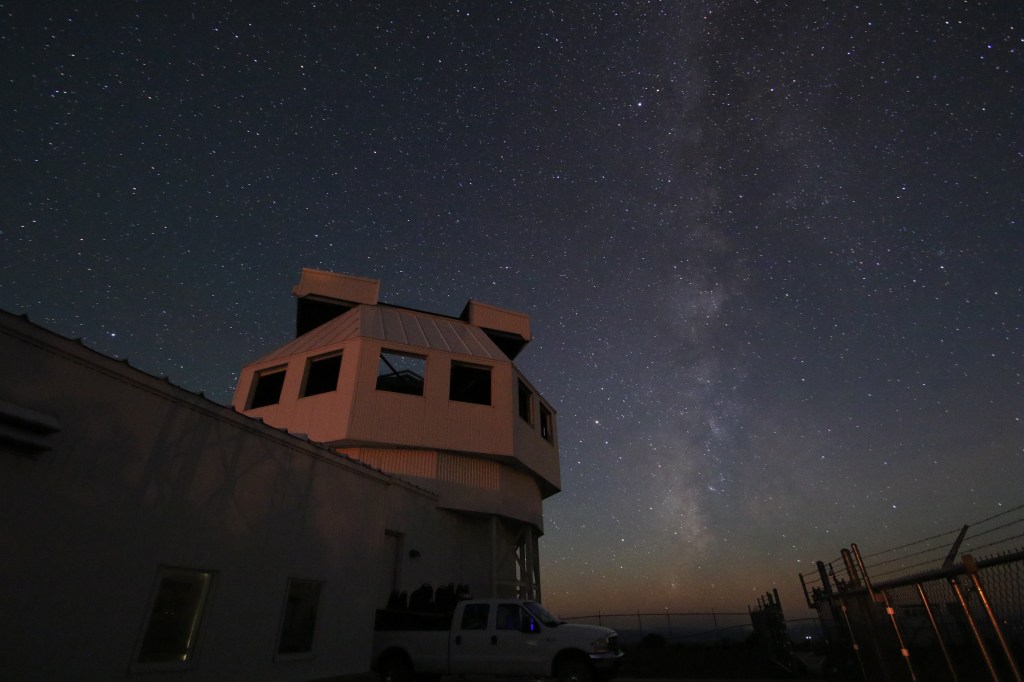
Space Surveillance Telescope begins next mission
Under a joint military agreement, Australia will take over the task of scanning the skies for space debris and asteroids that could endanger satellites or potentially strike the Earth.
-
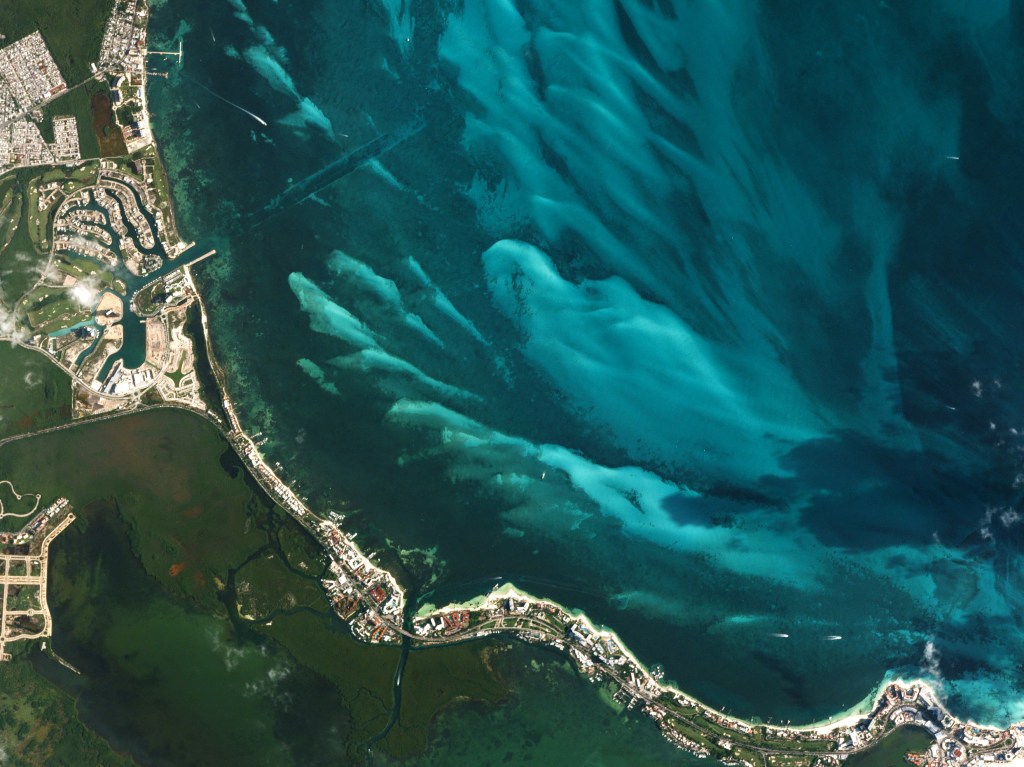
Small satellites rise in significance
The National Geospatial-Intelligence Agency is looking to increase the variety of its intel and the flexibility of its platforms.
-
New tech paves way for ballistic missile defense
Successful test intercepts demonstrate new sensor technologies.
-
Coast Guard searches for small drone to launch from ship
A fiscal 2018 award would bring advanced intelligence, surveillance and reconnaissance capabilities along with search-and-rescue enhancements to nine vessels.
-
Counter-drone tech requires constant improvement, former DoD official says
If vendors like Department 13 are coming forward with the ability to take over opposing drones via radio attack, it’s a safe bet that the enemy is working on something similar.
-
Next-gen underwater drones near fielding
The workhorse of the military’s undersea drone inventory is an autonomous device 8 feet long and 12.5 inches in diameter. It’s good up to depths of about 600 meters. As mine-seekers, these machines have proven their stripes.
-
Next-gen underwater drone boosts naval capabilities
“It will have the autonomy to be able to find its way to do a naval mission without reporting home constantly.”
-
Space Surveillance Telescope begins next mission
Under a joint military agreement, Australia will take over the task of scanning the skies for space debris and asteroids that could endanger satellites or potentially strike the Earth.
-
Small satellites rise in significance
The National Geospatial-Intelligence Agency is looking to increase the variety of its intel and the flexibility of its platforms.