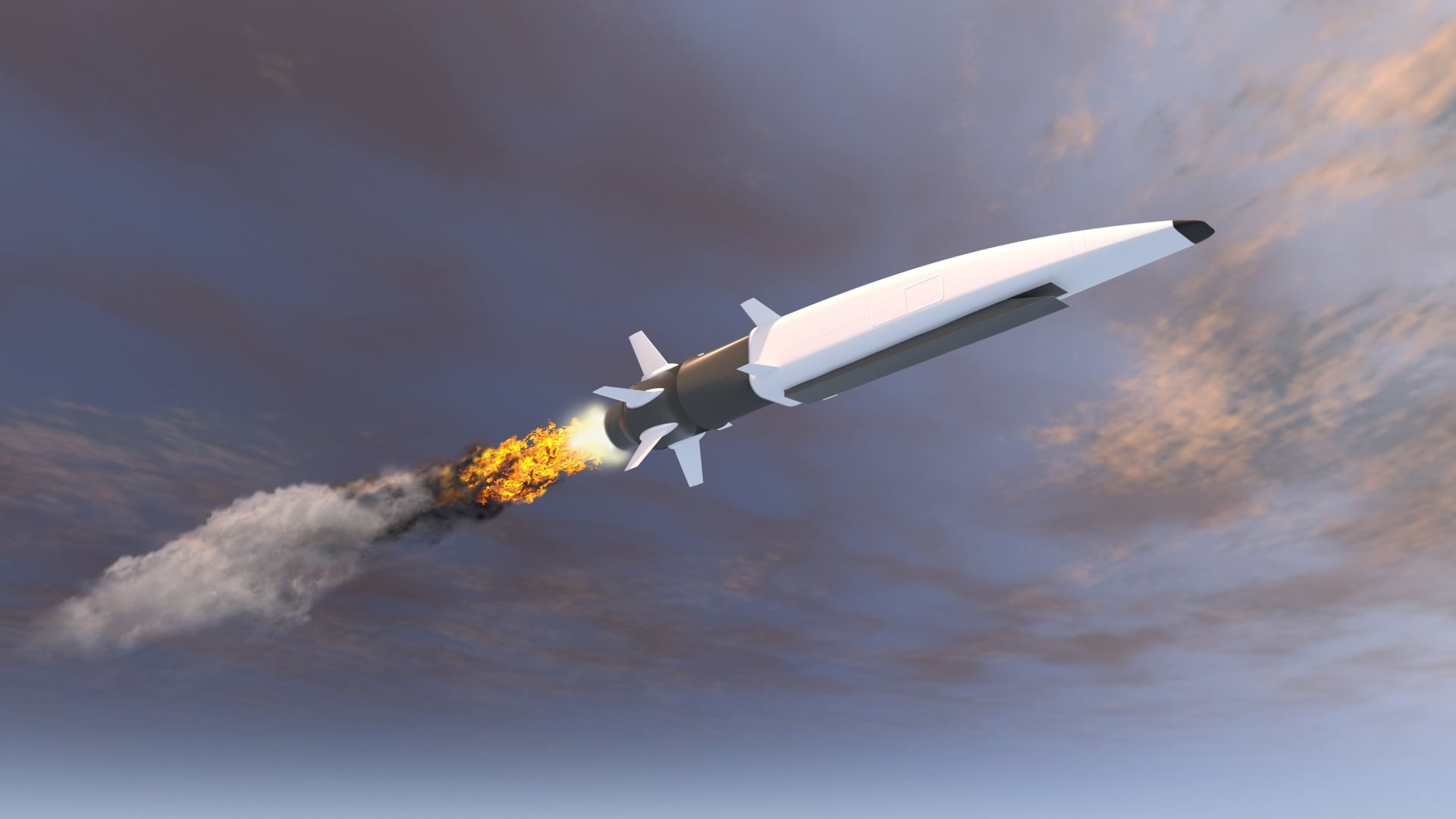
Over the past several decades, missile defense has been one of the military's greatest technological challenges. The Pentagon is working on the U.S. Army's Integrated Air and Missile Defense Battle Command System, or IBCS. According to the maker of the IBCS, it was created to provide a "single, unambiguous view of the battle space" and "significantly enhance aircraft and missile tracking … and the ability of combatant commanders and air defenders to make critical decisions within seconds." IBCS was intended to replace the current Patriot command and control system.
In 2009, when the U.S. Army started work on IBCS, the hope was that the system would allow the different service branches to work in unison to defeat an incoming threat. Essentially, the oft-repeated line is that IBCS' open construct would create an "any sensor-best shooter" platform. At least that was the hope of IBCS at its inception.
If IBCS was completed on time, it would have been in the field now for about two years, and its development would have cost $5.4 billion. In reality, the system will not be ready for at least four more years and will cost around $7 billion. The cost overrun is concerning, but the real problem is the prolonged delay. In the current military theaters we are operating, command and control is becoming increasingly complex, and we need the benefits that a functioning IBCS could offer but is failing to do so.
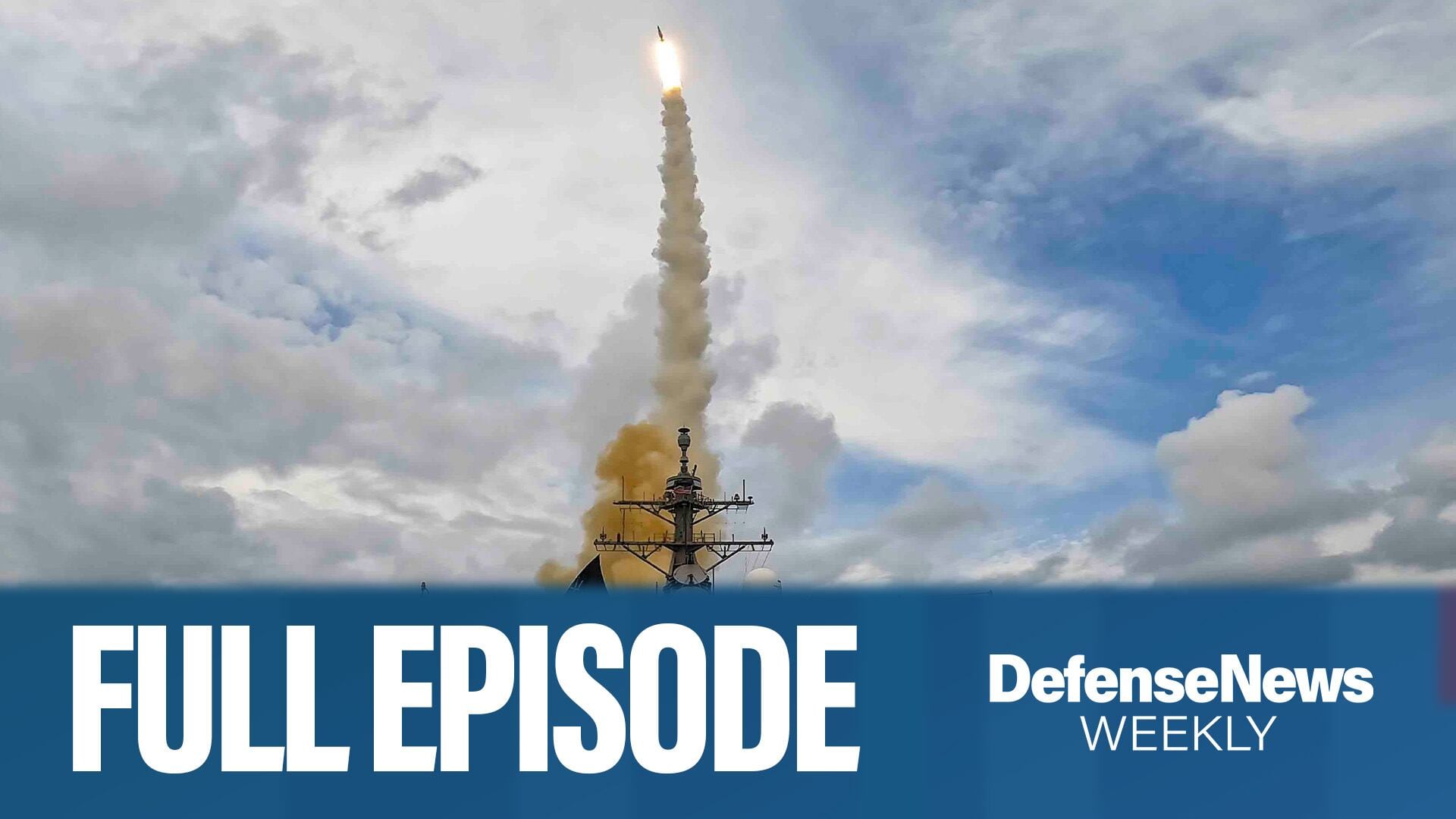
As of today, IBCS has completed three successful test flights with four successful intercepts. IBCS supporters continuously repeat these facts, but they are misleading and don’t tell the whole story.
In fact, according to reports in the media, "software deficiencies" with IBCS have slowed the progress down. A recent Government Accountability Office report noted that IBCS software is "neither mature, nor stable as evidenced in numerous software problem reports." The whole purpose of IBCS was to create better software and technology, to be more effective at accomplishing its critical mission. Hence, this is not the equivalent of a new fighter jet having some issues with the communications system. This is the equivalent of a new fighter jet being unable to fly or fire its weapons.
Perhaps even more disconcerting is that a Milestone C decision — to determine whether the program enters a production and deployment phase — was supposed to happen later this year. But now, it seems that the decision has been postponed until the end of 2020. Again, that means the soonest we could have IBCS in the field would be in 2021. This is assuming that there are no further delays on a program that is already much delayed and continuously misses important benchmarks.
The fact is the threat to our men and women serving in the field — and the homeland from missiles — is not a shrinking problem, but a growing one. The situations in Iran and North Korea are very serious, and their threat of using missiles to target American interests and those of our allies around the globe is escalating.
Ret. Major General Buff Blount served as the Army's Deputy G-3 and was the commanding general, 3d Infantry Division (Mechanized), when they were the lead force in capturing Baghdad during the second Iraq War.